
JLPT N2 शब्दार्थ अभ्यास - Unsolved

चार विकल्प भएका प्रश्नबाट JLPT N2 का 1790 शब्दका अर्थ नेपालीमा सिक्नुहोस्।
-
मालसामान
-
मदिरालय
-
सफाइको कपडा
-
बसाइँसराइ
-
सिरानी
-
लुगा धुने सेवा
-
वाणिज्य
-
भेडाको ऊन
-
अङ्क
-
कामको इतिहास / वास्तविक नतिजा
-
जापान भ्रमण
-
राष्ट्रिय बिदा
-
उचाल्नु / तेलमा डुबाएर तार्नु
-
आक्रमण गर्नु / बदला लिनु
-
चकित पार्नु / डर देखाउनु
-
हल्लाखल्ला भएको / अशान्त
-
मङ्गलमय / सोझो
-
फजुल खर्च हुने / पाउन अयोग्य
-
आफ्नो रुचिको कुरा
-
मन्द ढलानको
-
दयनीय
-
सङ्केत
-
भोज
-
मुख्य बुँदा / काइदा
-
मरिच
-
प्रतिवेदन / शैक्षिक लेख
-
शब्दको खेल / चतुर ठट्टा
-
गोष्ठी कक्षा
-
भण्डारण कोठा
-
सफा मौसम
孝行
मातापिताप्रतिको सेवा
孝行
मातापिताप्रतिको सेवा
Explanation
孝行
मातापिताप्रतिको सेवा
孝行
आमाबुबाप्रतिको भक्तिभाव / आमाबुबाको सेवा र सम्मान गर्ने कर्तव्य / मातापिताप्रतिको श्रद्धा र आज्ञापालन

( Base form )
( romanization )
( romanization )
( hiragana historical )
( hiragana )
氏名
पूरा नाम
氏名
पूरा नाम
Explanation
氏名
पूरा नाम
氏名
पूर्ण नाम / नाम र थर

( Base form )
( romanization )
( hiragana )
領収
भुक्तानी प्राप्ति
領収
भुक्तानी प्राप्ति
Explanation
領収
भुक्तानी प्राप्ति
領収
रकम ग्रहण / भुक्तानी स्वीकार / देय रकम प्राप्ति

( Base form )
( romanization )
( stem )
( Past )
( table-tags )
( inflection-template )
( imperfective stem )
( imperfective stem )
( imperfective )
( continuative stem )
( continuative stem )
( continuative )
( stem terminative )
( stem terminative )
( terminative )
( attributive stem )
( attributive stem )
( attributive )
( hypothetical stem )
( hypothetical stem )
( hypothetical )
( Imperative literary stem )
( colloquial Imperative stem )
( Imperative literary stem )
( colloquial Imperative stem )
( Imperative literary )
( colloquial Imperative )
( Passive voice )
( Passive voice )
( Passive voice )
( causative )
( causative )
( causative )
( causative )
( causative )
( causative )
( potential )
( potential )
( potential )
( volitional )
( volitional )
( volitional )
( negative )
( negative )
( negative )
( continuative negative )
( continuative negative )
( continuative negative )
( formal )
( formal )
( formal )
( perfective )
( perfective )
( perfective )
( conjunctive )
( conjunctive )
( conjunctive )
( Conditional hypothetical )
( Conditional hypothetical )
( Conditional hypothetical )
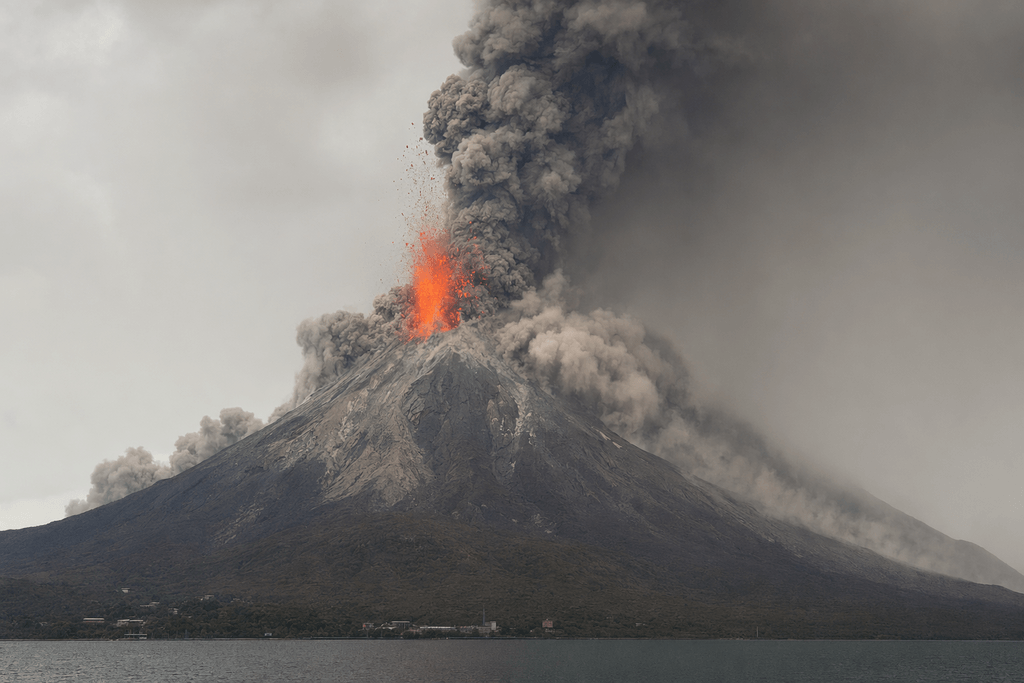
噴火
ज्वालामुखी विस्फोट
噴火
ज्वालामुखी विस्फोट
Explanation
噴火
ज्वालामुखी विस्फोट
噴火
ज्वालामुखी विस्फोट / ज्वालामुखीबाट लावा, धुवाँ वा राख निस्कने घटना
( Base form )
( romanization )
( hiragana )
蒔く
बीउ छर्नु
蒔く
बीउ छर्नु
Explanation
蒔く
बीउ छर्नु
蒔く
बीउ छर्नु / बीउ रोप्नु

Word Forms
The basic and commonly used forms of this verb.
Basic forms
| Form | Word form | Usage |
|---|---|---|
| Imperfective form (mizenkei) |
Alternative:
蒔こ
|
Connects to endings such as nai, reru, and seru. |
| Continuative form (renyokei) | Connects to endings such as masu, tai, and ta. | |
| Conclusive form (shushikei) | Ends a sentence and serves as the dictionary form. | |
| Attributive form (rentaikei) | Modifies a noun. | |
| Conditional form (kateikei) | Combines with ba to express a condition. | |
| Imperative form (meireikei) | Expresses a command or instruction. |
Common forms
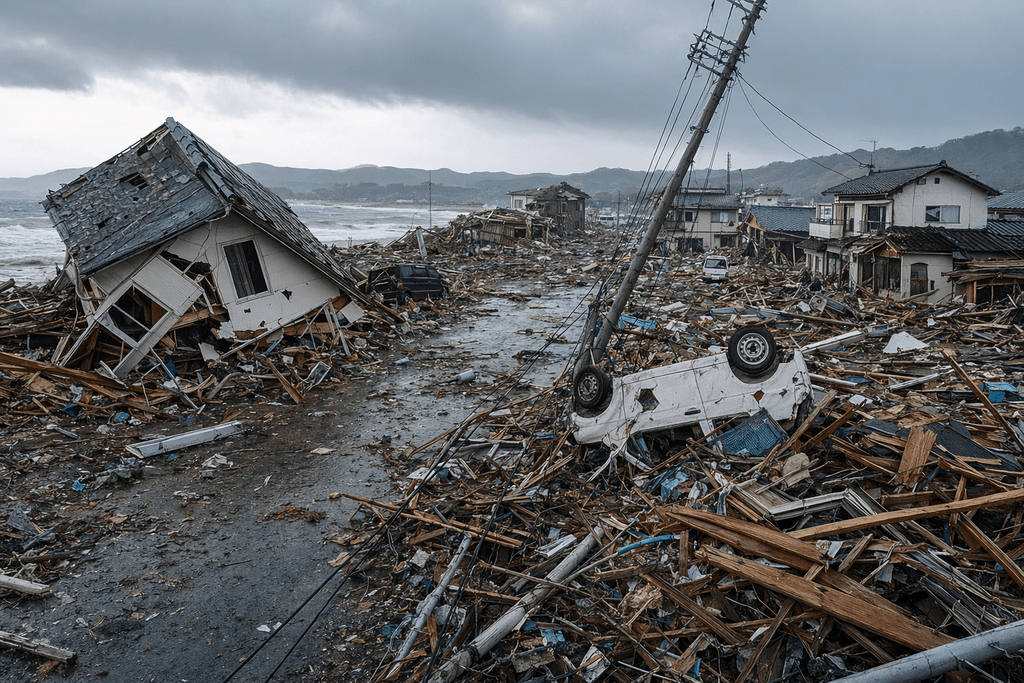
物凄い
अत्यन्त ठूलो
物凄い
अत्यन्त ठूलो
Explanation
物凄い
अत्यन्त ठूलो
物凄い
अद्भुत; अविश्वसनीय / भयानक; डरलाग्दो / अत्यन्त; हदसम्म
Word Forms
The basic and commonly used forms of this adjective.
Basic forms
| Form | Word form | Usage |
|---|---|---|
| Imperfective form (mizenkei) |
Alternative:
もの凄かろ
ものすごかろ
|
Used in forms such as karou; mainly literary. |
| Continuative form (renyokei) |
Alternative:
物凄かっ
もの凄く
もの凄かっ
ものすごく
ものすごかっ
|
Used in forms such as kute and kunai. |
| Conclusive form (shushikei) |
Alternative:
もの凄い
ものすごい
|
Ends a sentence. |
| Attributive form (rentaikei) |
Alternative:
もの凄い
ものすごい
|
Modifies a noun. |
| Conditional form (kateikei) |
Alternative:
もの凄けれ
ものすごけれ
|
Expresses a condition with kereba. |
| Imperative form (meireikei) |
Alternative:
もの凄かれ
ものすごかれ
|
Rarely used in modern Japanese. |
Common forms
| Form | Word form | Usage |
|---|---|---|
| Te-form |
Alternative:
もの凄くて
ものすごくて
|
Connects clauses with kute. |
| Ta-form |
Alternative:
もの凄かった
ものすごかった
|
Expresses the past with katta. |
| Nai-form |
Alternative:
もの凄くない
ものすごくない
|
Expresses negation with kunai. |
| Ba-form |
Alternative:
もの凄ければ
ものすごければ
|
Expresses a condition with kereba. |
フリー
निःशुल्क / प्रतिबन्धरहित
フリー
निःशुल्क / प्रतिबन्धरहित
Explanation
निःशुल्क / प्रतिबन्धरहित
フリー
निःशुल्क / बन्धन/करार वा प्रणालीबाट स्वतन्त्र / रहित

Word Forms
The basic and commonly used forms of this adjectival noun.
Basic forms
| Form | Word form | Usage |
|---|---|---|
| Imperfective form (mizenkei) | Used in forms such as darou. | |
| Continuative form (renyokei) |
Alternative:
フリーに
フリーだっ
|
Used with de or ni. |
| Conclusive form (shushikei) |
Alternative:
フリーである
|
Ends a sentence with da. |
| Attributive form (rentaikei) |
Alternative:
フリーである
|
Modifies a noun with na. |
| Conditional form (kateikei) |
Alternative:
フリーであれば
|
Expresses a condition with nara. |
| Imperative form (meireikei) | Used in formal expressions such as de are. |
Common forms
塊
डल्लो / झुप्पा
塊
डल्लो / झुप्पा
Explanation
塊
डल्लो / झुप्पा
塊
डल्लो / ठोस टुक्रा / ढिस्को

( romanization )
( hiragana )
必需品
अत्यावश्यक वस्तुहरू
必需品
अत्यावश्यक वस्तुहरू
Explanation
必需品
अत्यावश्यक वस्तुहरू
必需品
जीवनावश्यक वस्तु / अत्यावश्यक सामान / आवश्यक सामग्री

( Base form )
( romanization )
( hiragana )
投書
सम्पादकलाई पत्र
投書
सम्पादकलाई पत्र
Explanation
投書
सम्पादकलाई पत्र
投書
सम्पादकलाई पत्र / विरोधपत्र / गुनासो पत्र

( Base form )
( romanization )
( stem )
( Past )
( table-tags )
( inflection-template )
( imperfective stem )
( imperfective stem )
( imperfective )
( continuative stem )
( continuative stem )
( continuative )
( stem terminative )
( stem terminative )
( terminative )
( attributive stem )
( attributive stem )
( attributive )
( hypothetical stem )
( hypothetical stem )
( hypothetical )
( Imperative literary stem )
( colloquial Imperative stem )
( Imperative literary stem )
( colloquial Imperative stem )
( Imperative literary )
( colloquial Imperative )
( Passive voice )
( Passive voice )
( Passive voice )
( causative )
( causative )
( causative )
( causative )
( causative )
( causative )
( potential )
( potential )
( potential )
( volitional )
( volitional )
( volitional )
( negative )
( negative )
( negative )
( continuative negative )
( continuative negative )
( continuative negative )
( formal )
( formal )
( formal )
( perfective )
( perfective )
( perfective )
( conjunctive )
( conjunctive )
( conjunctive )
( Conditional hypothetical )
( Conditional hypothetical )
( Conditional hypothetical )
Loading...

JLPT N2 多言語単語帳・1790語 / JLPT N2 Multilingual Vocabulary: 1790 Words

Jonathan Waller 氏の JLPT Resources の語彙リスト・レベル分類を出典とし、CC BY の条件に従って DiQt が学習者向けに意味を作り直した1790語の単語帳です。JLPT公式の語彙リストではありません。
This collection of 1790 words is based on the vocabulary list and level classifications in Jonathan Waller’s JLPT Resources under CC BY, with meanings rewritten by DiQt for learners. It is not an official JLPT vocabulary list.
Key Operations
Select the first quiz:
Ctrl + Enter
View Explanation:Ctrl + G
Close a feedback:Esc
When selecting a quiz
Answer:Enter
Select a choice:↓ or ↑
Reading out the question:Ctrl + K
View Hint: Ctrl + M
I don't know: Ctrl + Y



