
JLPT N2 शब्दार्थ अभ्यास - Unsolved

चार विकल्प भएका प्रश्नबाट JLPT N2 का 1790 शब्दका अर्थ नेपालीमा सिक्नुहोस्।
-
निर्माण हुनु
-
पारदर्शी हुनु
-
छरपस्ट हुनु
-
मट्टितेल
-
फल
-
विशेष गुण
-
मन नपराएको देखाउनु
-
कुरा निकाल्नु / प्रस्ताव गर्नु
-
मृत्युले गुमाउनु
-
तुलना
-
जापानी कोतो बाजा
-
ढुवानी शुल्क
-
सङ्गत गर्नु / प्रेमसम्बन्ध राख्नु
-
बीचमा च्यापिनु
-
चुस्नु
-
च्यात्नु
-
घृणा गर्नु
-
सबै उपस्थित हुनु / मिल्नु
-
कृपया सहयोग गर्नुहोला
-
मेहनतका लागि धन्यवाद
-
फलानो / के
-
निर्लज्ज
-
स्वागतयोग्य / कृतज्ञ
-
फजुल खर्च हुने / पाउन अयोग्य
- 「みっともない」は語末に「ない」を含むが、全体で一語のイ形容詞として活用する。
-
अप्रत्यक्षता
-
भन्सार कार्यालय
-
शब्दचयन / बोल्ने तरिका
-
रेखाचित्र
-
भतिजी / भान्जी
-
मौसम
ちぎる
च्यातेर निकाल्नु / टिप्नु
ちぎる
च्यातेर निकाल्नु / टिप्नु
Explanation
च्यातेर निकाल्नु / टिप्नु
ちぎる
टुक्रा–टुक्रा च्यात्नु / फाडेर छुट्याउनु / टिपेर तोड्नु

Word Forms
The basic and commonly used forms of this verb.
Basic forms
| Form | Word form | Usage |
|---|---|---|
| Imperfective form (mizenkei) |
Alternative:
千切ら
|
Connects to endings such as nai, reru, and seru. |
| Continuative form (renyokei) |
Alternative:
千切り
|
Connects to endings such as masu, tai, and ta. |
| Conclusive form (shushikei) |
Alternative:
千切る
|
Ends a sentence and serves as the dictionary form. |
| Attributive form (rentaikei) |
Alternative:
千切る
|
Modifies a noun. |
| Conditional form (kateikei) |
Alternative:
千切れ
|
Combines with ba to express a condition. |
| Imperative form (meireikei) |
Alternative:
千切れ
|
Expresses a command or instruction. |
Common forms
| Form | Word form | Usage |
|---|---|---|
| Te-form |
Alternative:
千切って
|
Connects clauses with te. |
| Ta-form |
Alternative:
千切った
|
Expresses the past with ta. |
| Nai-form |
Alternative:
千切らない
|
Expresses negation with nai. |
| Masu-form |
Alternative:
千切ります
|
Used for polite speech. |
| Ba-form |
Alternative:
千切れば
|
Expresses a condition with ba. |
| Volitional form |
Alternative:
千切ろう
|
Expresses intention or invitation. |
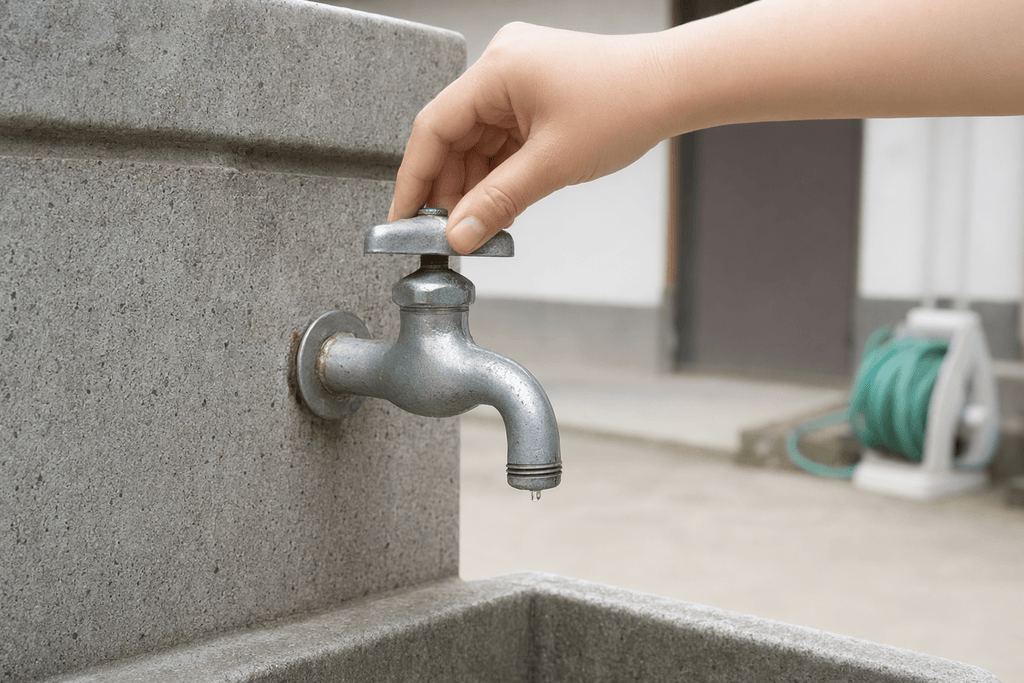
蛇口
पानीको धारा
蛇口
पानीको धारा
Explanation
蛇口
पानीको धारा
蛇口
टुटी / नल / पानीको धारा
( Base form )
( romanization )
( hiragana )
儲ける
नाफा कमाउनु
儲ける
नाफा कमाउनु
Explanation
儲ける
नाफा कमाउनु
儲ける
नाफा कमाउनु / पैसा कमाउनु / कमाइ गर्नु

Word Forms
The basic and commonly used forms of this verb.
Basic forms
| Form | Word form | Usage |
|---|---|---|
| Imperfective form (mizenkei) | Connects to endings such as nai, reru, and seru. | |
| Continuative form (renyokei) | Connects to endings such as masu, tai, and ta. | |
| Conclusive form (shushikei) | Ends a sentence and serves as the dictionary form. | |
| Attributive form (rentaikei) | Modifies a noun. | |
| Conditional form (kateikei) | Combines with ba to express a condition. | |
| Imperative form (meireikei) |
Alternative:
儲けよ
|
Expresses a command or instruction. |
Common forms
低下
ह्रास
低下
ह्रास
Explanation
低下
ह्रास
低下
ह्रास / घटावट / अवनति

( Base form )
( romanization )
( stem )
( Past )
( table-tags )
( inflection-template )
( imperfective stem )
( imperfective stem )
( imperfective )
( continuative stem )
( continuative stem )
( continuative )
( stem terminative )
( stem terminative )
( terminative )
( attributive stem )
( attributive stem )
( attributive )
( hypothetical stem )
( hypothetical stem )
( hypothetical )
( Imperative literary stem )
( colloquial Imperative stem )
( Imperative literary stem )
( colloquial Imperative stem )
( Imperative literary )
( colloquial Imperative )
( Passive voice )
( Passive voice )
( Passive voice )
( causative )
( causative )
( causative )
( causative )
( causative )
( causative )
( potential )
( potential )
( potential )
( volitional )
( volitional )
( volitional )
( negative )
( negative )
( negative )
( continuative negative )
( continuative negative )
( continuative negative )
( formal )
( formal )
( formal )
( perfective )
( perfective )
( perfective )
( conjunctive )
( conjunctive )
( conjunctive )
( Conditional hypothetical )
( Conditional hypothetical )
( Conditional hypothetical )
略す
छोटकरीमा लेख्नु / छोड्नु
略す
छोटकरीमा लेख्नु / छोड्नु
Explanation
略す
छोटकरीमा लेख्नु / छोड्नु
略す
संक्षेप गर्नु / छोटो पार्नु

Word Forms
The basic and commonly used forms of this verb.
Basic forms
| Form | Word form | Usage |
|---|---|---|
| Imperfective form (mizenkei) |
Alternative:
略そ
|
Connects to endings such as nai, reru, and seru. |
| Continuative form (renyokei) | Connects to endings such as masu, tai, and ta. | |
| Conclusive form (shushikei) | Ends a sentence and serves as the dictionary form. | |
| Attributive form (rentaikei) | Modifies a noun. | |
| Conditional form (kateikei) | Combines with ba to express a condition. | |
| Imperative form (meireikei) | Expresses a command or instruction. |
Common forms
突く
घोच्नु / कोट्याउनु
突く
घोच्नु / कोट्याउनु
Explanation
突く
घोच्नु / कोट्याउनु
突く
घोच्नु / ठेल्नु / ठोक्नु

Word Forms
The basic and commonly used forms of this verb.
Basic forms
| Form | Word form | Usage |
|---|---|---|
| Imperfective form (mizenkei) |
Alternative:
突こ
|
Connects to endings such as nai, reru, and seru. |
| Continuative form (renyokei) | Connects to endings such as masu, tai, and ta. | |
| Conclusive form (shushikei) | Ends a sentence and serves as the dictionary form. | |
| Attributive form (rentaikei) | Modifies a noun. | |
| Conditional form (kateikei) | Combines with ba to express a condition. | |
| Imperative form (meireikei) | Expresses a command or instruction. |
Common forms
ごめんください
भित्र आउन मिल्छ?
ごめんください
भित्र आउन मिल्छ?
Explanation
भित्र आउन मिल्छ?
ごめんください
माफ गर्नुहोस् / भित्र पसूँ?

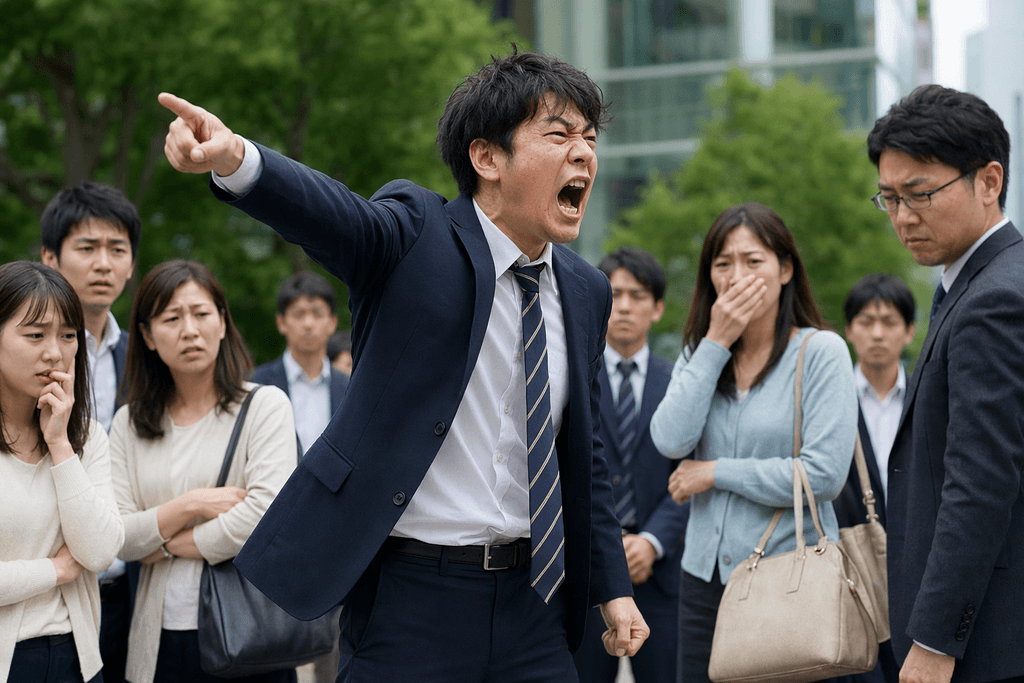
みっともない
अशोभनीय
みっともない
अशोभनीय
Explanation
अशोभनीय
みっともない
लाजलाग्दो / अशोभनीय / कुरूप
Word Forms
The basic and commonly used forms of this adjective.
Basic forms
| Form | Word form | Usage |
|---|---|---|
| Imperfective form (mizenkei) | Used in forms such as karou; mainly literary. | |
| Continuative form (renyokei) |
Alternative:
みっともなかっ
|
Used in forms such as kute and kunai. |
| Conclusive form (shushikei) |
Alternative:
見っともない
|
Ends a sentence. |
| Attributive form (rentaikei) |
Alternative:
見っともない
|
Modifies a noun. |
| Conditional form (kateikei) | Expresses a condition with kereba. | |
| Imperative form (meireikei) | Rarely used in modern Japanese. |
Common forms
| Form | Word form | Usage |
|---|---|---|
| Te-form |
Alternative:
みっともなくって
|
Connects clauses with kute. |
| Ta-form | Expresses the past with katta. | |
| Nai-form | Expresses negation with kunai. | |
| Ba-form | Expresses a condition with kereba. |
Notes
耕地
खेतीयोग्य जमिन
耕地
खेतीयोग्य जमिन
Explanation
耕地
खेतीयोग्य जमिन
耕地
खेतीयोग्य जमिन / जोतेर खेती गरिएको जमिन / कृषियोग्य भूमि

( Base form )
( romanization )
( hiragana )
消化
पाचन
消化
पाचन
Explanation
消化
पाचन
消化
पाचन / आत्मसात् / खपत

( Base form )
( romanization )
( romanization )
( hiragana historical )
( hiragana )
Loading...

JLPT N2 多言語単語帳・1790語 / JLPT N2 Multilingual Vocabulary: 1790 Words

Jonathan Waller 氏の JLPT Resources の語彙リスト・レベル分類を出典とし、CC BY の条件に従って DiQt が学習者向けに意味を作り直した1790語の単語帳です。JLPT公式の語彙リストではありません。
This collection of 1790 words is based on the vocabulary list and level classifications in Jonathan Waller’s JLPT Resources under CC BY, with meanings rewritten by DiQt for learners. It is not an official JLPT vocabulary list.
Key Operations
Select the first quiz:
Ctrl + Enter
View Explanation:Ctrl + G
Close a feedback:Esc
When selecting a quiz
Answer:Enter
Select a choice:↓ or ↑
Reading out the question:Ctrl + K
View Hint: Ctrl + M
I don't know: Ctrl + Y



