
JLPT N2 शब्दार्थ अभ्यास - Unsolved

चार विकल्प भएका प्रश्नबाट JLPT N2 का 1790 शब्दका अर्थ नेपालीमा सिक्नुहोस्।
-
स्तम्भ / भर्ने ठाउँ
-
पोषक तत्त्वहरू
-
क्यालोरी
-
परम्परागत जापानी पोसाक
-
बितेको समय
-
उचाइ / उन्नत
-
भाग्यशाली हुनु
-
खन्नु
-
एकअर्काको छेउबाट पार हुनु / मत नमिल्नु
- 「引き止める」は同語の表記違い。
-
कुँद्नु
-
उछिन्नु
-
बिछ्याउनु / फैलाउनु
-
किला
-
खुद तौल / वास्तविक मात्रा
-
मूर्तिकला / कुँदाइ
-
उल्टो / अगाडि पछाडि उल्टो
-
रित्तो
-
दृढ
- 形容動詞(ナ形容詞)としての活用。連体修飾は「安易な」、副詞的用法は「安易に」。
- 「安易」は「安易な考え」「安易に扱う」など、軽率・短絡的という否定的含意で用いられることが多い。
-
फुलेको कपाल
-
कर्तव्य
-
मीठो पानी
-
होसियार हुनु
-
पार गर्नु / नाघ्नु
-
बाँड्नु
-
बीउ छर्नु
-
तौलनु / आयतन नाप्नु
-
छल्नु
-
रहनु
-
थुपार्नु / लोड गर्नु
-
छुट्टिनु / शाखा छुट्टिनु
- 五段活用(ラ行)の動詞。
ウール
ऊन
ウール
ऊन
Explanation
ऊन
ウール
ऊन / भेडाको कपालबाट प्राप्त हुने रेशा / ऊनबाट बनेको कपडा

( romanization )
原理
आधारभूत सिद्धान्त
原理
आधारभूत सिद्धान्त
Explanation
原理
आधारभूत सिद्धान्त
原理
मूल सिद्धान्त / कार्यसिद्धान्त / प्रथम सिद्धान्त

( Base form )
( romanization )
( hiragana )
引き留める
जानबाट रोक्नु
引き留める
जानबाट रोक्नु
Explanation
引き留める
जानबाट रोक्नु
引き留める
रोक्नु / नजान दिनु / सम्झाएर रोक्नु

Word Forms
The basic and commonly used forms of this verb.
Basic forms
| Form | Word form | Usage |
|---|---|---|
| Imperfective form (mizenkei) |
Alternative:
引き止め
ひきとめ
|
Connects to endings such as nai, reru, and seru. |
| Continuative form (renyokei) |
Alternative:
引き止め
ひきとめ
|
Connects to endings such as masu, tai, and ta. |
| Conclusive form (shushikei) |
Alternative:
引き止める
ひきとめる
|
Ends a sentence and serves as the dictionary form. |
| Attributive form (rentaikei) |
Alternative:
引き止める
ひきとめる
|
Modifies a noun. |
| Conditional form (kateikei) |
Alternative:
引き止めれ
ひきとめれ
|
Combines with ba to express a condition. |
| Imperative form (meireikei) |
Alternative:
引き止めろ
ひきとめろ
引き留めよ
引き止めよ
ひきとめよ
|
Expresses a command or instruction. |
Common forms
| Form | Word form | Usage |
|---|---|---|
| Te-form |
Alternative:
引き止めて
ひきとめて
|
Connects clauses with te. |
| Ta-form |
Alternative:
引き止めた
ひきとめた
|
Expresses the past with ta. |
| Nai-form |
Alternative:
引き止めない
ひきとめない
|
Expresses negation with nai. |
| Masu-form |
Alternative:
引き止めます
ひきとめます
|
Used for polite speech. |
| Ba-form |
Alternative:
引き止めれば
ひきとめれば
|
Expresses a condition with ba. |
| Volitional form |
Alternative:
引き止めよう
ひきとめよう
|
Expresses intention or invitation. |
Notes
跳ねる
उफ्रिनु / फड्किनु
跳ねる
उफ्रिनु / फड्किनु
Explanation
跳ねる
उफ्रिनु / फड्किनु
跳ねる
उफ्रिनु; फड्किनु / (तरल/तेल) छ्यापिनु; उछिट्टिनु / (शो/प्रदर्शन) सकिनु; छुट्टिनु

Word Forms
The basic and commonly used forms of this verb.
Basic forms
| Form | Word form | Usage |
|---|---|---|
| Imperfective form (mizenkei) | Connects to endings such as nai, reru, and seru. | |
| Continuative form (renyokei) | Connects to endings such as masu, tai, and ta. | |
| Conclusive form (shushikei) | Ends a sentence and serves as the dictionary form. | |
| Attributive form (rentaikei) | Modifies a noun. | |
| Conditional form (kateikei) | Combines with ba to express a condition. | |
| Imperative form (meireikei) |
Alternative:
跳ねよ
|
Expresses a command or instruction. |
Common forms
ステージ
मञ्च / प्रदर्शन
ステージ
मञ्च / प्रदर्शन
Explanation
मञ्च / प्रदर्शन
ステージ
मञ्च / मञ्चीय प्रस्तुति / भिडियो खेलको स्तर

( romanization )
安易
सतही / निश्चिन्त
安易
सतही / निश्चिन्त
Explanation
安易
सतही / निश्चिन्त
安易
सजिलो ठानेर हल्का रूपमा लिने / लापरबाहीपूर्ण वा विचारविहीन / सजिलो बाटो रोज्ने प्रवृत्ति

Word Forms
The basic and commonly used forms of this adjectival noun.
Basic forms
| Form | Word form | Usage |
|---|---|---|
| Imperfective form (mizenkei) | Used in forms such as darou. | |
| Continuative form (renyokei) |
Alternative:
安易で
安易だっ
|
Used with de or ni. |
| Conclusive form (shushikei) | Ends a sentence with da. | |
| Attributive form (rentaikei) |
Alternative:
安易である
|
Modifies a noun with na. |
| Conditional form (kateikei) |
Alternative:
安易であれば
|
Expresses a condition with nara. |
| Imperative form (meireikei) | Used in formal expressions such as de are. |
Common forms
| Form | Word form | Usage |
|---|---|---|
| Te-form equivalent | Connects clauses using de. | |
| Ta-form |
Alternative:
安易でした
|
Expresses the past with datta. |
| Nai-form |
Alternative:
安易じゃない
|
Expresses negation with dewa nai or ja nai. |
| Desu-form | Used for polite speech. |
Notes
下品
अशिष्टता
下品
अशिष्टता
Explanation
下品
अशिष्टता
下品
भद्दा / अश्लील / तल्लो दर्जाको

( Base form )
( romanization )
( hiragana )
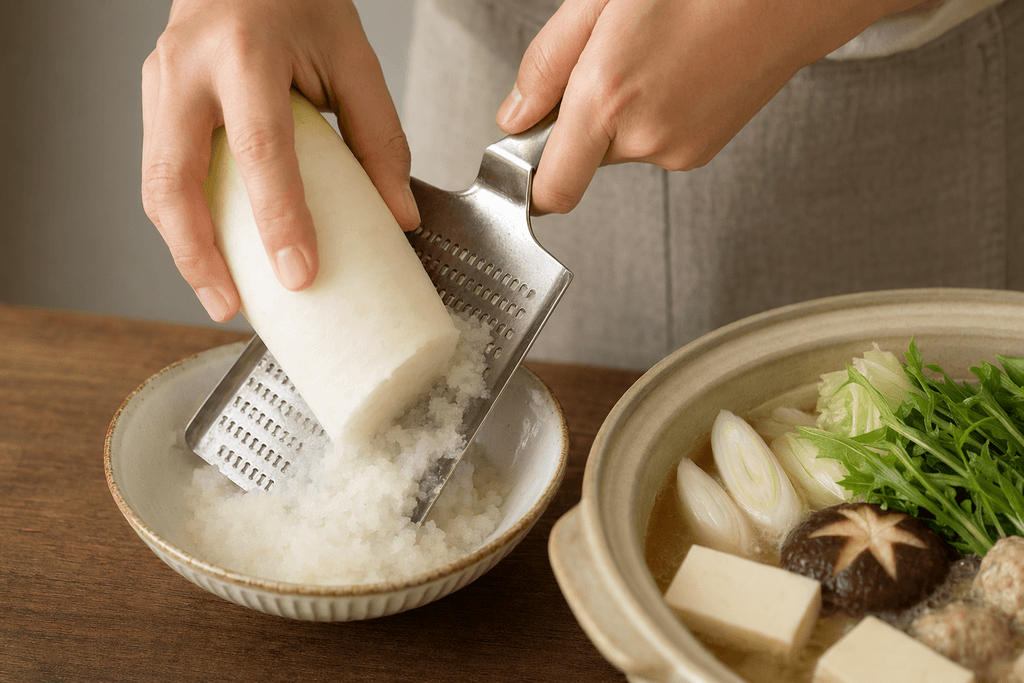
卸す
थोकमा बेच्नु / कोर्नु
卸す
थोकमा बेच्नु / कोर्नु
Explanation
卸す
थोकमा बेच्नु / कोर्नु
卸す
किस्नु / माछा वा मासु काटेर टुक्रा पार्नु / थोकमा बेच्नु
Word Forms
The basic and commonly used forms of this verb.
Basic forms
| Form | Word form | Usage |
|---|---|---|
| Imperfective form (mizenkei) |
Alternative:
卸そ
|
Connects to endings such as nai, reru, and seru. |
| Continuative form (renyokei) | Connects to endings such as masu, tai, and ta. | |
| Conclusive form (shushikei) | Ends a sentence and serves as the dictionary form. | |
| Attributive form (rentaikei) | Modifies a noun. | |
| Conditional form (kateikei) | Combines with ba to express a condition. | |
| Imperative form (meireikei) | Expresses a command or instruction. |
Common forms
飢える
भोकमरीमा पर्नु
飢える
भोकमरीमा पर्नु
Explanation
飢える
भोकमरीमा पर्नु
飢える
भोक लाग्नु / भोकले तड्पिनु / भोकै रहनु

Word Forms
The basic and commonly used forms of this verb.
Basic forms
| Form | Word form | Usage |
|---|---|---|
| Imperfective form (mizenkei) | Connects to endings such as nai, reru, and seru. | |
| Continuative form (renyokei) | Connects to endings such as masu, tai, and ta. | |
| Conclusive form (shushikei) | Ends a sentence and serves as the dictionary form. | |
| Attributive form (rentaikei) | Modifies a noun. | |
| Conditional form (kateikei) | Combines with ba to express a condition. | |
| Imperative form (meireikei) |
Alternative:
飢えよ
|
Expresses a command or instruction. |
Common forms
測る
नाप्नु / समय नाप्नु
測る
नाप्नु / समय नाप्नु
Explanation
測る
नाप्नु / समय नाप्नु
測る
नाप्नु / मापन गर्नु / अन्दाज गर्नु

Word Forms
The basic and commonly used forms of this verb.
Basic forms
| Form | Word form | Usage |
|---|---|---|
| Imperfective form (mizenkei) |
Alternative:
測ろ
|
Connects to endings such as nai, reru, and seru. |
| Continuative form (renyokei) | Connects to endings such as masu, tai, and ta. | |
| Conclusive form (shushikei) | Ends a sentence and serves as the dictionary form. | |
| Attributive form (rentaikei) | Modifies a noun. | |
| Conditional form (kateikei) | Combines with ba to express a condition. | |
| Imperative form (meireikei) | Expresses a command or instruction. |
Common forms
| Form | Word form | Usage |
|---|---|---|
| Te-form | Connects clauses with te. | |
| Ta-form | Expresses the past with ta. | |
| Nai-form | Expresses negation with nai. | |
| Masu-form | Used for polite speech. | |
| Ba-form | Expresses a condition with ba. | |
| Volitional form | Expresses intention or invitation. |
Notes
Loading...

JLPT N2 多言語単語帳・1790語 / JLPT N2 Multilingual Vocabulary: 1790 Words

Jonathan Waller 氏の JLPT Resources の語彙リスト・レベル分類を出典とし、CC BY の条件に従って DiQt が学習者向けに意味を作り直した1790語の単語帳です。JLPT公式の語彙リストではありません。
This collection of 1790 words is based on the vocabulary list and level classifications in Jonathan Waller’s JLPT Resources under CC BY, with meanings rewritten by DiQt for learners. It is not an official JLPT vocabulary list.
Key Operations
Select the first quiz:
Ctrl + Enter
View Explanation:Ctrl + G
Close a feedback:Esc
When selecting a quiz
Answer:Enter
Select a choice:↓ or ↑
Reading out the question:Ctrl + K
View Hint: Ctrl + M
I don't know: Ctrl + Y



