
JLPT N2 शब्दार्थ अभ्यास - Unsolved

चार विकल्प भएका प्रश्नबाट JLPT N2 का 1790 शब्दका अर्थ नेपालीमा सिक्नुहोस्।
-
पाक्नु
-
पूरा हुनु
-
पोखिनु
- 「漬ける」とも表記する。
-
हाललाई / सावधानीका लागि
-
ठ्याक्कै / झट्टै
-
उल्लेख्य रूपमा
-
सतही / निश्चिन्त
-
दयनीय
-
निख्खर सेतो
-
उछिन्नु
-
चुस्नु
-
आवेदन बन्द गर्नु / पूर्ण रूपमा थुन्नु
-
त्यसबेलादेखि
-
भण्डारण
-
दुई हप्ताअघि
-
विद्यालय भवन
-
हरितगृह
-
चिह्न
-
पानीको थोपा
-
निश्चित दाबी
-
मत्स्य उद्योग
-
उट्पट्याङ गर्नु / ठट्टा गर्नु
-
च्यात्नु / चिर्नु
-
नजिक ल्याउनु / बटुल्नु
-
मुक्ति
-
सबल पक्ष / फाइदा
-
क्षमता प्रदर्शन
-
सम्पादकलाई पत्र
-
सुरुआत
-
घरेलु कामदार
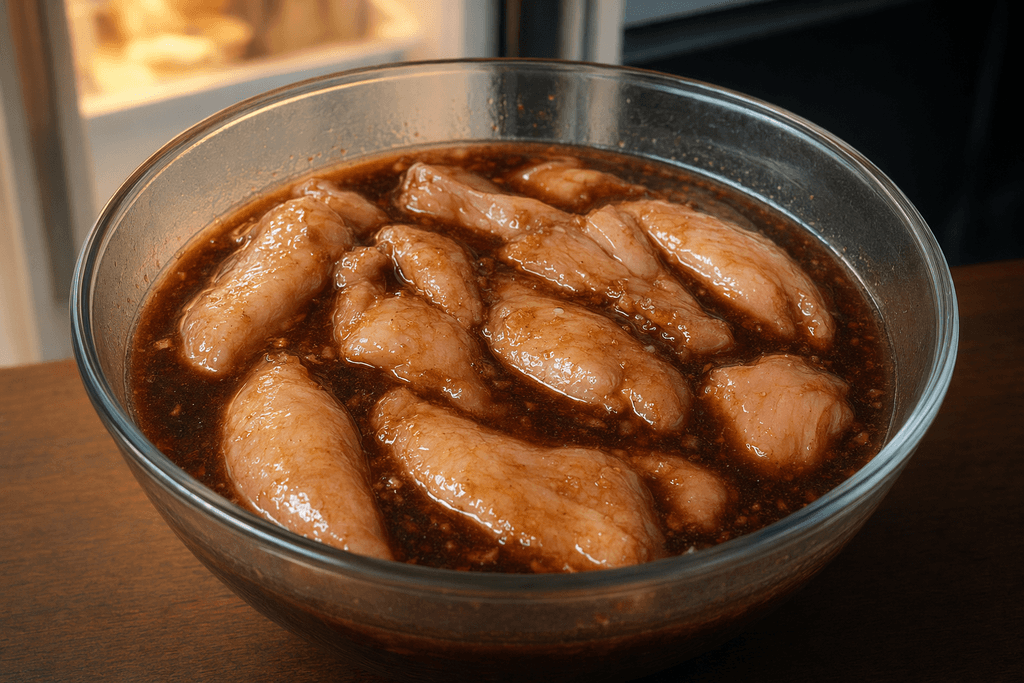
浸ける
भिजाउनु / डुबाउनु
浸ける
भिजाउनु / डुबाउनु
Explanation
浸ける
भिजाउनु / डुबाउनु
浸ける
भिजाउनु / डुबाउनु / तरलमा डुबाएर राख्नु
Word Forms
The basic and commonly used forms of this verb.
Basic forms
| Form | Word form | Usage |
|---|---|---|
| Imperfective form (mizenkei) |
Alternative:
漬け
つけ
|
Connects to endings such as nai, reru, and seru. |
| Continuative form (renyokei) |
Alternative:
漬け
つけ
|
Connects to endings such as masu, tai, and ta. |
| Conclusive form (shushikei) |
Alternative:
漬ける
つける
|
Ends a sentence and serves as the dictionary form. |
| Attributive form (rentaikei) |
Alternative:
漬ける
つける
|
Modifies a noun. |
| Conditional form (kateikei) |
Alternative:
漬けれ
つけれ
|
Combines with ba to express a condition. |
| Imperative form (meireikei) |
Alternative:
浸けよ
漬けろ
漬けよ
つけろ
つけよ
|
Expresses a command or instruction. |
Common forms
| Form | Word form | Usage |
|---|---|---|
| Te-form |
Alternative:
漬けて
つけて
|
Connects clauses with te. |
| Ta-form |
Alternative:
漬けた
つけた
|
Expresses the past with ta. |
| Nai-form |
Alternative:
漬けない
つけない
|
Expresses negation with nai. |
| Masu-form |
Alternative:
漬けます
つけます
|
Used for polite speech. |
| Ba-form |
Alternative:
漬ければ
つければ
|
Expresses a condition with ba. |
| Volitional form |
Alternative:
漬けよう
つけよう
|
Expresses intention or invitation. |
Notes
そうっと
बिस्तारै / चुपचाप
そうっと
बिस्तारै / चुपचाप
Explanation
बिस्तारै / चुपचाप
そうっと
बिस्तारै / नरमसँग / चुपचाप
妥当
उपयुक्त
妥当
उपयुक्त
Explanation
妥当
उपयुक्त
妥当
उचित / उपयुक्त / तर्कसंगत

Word Forms
The basic and commonly used forms of this adjectival noun.
Basic forms
| Form | Word form | Usage |
|---|---|---|
| Imperfective form (mizenkei) |
Alternative:
妥当でしょ
|
Used in forms such as darou. |
| Continuative form (renyokei) |
Alternative:
妥当に
|
Used with de or ni. |
| Conclusive form (shushikei) |
Alternative:
妥当です
|
Ends a sentence with da. |
| Attributive form (rentaikei) |
Alternative:
妥当である
|
Modifies a noun with na. |
| Conditional form (kateikei) |
Alternative:
妥当であれば
|
Expresses a condition with nara. |
| Imperative form (meireikei) | Used in formal expressions such as de are. |
Common forms
恵まれる
भाग्यशाली हुनु
恵まれる
भाग्यशाली हुनु
Explanation
恵まれる
भाग्यशाली हुनु
恵まれる
ले लाभान्वित हुनु / प्रचुर रूपमा हुनु / भाग्यशाली हुनु

Word Forms
The basic and commonly used forms of this verb.
Basic forms
| Form | Word form | Usage |
|---|---|---|
| Imperfective form (mizenkei) | Connects to endings such as nai, reru, and seru. | |
| Continuative form (renyokei) | Connects to endings such as masu, tai, and ta. | |
| Conclusive form (shushikei) | Ends a sentence and serves as the dictionary form. | |
| Attributive form (rentaikei) | Modifies a noun. | |
| Conditional form (kateikei) | Combines with ba to express a condition. | |
| Imperative form (meireikei) |
Alternative:
恵まれよ
|
Expresses a command or instruction. |
Common forms
恩恵
लाभ
恩恵
लाभ
Explanation
恩恵
लाभ
恩恵
आशीर्वाद / अनुग्रह / लाभ
( romanization )
索引
अनुक्रमणिका
索引
अनुक्रमणिका
Explanation
索引
अनुक्रमणिका
索引
अनुक्रमणिका (पुस्तक/दस्तावेजको) / सूचकाङ्क (गणित/सांख्यिक) / डाटाबेस/सूचना प्रणालीको अनुक्रमणिका

( Base form )
( romanization )
( hiragana )
性質
स्वभाव / गुणधर्म
性質
स्वभाव / गुणधर्म
Explanation
性質
स्वभाव / गुणधर्म
性質
स्वभाव / गुणधर्म / प्रकृति

( Base form )
( romanization )
( hiragana )
積む
थुपार्नु / लोड गर्नु
積む
थुपार्नु / लोड गर्नु
Explanation
積む
थुपार्नु / लोड गर्नु
積む
थुपार्नु / थाक लगाउनु / सञ्चय गर्नु

Word Forms
The basic and commonly used forms of this verb.
Basic forms
| Form | Word form | Usage |
|---|---|---|
| Imperfective form (mizenkei) |
Alternative:
積も
|
Connects to endings such as nai, reru, and seru. |
| Continuative form (renyokei) | Connects to endings such as masu, tai, and ta. | |
| Conclusive form (shushikei) | Ends a sentence and serves as the dictionary form. | |
| Attributive form (rentaikei) | Modifies a noun. | |
| Conditional form (kateikei) | Combines with ba to express a condition. | |
| Imperative form (meireikei) | Expresses a command or instruction. |
Common forms
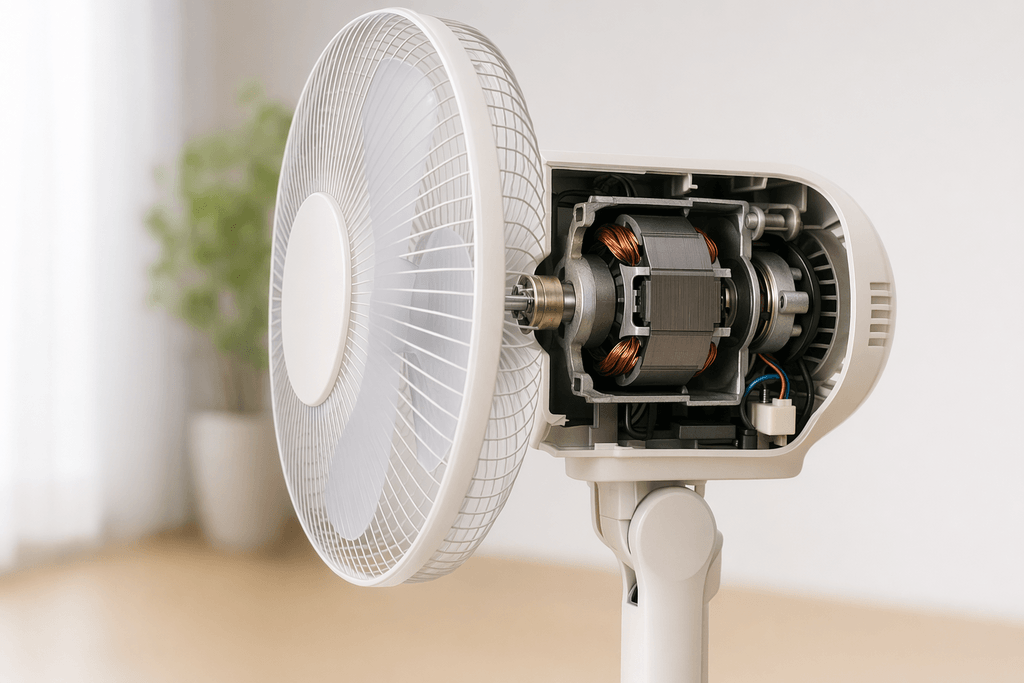
モーター
मोटर
モーター
मोटर
Explanation
मोटर
モーター
विद्युत मोटर / मोटर
( romanization )
便箋
चिठी लेख्ने कागज
便箋
चिठी लेख्ने कागज
Explanation
便箋
चिठी लेख्ने कागज
便箋
चिठी लेख्ने कागज / पत्र कागज / रेखा भएको पत्र कागज

( Base form )
( romanization )
( hiragana )
Loading...

JLPT N2 多言語単語帳・1790語 / JLPT N2 Multilingual Vocabulary: 1790 Words

Jonathan Waller 氏の JLPT Resources の語彙リスト・レベル分類を出典とし、CC BY の条件に従って DiQt が学習者向けに意味を作り直した1790語の単語帳です。JLPT公式の語彙リストではありません。
This collection of 1790 words is based on the vocabulary list and level classifications in Jonathan Waller’s JLPT Resources under CC BY, with meanings rewritten by DiQt for learners. It is not an official JLPT vocabulary list.
Key Operations
Select the first quiz:
Ctrl + Enter
View Explanation:Ctrl + G
Close a feedback:Esc
When selecting a quiz
Answer:Enter
Select a choice:↓ or ↑
Reading out the question:Ctrl + K
View Hint: Ctrl + M
I don't know: Ctrl + Y



