
JLPT N2: Latihan arti kata - Unsolved

Pelajari arti 1790 kata JLPT N2 dalam bahasa Indonesia melalui soal dengan empat pilihan jawaban.
-
ketidakberpihakan
-
penukaran uang / wesel
-
naik kendaraan
-
berbalik kembali
-
runtuh
-
menyetor ke rekening
-
penggunaan habis / keausan
-
pernyataan tegas
-
masuk kerja
-
pembagian bilangan
-
pasta gigi / penyikatan gigi
-
giliran tugas
-
pendiam / penurut
-
iri / membuat iri
-
menyilaukan
-
toko
-
penutupan sementara
-
putra orang lain
-
terima kasih atas kerja kerasmu
-
silakan duduk
-
saya berangkat dulu
-
menyalakan lampu / menyalakan api
-
menambah
-
membidik tujuan
-
pecahan
-
penggunaan praktis
-
ruang berlantai tatami
-
vertikal / tegak lurus
-
samar
-
terbalik atas bawah / terbalik depan belakang
- 表記は「にわか」「俄か」「俄」が用いられる。
- 連用形には、述語接続の「にわかで」と副詞的な「にわかに」がある。
脂
lemak hewani
脂
lemak hewani
Explanation
脂
lemak hewani
脂
lemak / lemak babi (lard) / lemak sapi (tallow)
取り入れる
memasukkan / mengadopsi
取り入れる
memasukkan / mengadopsi
Explanation
取り入れる
memasukkan / mengadopsi
取り入れる
membawa masuk / memanen / mengadopsi (unsur yang menguntungkan)

Word Forms
The basic and commonly used forms of this verb.
Basic forms
| Form | Word form | Usage |
|---|---|---|
| Imperfective form (mizenkei) | Connects to endings such as nai, reru, and seru. | |
| Continuative form (renyokei) | Connects to endings such as masu, tai, and ta. | |
| Conclusive form (shushikei) | Ends a sentence and serves as the dictionary form. | |
| Attributive form (rentaikei) | Modifies a noun. | |
| Conditional form (kateikei) | Combines with ba to express a condition. | |
| Imperative form (meireikei) |
Alternative:
取り入れよ
|
Expresses a command or instruction. |
Common forms
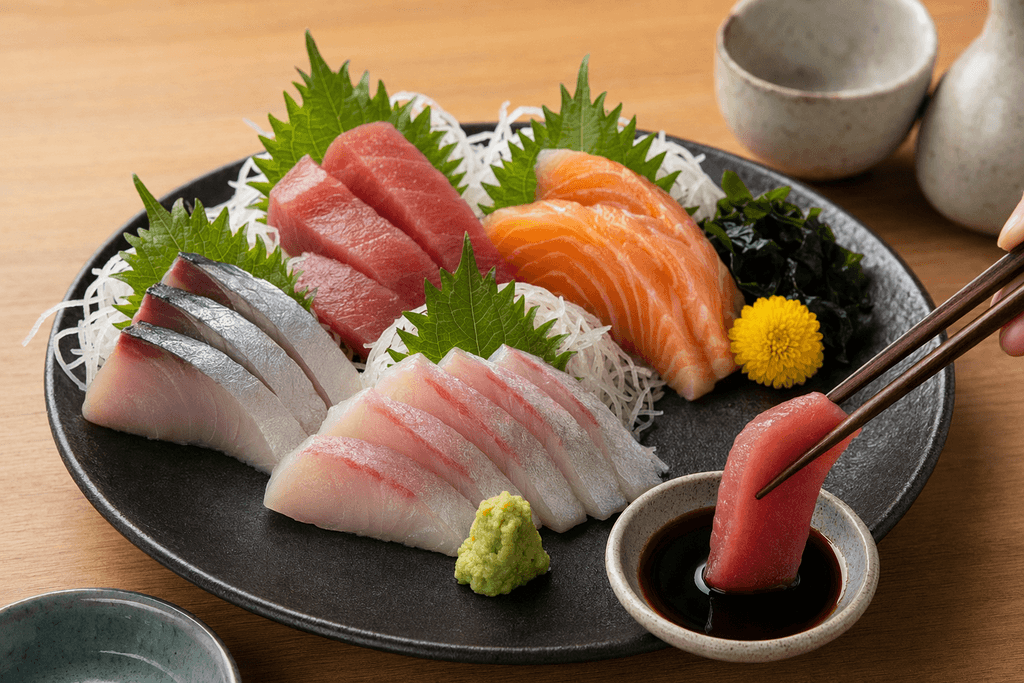
刺身
irisan ikan mentah
刺身
irisan ikan mentah
Explanation
刺身
irisan ikan mentah
刺身
hidangan Jepang berupa irisan tipis ikan atau daging mentah / irisan tipis ikan atau daging mentah untuk disantap langsung
Untuk memperkenalkan budaya makanan Jepang kepada seorang teman yang berkunjung dari luar negeri, saya memesan sashimi segar di restoran Jepang dekat stasiun.
( Base form )
( romanization )
( hiragana )
気体
gas
気体
gas
Explanation
気体
gas
気体
gas / zat dalam wujud gas

( Base form )
( romanization )
( kyūjitai )
( hiragana )
丸い
bulat
丸い
bulat
Explanation
丸い
bulat
丸い
bulat / bundar / berbentuk lingkaran

Word Forms
The basic and commonly used forms of this adjective.
Basic forms
| Form | Word form | Usage |
|---|---|---|
| Imperfective form (mizenkei) |
Alternative:
円かろ
まるかろ
|
Used in forms such as karou; mainly literary. |
| Continuative form (renyokei) |
Alternative:
円く
まるく
丸かっ
円かっ
まるかっ
|
Used in forms such as kute and kunai. |
| Conclusive form (shushikei) |
Alternative:
円い
まるい
|
Ends a sentence. |
| Attributive form (rentaikei) |
Alternative:
円い
まるい
|
Modifies a noun. |
| Conditional form (kateikei) |
Alternative:
円けれ
まるけれ
|
Expresses a condition with kereba. |
| Imperative form (meireikei) |
Alternative:
円かれ
まるかれ
|
Rarely used in modern Japanese. |
Common forms
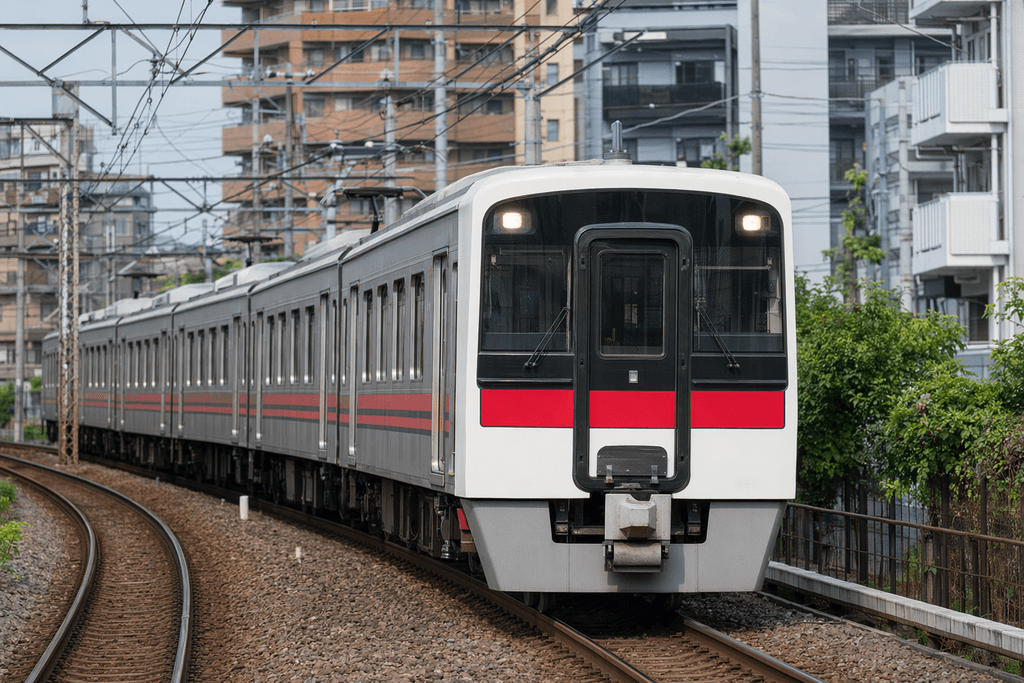
私鉄
kereta api swasta
私鉄
kereta api swasta
Explanation
私鉄
kereta api swasta
私鉄
kereta api swasta / perusahaan kereta api swasta / jalur kereta api swasta
( Base form )
( romanization )
( kyūjitai )
( hiragana )
ごちそうさま
terima kasih atas hidangannya
ごちそうさま
terima kasih atas hidangannya
Explanation
terima kasih atas hidangannya
ごちそうさま
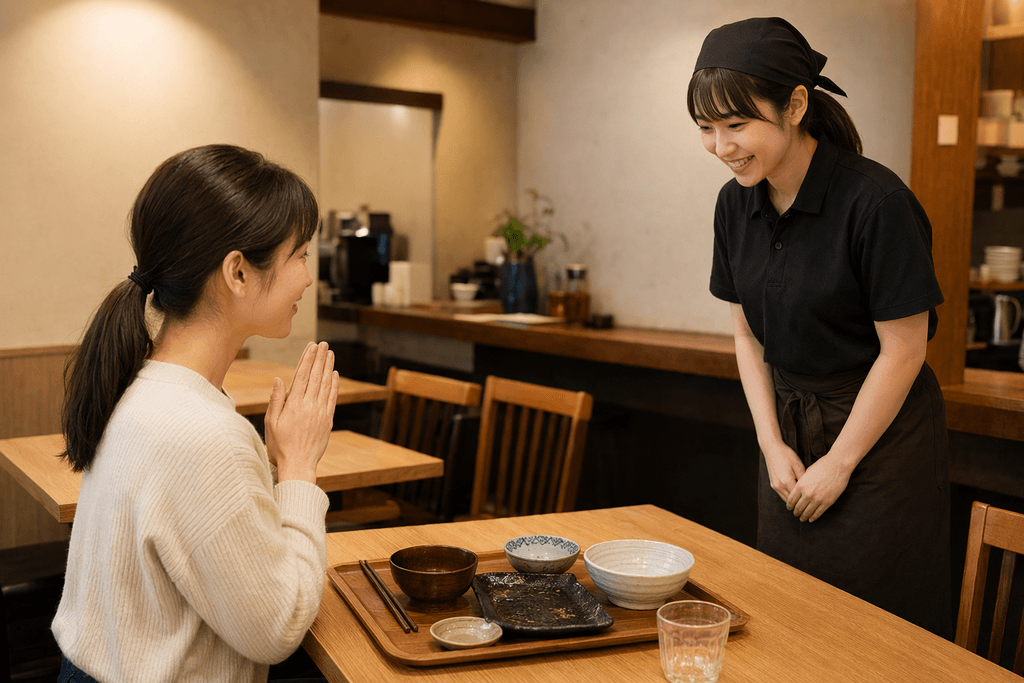
ungkapan terima kasih setelah makan / hidangan lezat / jamuan (pesta makanan)
Setelah selesai makan, saya berusaha untuk berdiri dari tempat duduk setelah mengucapkan "terima kasih atas makanannya" dengan sopan kepada pelayan juga.
睨む
memelototi / mengawasi
睨む
memelototi / mengawasi
Explanation
睨む
memelototi / mengawasi
睨む
menatap tajam / mengawasi / menduga/mencurigai

Word Forms
The basic and commonly used forms of this verb.
Basic forms
| Form | Word form | Usage |
|---|---|---|
| Imperfective form (mizenkei) |
Alternative:
睨も
|
Connects to endings such as nai, reru, and seru. |
| Continuative form (renyokei) | Connects to endings such as masu, tai, and ta. | |
| Conclusive form (shushikei) | Ends a sentence and serves as the dictionary form. | |
| Attributive form (rentaikei) | Modifies a noun. | |
| Conditional form (kateikei) | Combines with ba to express a condition. | |
| Imperative form (meireikei) | Expresses a command or instruction. |
Common forms
活字
huruf cetak
活字
huruf cetak
Explanation
活字
huruf cetak
活字
huruf cetak lepas / teks cetak
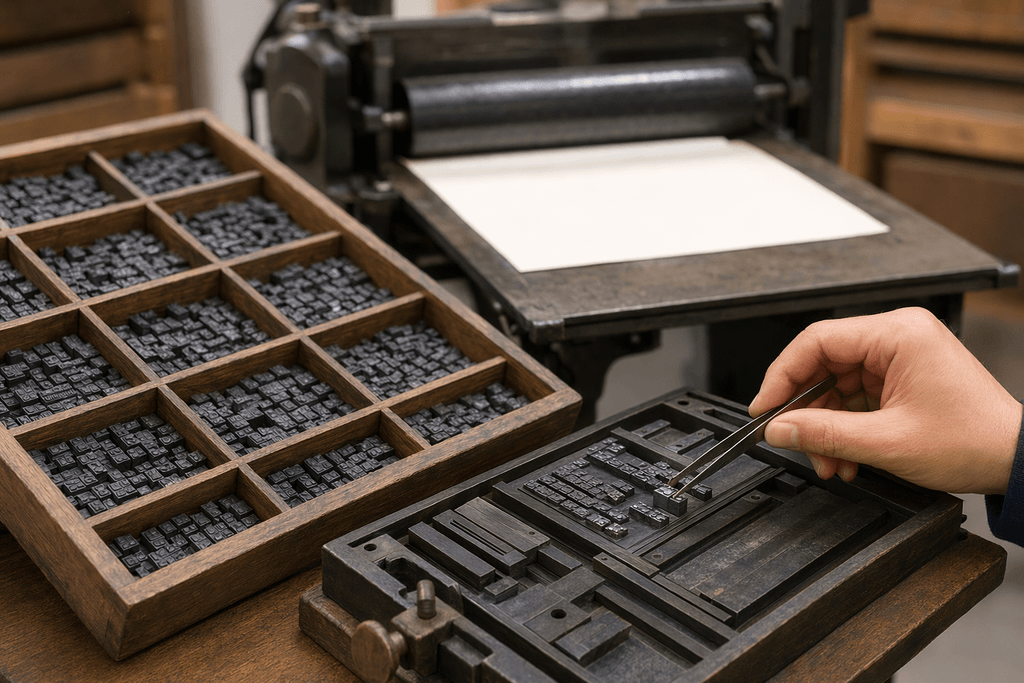
( Base form )
( romanization )
( romanization )
( hiragana historical )
( hiragana )
にわか
mendadak / darurat
にわか
mendadak / darurat
Explanation
mendadak / darurat
にわか
mendadak / dadakan / sementara

Word Forms
The basic and commonly used forms of this adjectival noun.
Basic forms
| Form | Word form | Usage |
|---|---|---|
| Imperfective form (mizenkei) |
Alternative:
俄かだろ
俄だろ
|
Used in forms such as darou. |
| Continuative form (renyokei) |
Alternative:
俄かで
俄で
にわかに
俄かに
俄に
|
Used with de or ni. |
| Conclusive form (shushikei) |
Alternative:
俄かだ
俄だ
|
Ends a sentence with da. |
| Attributive form (rentaikei) |
Alternative:
俄かな
俄な
|
Modifies a noun with na. |
| Conditional form (kateikei) |
Alternative:
俄かなら
俄なら
|
Expresses a condition with nara. |
| Imperative form (meireikei) |
Alternative:
俄かであれ
俄であれ
|
Used in formal expressions such as de are. |
Common forms
| Form | Word form | Usage |
|---|---|---|
| Te-form equivalent |
Alternative:
俄かで
俄で
|
Connects clauses using de. |
| Ta-form |
Alternative:
俄かだった
俄だった
|
Expresses the past with datta. |
| Nai-form |
Alternative:
俄かではない
俄ではない
にわかじゃない
俄かじゃない
俄じゃない
|
Expresses negation with dewa nai or ja nai. |
| Desu-form |
Alternative:
俄かです
俄です
|
Used for polite speech. |
Notes
Loading...

JLPT N2 多言語単語帳・1790語 / JLPT N2 Multilingual Vocabulary: 1790 Words

Jonathan Waller 氏の JLPT Resources の語彙リスト・レベル分類を出典とし、CC BY の条件に従って DiQt が学習者向けに意味を作り直した1790語の単語帳です。JLPT公式の語彙リストではありません。
This collection of 1790 words is based on the vocabulary list and level classifications in Jonathan Waller’s JLPT Resources under CC BY, with meanings rewritten by DiQt for learners. It is not an official JLPT vocabulary list.
Key Operations
Select the first quiz:
Ctrl + Enter
View Explanation:Ctrl + G
Close a feedback:Esc
When selecting a quiz
Answer:Enter
Select a choice:↓ or ↑
Reading out the question:Ctrl + K
View Hint: Ctrl + M
I don't know: Ctrl + Y



