
JLPT N2: Latihan arti kata - Unsolved

Pelajari arti 1790 kata JLPT N2 dalam bahasa Indonesia melalui soal dengan empat pilihan jawaban.
-
pengerahan kemampuan
-
lahan pertanian
-
teks bahasa Inggris
-
bujur
-
kata majemuk kanji / idiom
-
tanda / kehadiran
-
mengering
-
terpantul / terproyeksi
-
condong ke satu sisi / berpihak
- ガ行五段活用。連用形に「て」「た」が付く場合はイ音便で「扇いで」「扇いだ」となる。
-
pasta gigi / penyikatan gigi
-
gerak berdampingan / pelaksanaan bersamaan
-
gaya bahasa tulis
-
menabur benih
-
menimba air
-
bertemu sesuai janji
- 謙譲語。ラ行五段活用。
-
persilangan
-
meteran ukur
-
kenalan
-
menenangkan diri / menetap
-
melipat
-
menyalakan lampu / menyalakan api
-
pencemaran lingkungan
-
samudra
-
pemberitahuan
-
jaga diri baik-baik
-
selamat tinggal
-
terima kasih sudah menunggu
-
daun musim gugur
-
perpindahan kendaraan
-
gerakan / pengoperasian
発売
peluncuran produk
発売
peluncuran produk
Explanation
発売
peluncuran produk
発売
peluncuran produk / perilisan produk / penjualan perdana

( Base form )
( romanization )
( kyūjitai )
( hiragana )
県庁
kantor prefektur
県庁
kantor prefektur
Explanation
県庁
kantor prefektur
県庁
kantor pemerintahan prefektur / kantor administratif prefektur / kantor pusat pemerintah daerah (prefektur)

( Base form )
( romanization )
( romanization )
( hiragana historical )
( hiragana )
扇ぐ
mengipasi
扇ぐ
mengipasi
Explanation
扇ぐ
mengipasi
扇ぐ
mengipas; mengipasi / (ark.) bertiup (tentang angin)

Word Forms
The basic and commonly used forms of this verb.
Basic forms
| Form | Word form | Usage |
|---|---|---|
| Imperfective form (mizenkei) |
Alternative:
扇ご
|
Connects to endings such as nai, reru, and seru. |
| Continuative form (renyokei) | Connects to endings such as masu, tai, and ta. | |
| Conclusive form (shushikei) | Ends a sentence and serves as the dictionary form. | |
| Attributive form (rentaikei) | Modifies a noun. | |
| Conditional form (kateikei) | Combines with ba to express a condition. | |
| Imperative form (meireikei) | Expresses a command or instruction. |
Common forms
| Form | Word form | Usage |
|---|---|---|
| Te-form | Connects clauses with te. | |
| Ta-form | Expresses the past with ta. | |
| Nai-form | Expresses negation with nai. | |
| Masu-form | Used for polite speech. | |
| Ba-form | Expresses a condition with ba. | |
| Volitional form | Expresses intention or invitation. |
Notes
くしゃみ
bersin
くしゃみ
bersin
Explanation
bersin
くしゃみ
bersin / hembusan napas tiba-tiba dari hidung dan mulut

( romanization )
承る
mendengar / menerima
承る
mendengar / menerima
Explanation
承る
mendengar / menerima
承る
menerima (bentuk hormat) / membaca/menelaah (surat/dokumen) (bentuk hormat) / mendengar; diberi tahu (bentuk hormat)

Word Forms
The basic and commonly used forms of this verb.
Basic forms
| Form | Word form | Usage |
|---|---|---|
| Imperfective form (mizenkei) |
Alternative:
承ろ
|
Connects to endings such as nai, reru, and seru. |
| Continuative form (renyokei) | Connects to endings such as masu, tai, and ta. | |
| Conclusive form (shushikei) | Ends a sentence and serves as the dictionary form. | |
| Attributive form (rentaikei) | Modifies a noun. | |
| Conditional form (kateikei) | Combines with ba to express a condition. | |
| Imperative form (meireikei) | Expresses a command or instruction. |
Common forms
| Form | Word form | Usage |
|---|---|---|
| Te-form | Connects clauses with te. | |
| Ta-form | Expresses the past with ta. | |
| Nai-form | Expresses negation with nai. | |
| Masu-form | Used for polite speech. | |
| Ba-form | Expresses a condition with ba. | |
| Volitional form | Expresses intention or invitation. |
Notes
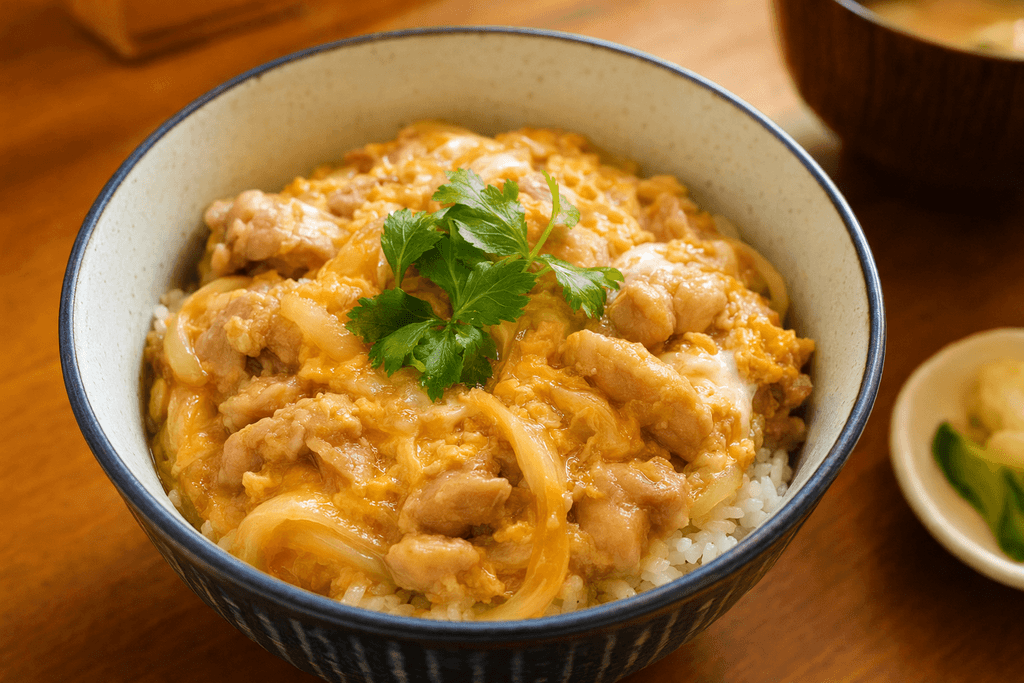
丼
mangkuk besar / nasi dengan lauk di atas
丼
mangkuk besar / nasi dengan lauk di atas
Explanation
丼
mangkuk besar / nasi dengan lauk di atas
丼
donburi; hidangan nasi dalam mangkuk dengan lauk di atasnya / mangkuk besar untuk nasi atau donburi
( romanization )
( hiragana )
心得る
mengetahui / memahami
心得る
mengetahui / memahami
Explanation
心得る
mengetahui / memahami
心得る
memahami; mengerti / menyadari; mengetahui / (sopan) tentu; baik

Word Forms
The basic and commonly used forms of this verb.
Basic forms
| Form | Word form | Usage |
|---|---|---|
| Imperfective form (mizenkei) |
Alternative:
心得よ
|
Connects to endings such as nai, reru, and seru. |
| Continuative form (renyokei) | Connects to endings such as masu, tai, and ta. | |
| Conclusive form (shushikei) | Ends a sentence and serves as the dictionary form. | |
| Attributive form (rentaikei) | Modifies a noun. | |
| Conditional form (kateikei) | Combines with ba to express a condition. | |
| Imperative form (meireikei) |
Alternative:
心得よ
|
Expresses a command or instruction. |
Common forms
苦情
keluhan
苦情
keluhan
Explanation
苦情
keluhan
苦情
keluhan / pengaduan / keberatan

( Base form )
( romanization )
( hiragana )
乾杯
bersulang
乾杯
bersulang
Explanation
乾杯
bersulang
乾杯
Bersulang! / Mari bersulang!

( Base form )
( romanization )
( hiragana )
東洋
dunia Timur
東洋
dunia Timur
Explanation
東洋
dunia Timur
東洋
Dunia Timur (sebagai lawan dari Barat) / Asia, khususnya Asia Timur

( Base form )
( romanization )
( hiragana )
Loading...

JLPT N2 多言語単語帳・1790語 / JLPT N2 Multilingual Vocabulary: 1790 Words

Jonathan Waller 氏の JLPT Resources の語彙リスト・レベル分類を出典とし、CC BY の条件に従って DiQt が学習者向けに意味を作り直した1790語の単語帳です。JLPT公式の語彙リストではありません。
This collection of 1790 words is based on the vocabulary list and level classifications in Jonathan Waller’s JLPT Resources under CC BY, with meanings rewritten by DiQt for learners. It is not an official JLPT vocabulary list.
Key Operations
Select the first quiz:
Ctrl + Enter
View Explanation:Ctrl + G
Close a feedback:Esc
When selecting a quiz
Answer:Enter
Select a choice:↓ or ↑
Reading out the question:Ctrl + K
View Hint: Ctrl + M
I don't know: Ctrl + Y



