
JLPT N2: Latihan arti kata - Unsolved

Pelajari arti 1790 kata JLPT N2 dalam bahasa Indonesia melalui soal dengan empat pilihan jawaban.
-
kedua sisi
-
jadwal
-
keseluruhan / umum
-
takhayul
-
kiprah aktif
-
kemerosotan
-
makin mendalam
-
mendambakan / mengagumi
-
menumpuk / memuat
-
menutupi
-
menangkap / memahami
-
berada setelah
-
kain rombeng / cacat tersembunyi
-
penggantian / pergiliran
-
dendam
-
perombakan
-
gagang telepon
-
sampah
-
langsing / bergaya
-
modern
-
terlalu sederhana / gegabah
- 「四角」は名詞としても用いられるが、ここでは形容動詞(ナ形容詞)としての活用を示す。
-
uang hadiah
-
penukaran uang / wesel
-
sudut jalan
-
pramugari
-
luas bidang
-
perajin
-
asumsi
-
permen karet
-
pejabat pemerintah
項目
poin / entri
項目
poin / entri
Explanation
項目
poin / entri
項目
butir / entri / pos

( Base form )
( romanization )
( romanization )
( hiragana historical )
( hiragana )
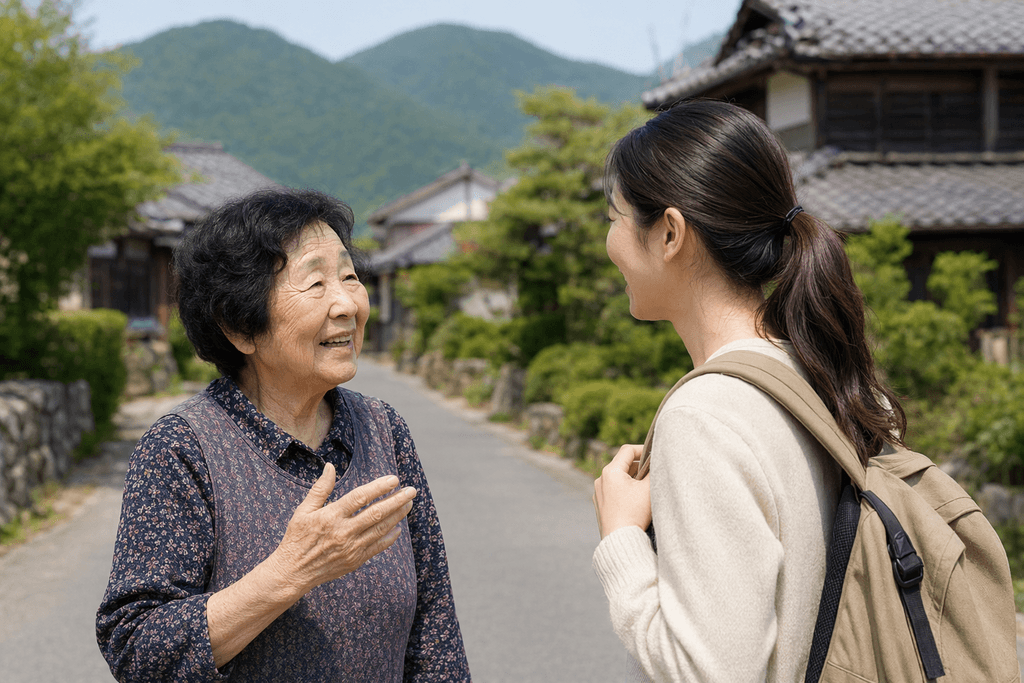
方言
dialek
方言
dialek
Explanation
方言
dialek
方言
dialek / bahasa daerah / kata atau ungkapan khas daerah
( Base form )
( romanization )
( hiragana )
逃がす
membiarkan lolos / melepaskan
逃がす
membiarkan lolos / melepaskan
Explanation
逃がす
membiarkan lolos / melepaskan
逃がす
melepaskan; membebaskan / gagal menangkap; membiarkan lolos; melewatkan

Word Forms
The basic and commonly used forms of this verb.
Basic forms
| Form | Word form | Usage |
|---|---|---|
| Imperfective form (mizenkei) |
Alternative:
逃がそ
|
Connects to endings such as nai, reru, and seru. |
| Continuative form (renyokei) | Connects to endings such as masu, tai, and ta. | |
| Conclusive form (shushikei) | Ends a sentence and serves as the dictionary form. | |
| Attributive form (rentaikei) | Modifies a noun. | |
| Conditional form (kateikei) | Combines with ba to express a condition. | |
| Imperative form (meireikei) | Expresses a command or instruction. |
Common forms
振る舞う
berperilaku / menjamu tamu
振る舞う
berperilaku / menjamu tamu
Explanation
振る舞う
berperilaku / menjamu tamu
振る舞う
bersikap; bertingkah laku / menjamu; menghidangkan (makanan/minuman)

Word Forms
The basic and commonly used forms of this verb.
Basic forms
| Form | Word form | Usage |
|---|---|---|
| Imperfective form (mizenkei) |
Alternative:
振舞わ
|
Connects to endings such as nai, reru, and seru. |
| Continuative form (renyokei) |
Alternative:
振舞い
|
Connects to endings such as masu, tai, and ta. |
| Conclusive form (shushikei) |
Alternative:
振舞う
|
Ends a sentence and serves as the dictionary form. |
| Attributive form (rentaikei) |
Alternative:
振舞う
|
Modifies a noun. |
| Conditional form (kateikei) |
Alternative:
振舞え
|
Combines with ba to express a condition. |
| Imperative form (meireikei) |
Alternative:
振舞え
|
Expresses a command or instruction. |
Common forms
| Form | Word form | Usage |
|---|---|---|
| Te-form |
Alternative:
振舞って
|
Connects clauses with te. |
| Ta-form |
Alternative:
振舞った
|
Expresses the past with ta. |
| Nai-form |
Alternative:
振舞わない
|
Expresses negation with nai. |
| Masu-form |
Alternative:
振舞います
|
Used for polite speech. |
| Ba-form |
Alternative:
振舞えば
|
Expresses a condition with ba. |
| Volitional form |
Alternative:
振舞おう
|
Expresses intention or invitation. |
長方形
persegi panjang
長方形
persegi panjang
Explanation
長方形
persegi panjang
長方形
persegi panjang / segi empat panjang

( Base form )
( romanization )
( hiragana )
つや
kilap
つや
kilap
Explanation
kilap
つや
kilau / kilap / kemilau

( romanization )
( adnominal )
( adverbial )
( kyūjitai )
( hiragana )
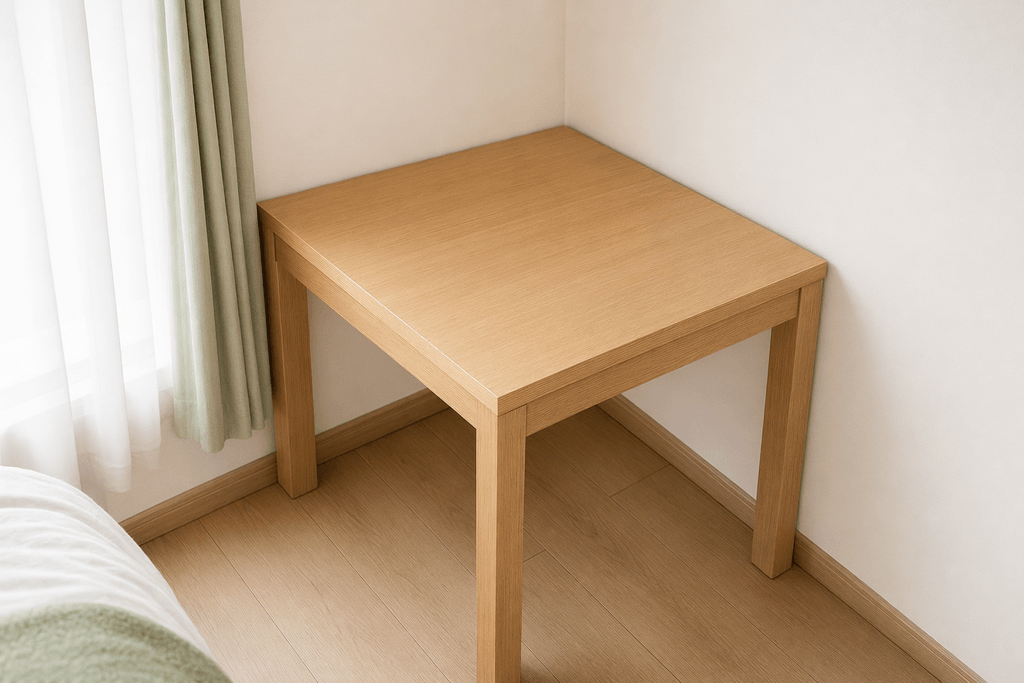
四角
segi empat
四角
segi empat
Explanation
四角
segi empat
四角
segi empat / persegi / persegi panjang
Word Forms
The basic and commonly used forms of this adjectival noun.
Basic forms
| Form | Word form | Usage |
|---|---|---|
| Imperfective form (mizenkei) | Used in forms such as darou. | |
| Continuative form (renyokei) |
Alternative:
四角に
|
Used with de or ni. |
| Conclusive form (shushikei) | Ends a sentence with da. | |
| Attributive form (rentaikei) | Modifies a noun with na. | |
| Conditional form (kateikei) | Expresses a condition with nara. | |
| Imperative form (meireikei) | Used in formal expressions such as de are. |
Common forms
| Form | Word form | Usage |
|---|---|---|
| Te-form equivalent | Connects clauses using de. | |
| Ta-form | Expresses the past with datta. | |
| Nai-form |
Alternative:
四角じゃない
|
Expresses negation with dewa nai or ja nai. |
| Desu-form | Used for polite speech. |
Notes
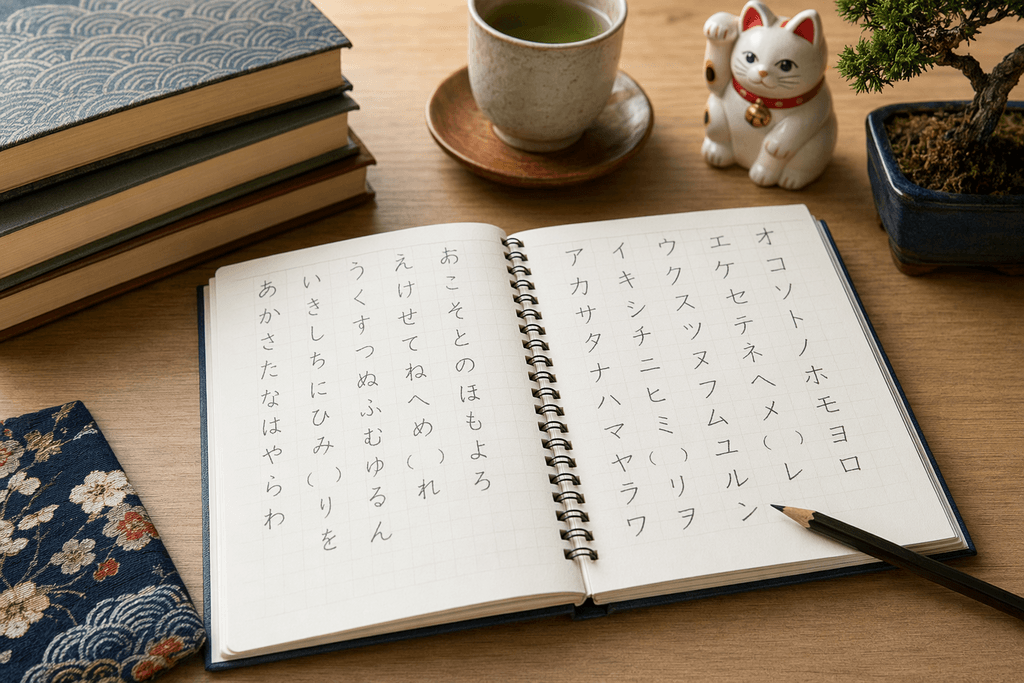
片仮名
katakana
片仮名
katakana
Explanation
片仮名
katakana
片仮名
katakana; salah satu aksara silabis Jepang / aksara Jepang yang terutama dipakai untuk kata serapan dan penekanan / sistem penulisan yang berasal dari komponen kanji, melengkapi hiragana
( Base form )
( kyūjitai )
( hiragana )
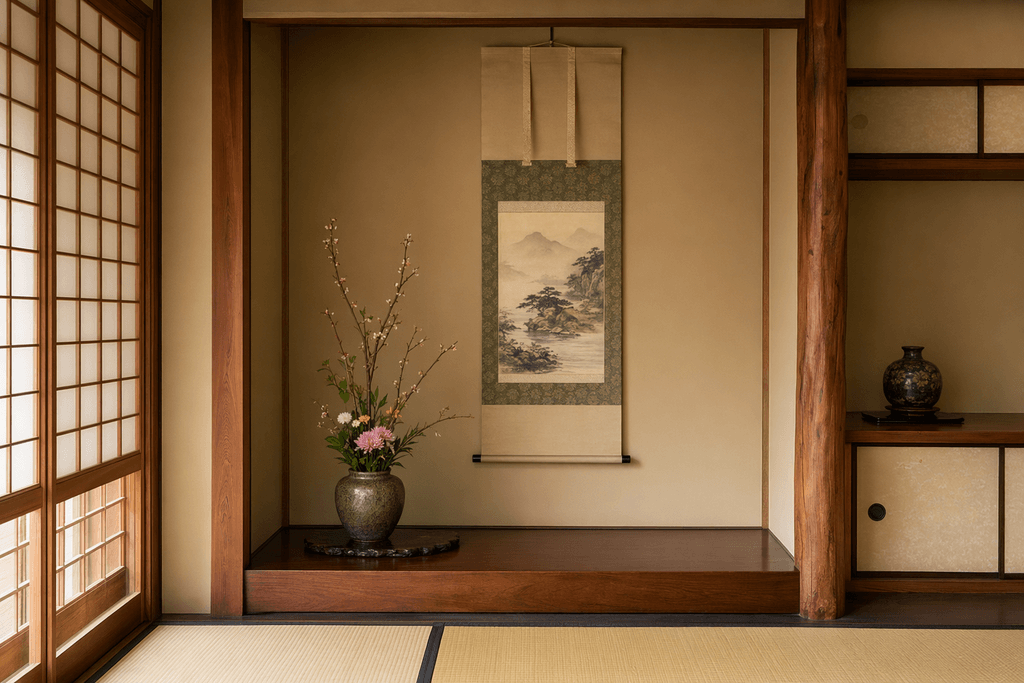
床の間
ceruk hias
床の間
ceruk hias
Explanation
床の間
ceruk hias
床の間
ceruk dekoratif di rumah tradisional Jepang untuk memajang karya seni atau bunga / relung di ruang tatami (washitsu) tempat menata gulungan, kaligrafi, atau ikebana
( Base form )
( romanization )
( hiragana )
伝染
penularan
伝染
penularan
Explanation
伝染
penularan
伝染
penularan / infeksi / penyebaran penyakit

( Base form )
( romanization )
( kyūjitai )
( hiragana )
Loading...

JLPT N2 多言語単語帳・1790語 / JLPT N2 Multilingual Vocabulary: 1790 Words

Jonathan Waller 氏の JLPT Resources の語彙リスト・レベル分類を出典とし、CC BY の条件に従って DiQt が学習者向けに意味を作り直した1790語の単語帳です。JLPT公式の語彙リストではありません。
This collection of 1790 words is based on the vocabulary list and level classifications in Jonathan Waller’s JLPT Resources under CC BY, with meanings rewritten by DiQt for learners. It is not an official JLPT vocabulary list.
Key Operations
Select the first quiz:
Ctrl + Enter
View Explanation:Ctrl + G
Close a feedback:Esc
When selecting a quiz
Answer:Enter
Select a choice:↓ or ↑
Reading out the question:Ctrl + K
View Hint: Ctrl + M
I don't know: Ctrl + Y



