
JLPT N2: Latihan arti kata - Unsolved

Pelajari arti 1790 kata JLPT N2 dalam bahasa Indonesia melalui soal dengan empat pilihan jawaban.
-
kenaikan dan penurunan
-
sandal tradisional
-
kondisi geologi
-
irisan ikan mentah
-
memaksa / mendesak
-
proses
-
gedung
-
halangan
-
masing-masing orang
-
jelas dan tegas
-
secara mencolok
-
pada dasarnya / semula
-
menyusuri ke hulu / menelusuri masa lalu
-
bersandar / terasa berat di perut
-
tahu / berpikir
-
pembantu rumah tangga
-
lonceng kecil
-
kedai
-
diameter
-
sudut siku-siku
-
maaf / penolakan
-
condong ke satu sisi / berpihak
-
menendang
-
memasang / mengenakan
-
skor
-
perdagangan
-
wol
-
memijat / meremas
-
menangkap
-
mengubur / mengisi
- 表記ゆれ: 嚇かす・威かす。
- 読み: おどかす。
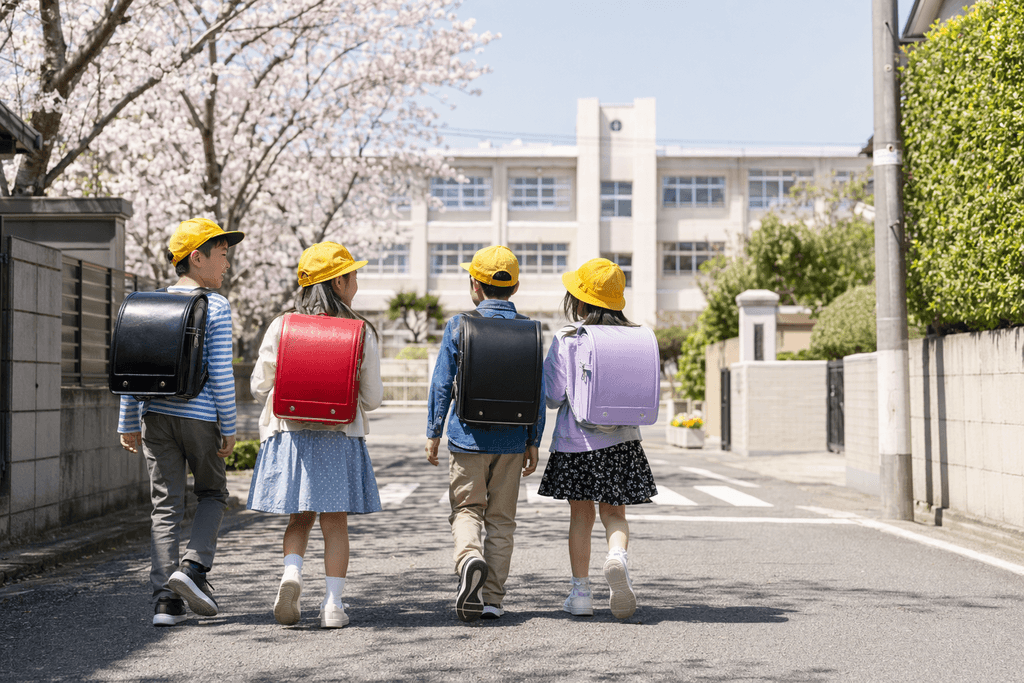
小学生
murid sekolah dasar
小学生
murid sekolah dasar
Explanation
小学生
murid sekolah dasar
小学生
siswa sekolah dasar / murid SD / anak sekolah dasar
( Base form )
( romanization )
( romanization )
( hiragana historical )
( hiragana )
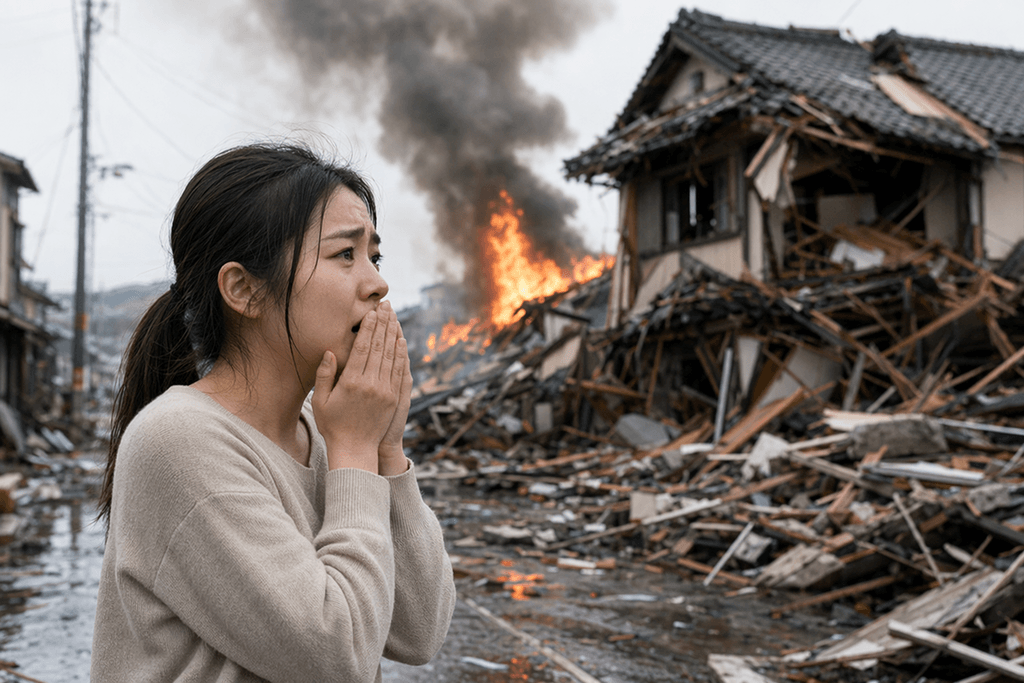
災難
kemalangan / bencana
災難
kemalangan / bencana
Explanation
災難
kemalangan / bencana
災難
bencana / malapetaka / musibah
( Base form )
( romanization )
( hiragana )
ぼろ
kain rombeng / cacat tersembunyi
ぼろ
kain rombeng / cacat tersembunyi
Explanation
kain rombeng / cacat tersembunyi
ぼろ
kain perca / pakaian lusuh / kelemahan tersembunyi

( Base form )
( Base form )
( romanization )
比較的
relatif
比較的
relatif
Explanation
比較的
relatif
比較的
relatif / secara relatif / secara komparatif

( Base form )
( romanization )
( hiragana )
教わる
diajar
教わる
diajar
Explanation
教わる
diajar
教わる
diajar / diajari / belajar dari (seseorang)

Word Forms
The basic and commonly used forms of this verb.
Basic forms
| Form | Word form | Usage |
|---|---|---|
| Imperfective form (mizenkei) |
Alternative:
教わろ
|
Connects to endings such as nai, reru, and seru. |
| Continuative form (renyokei) | Connects to endings such as masu, tai, and ta. | |
| Conclusive form (shushikei) | Ends a sentence and serves as the dictionary form. | |
| Attributive form (rentaikei) | Modifies a noun. | |
| Conditional form (kateikei) | Combines with ba to express a condition. | |
| Imperative form (meireikei) | Expresses a command or instruction. |
Common forms
中身
isi
中身
isi
Explanation
中身
isi
中身
isi / substansi (ucapan, dll.) / bagian dalam

( Base form )
( romanization )
( hiragana )
持参
membawa serta
持参
membawa serta
Explanation
持参
membawa serta
持参
membawa (sesuatu) sendiri / membawa serta

( Base form )
( romanization )
( romanization )
( stem )
( Past )
( hiragana historical )
( table-tags )
( inflection-template )
( imperfective stem )
( imperfective stem )
( imperfective )
( continuative stem )
( continuative stem )
( continuative )
( stem terminative )
( stem terminative )
( terminative )
( attributive stem )
( attributive stem )
( attributive )
( hypothetical stem )
( hypothetical stem )
( hypothetical )
( Imperative literary stem )
( colloquial Imperative stem )
( Imperative literary stem )
( colloquial Imperative stem )
( Imperative literary )
( colloquial Imperative )
( Passive voice )
( Passive voice )
( Passive voice )
( causative )
( causative )
( causative )
( causative )
( causative )
( causative )
( potential )
( potential )
( potential )
( volitional )
( volitional )
( volitional )
( negative )
( negative )
( negative )
( continuative negative )
( continuative negative )
( continuative negative )
( formal )
( formal )
( formal )
( perfective )
( perfective )
( perfective )
( conjunctive )
( conjunctive )
( conjunctive )
( Conditional hypothetical )
( Conditional hypothetical )
( Conditional hypothetical )
冷ます
mendinginkan
冷ます
mendinginkan
Explanation
冷ます
mendinginkan
冷ます
mendinginkan / menurunkan suhu / membiarkan menjadi dingin

Word Forms
The basic and commonly used forms of this verb.
Basic forms
| Form | Word form | Usage |
|---|---|---|
| Imperfective form (mizenkei) |
Alternative:
冷まそ
|
Connects to endings such as nai, reru, and seru. |
| Continuative form (renyokei) | Connects to endings such as masu, tai, and ta. | |
| Conclusive form (shushikei) | Ends a sentence and serves as the dictionary form. | |
| Attributive form (rentaikei) | Modifies a noun. | |
| Conditional form (kateikei) | Combines with ba to express a condition. | |
| Imperative form (meireikei) | Expresses a command or instruction. |
Common forms
領収
penerimaan pembayaran
領収
penerimaan pembayaran
Explanation
領収
penerimaan pembayaran
領収
penerimaan uang / penerimaan pembayaran

( Base form )
( romanization )
( stem )
( Past )
( table-tags )
( inflection-template )
( imperfective stem )
( imperfective stem )
( imperfective )
( continuative stem )
( continuative stem )
( continuative )
( stem terminative )
( stem terminative )
( terminative )
( attributive stem )
( attributive stem )
( attributive )
( hypothetical stem )
( hypothetical stem )
( hypothetical )
( Imperative literary stem )
( colloquial Imperative stem )
( Imperative literary stem )
( colloquial Imperative stem )
( Imperative literary )
( colloquial Imperative )
( Passive voice )
( Passive voice )
( Passive voice )
( causative )
( causative )
( causative )
( causative )
( causative )
( causative )
( potential )
( potential )
( potential )
( volitional )
( volitional )
( volitional )
( negative )
( negative )
( negative )
( continuative negative )
( continuative negative )
( continuative negative )
( formal )
( formal )
( formal )
( perfective )
( perfective )
( perfective )
( conjunctive )
( conjunctive )
( conjunctive )
( Conditional hypothetical )
( Conditional hypothetical )
( Conditional hypothetical )
脅かす
mengancam / menakuti
脅かす
mengancam / menakuti
Explanation
脅かす
mengancam / menakuti
脅かす
mengancam / mengintimidasi / menakut-nakuti

Word Forms
The basic and commonly used forms of this verb.
Basic forms
| Form | Word form | Usage |
|---|---|---|
| Imperfective form (mizenkei) |
Alternative:
脅かそ
|
Connects to endings such as nai, reru, and seru. |
| Continuative form (renyokei) | Connects to endings such as masu, tai, and ta. | |
| Conclusive form (shushikei) | Ends a sentence and serves as the dictionary form. | |
| Attributive form (rentaikei) | Modifies a noun. | |
| Conditional form (kateikei) | Combines with ba to express a condition. | |
| Imperative form (meireikei) | Expresses a command or instruction. |
Common forms
| Form | Word form | Usage |
|---|---|---|
| Te-form | Connects clauses with te. | |
| Ta-form | Expresses the past with ta. | |
| Nai-form | Expresses negation with nai. | |
| Masu-form | Used for polite speech. | |
| Ba-form | Expresses a condition with ba. | |
| Volitional form | Expresses intention or invitation. |
Notes
Loading...

JLPT N2 多言語単語帳・1790語 / JLPT N2 Multilingual Vocabulary: 1790 Words

Jonathan Waller 氏の JLPT Resources の語彙リスト・レベル分類を出典とし、CC BY の条件に従って DiQt が学習者向けに意味を作り直した1790語の単語帳です。JLPT公式の語彙リストではありません。
This collection of 1790 words is based on the vocabulary list and level classifications in Jonathan Waller’s JLPT Resources under CC BY, with meanings rewritten by DiQt for learners. It is not an official JLPT vocabulary list.
Key Operations
Select the first quiz:
Ctrl + Enter
View Explanation:Ctrl + G
Close a feedback:Esc
When selecting a quiz
Answer:Enter
Select a choice:↓ or ↑
Reading out the question:Ctrl + K
View Hint: Ctrl + M
I don't know: Ctrl + Y



