
JLPT N2: Latihan arti kata - Unsolved

Pelajari arti 1790 kata JLPT N2 dalam bahasa Indonesia melalui soal dengan empat pilihan jawaban.
-
percaya / memercayai
-
mengalami kemalangan
-
menitipkan pesan
-
pagar tanaman
-
arus listrik
-
satu kali menyeluruh / secara garis besar
-
menerobos masuk / menjejalkan
-
menerapkan / mencocokkan
-
memanjakan
- 「延ばす」はサ行五段活用の他動詞。
-
selang waktu / jarak
-
dalih
-
sekolah
-
gugusan pulau memanjang
-
ayah dan ibu
-
kemalangan / bencana
-
ketidakberpihakan
-
pengaturan
-
tahun ajaran / tingkat kelas
-
kemalangan / bencana
-
menyegarkan
-
seni pertunjukan
-
bangun geometri
-
penjelasan / ulasan
-
tanda terima / penerimaan
-
menjadi kebas
-
memanjakan
-
memeriksa secara medis
- 「蒸す(むす)」はサ行五段活用の動詞。
- 「蒸す(蒸し暑い・むっとする)」の自動詞用法と、「食材を蒸す」の他動詞用法で活用は同じ。
-
ketat / saksama
-
tegas
-
ceria
憎む
membenci
憎む
membenci
Explanation
憎む
membenci
憎む
membenci / menaruh kebencian / merasa jijik terhadap

Word Forms
The basic and commonly used forms of this verb.
Basic forms
| Form | Word form | Usage |
|---|---|---|
| Imperfective form (mizenkei) |
Alternative:
憎も
|
Connects to endings such as nai, reru, and seru. |
| Continuative form (renyokei) | Connects to endings such as masu, tai, and ta. | |
| Conclusive form (shushikei) | Ends a sentence and serves as the dictionary form. | |
| Attributive form (rentaikei) | Modifies a noun. | |
| Conditional form (kateikei) | Combines with ba to express a condition. | |
| Imperative form (meireikei) | Expresses a command or instruction. |
Common forms
コレクション
koleksi
コレクション
koleksi
Explanation
koleksi
コレクション
koleksi / kumpulan barang sejenis / koleksi mode

( romanization )
延ばす
memperpanjang / menunda
延ばす
memperpanjang / menunda
Explanation
延ばす
memperpanjang / menunda
延ばす
memperpanjang/merentangkan/membentangkan / menunda / menipiskan/mengencerkan

Word Forms
The basic and commonly used forms of this verb.
Basic forms
| Form | Word form | Usage |
|---|---|---|
| Imperfective form (mizenkei) |
Alternative:
延ばそ
|
Connects to endings such as nai, reru, and seru. |
| Continuative form (renyokei) | Connects to endings such as masu, tai, and ta. | |
| Conclusive form (shushikei) | Ends a sentence and serves as the dictionary form. | |
| Attributive form (rentaikei) | Modifies a noun. | |
| Conditional form (kateikei) | Combines with ba to express a condition. | |
| Imperative form (meireikei) | Expresses a command or instruction. |
Common forms
| Form | Word form | Usage |
|---|---|---|
| Te-form | Connects clauses with te. | |
| Ta-form | Expresses the past with ta. | |
| Nai-form | Expresses negation with nai. | |
| Masu-form | Used for polite speech. | |
| Ba-form | Expresses a condition with ba. | |
| Volitional form | Expresses intention or invitation. |
Notes
一斉
keserentakan
一斉
keserentakan
Explanation
一斉
keserentakan
一斉
serentak / serempak / bersamaan

( Base form )
( romanization )
( hiragana )
俳句
puisi haiku
俳句
puisi haiku
Explanation
俳句
puisi haiku
俳句
puisi pendek tradisional Jepang berpola 5–7–5 (17 suku bunyi) / bentuk puisi yang merangkum momen atau alam secara padat

( Base form )
( romanization )
( hiragana )
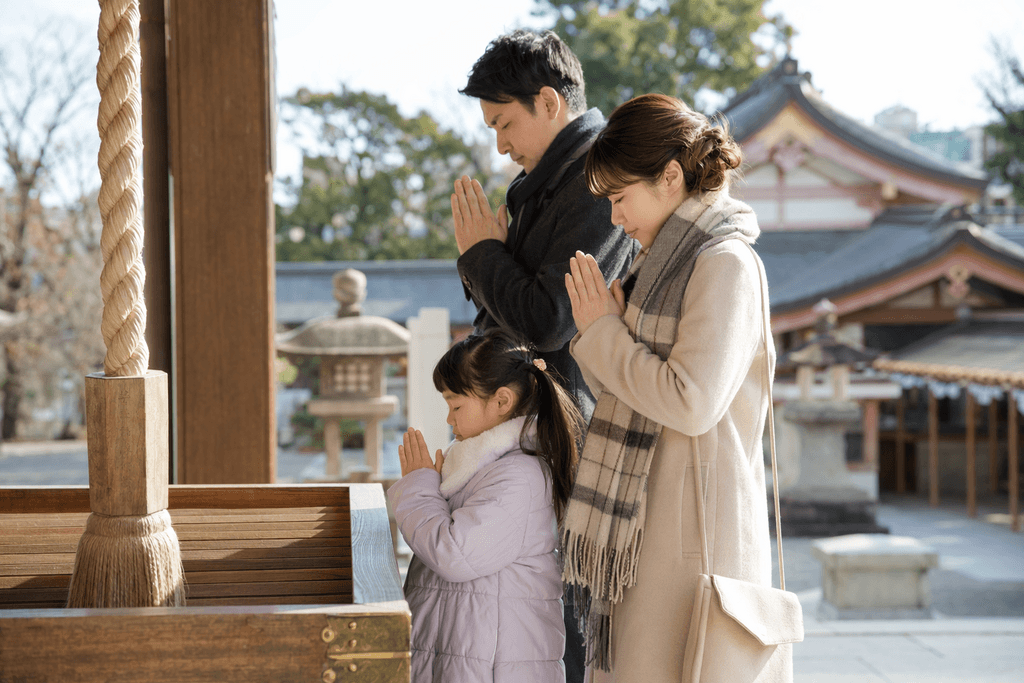
お参り
kunjungan ke kuil
お参り
kunjungan ke kuil
Explanation
お参り
kunjungan ke kuil
お参り
ziarah (ke kuil, makam, dsb.) / kunjungan ke tempat suci untuk berdoa / kunjungan ke kuil atau candi, atau makam
( Base form )
( romanization )
吐き気
mual
吐き気
mual
Explanation
吐き気
mual
吐き気
mual / rasa ingin muntah / rasa muak atau jijik (terhadap seseorang)

( Base form )
( romanization )
( hiragana )
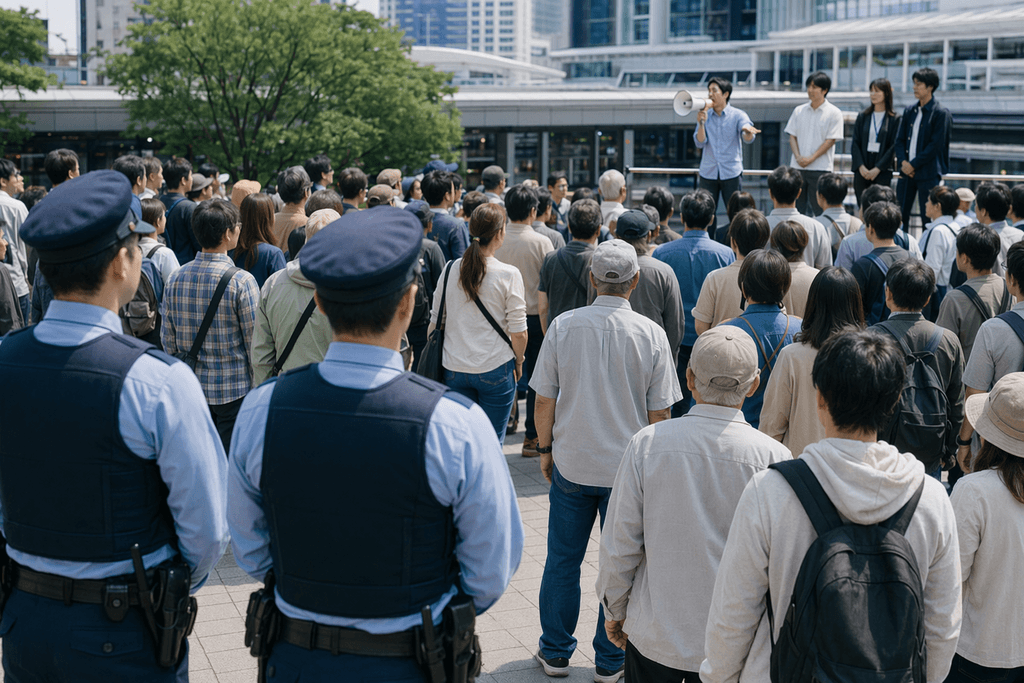
集会
pertemuan
集会
pertemuan
Explanation
集会
pertemuan
集会
pertemuan / rapat / perkumpulan
( Base form )
( romanization )
( romanization )
( stem )
( Past )
( hiragana historical )
( table-tags )
( inflection-template )
( imperfective stem )
( imperfective stem )
( imperfective )
( continuative stem )
( continuative stem )
( continuative )
( stem terminative )
( stem terminative )
( terminative )
( attributive stem )
( attributive stem )
( attributive )
( hypothetical stem )
( hypothetical stem )
( hypothetical )
( Imperative literary stem )
( colloquial Imperative stem )
( Imperative literary stem )
( colloquial Imperative stem )
( Imperative literary )
( colloquial Imperative )
( Passive voice )
( Passive voice )
( Passive voice )
( causative )
( causative )
( causative )
( causative )
( causative )
( causative )
( potential )
( potential )
( potential )
( volitional )
( volitional )
( volitional )
( negative )
( negative )
( negative )
( continuative negative )
( continuative negative )
( continuative negative )
( formal )
( formal )
( formal )
( perfective )
( perfective )
( perfective )
( conjunctive )
( conjunctive )
( conjunctive )
( Conditional hypothetical )
( Conditional hypothetical )
( Conditional hypothetical )
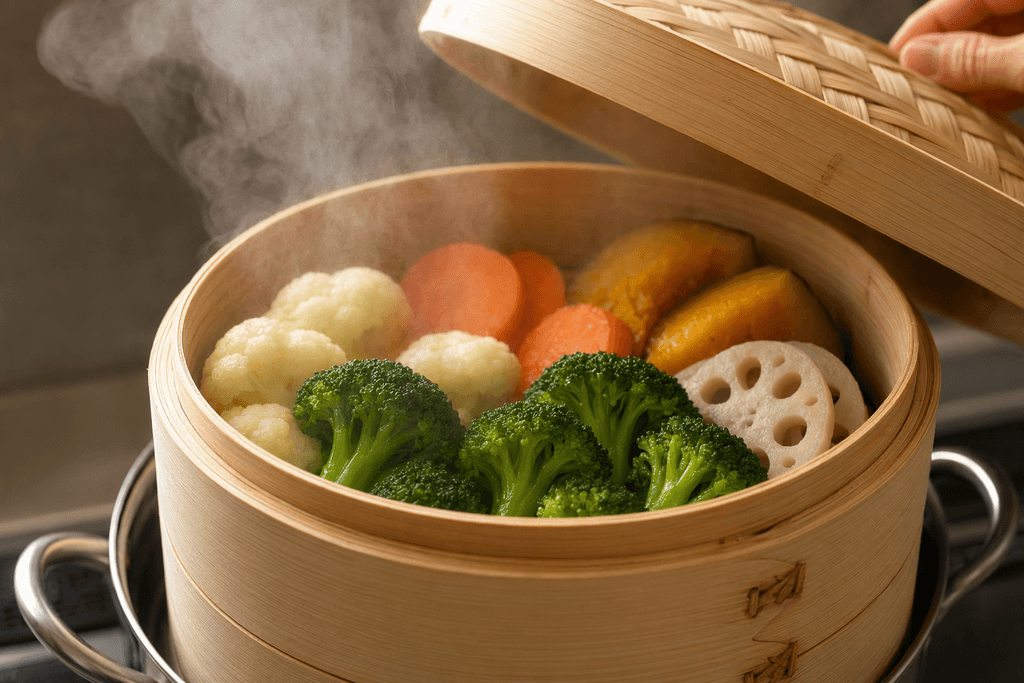
蒸す
mengukus / terasa pengap
蒸す
mengukus / terasa pengap
Explanation
蒸す
mengukus / terasa pengap
蒸す
mengukus / memanaskan dengan uap / gerah; panas lembap
Word Forms
The basic and commonly used forms of this verb.
Basic forms
| Form | Word form | Usage |
|---|---|---|
| Imperfective form (mizenkei) |
Alternative:
蒸そ
|
Connects to endings such as nai, reru, and seru. |
| Continuative form (renyokei) | Connects to endings such as masu, tai, and ta. | |
| Conclusive form (shushikei) | Ends a sentence and serves as the dictionary form. | |
| Attributive form (rentaikei) | Modifies a noun. | |
| Conditional form (kateikei) | Combines with ba to express a condition. | |
| Imperative form (meireikei) | Expresses a command or instruction. |
Common forms
| Form | Word form | Usage |
|---|---|---|
| Te-form | Connects clauses with te. | |
| Ta-form | Expresses the past with ta. | |
| Nai-form | Expresses negation with nai. | |
| Masu-form | Used for polite speech. | |
| Ba-form | Expresses a condition with ba. | |
| Volitional form | Expresses intention or invitation. |
Notes
真っ黒
hitam pekat
真っ黒
hitam pekat
Explanation
真っ黒
hitam pekat
真っ黒
hitam pekat / hitam legam / menghitam karena terbakar matahari atau kotor

Word Forms
The basic and commonly used forms of this adjectival noun.
Basic forms
| Form | Word form | Usage |
|---|---|---|
| Imperfective form (mizenkei) | Used in forms such as darou. | |
| Continuative form (renyokei) |
Alternative:
真っ黒に
|
Used with de or ni. |
| Conclusive form (shushikei) | Ends a sentence with da. | |
| Attributive form (rentaikei) | Modifies a noun with na. | |
| Conditional form (kateikei) |
Alternative:
真っ黒であれば
|
Expresses a condition with nara. |
| Imperative form (meireikei) | Used in formal expressions such as de are. |
Common forms
Loading...

JLPT N2 多言語単語帳・1790語 / JLPT N2 Multilingual Vocabulary: 1790 Words

Jonathan Waller 氏の JLPT Resources の語彙リスト・レベル分類を出典とし、CC BY の条件に従って DiQt が学習者向けに意味を作り直した1790語の単語帳です。JLPT公式の語彙リストではありません。
This collection of 1790 words is based on the vocabulary list and level classifications in Jonathan Waller’s JLPT Resources under CC BY, with meanings rewritten by DiQt for learners. It is not an official JLPT vocabulary list.
Key Operations
Select the first quiz:
Ctrl + Enter
View Explanation:Ctrl + G
Close a feedback:Esc
When selecting a quiz
Answer:Enter
Select a choice:↓ or ↑
Reading out the question:Ctrl + K
View Hint: Ctrl + M
I don't know: Ctrl + Y



