
JLPT N2: Latihan arti kata - Unsolved

Pelajari arti 1790 kata JLPT N2 dalam bahasa Indonesia melalui soal dengan empat pilihan jawaban.
-
kenetralan / gender netral
-
nama keluarga
-
bagian depan / tepat di depan
-
nilai sempurna
-
pertandingan / menang dan kalah
-
rasa sangat terharu
-
merevisi / memperbaiki
-
bertabrakan
-
merangkap jabatan / tidak dapat
-
membakar
-
terkumpul / terselesaikan
-
memancar / timbul
-
hadir lengkap / seragam
-
bersikap angkuh
-
berguguran / berpencar
- 「遡る(さかのぼる)」は五段活用(ラ行)。表記ゆれとして「溯る」「逆上る」がある。
-
celah gunung / titik kritis
-
dua tahun lalu
-
karat
-
menyelam / masuk bawah tanah
-
menitipkan pesan
-
menutupi kekurangan
-
pelajaran IPA
-
penunjukan / penetapan
-
penggunaan luas
-
berlaku / sesuai
-
mengalahkan / menyelesaikan
-
tertancap
-
mengendus
-
meminta / memohon
-
menyingkir
末っ子
anak bungsu
末っ子
anak bungsu
Explanation
末っ子
anak bungsu
末っ子
anak bungsu / anak termuda dalam keluarga / si bungsu

( Base form )
( romanization )
( hiragana )
工芸
kerajinan
工芸
kerajinan
Explanation
工芸
kerajinan
工芸
kerajinan tangan / seni terapan / kriya
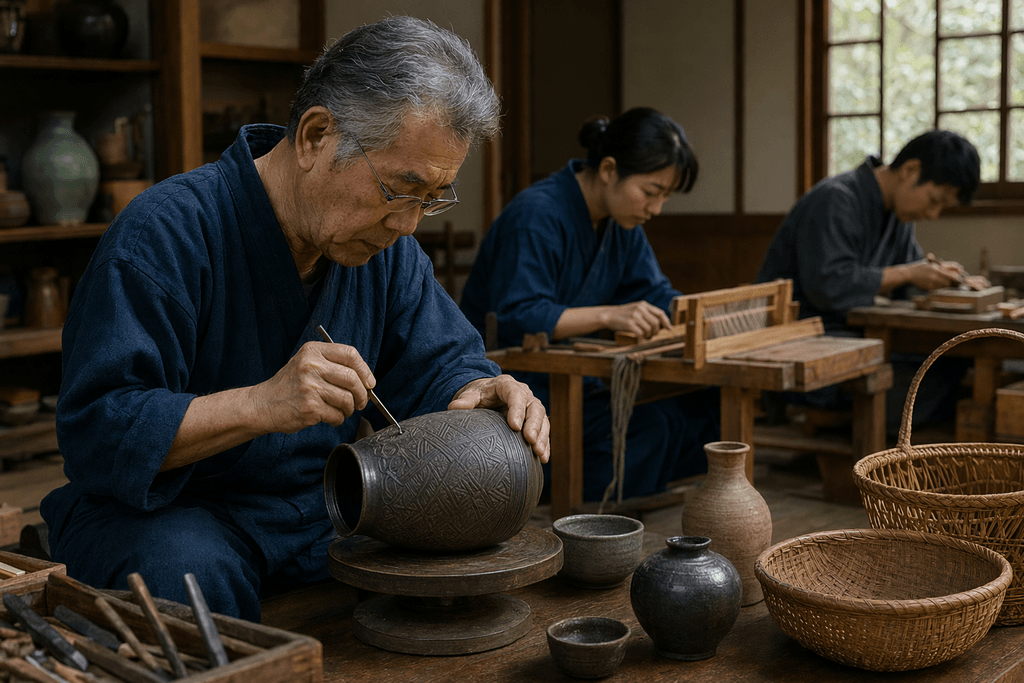
Di daerah ini, kerajinan telah berkembang sejak dulu, dan para pengrajin, sambil menjaga teknik tradisional, juga menantang diri untuk mencoba desain baru.
( Base form )
( romanization )
( kyūjitai )
( hiragana )
片付く
menjadi rapi / terselesaikan
片付く
menjadi rapi / terselesaikan
Explanation
片付く
menjadi rapi / terselesaikan
片付く
menjadi rapi/tertata / beres/selesai (urusan/pekerjaan) / terselesaikan/terpecahkan (masalah)

Word Forms
The basic and commonly used forms of this verb.
Basic forms
| Form | Word form | Usage |
|---|---|---|
| Imperfective form (mizenkei) |
Alternative:
片付こ
|
Connects to endings such as nai, reru, and seru. |
| Continuative form (renyokei) |
Alternative:
片付い
|
Connects to endings such as masu, tai, and ta. |
| Conclusive form (shushikei) | Ends a sentence and serves as the dictionary form. | |
| Attributive form (rentaikei) | Modifies a noun. | |
| Conditional form (kateikei) | Combines with ba to express a condition. | |
| Imperative form (meireikei) | Expresses a command or instruction. |
Common forms
殴る
memukul
殴る
memukul
Explanation
殴る
memukul
殴る
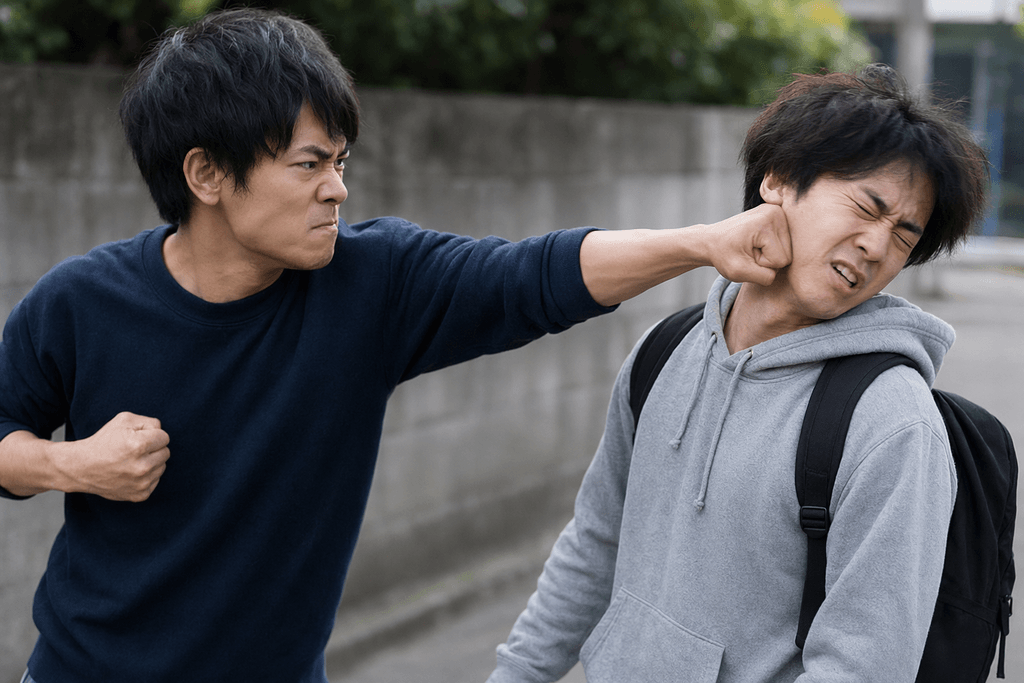
memukul / menghantam / menyerang (dengan pukulan)
Word Forms
The basic and commonly used forms of this verb.
Basic forms
| Form | Word form | Usage |
|---|---|---|
| Imperfective form (mizenkei) |
Alternative:
殴ろ
|
Connects to endings such as nai, reru, and seru. |
| Continuative form (renyokei) | Connects to endings such as masu, tai, and ta. | |
| Conclusive form (shushikei) | Ends a sentence and serves as the dictionary form. | |
| Attributive form (rentaikei) | Modifies a noun. | |
| Conditional form (kateikei) | Combines with ba to express a condition. | |
| Imperative form (meireikei) | Expresses a command or instruction. |
Common forms
遡る
menyusuri ke hulu / menelusuri masa lalu
遡る
menyusuri ke hulu / menelusuri masa lalu
Explanation
遡る
menyusuri ke hulu / menelusuri masa lalu
遡る
menelusuri kembali ke masa lalu / berawal sejak / naik ke hulu; bergerak melawan arus air

Word Forms
The basic and commonly used forms of this verb.
Basic forms
| Form | Word form | Usage |
|---|---|---|
| Imperfective form (mizenkei) |
Alternative:
溯ら
逆上ら
|
Connects to endings such as nai, reru, and seru. |
| Continuative form (renyokei) |
Alternative:
溯り
逆上り
|
Connects to endings such as masu, tai, and ta. |
| Conclusive form (shushikei) |
Alternative:
溯る
逆上る
|
Ends a sentence and serves as the dictionary form. |
| Attributive form (rentaikei) |
Alternative:
溯る
逆上る
|
Modifies a noun. |
| Conditional form (kateikei) |
Alternative:
溯れ
逆上れ
|
Combines with ba to express a condition. |
| Imperative form (meireikei) |
Alternative:
溯れ
逆上れ
|
Expresses a command or instruction. |
Common forms
| Form | Word form | Usage |
|---|---|---|
| Te-form |
Alternative:
溯って
逆上って
|
Connects clauses with te. |
| Ta-form |
Alternative:
溯った
逆上った
|
Expresses the past with ta. |
| Nai-form |
Alternative:
溯らない
逆上らない
|
Expresses negation with nai. |
| Masu-form |
Alternative:
溯ります
逆上ります
|
Used for polite speech. |
| Ba-form |
Alternative:
溯れば
逆上れば
|
Expresses a condition with ba. |
| Volitional form |
Alternative:
溯ろう
逆上ろう
|
Expresses intention or invitation. |
Notes
そろばん
sempoa
そろばん
sempoa
Explanation
sempoa
そろばん
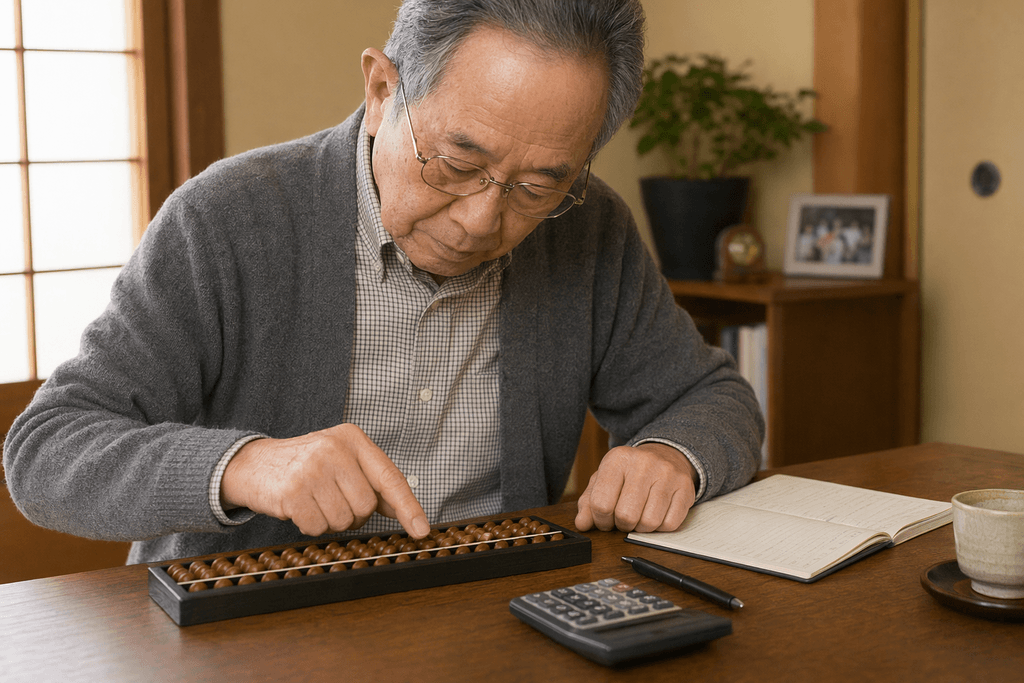
sempoa / alat hitung tradisional Jepang / kisi perhitungan dalam matematika tradisional Jepang
( Base form )
( romanization )
( hiragana historical )
( hiragana )
響く
bergema
響く
bergema
Explanation
響く
bergema
響く
bergema / bergaung / mengena di hati

Word Forms
The basic and commonly used forms of this verb.
Basic forms
| Form | Word form | Usage |
|---|---|---|
| Imperfective form (mizenkei) |
Alternative:
響こ
|
Connects to endings such as nai, reru, and seru. |
| Continuative form (renyokei) | Connects to endings such as masu, tai, and ta. | |
| Conclusive form (shushikei) | Ends a sentence and serves as the dictionary form. | |
| Attributive form (rentaikei) | Modifies a noun. | |
| Conditional form (kateikei) | Combines with ba to express a condition. | |
| Imperative form (meireikei) | Expresses a command or instruction. |
Common forms
じゅうたん
karpet
じゅうたん
karpet
Explanation
karpet
じゅうたん
karpet / permadani

( romanization )
崩す
merobohkan / menukar uang kecil
崩す
merobohkan / menukar uang kecil
Explanation
崩す
merobohkan / menukar uang kecil
崩す
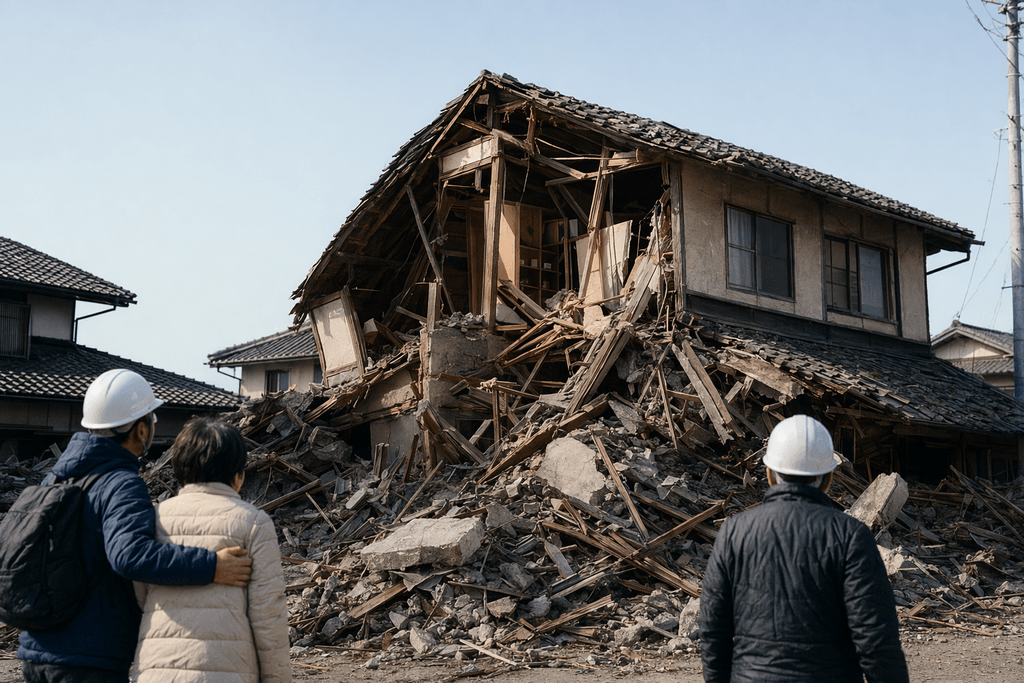
menghancurkan atau meruntuhkan / mengubah atau merusak postur tegak / memecah uang menjadi pecahan kecil
Word Forms
The basic and commonly used forms of this verb.
Basic forms
| Form | Word form | Usage |
|---|---|---|
| Imperfective form (mizenkei) |
Alternative:
崩そ
|
Connects to endings such as nai, reru, and seru. |
| Continuative form (renyokei) | Connects to endings such as masu, tai, and ta. | |
| Conclusive form (shushikei) | Ends a sentence and serves as the dictionary form. | |
| Attributive form (rentaikei) | Modifies a noun. | |
| Conditional form (kateikei) | Combines with ba to express a condition. | |
| Imperative form (meireikei) | Expresses a command or instruction. |
Common forms
担ぐ
memikul di bahu
担ぐ
memikul di bahu
Explanation
担ぐ
memikul di bahu
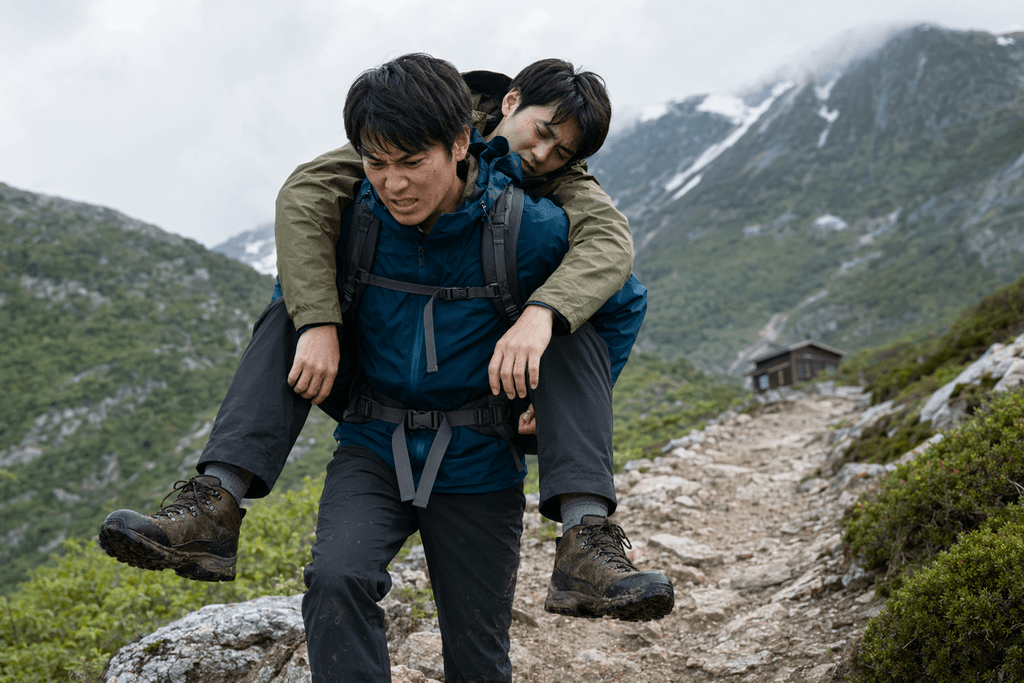
担ぐ
memikul di bahu / mengusung / menipu
Word Forms
The basic and commonly used forms of this verb.
Basic forms
| Form | Word form | Usage |
|---|---|---|
| Imperfective form (mizenkei) |
Alternative:
担ご
|
Connects to endings such as nai, reru, and seru. |
| Continuative form (renyokei) | Connects to endings such as masu, tai, and ta. | |
| Conclusive form (shushikei) | Ends a sentence and serves as the dictionary form. | |
| Attributive form (rentaikei) | Modifies a noun. | |
| Conditional form (kateikei) | Combines with ba to express a condition. | |
| Imperative form (meireikei) | Expresses a command or instruction. |
Common forms
Loading...

JLPT N2 多言語単語帳・1790語 / JLPT N2 Multilingual Vocabulary: 1790 Words

Jonathan Waller 氏の JLPT Resources の語彙リスト・レベル分類を出典とし、CC BY の条件に従って DiQt が学習者向けに意味を作り直した1790語の単語帳です。JLPT公式の語彙リストではありません。
This collection of 1790 words is based on the vocabulary list and level classifications in Jonathan Waller’s JLPT Resources under CC BY, with meanings rewritten by DiQt for learners. It is not an official JLPT vocabulary list.
Key Operations
Select the first quiz:
Ctrl + Enter
View Explanation:Ctrl + G
Close a feedback:Esc
When selecting a quiz
Answer:Enter
Select a choice:↓ or ↑
Reading out the question:Ctrl + K
View Hint: Ctrl + M
I don't know: Ctrl + Y



