
JLPT N2: Latihan arti kata - Unsolved

Pelajari arti 1790 kata JLPT N2 dalam bahasa Indonesia melalui soal dengan empat pilihan jawaban.
-
longgar / lunak
-
gatal
-
tidak tahu malu
-
vertikal / tegak lurus
-
modern
-
garis besar / ceroboh
- 「出鱈目」とも表記する。
- ナ形容詞(形容動詞)として用いる。
-
panduan pelafalan
-
tengah / masa peralihan
-
pengamatan
-
kapur tulis
-
persiapan / cadangan
-
pendekatan
-
ilmu sosial
-
masing-masing orang
-
pemanduan acara
-
cuka
-
sorakan dukungan / bantuan
-
taman kanak-kanak
-
gudang penyimpanan
-
jejak kaki
-
jembatan besi
-
matahari sore
-
toko
-
etiket
-
Kutub Selatan / wilayah Antarktika
-
keunggulan khas
-
mapel Jepang
-
ceria
-
terus terang
-
modern
羨ましい
iri / membuat iri
羨ましい
iri / membuat iri
Explanation
羨ましい
iri / membuat iri
羨ましい
iri / cemburu / membuat iri

Word Forms
The basic and commonly used forms of this adjective.
Basic forms
| Form | Word form | Usage |
|---|---|---|
| Imperfective form (mizenkei) | Used in forms such as karou; mainly literary. | |
| Continuative form (renyokei) |
Alternative:
羨ましかっ
|
Used in forms such as kute and kunai. |
| Conclusive form (shushikei) | Ends a sentence. | |
| Attributive form (rentaikei) | Modifies a noun. | |
| Conditional form (kateikei) | Expresses a condition with kereba. | |
| Imperative form (meireikei) | Rarely used in modern Japanese. |
Common forms
でたらめ
omong kosong / acak
でたらめ
omong kosong / acak
Explanation
omong kosong / acak
でたらめ
asal-asalan / sembarangan / tidak akurat

Word Forms
The basic and commonly used forms of this adjectival noun.
Basic forms
| Form | Word form | Usage |
|---|---|---|
| Imperfective form (mizenkei) | Used in forms such as darou. | |
| Continuative form (renyokei) |
Alternative:
でたらめに
でたらめだっ
|
Used with de or ni. |
| Conclusive form (shushikei) | Ends a sentence with da. | |
| Attributive form (rentaikei) |
Alternative:
でたらめである
|
Modifies a noun with na. |
| Conditional form (kateikei) |
Alternative:
でたらめであれば
|
Expresses a condition with nara. |
| Imperative form (meireikei) | Used in formal expressions such as de are. |
Common forms
| Form | Word form | Usage |
|---|---|---|
| Te-form equivalent | Connects clauses using de. | |
| Ta-form |
Alternative:
でたらめでした
|
Expresses the past with datta. |
| Nai-form |
Alternative:
でたらめじゃない
|
Expresses negation with dewa nai or ja nai. |
| Desu-form | Used for polite speech. |
Notes
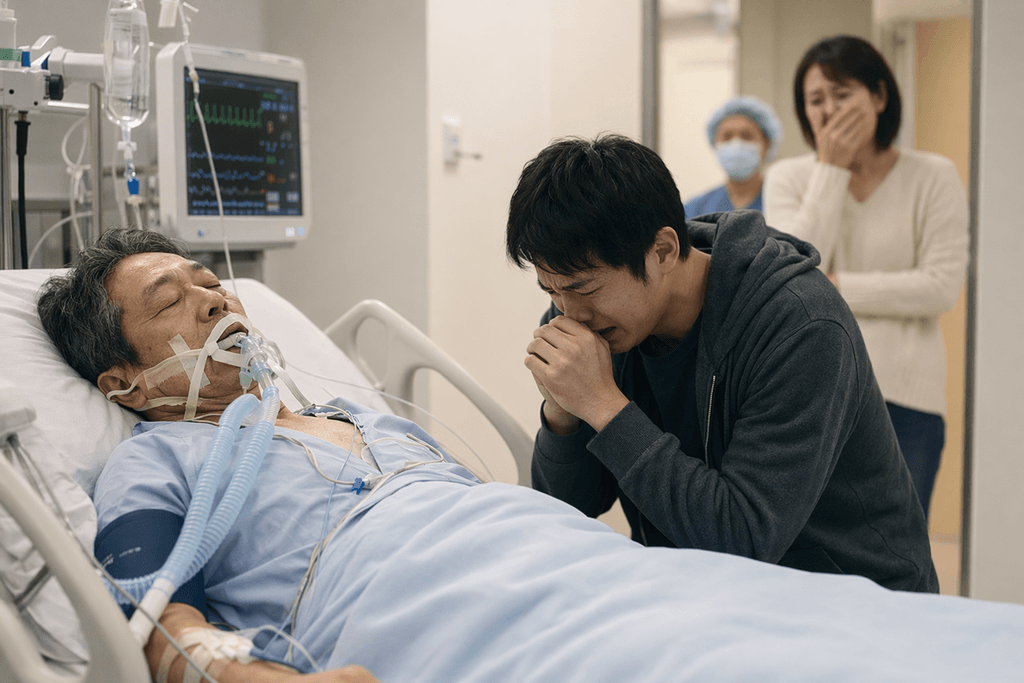
重体
kondisi kritis
重体
kondisi kritis
Explanation
重体
kondisi kritis
重体
kondisi kritis / keadaan sangat parah / kondisi serius
( Base form )
( romanization )
( hiragana )
平日
hari kerja
平日
hari kerja
Explanation
平日
hari kerja
平日
hari kerja / hari biasa (bukan hari libur)

( Base form )
( romanization )
( hiragana )
文体
gaya bahasa tulis
文体
gaya bahasa tulis
Explanation
文体
gaya bahasa tulis
文体
gaya penulisan / gaya bahasa dalam tulisan / ragam bahasa tulis

( Base form )
( romanization )
( kyūjitai )
( hiragana )
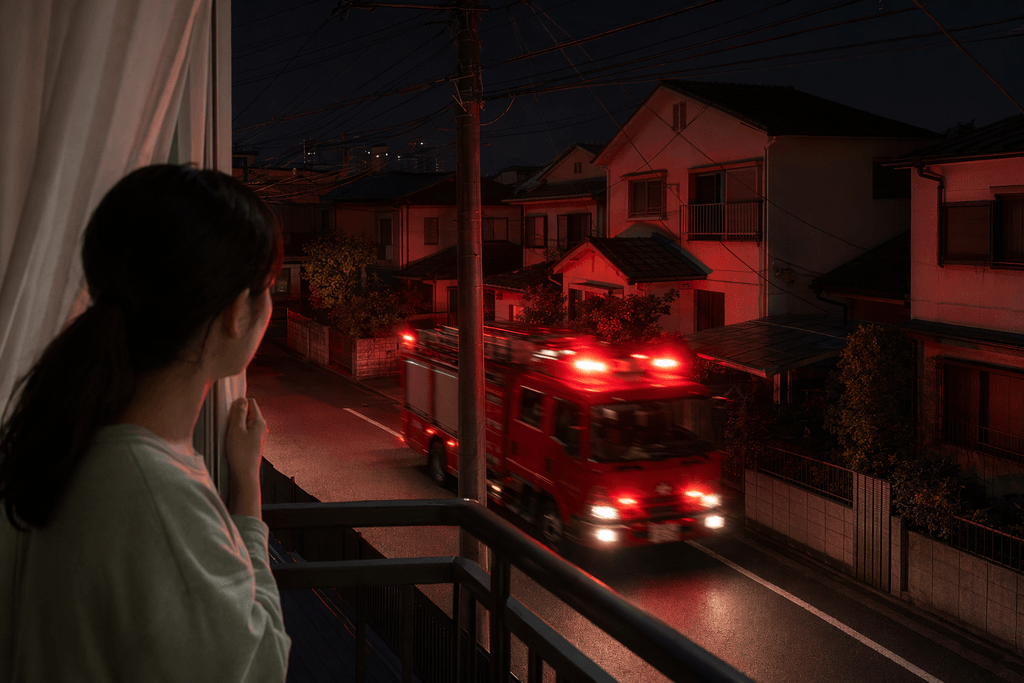
サイレン
sirene
サイレン
sirene
Explanation
sirene
サイレン
alat pembuat bunyi peringatan (tanda bahaya/darurat) / bunyi nyaring dari alat itu
( romanization )
足袋
kaus kaki belah jari
足袋
kaus kaki belah jari
Explanation
足袋
kaus kaki belah jari
足袋
kaus kaki tradisional Jepang terbelah di jempol kaki / kaus kaki terbelah untuk dipakai dengan geta atau zori

( romanization )
( hiragana )
編集
penyuntingan
編集
penyuntingan
Explanation
編集
penyuntingan
編集
penyuntingan / kompilasi dan penyuntingan materi untuk penerbitan
Dalam pekerjaan penyuntingan majalah, dibutuhkan kemampuan untuk mengorganisasi bahan hasil liputan dan merangkumnya ke dalam bentuk yang mudah dipahami pembaca.

( Base form )
( romanization )
( romanization )
( hiragana historical )
( hiragana )
話し中
sedang berbicara / telepon sibuk
話し中
sedang berbicara / telepon sibuk
Explanation
話し中
sedang berbicara / telepon sibuk
話し中
sedang berbicara / sedang di telepon / jalur telepon sibuk

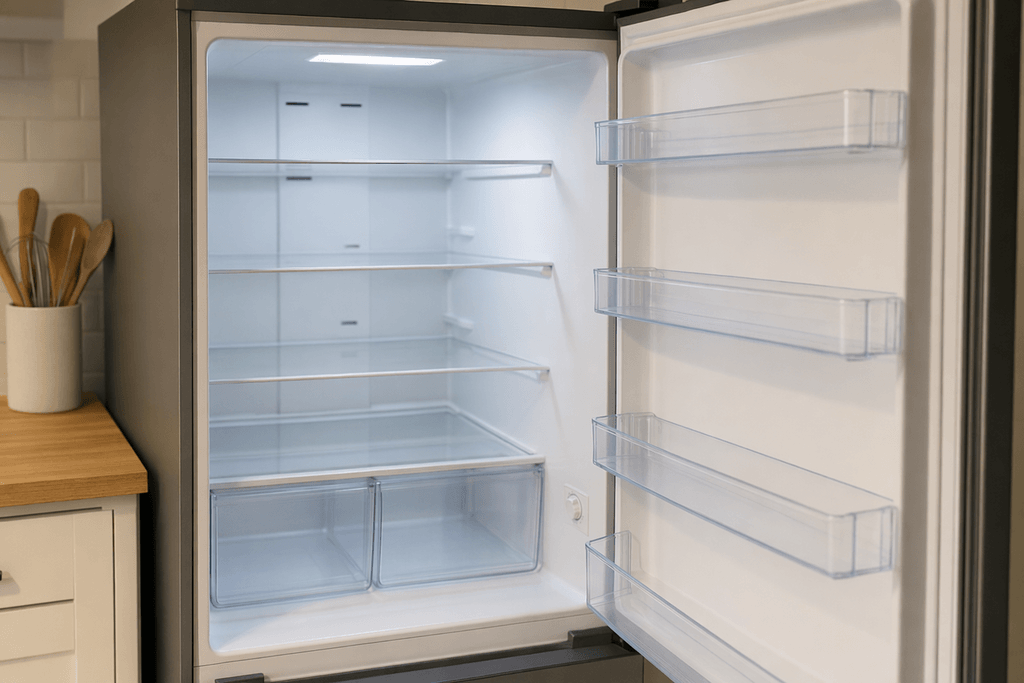
空っぽ
kosong
空っぽ
kosong
Explanation
空っぽ
kosong
空っぽ
kosong / tak berisi / hampa
Word Forms
The basic and commonly used forms of this adjectival noun.
Basic forms
| Form | Word form | Usage |
|---|---|---|
| Imperfective form (mizenkei) | Used in forms such as darou. | |
| Continuative form (renyokei) |
Alternative:
空っぽに
|
Used with de or ni. |
| Conclusive form (shushikei) | Ends a sentence with da. | |
| Attributive form (rentaikei) |
Alternative:
空っぽの
|
Modifies a noun with na. |
| Conditional form (kateikei) | Expresses a condition with nara. | |
| Imperative form (meireikei) | Used in formal expressions such as de are. |
Common forms
Loading...

JLPT N2 多言語単語帳・1790語 / JLPT N2 Multilingual Vocabulary: 1790 Words

Jonathan Waller 氏の JLPT Resources の語彙リスト・レベル分類を出典とし、CC BY の条件に従って DiQt が学習者向けに意味を作り直した1790語の単語帳です。JLPT公式の語彙リストではありません。
This collection of 1790 words is based on the vocabulary list and level classifications in Jonathan Waller’s JLPT Resources under CC BY, with meanings rewritten by DiQt for learners. It is not an official JLPT vocabulary list.
Key Operations
Select the first quiz:
Ctrl + Enter
View Explanation:Ctrl + G
Close a feedback:Esc
When selecting a quiz
Answer:Enter
Select a choice:↓ or ↑
Reading out the question:Ctrl + K
View Hint: Ctrl + M
I don't know: Ctrl + Y



