
JLPT N2: Latihan arti kata - Unsolved

Pelajari arti 1790 kata JLPT N2 dalam bahasa Indonesia melalui soal dengan empat pilihan jawaban.
-
membungkuk hormat
-
sisa potongan
-
sepuluh hari terakhir sebulan
-
adik perempuan orang tua
-
turun dari kendaraan
-
judul
-
ukuran dimensi
-
pasta gigi / penyikatan gigi
-
peternakan hewan
-
gugusan pulau memanjang
-
mahkota
-
aksara kana
-
permainan go
-
pemanduan acara
-
timbal balik
-
koto
-
bagian luar
-
penggunaan luas
-
pilihan kata / cara berbicara
-
menggambar dari pengamatan
-
pusing
-
dua tahun lalu
-
publisitas / propaganda
-
jumlah kali
-
gagal ujian / tidak naik kelas
-
sebelum dan sesudah / sekitar
-
akal kreatif
-
modis
-
murni
-
ketat / saksama
- 「逆さな」「逆さの」の両方で連体修飾に用いられる。
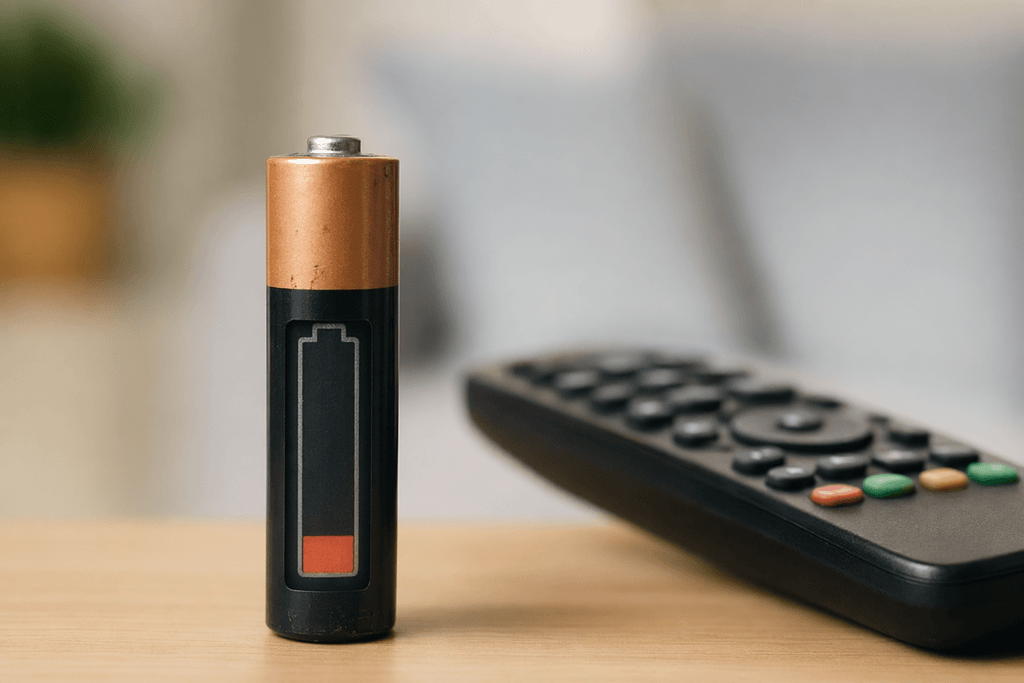
寿命
masa hidup
寿命
masa hidup
Explanation
寿命
masa hidup
寿命
rentang hidup / usia pakai / ajal (akhir usia)
( Base form )
( romanization )
( romanization )
( kyūjitai )
( hiragana historical )
( hiragana )
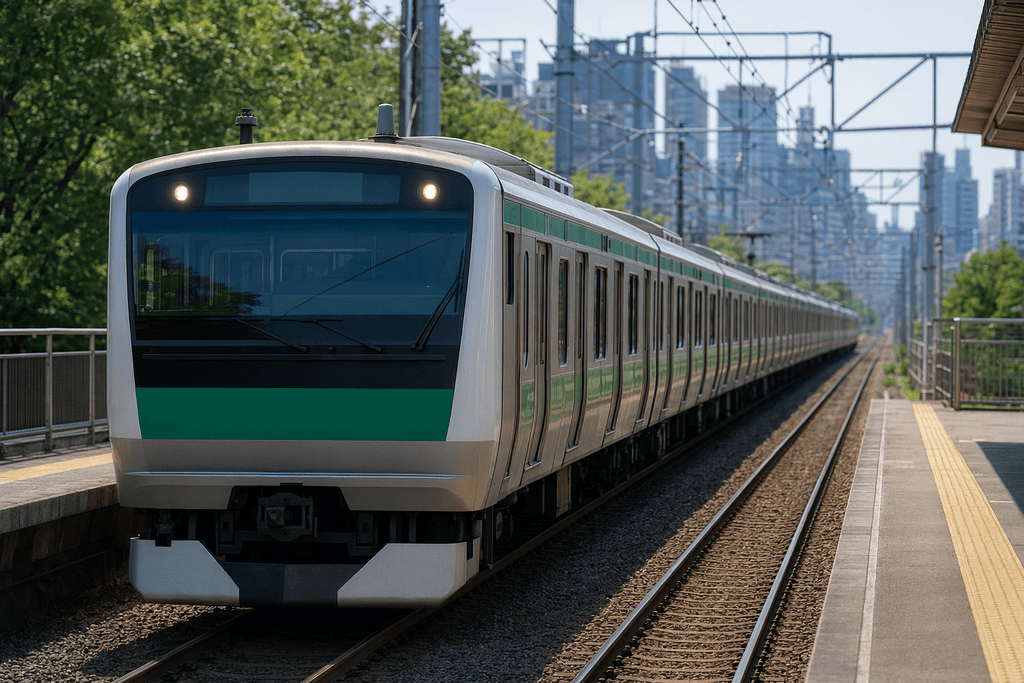
上り
pendakian / layanan menuju Tokyo
上り
pendakian / layanan menuju Tokyo
Explanation
上り
pendakian / layanan menuju Tokyo
上り
kereta menuju Tokyo / pendakian / tanjakan
各々
masing-masing
各々
masing-masing
Explanation
各々
masing-masing
各々
masing-masing / tiap-tiap / masing-masing orang

( Base form )
( romanization )
( hiragana )
判事
hakim
判事
hakim
Explanation
判事
hakim
判事
hakim (pengadilan) / pejabat peradilan

( Base form )
( romanization )
( hiragana )
運河
terusan
運河
terusan
Explanation
運河
terusan
運河
Terusan; saluran air buatan yang menghubungkan perairan. / Kanal untuk pelayaran atau irigasi.

( Base form )
( romanization )
( hiragana historical )
( hiragana )
校舎
gedung sekolah
校舎
gedung sekolah
Explanation
校舎
gedung sekolah
校舎
gedung sekolah / bangunan sekolah

( Base form )
( romanization )
( romanization )
( hiragana historical )
( hiragana )
やけど
luka bakar
やけど
luka bakar
Explanation
luka bakar
やけど
luka bakar / lepuh akibat panas

( Base form )
( romanization )
( romanization )
( stem )
( Past )
( hiragana historical )
( table-tags )
( inflection-template )
( imperfective stem )
( imperfective stem )
( imperfective )
( continuative stem )
( continuative stem )
( continuative )
( stem terminative )
( stem terminative )
( terminative )
( attributive stem )
( attributive stem )
( attributive )
( hypothetical stem )
( hypothetical stem )
( hypothetical )
( Imperative literary stem )
( colloquial Imperative stem )
( Imperative literary stem )
( colloquial Imperative stem )
( Imperative literary )
( colloquial Imperative )
( Passive voice )
( Passive voice )
( Passive voice )
( causative )
( causative )
( causative )
( causative )
( causative )
( causative )
( potential )
( potential )
( potential )
( volitional )
( volitional )
( volitional )
( negative )
( negative )
( negative )
( continuative negative )
( continuative negative )
( continuative negative )
( formal )
( formal )
( formal )
( perfective )
( perfective )
( perfective )
( conjunctive )
( conjunctive )
( conjunctive )
( Conditional hypothetical )
( Conditional hypothetical )
( Conditional hypothetical )
伝記
biografi
伝記
biografi
Explanation
伝記
biografi
伝記
biografi / riwayat hidup / memoar

( Base form )
( romanization )
( hiragana )
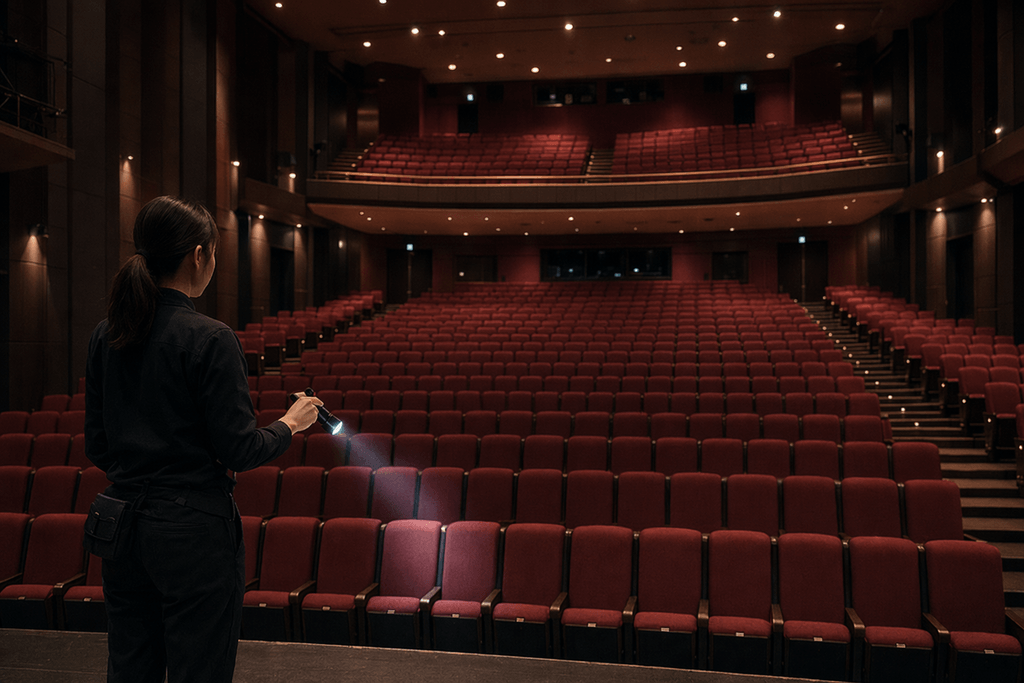
客席
tempat duduk penonton
客席
tempat duduk penonton
Explanation
客席
tempat duduk penonton
客席
tempat duduk penonton / tempat duduk tamu / penonton
( romanization )
( hiragana )
逆さ
terbalik atas bawah / terbalik depan belakang
逆さ
terbalik atas bawah / terbalik depan belakang
Explanation
逆さ
terbalik atas bawah / terbalik depan belakang
逆さ
terbalik / terjungkir / berlawanan arah

Word Forms
The basic and commonly used forms of this adjectival noun.
Basic forms
| Form | Word form | Usage |
|---|---|---|
| Imperfective form (mizenkei) | Used in forms such as darou. | |
| Continuative form (renyokei) |
Alternative:
逆さに
逆さだっ
|
Used with de or ni. |
| Conclusive form (shushikei) | Ends a sentence with da. | |
| Attributive form (rentaikei) |
Alternative:
逆さの
|
Modifies a noun with na. |
| Conditional form (kateikei) | Expresses a condition with nara. | |
| Imperative form (meireikei) | Used in formal expressions such as de are. |
Common forms
| Form | Word form | Usage |
|---|---|---|
| Te-form equivalent | Connects clauses using de. | |
| Ta-form | Expresses the past with datta. | |
| Nai-form |
Alternative:
逆さじゃない
|
Expresses negation with dewa nai or ja nai. |
| Desu-form | Used for polite speech. |
Notes
Loading...

JLPT N2 多言語単語帳・1790語 / JLPT N2 Multilingual Vocabulary: 1790 Words

Jonathan Waller 氏の JLPT Resources の語彙リスト・レベル分類を出典とし、CC BY の条件に従って DiQt が学習者向けに意味を作り直した1790語の単語帳です。JLPT公式の語彙リストではありません。
This collection of 1790 words is based on the vocabulary list and level classifications in Jonathan Waller’s JLPT Resources under CC BY, with meanings rewritten by DiQt for learners. It is not an official JLPT vocabulary list.
Key Operations
Select the first quiz:
Ctrl + Enter
View Explanation:Ctrl + G
Close a feedback:Esc
When selecting a quiz
Answer:Enter
Select a choice:↓ or ↑
Reading out the question:Ctrl + K
View Hint: Ctrl + M
I don't know: Ctrl + Y



