
JLPT N2: Latihan arti kata - Sem resposta

Pelajari arti 1790 kata JLPT N2 dalam bahasa Indonesia melalui soal dengan empat pilihan jawaban.
-
sisa potongan
-
membungkuk hormat
-
sepuluh hari terakhir sebulan
-
judul
-
adik perempuan orang tua
-
turun dari kendaraan
-
ukuran dimensi
-
peternakan hewan
-
pasta gigi / penyikatan gigi
-
aksara kana
-
gugusan pulau memanjang
-
mahkota
-
permainan go
-
timbal balik
-
pemanduan acara
-
bagian luar
-
penggunaan luas
-
koto
-
pusing
-
pilihan kata / cara berbicara
-
menggambar dari pengamatan
-
jumlah kali
-
dua tahun lalu
-
publisitas / propaganda
-
sebelum dan sesudah / sekitar
-
gagal ujian / tidak naik kelas
-
akal kreatif
-
murni
-
modis
-
ketat / saksama
- 「逆さな」「逆さの」の両方で連体修飾に用いられる。
寿命
masa hidup
寿命
masa hidup
Explicação
寿命
masa hidup
寿命
rentang hidup / usia pakai / ajal (akhir usia)

( Forma básica )
( romanization )
( romanization )
( kyūjitai )
( hiragana historical )
( hiragana )
上り
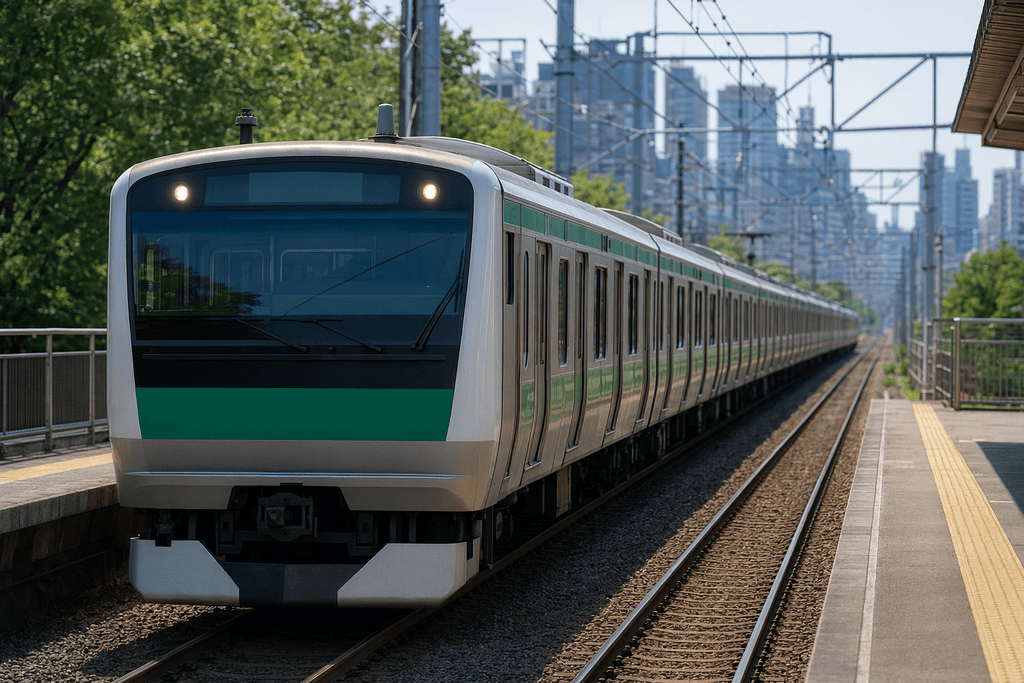
pendakian / layanan menuju Tokyo
上り
pendakian / layanan menuju Tokyo
Explicação
上り
pendakian / layanan menuju Tokyo
上り
kereta menuju Tokyo / pendakian / tanjakan
各々
masing-masing
各々
masing-masing
Explicação
各々
masing-masing
各々
masing-masing / tiap-tiap / masing-masing orang

( Forma básica )
( romanization )
( hiragana )
判事
hakim
判事
hakim
Explicação
判事
hakim
判事
hakim (pengadilan) / pejabat peradilan

( Forma básica )
( romanization )
( hiragana )
運河
terusan
運河
terusan
Explicação
運河
terusan
運河
Terusan; saluran air buatan yang menghubungkan perairan. / Kanal untuk pelayaran atau irigasi.

( Forma básica )
( romanization )
( hiragana historical )
( hiragana )
校舎
gedung sekolah
校舎
gedung sekolah
Explicação
校舎
gedung sekolah
校舎
gedung sekolah / bangunan sekolah

( Forma básica )
( romanization )
( romanization )
( hiragana historical )
( hiragana )
やけど
luka bakar
やけど
luka bakar
Explicação
luka bakar
やけど
luka bakar / lepuh akibat panas

( Forma básica )
( romanization )
( romanization )
( stem )
( Passado )
( hiragana historical )
( table-tags )
( inflection-template )
( imperfective stem )
( imperfective stem )
( imperfective )
( continuative stem )
( continuative stem )
( continuative )
( stem terminative )
( stem terminative )
( terminative )
( attributive stem )
( attributive stem )
( attributive )
( hypothetical stem )
( hypothetical stem )
( hypothetical )
( Imperativo literary stem )
( colloquial Imperativo stem )
( Imperativo literary stem )
( colloquial Imperativo stem )
( Imperativo literary )
( colloquial Imperativo )
( Voz passiva )
( Voz passiva )
( Voz passiva )
( causative )
( causative )
( causative )
( causative )
( causative )
( causative )
( potential )
( potential )
( potential )
( volitional )
( volitional )
( volitional )
( negative )
( negative )
( negative )
( continuative negative )
( continuative negative )
( continuative negative )
( formal )
( formal )
( formal )
( perfective )
( perfective )
( perfective )
( conjunctive )
( conjunctive )
( conjunctive )
( Condicional hypothetical )
( Condicional hypothetical )
( Condicional hypothetical )
伝記
biografi
伝記
biografi
Explicação
伝記
biografi
伝記
biografi / riwayat hidup / memoar

( Forma básica )
( romanization )
( hiragana )
客席
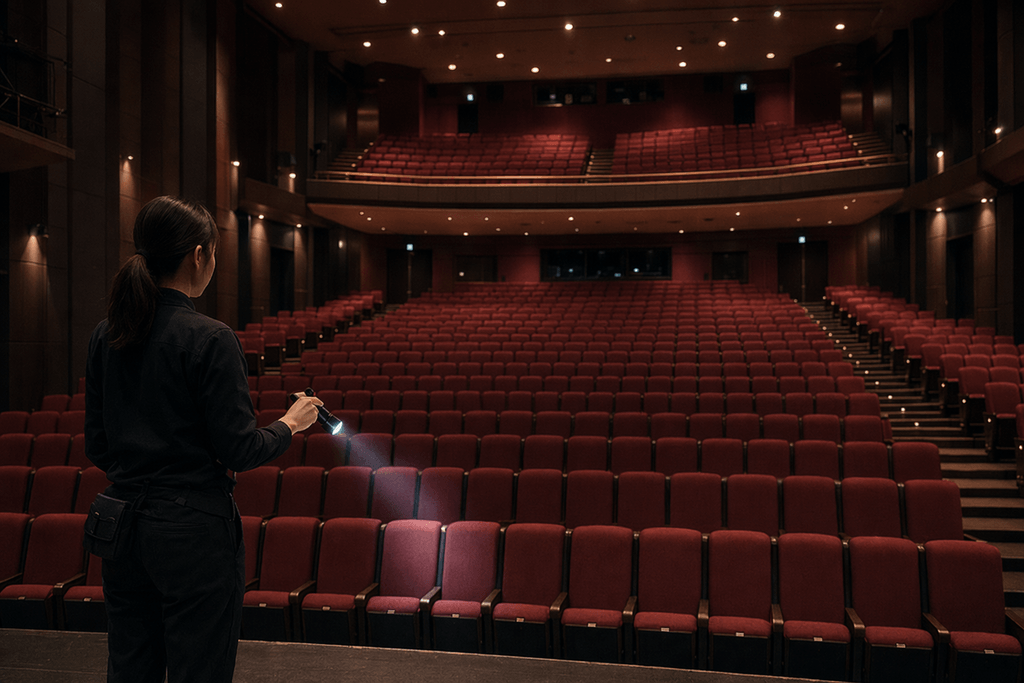
tempat duduk penonton
客席
tempat duduk penonton
Explicação
客席
tempat duduk penonton
客席
tempat duduk penonton / tempat duduk tamu / penonton
( romanization )
( hiragana )
逆さ
terbalik atas bawah / terbalik depan belakang
逆さ
terbalik atas bawah / terbalik depan belakang
Explicação
逆さ
terbalik atas bawah / terbalik depan belakang
逆さ
terbalik / terjungkir / berlawanan arah

Formas da palavra
Estas são as formas básicas e frequentes deste adjetivo な.
Formas básicas
| Forma | Forma da palavra | Uso |
|---|---|---|
| Forma irrealis (みぜんけい) | É usada em formas como “だろう”. | |
| Forma continuativa (れんようけい) |
Outra expressão:
逆さに
逆さだっ
|
É usada com “で” e “に”. |
| Forma conclusiva (しゅうしけい) | Termina uma frase com “だ”. | |
| Forma atributiva (れんたいけい) |
Outra expressão:
逆さの
|
Modifica um substantivo com “な”. |
| Forma condicional (かていけい) | Expressa uma condição com “なら”. | |
| Forma imperativa (めいれいけい) | É usada em expressões formais, como “であれ”. |
Formas frequentes
| Forma | Forma da palavra | Uso |
|---|---|---|
| Equivalente à forma て | Liga orações com “で”. | |
| Forma た | Expressa o passado com “だった”. | |
| Forma ない |
Outra expressão:
逆さじゃない
|
Expressa negação com “ではない” ou “じゃない”. |
| Forma です | É usada na linguagem polida. |
Notas
Carregando…

JLPT N2 多言語単語帳・1790語 / JLPT N2 Multilingual Vocabulary: 1790 Words

Jonathan Waller 氏の JLPT Resources の語彙リスト・レベル分類を出典とし、CC BY の条件に従って DiQt が学習者向けに意味を作り直した1790語の単語帳です。JLPT公式の語彙リストではありません。
This collection of 1790 words is based on the vocabulary list and level classifications in Jonathan Waller’s JLPT Resources under CC BY, with meanings rewritten by DiQt for learners. It is not an official JLPT vocabulary list.
Atalhos de teclado
Seleção da primeira questão:
Ctrl + Enter
Ver explicação:Ctrl + G
Fechamento do feedback:Esc
Com uma questão selecionada
Responder:Enter
Seleção de alternativa:↓ ou ↑
Leitura do enunciado em voz alta:Ctrl + K
Ver dica: Ctrl + M
Não sei: Ctrl + Y



