
JLPT N2: Latihan arti kata - Unsolved

Pelajari arti 1790 kata JLPT N2 dalam bahasa Indonesia melalui soal dengan empat pilihan jawaban.
-
autokrasi
-
garam dapur
-
pindahan rumah
-
segi empat
-
bertekstur kasar
-
tidak rapi
- 命令形「懐かしかれ」は現代語では稀。
-
perjalanan malam / kereta malam
-
diskusi
-
ciri khas
-
berat
-
bibir
-
disiplin
-
tegas
-
vertikal / tegak lurus
-
tepat
- 外来語の形容動詞(ナ形容詞)。
- 連体形では通常「モダンな」を用いる。
-
sudut jalan
-
merah muda
-
dewa
-
peralatan makan
-
tempat tinggal
-
publisitas / propaganda
-
menjadi hangus
-
menjepit / menyisipkan
-
menguntungkan
- 「ねじる」は一般に五段活用(ラ行)として活用する。
- 表記には「捩じる」「捩る」「捻じる」「捻る」などがある。
-
menyucikan
-
mengeriting
-
memasukkan
- 五段活用(ラ行)。未然形は「配ら」(ない接続)と「配ろ」(う接続)があります。
-
nama keluarga
-
wilayah Kanto
-
wilayah Kansai
広さ
luas / kelapangan
広さ
luas / kelapangan
Explanation
広さ
luas / kelapangan
広さ
keluasan (ruang) / kelapangan / lebar (ukuran)

懐かしい
membangkitkan nostalgia
懐かしい
membangkitkan nostalgia
Explanation
懐かしい
membangkitkan nostalgia
懐かしい
nostalgik; mengingatkan pada kenangan indah / dirindukan; membuat kangen / tersayang; tercinta (arcaik)

Word Forms
The basic and commonly used forms of this adjective.
Basic forms
| Form | Word form | Usage |
|---|---|---|
| Imperfective form (mizenkei) | Used in forms such as karou; mainly literary. | |
| Continuative form (renyokei) |
Alternative:
懐かしかっ
|
Used in forms such as kute and kunai. |
| Conclusive form (shushikei) | Ends a sentence. | |
| Attributive form (rentaikei) | Modifies a noun. | |
| Conditional form (kateikei) | Expresses a condition with kereba. | |
| Imperative form (meireikei) | Rarely used in modern Japanese. |
Common forms
| Form | Word form | Usage |
|---|---|---|
| Te-form | Connects clauses with kute. | |
| Ta-form | Expresses the past with katta. | |
| Nai-form | Expresses negation with kunai. | |
| Ba-form | Expresses a condition with kereba. |
Notes
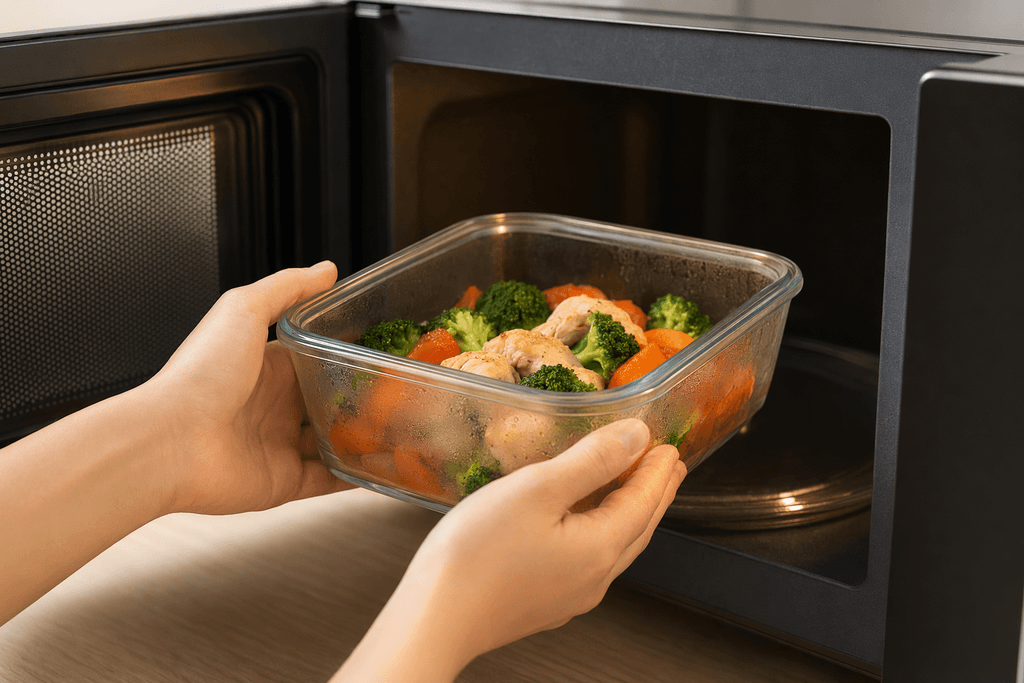
容器
wadah
容器
wadah
Explanation
容器
wadah
容器
wadah / kontainer / bejana
( Base form )
( romanization )
( hiragana )
四つ角
perempatan
四つ角
perempatan
Explanation
四つ角
perempatan
四つ角
empat sudut / perempatan (jalan)

( Base form )
( romanization )
( hiragana )
モダン
modern
モダン
modern
Explanation
modern
モダン
kemodernan / modernitas / gaya modern

Word Forms
The basic and commonly used forms of this adjectival noun.
Basic forms
| Form | Word form | Usage |
|---|---|---|
| Imperfective form (mizenkei) | Used in forms such as darou. | |
| Continuative form (renyokei) |
Alternative:
モダンに
|
Used with de or ni. |
| Conclusive form (shushikei) | Ends a sentence with da. | |
| Attributive form (rentaikei) |
Alternative:
モダンの
|
Modifies a noun with na. |
| Conditional form (kateikei) | Expresses a condition with nara. | |
| Imperative form (meireikei) | Used in formal expressions such as de are. |
Common forms
| Form | Word form | Usage |
|---|---|---|
| Te-form equivalent | Connects clauses using de. | |
| Ta-form | Expresses the past with datta. | |
| Nai-form |
Alternative:
モダンじゃない
|
Expresses negation with dewa nai or ja nai. |
| Desu-form | Used for polite speech. |
Notes
テンポ
tempo
テンポ
tempo
Explanation
tempo
テンポ
kecepatan atau laju / tingkat kemajuan / tempo (musik)

( romanization )
法則
hukum ilmiah / kaidah
法則
hukum ilmiah / kaidah
Explanation
法則
hukum ilmiah / kaidah
法則
hukum (prinsip) yang berlaku pada kondisi tertentu / kaidah atau aturan umum / hukum alam/ilmiah

( Base form )
( romanization )
( hiragana )
ねじる
memelintir
ねじる
memelintir
Explanation
memelintir
ねじる
memelintir / memutar paksa / menyimpangkan makna

Word Forms
The basic and commonly used forms of this verb.
Basic forms
| Form | Word form | Usage |
|---|---|---|
| Imperfective form (mizenkei) | Connects to endings such as nai, reru, and seru. | |
| Continuative form (renyokei) |
Alternative:
ねじっ
|
Connects to endings such as masu, tai, and ta. |
| Conclusive form (shushikei) | Ends a sentence and serves as the dictionary form. | |
| Attributive form (rentaikei) | Modifies a noun. | |
| Conditional form (kateikei) | Combines with ba to express a condition. | |
| Imperative form (meireikei) | Expresses a command or instruction. |
Common forms
| Form | Word form | Usage |
|---|---|---|
| Te-form | Connects clauses with te. | |
| Ta-form | Expresses the past with ta. | |
| Nai-form | Expresses negation with nai. | |
| Masu-form | Used for polite speech. | |
| Ba-form | Expresses a condition with ba. | |
| Volitional form | Expresses intention or invitation. |
Notes
配る
membagikan
配る
membagikan
Explanation
配る
membagikan
配る
membagikan / mendistribusikan / mengantarkan

Word Forms
The basic and commonly used forms of this verb.
Basic forms
| Form | Word form | Usage |
|---|---|---|
| Imperfective form (mizenkei) |
Alternative:
配ろ
|
Connects to endings such as nai, reru, and seru. |
| Continuative form (renyokei) | Connects to endings such as masu, tai, and ta. | |
| Conclusive form (shushikei) | Ends a sentence and serves as the dictionary form. | |
| Attributive form (rentaikei) | Modifies a noun. | |
| Conditional form (kateikei) | Combines with ba to express a condition. | |
| Imperative form (meireikei) | Expresses a command or instruction. |
Common forms
| Form | Word form | Usage |
|---|---|---|
| Te-form | Connects clauses with te. | |
| Ta-form | Expresses the past with ta. | |
| Nai-form | Expresses negation with nai. | |
| Masu-form | Used for polite speech. | |
| Ba-form | Expresses a condition with ba. | |
| Volitional form | Expresses intention or invitation. |
Notes
南米
Amerika Selatan
南米
Amerika Selatan
Explanation
南米
Amerika Selatan
南米
Amerika Selatan / Benua Amerika bagian selatan

( Base form )
( romanization )
( hiragana )
Loading...

JLPT N2 多言語単語帳・1790語 / JLPT N2 Multilingual Vocabulary: 1790 Words

Jonathan Waller 氏の JLPT Resources の語彙リスト・レベル分類を出典とし、CC BY の条件に従って DiQt が学習者向けに意味を作り直した1790語の単語帳です。JLPT公式の語彙リストではありません。
This collection of 1790 words is based on the vocabulary list and level classifications in Jonathan Waller’s JLPT Resources under CC BY, with meanings rewritten by DiQt for learners. It is not an official JLPT vocabulary list.
Key Operations
Select the first quiz:
Ctrl + Enter
View Explanation:Ctrl + G
Close a feedback:Esc
When selecting a quiz
Answer:Enter
Select a choice:↓ or ↑
Reading out the question:Ctrl + K
View Hint: Ctrl + M
I don't know: Ctrl + Y



