
JLPT N2: Latihan arti kata - Unsolved

Pelajari arti 1790 kata JLPT N2 dalam bahasa Indonesia melalui soal dengan empat pilihan jawaban.
-
toilet
-
ilmu sosial
-
rumah peristirahatan
-
setiap kali
-
untuk sementara
-
dengan sendirinya
-
kuil Buddha
-
nama keluarga
-
sifat jahat
-
tersumbat / penuh sesak
-
bersikap angkuh
-
menjahit
- 他動詞。五段ラ行活用。
-
salinan rapi
-
patah hati
-
sumpit
-
awal
-
tembaga
-
standar
-
tertentu / identifikasi
-
pokok isi / kiat
-
kakak laki-laki orang tua
-
bantal duduk lantai
-
bambu / kelas menengah
-
dongeng
-
berpapasan / berbeda pendapat
-
diberkahi
-
menggali
- 「引き止める」は同語の表記違い。
-
selamat tidur / istirahat
-
wajar / biasa
-
kemampuan nyata / kekuatan paksa
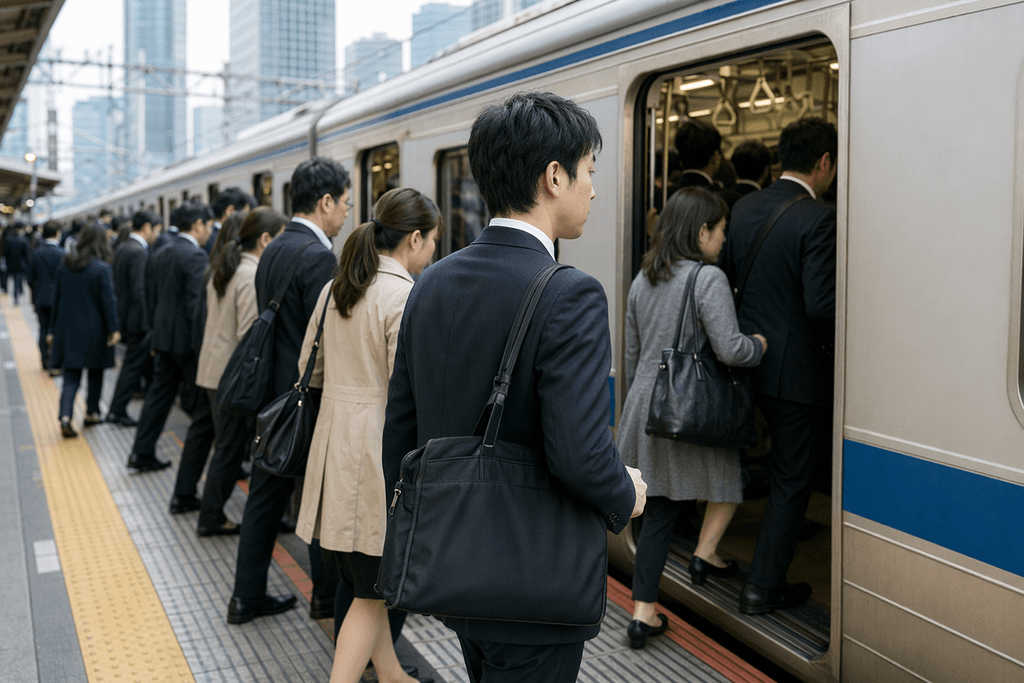
通勤
perjalanan ke tempat kerja
通勤
perjalanan ke tempat kerja
Explanation
通勤
perjalanan ke tempat kerja
通勤
perjalanan ke tempat kerja / aktivitas berangkat dan pulang kerja / rutinitas pergi-pulang kerja
Karena perjalanan ke tempat kerja memakan waktu lebih dari satu jam sekali jalan, akhir-akhir ini saya bertanya-tanya apakah akan pindah lebih dekat ke perusahaan.
( Base form )
( romanization )
( hiragana )
せっかく
dengan susah payah / lama dinantikan
せっかく
dengan susah payah / lama dinantikan
Explanation
dengan susah payah / lama dinantikan
せっかく
dengan susah payah / dengan usaha besar / setelah bersusah payah

( Base form )
( romanization )
( hiragana )
街角
sudut jalan
街角
sudut jalan
Explanation
街角
sudut jalan
街角
sudut jalan / pojok jalan / jalan kota

( Base form )
( romanization )
( hiragana )
可愛がる
menyayangi
可愛がる
menyayangi
Explanation
可愛がる
menyayangi
可愛がる
menyayangi; memanjakan / (ironis) mengganggu terus-menerus; mengusik seseorang

Word Forms
The basic and commonly used forms of this verb.
Basic forms
| Form | Word form | Usage |
|---|---|---|
| Imperfective form (mizenkei) |
Alternative:
可愛がろ
|
Connects to endings such as nai, reru, and seru. |
| Continuative form (renyokei) | Connects to endings such as masu, tai, and ta. | |
| Conclusive form (shushikei) | Ends a sentence and serves as the dictionary form. | |
| Attributive form (rentaikei) | Modifies a noun. | |
| Conditional form (kateikei) | Combines with ba to express a condition. | |
| Imperative form (meireikei) | Expresses a command or instruction. |
Common forms
| Form | Word form | Usage |
|---|---|---|
| Te-form | Connects clauses with te. | |
| Ta-form | Expresses the past with ta. | |
| Nai-form | Expresses negation with nai. | |
| Masu-form | Used for polite speech. | |
| Ba-form | Expresses a condition with ba. | |
| Volitional form | Expresses intention or invitation. |
Notes
エチケット
etiket
エチケット
etiket
Explanation
etiket
エチケット
tata krama / sopan santun / etiket

( romanization )
先程
beberapa saat lalu
先程
beberapa saat lalu
Explanation
先程
beberapa saat lalu
先程
barusan / tadi / beberapa saat yang lalu

( Base form )
( romanization )
( hiragana )
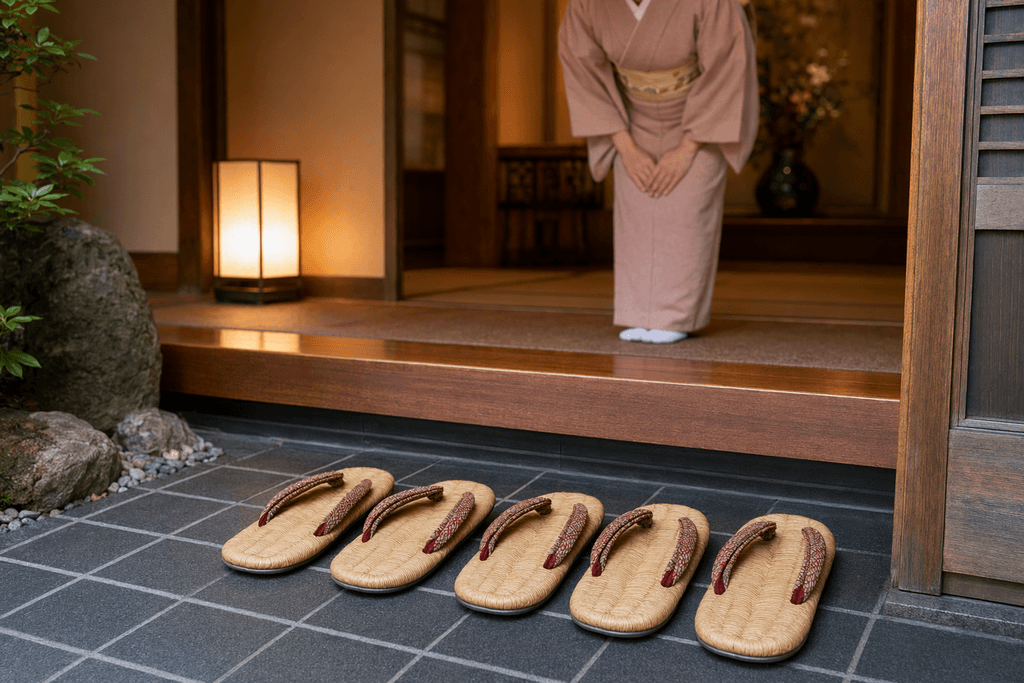
草履
sandal tradisional
草履
sandal tradisional
Explanation
草履
sandal tradisional
草履
sandal tradisional Jepang bertali / sandal datar bertali, sering terbuat dari jerami
( Base form )
( romanization )
( romanization )
( alternative )
( katakana )
( Rōmaji )
( hiragana historical )
( historical katakana )
( hiragana historical )
( hiragana )
伯父さん
kakak laki-laki orang tua
伯父さん
kakak laki-laki orang tua
Explanation
伯父さん
kakak laki-laki orang tua
伯父さん
paman yang lebih tua dari orang tua / kakak ayah atau ibu (laki-laki)

( Base form )
( romanization )
( romanization )
( hiragana historical )
引き留める
menahan agar tidak pergi
引き留める
menahan agar tidak pergi
Explanation
引き留める
menahan agar tidak pergi
引き留める
menahan agar tidak pergi / membujuk agar tetap tinggal / mempertahankan (seseorang)

Word Forms
The basic and commonly used forms of this verb.
Basic forms
| Form | Word form | Usage |
|---|---|---|
| Imperfective form (mizenkei) |
Alternative:
引き止め
ひきとめ
|
Connects to endings such as nai, reru, and seru. |
| Continuative form (renyokei) |
Alternative:
引き止め
ひきとめ
|
Connects to endings such as masu, tai, and ta. |
| Conclusive form (shushikei) |
Alternative:
引き止める
ひきとめる
|
Ends a sentence and serves as the dictionary form. |
| Attributive form (rentaikei) |
Alternative:
引き止める
ひきとめる
|
Modifies a noun. |
| Conditional form (kateikei) |
Alternative:
引き止めれ
ひきとめれ
|
Combines with ba to express a condition. |
| Imperative form (meireikei) |
Alternative:
引き止めろ
ひきとめろ
引き留めよ
引き止めよ
ひきとめよ
|
Expresses a command or instruction. |
Common forms
| Form | Word form | Usage |
|---|---|---|
| Te-form |
Alternative:
引き止めて
ひきとめて
|
Connects clauses with te. |
| Ta-form |
Alternative:
引き止めた
ひきとめた
|
Expresses the past with ta. |
| Nai-form |
Alternative:
引き止めない
ひきとめない
|
Expresses negation with nai. |
| Masu-form |
Alternative:
引き止めます
ひきとめます
|
Used for polite speech. |
| Ba-form |
Alternative:
引き止めれば
ひきとめれば
|
Expresses a condition with ba. |
| Volitional form |
Alternative:
引き止めよう
ひきとめよう
|
Expresses intention or invitation. |
Notes
欧米
Eropa dan Amerika
欧米
Eropa dan Amerika
Explanation
欧米
Eropa dan Amerika
欧米
Eropa dan Amerika / Eropa Barat dan Amerika Utara / negara-negara Barat maju

( Base form )
( romanization )
( kyūjitai )
( hiragana )
Loading...

JLPT N2 多言語単語帳・1790語 / JLPT N2 Multilingual Vocabulary: 1790 Words

Jonathan Waller 氏の JLPT Resources の語彙リスト・レベル分類を出典とし、CC BY の条件に従って DiQt が学習者向けに意味を作り直した1790語の単語帳です。JLPT公式の語彙リストではありません。
This collection of 1790 words is based on the vocabulary list and level classifications in Jonathan Waller’s JLPT Resources under CC BY, with meanings rewritten by DiQt for learners. It is not an official JLPT vocabulary list.
Key Operations
Select the first quiz:
Ctrl + Enter
View Explanation:Ctrl + G
Close a feedback:Esc
When selecting a quiz
Answer:Enter
Select a choice:↓ or ↑
Reading out the question:Ctrl + K
View Hint: Ctrl + M
I don't know: Ctrl + Y



