
JLPT N2: Latihan arti kata - Unsolved

Pelajari arti 1790 kata JLPT N2 dalam bahasa Indonesia melalui soal dengan empat pilihan jawaban.
-
menjenguk orang sakit
-
menjadi dingin / memudar
-
tumbuh
-
sumur
-
nama penerima
-
garis lengkung
-
hari itu
-
Inggris-Jepang
-
pelantikan jabatan
-
bergiliran / secara berurutan
-
untuk sementara
-
dengan cara ini
-
autokrasi
-
amendemen
-
lagu rakyat
-
puisi haiku
-
acara
-
bersin
-
mencari
-
bersentuhan / berhubungan dengan
-
tinggal / berhenti
- 五段活用(ラ行)。「祭る」は祭礼を行う意でも用い、「祀る」は神仏・祖先などをまつる意で用いられることが多い。
-
soal selera
-
segi empat
-
sangat besar
- 名詞的にも用いられる語で、「仲良しの友達」のように連体修飾では「の」もよく使われます。
-
barangkali
-
dengan rajin
-
berpindah-pindah tempat
-
perasaan nyata / kesadaran nyata
-
poster
-
serpihan
ずれる
bergeser / tidak sejajar
ずれる
bergeser / tidak sejajar
Explanation
bergeser / tidak sejajar
ずれる
bergeser / melenceng dari posisi / tidak sejajar

Word Forms
The basic and commonly used forms of this verb.
Basic forms
| Form | Word form | Usage |
|---|---|---|
| Imperfective form (mizenkei) | Connects to endings such as nai, reru, and seru. | |
| Continuative form (renyokei) | Connects to endings such as masu, tai, and ta. | |
| Conclusive form (shushikei) | Ends a sentence and serves as the dictionary form. | |
| Attributive form (rentaikei) | Modifies a noun. | |
| Conditional form (kateikei) | Combines with ba to express a condition. | |
| Imperative form (meireikei) |
Alternative:
ずれよ
|
Expresses a command or instruction. |
Common forms
下書き
draf / sketsa awal
下書き
draf / sketsa awal
Explanation
下書き
draf / sketsa awal
下書き
draf kasar (teks) / sketsa kasar (gambar)

( romanization )
解放
pembebasan
解放
pembebasan
Explanation
解放
pembebasan
解放
pembebasan / pelepasan / emansipasi

( Base form )
( romanization )
( romanization )
( stem )
( Past )
( hiragana historical )
( table-tags )
( inflection-template )
( imperfective stem )
( imperfective stem )
( imperfective )
( continuative stem )
( continuative stem )
( continuative )
( stem terminative )
( stem terminative )
( terminative )
( attributive stem )
( attributive stem )
( attributive )
( hypothetical stem )
( hypothetical stem )
( hypothetical )
( Imperative literary stem )
( colloquial Imperative stem )
( Imperative literary stem )
( colloquial Imperative stem )
( Imperative literary )
( colloquial Imperative )
( Passive voice )
( Passive voice )
( Passive voice )
( causative )
( causative )
( causative )
( causative )
( causative )
( causative )
( potential )
( potential )
( potential )
( volitional )
( volitional )
( volitional )
( negative )
( negative )
( negative )
( continuative negative )
( continuative negative )
( continuative negative )
( formal )
( formal )
( formal )
( perfective )
( perfective )
( perfective )
( conjunctive )
( conjunctive )
( conjunctive )
( Conditional hypothetical )
( Conditional hypothetical )
( Conditional hypothetical )
せっせと
dengan rajin
せっせと
dengan rajin
Explanation
dengan rajin
せっせと
dengan tekun / dengan giat / secara terus-menerus

( romanization )
蓋
tutup
蓋
tutup
Explanation
蓋
tutup
蓋
tutup / penutup / operkulum (malakologi)

( romanization )
( hiragana )
羊毛
wol
羊毛
wol
Explanation
羊毛
wol
羊毛
wol / bulu domba

( Base form )
( romanization )
( hiragana )
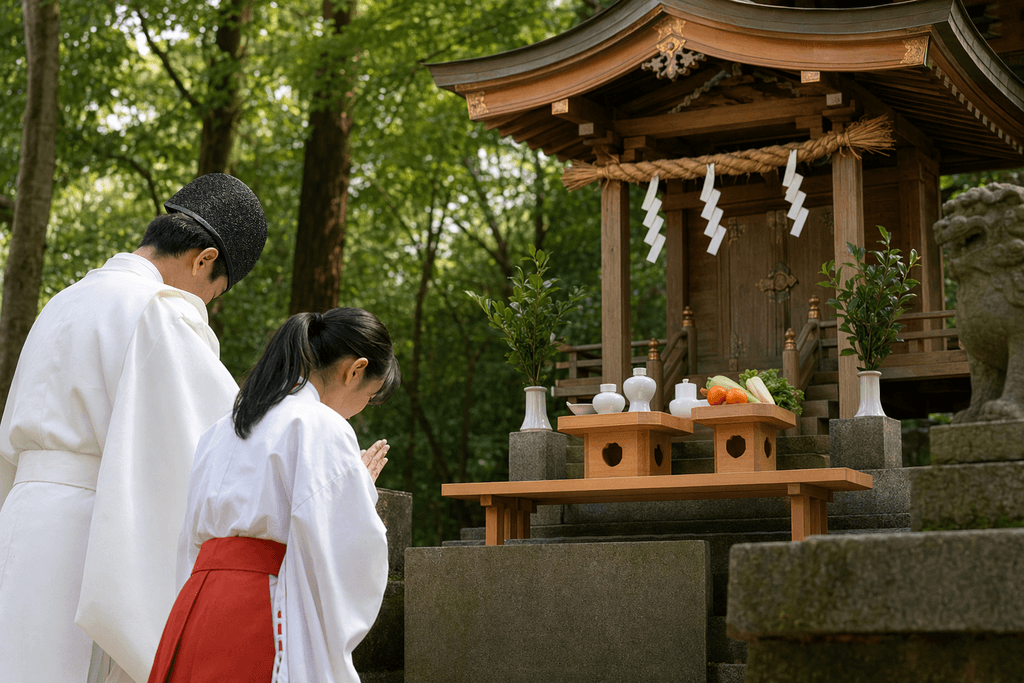
祭る
menempatkan di kuil / memuja
祭る
menempatkan di kuil / memuja
Explanation
祭る
menempatkan di kuil / memuja
祭る
menyembah/memuja (dewa) / mendewakan; menempatkan sebagai sesembahan (di kuil) / berdoa; mempersembahkan doa
Word Forms
The basic and commonly used forms of this verb.
Basic forms
| Form | Word form | Usage |
|---|---|---|
| Imperfective form (mizenkei) |
Alternative:
祀ら
祭ろ
祀ろ
|
Connects to endings such as nai, reru, and seru. |
| Continuative form (renyokei) |
Alternative:
祀り
|
Connects to endings such as masu, tai, and ta. |
| Conclusive form (shushikei) |
Alternative:
祀る
|
Ends a sentence and serves as the dictionary form. |
| Attributive form (rentaikei) |
Alternative:
祀る
|
Modifies a noun. |
| Conditional form (kateikei) |
Alternative:
祀れ
|
Combines with ba to express a condition. |
| Imperative form (meireikei) |
Alternative:
祀れ
|
Expresses a command or instruction. |
Common forms
| Form | Word form | Usage |
|---|---|---|
| Te-form |
Alternative:
祀って
|
Connects clauses with te. |
| Ta-form |
Alternative:
祀った
|
Expresses the past with ta. |
| Nai-form |
Alternative:
祀らない
|
Expresses negation with nai. |
| Masu-form |
Alternative:
祀ります
|
Used for polite speech. |
| Ba-form |
Alternative:
祀れば
|
Expresses a condition with ba. |
| Volitional form |
Alternative:
祀ろう
|
Expresses intention or invitation. |
Notes
仲良し
teman akrab
仲良し
teman akrab
Explanation
仲良し
teman akrab
仲良し
teman akrab / sahabat dekat / hubungan yang rukun

Word Forms
The basic and commonly used forms of this adjectival noun.
Basic forms
| Form | Word form | Usage |
|---|---|---|
| Imperfective form (mizenkei) | Used in forms such as darou. | |
| Continuative form (renyokei) |
Alternative:
仲良しに
|
Used with de or ni. |
| Conclusive form (shushikei) | Ends a sentence with da. | |
| Attributive form (rentaikei) |
Alternative:
仲良しの
|
Modifies a noun with na. |
| Conditional form (kateikei) | Expresses a condition with nara. | |
| Imperative form (meireikei) | Used in formal expressions such as de are. |
Common forms
| Form | Word form | Usage |
|---|---|---|
| Te-form equivalent | Connects clauses using de. | |
| Ta-form | Expresses the past with datta. | |
| Nai-form |
Alternative:
仲良しじゃない
|
Expresses negation with dewa nai or ja nai. |
| Desu-form | Used for polite speech. |
Notes
相変わらず
seperti biasa
相変わらず
seperti biasa
Explanation
相変わらず
seperti biasa
相変わらず
seperti biasa / tetap seperti dulu / masih saja

( Base form )
( romanization )
中旬
sepuluh hari pertengahan bulan
中旬
sepuluh hari pertengahan bulan
Explanation
中旬
sepuluh hari pertengahan bulan
中旬
sepuluh hari pertengahan bulan (tanggal 11–20) / pertengahan bulan (tgl 11–20) / periode tanggal 11–20 dalam sebulan

( Base form )
( romanization )
( hiragana )
Loading...

JLPT N2 多言語単語帳・1790語 / JLPT N2 Multilingual Vocabulary: 1790 Words

Jonathan Waller 氏の JLPT Resources の語彙リスト・レベル分類を出典とし、CC BY の条件に従って DiQt が学習者向けに意味を作り直した1790語の単語帳です。JLPT公式の語彙リストではありません。
This collection of 1790 words is based on the vocabulary list and level classifications in Jonathan Waller’s JLPT Resources under CC BY, with meanings rewritten by DiQt for learners. It is not an official JLPT vocabulary list.
Key Operations
Select the first quiz:
Ctrl + Enter
View Explanation:Ctrl + G
Close a feedback:Esc
When selecting a quiz
Answer:Enter
Select a choice:↓ or ↑
Reading out the question:Ctrl + K
View Hint: Ctrl + M
I don't know: Ctrl + Y



