
JLPT N2: Latihan arti kata - Unsolved

Pelajari arti 1790 kata JLPT N2 dalam bahasa Indonesia melalui soal dengan empat pilihan jawaban.
-
kipas lipat
-
penerapan
-
kemampuan nyata / kekuatan paksa
-
perawatan kecantikan
-
kondisi geologi
-
kelengahan
-
nyawa manusia
-
salinan rapi
-
kinerja / kemampuan alat
-
menutupi kekurangan
-
menjadi hangat
-
terjual habis
- 五段活用のサ行動詞。未然形「よこそ」は意志形「よこそう」に現れる形です。
-
peron
-
kurang dari
-
patung / ukiran
-
ganas / kasar
-
bising / gaduh
-
pendiam / penurut
-
publisitas / propaganda
-
autokrasi
-
kargo
-
pengesahan rancangan undang-undang
-
khayalan
-
kedua sisi
-
persilangan
-
air mancur
-
dialek
-
jelek
-
tidak pantas
-
berat / membebani
- 「永い」は主に時間的な長さ・持続について用いる表記。「長い」はより一般的な表記。
ストップ
penghentian
ストップ
penghentian
Explanation
penghentian
ストップ
penghentian / (musik) stop/register pada organ

( romanization )
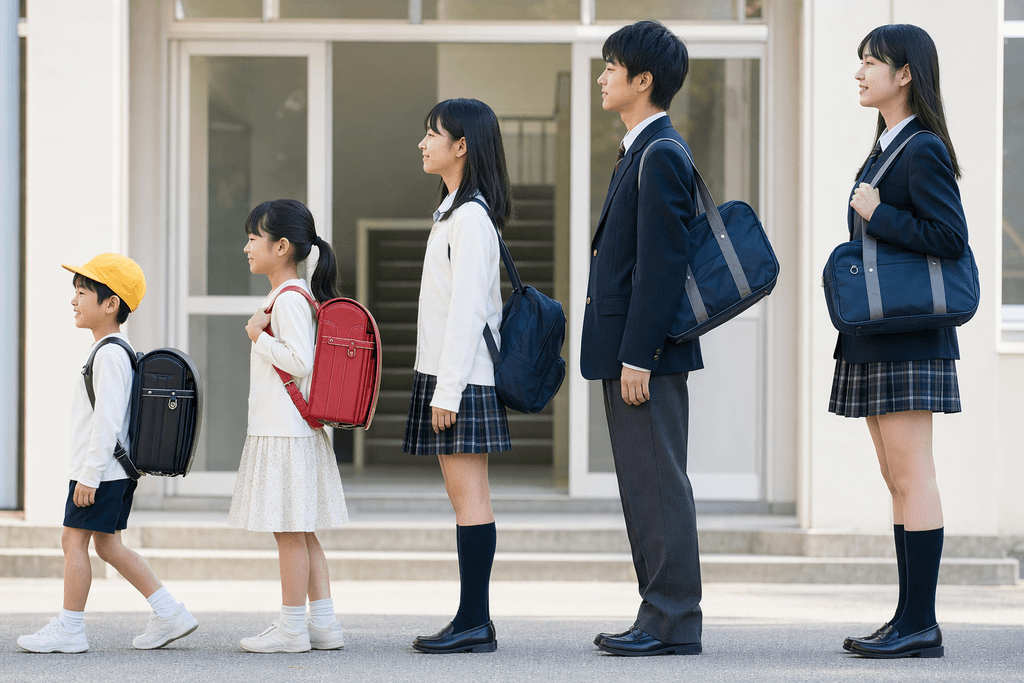
学年
tahun ajaran / tingkat kelas
学年
tahun ajaran / tingkat kelas
Explanation
学年
tahun ajaran / tingkat kelas
学年
tingkat kelas di sekolah / jenjang kelas / tahun di sekolah
( Base form )
( romanization )
( kyūjitai )
( hiragana )
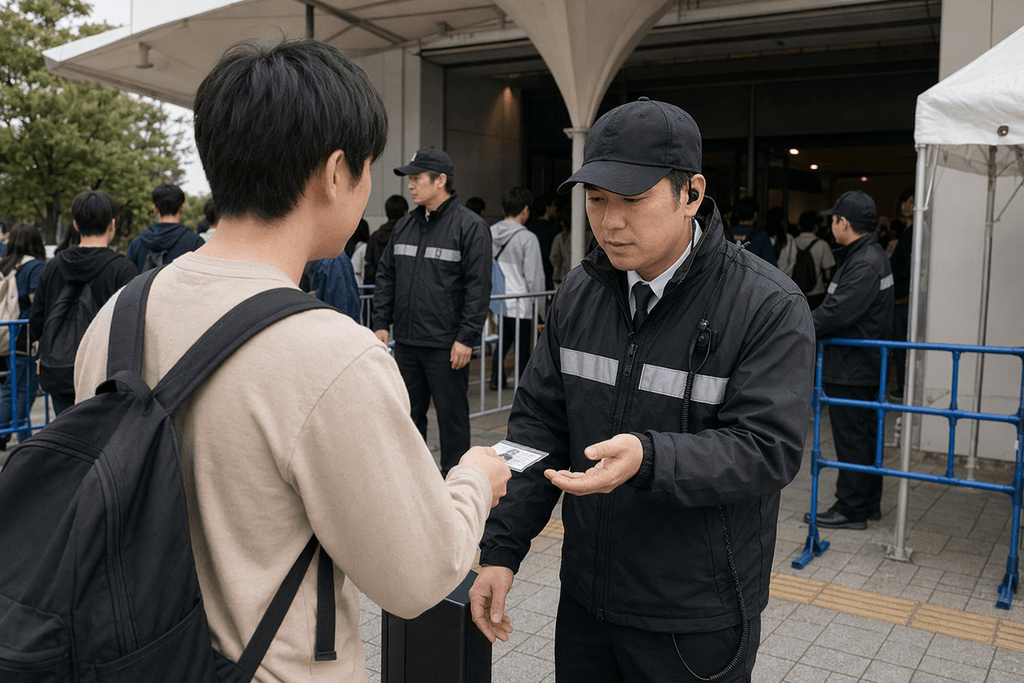
警備
penjagaan keamanan
警備
penjagaan keamanan
Explanation
警備
penjagaan keamanan
警備
pengamanan / penjagaan / layanan keamanan
( Base form )
( romanization )
( stem )
( Past )
( table-tags )
( inflection-template )
( imperfective stem )
( imperfective stem )
( imperfective )
( continuative stem )
( continuative stem )
( continuative )
( stem terminative )
( stem terminative )
( terminative )
( attributive stem )
( attributive stem )
( attributive )
( hypothetical stem )
( hypothetical stem )
( hypothetical )
( Imperative literary stem )
( colloquial Imperative stem )
( Imperative literary stem )
( colloquial Imperative stem )
( Imperative literary )
( colloquial Imperative )
( Passive voice )
( Passive voice )
( Passive voice )
( causative )
( causative )
( causative )
( causative )
( causative )
( causative )
( potential )
( potential )
( potential )
( volitional )
( volitional )
( volitional )
( negative )
( negative )
( negative )
( continuative negative )
( continuative negative )
( continuative negative )
( formal )
( formal )
( formal )
( perfective )
( perfective )
( perfective )
( conjunctive )
( conjunctive )
( conjunctive )
( Conditional hypothetical )
( Conditional hypothetical )
( Conditional hypothetical )
よこす
mengirim ke sini / menyerahkan
よこす
mengirim ke sini / menyerahkan
Explanation
mengirim ke sini / menyerahkan
よこす
mengirim / menyerahkan / memberikan

Word Forms
The basic and commonly used forms of this verb.
Basic forms
| Form | Word form | Usage |
|---|---|---|
| Imperfective form (mizenkei) |
Alternative:
寄越さ
よこそ
寄越そ
|
Connects to endings such as nai, reru, and seru. |
| Continuative form (renyokei) |
Alternative:
寄越し
|
Connects to endings such as masu, tai, and ta. |
| Conclusive form (shushikei) |
Alternative:
寄越す
|
Ends a sentence and serves as the dictionary form. |
| Attributive form (rentaikei) |
Alternative:
寄越す
|
Modifies a noun. |
| Conditional form (kateikei) |
Alternative:
寄越せ
|
Combines with ba to express a condition. |
| Imperative form (meireikei) |
Alternative:
寄越せ
|
Expresses a command or instruction. |
Common forms
| Form | Word form | Usage |
|---|---|---|
| Te-form |
Alternative:
寄越して
|
Connects clauses with te. |
| Ta-form |
Alternative:
寄越した
|
Expresses the past with ta. |
| Nai-form |
Alternative:
寄越さない
|
Expresses negation with nai. |
| Masu-form |
Alternative:
寄越します
|
Used for polite speech. |
| Ba-form |
Alternative:
寄越せば
|
Expresses a condition with ba. |
| Volitional form |
Alternative:
寄越そう
|
Expresses intention or invitation. |
Notes
推定
perkiraan / praduga
推定
perkiraan / praduga
Explanation
推定
perkiraan / praduga
推定
perkiraan / dugaan / praduga

( Base form )
( romanization )
( hiragana )
そそっかしい
ceroboh
そそっかしい
ceroboh
Explanation
ceroboh
そそっかしい
ceroboh / gegabah / sembrono

Word Forms
The basic and commonly used forms of this adjective.
Basic forms
| Form | Word form | Usage |
|---|---|---|
| Imperfective form (mizenkei) | Used in forms such as karou; mainly literary. | |
| Continuative form (renyokei) |
Alternative:
そそっかしかっ
|
Used in forms such as kute and kunai. |
| Conclusive form (shushikei) | Ends a sentence. | |
| Attributive form (rentaikei) | Modifies a noun. | |
| Conditional form (kateikei) | Expresses a condition with kereba. | |
| Imperative form (meireikei) | Rarely used in modern Japanese. |
Common forms
風呂敷
kain pembungkus
風呂敷
kain pembungkus
Explanation
風呂敷
kain pembungkus
風呂敷
kain pembungkus tradisional Jepang / kain untuk membungkus dan membawa pakaian, hadiah, dan barang lainnya

( Base form )
( romanization )
( hiragana )
ボーナス
bonus
ボーナス
bonus
Explanation
bonus
ボーナス
bonus; uang tambahan yang diberikan sebagai premi / bonus dalam gim; tahap atau item khusus

( romanization )
通帳
buku tabungan
通帳
buku tabungan
Explanation
通帳
buku tabungan
通帳
buku tabungan / buku rekening

( Base form )
( romanization )
( hiragana )
永い
berlangsung lama
永い
berlangsung lama
Explanation
永い
berlangsung lama
永い
lama (tentang jangka waktu) / berkepanjangan / abadi

Word Forms
The basic and commonly used forms of this adjective.
Basic forms
| Form | Word form | Usage |
|---|---|---|
| Imperfective form (mizenkei) |
Alternative:
長かろ
|
Used in forms such as karou; mainly literary. |
| Continuative form (renyokei) |
Alternative:
長く
永かっ
長かっ
|
Used in forms such as kute and kunai. |
| Conclusive form (shushikei) |
Alternative:
長い
|
Ends a sentence. |
| Attributive form (rentaikei) |
Alternative:
長い
|
Modifies a noun. |
| Conditional form (kateikei) |
Alternative:
長けれ
|
Expresses a condition with kereba. |
| Imperative form (meireikei) |
Alternative:
長かれ
|
Rarely used in modern Japanese. |
Common forms
| Form | Word form | Usage |
|---|---|---|
| Te-form |
Alternative:
長くて
|
Connects clauses with kute. |
| Ta-form |
Alternative:
長かった
|
Expresses the past with katta. |
| Nai-form |
Alternative:
長くない
|
Expresses negation with kunai. |
| Ba-form |
Alternative:
長ければ
|
Expresses a condition with kereba. |
Notes
Loading...

JLPT N2 多言語単語帳・1790語 / JLPT N2 Multilingual Vocabulary: 1790 Words

Jonathan Waller 氏の JLPT Resources の語彙リスト・レベル分類を出典とし、CC BY の条件に従って DiQt が学習者向けに意味を作り直した1790語の単語帳です。JLPT公式の語彙リストではありません。
This collection of 1790 words is based on the vocabulary list and level classifications in Jonathan Waller’s JLPT Resources under CC BY, with meanings rewritten by DiQt for learners. It is not an official JLPT vocabulary list.
Key Operations
Select the first quiz:
Ctrl + Enter
View Explanation:Ctrl + G
Close a feedback:Esc
When selecting a quiz
Answer:Enter
Select a choice:↓ or ↑
Reading out the question:Ctrl + K
View Hint: Ctrl + M
I don't know: Ctrl + Y



