
JLPT N2: Latihan arti kata - Unsolved

Pelajari arti 1790 kata JLPT N2 dalam bahasa Indonesia melalui soal dengan empat pilihan jawaban.
-
berlalunya waktu
-
pakaian tradisional Jepang
-
ketinggian / tingkat lanjut
-
kalori
-
zat gizi
-
kolom tulisan / kolom isian
-
koleksi
-
darah
-
sekrup
-
ungu
-
desa pertanian
-
merawat orang sakit
-
pistol
-
uban
-
perjalanan pulang-pergi
-
menginapkan
-
tercampur
-
membaur / larut ke dalam
-
bergaul / berpacaran
-
mengisap
-
terjepit di antara
-
prinsip dasar
-
bola lampu
-
kediaman
-
terlepas / meleset
-
memasukkan / mengadopsi
-
tersumbat / penuh sesak
-
menenangkan diri / menetap
-
menggantung
-
merobek / membelah
原理
prinsip dasar
原理
prinsip dasar
Explanation
原理
prinsip dasar
原理
prinsip dasar / asas / hukum dasar

( Base form )
( romanization )
( hiragana )
ウール
wol
ウール
wol
Explanation
wol
ウール
serat tekstil dari bulu domba / bahan atau kain yang terbuat dari wol

( romanization )
フライパン
wajan
フライパン
wajan
Explanation
wajan
フライパン
wajan untuk menggoreng / wajan datar untuk menggoreng makanan / alat dapur untuk menggoreng

( romanization )
カラー
warna / kerah
カラー
warna / kerah
Explanation
warna / kerah
カラー
warna

( romanization )
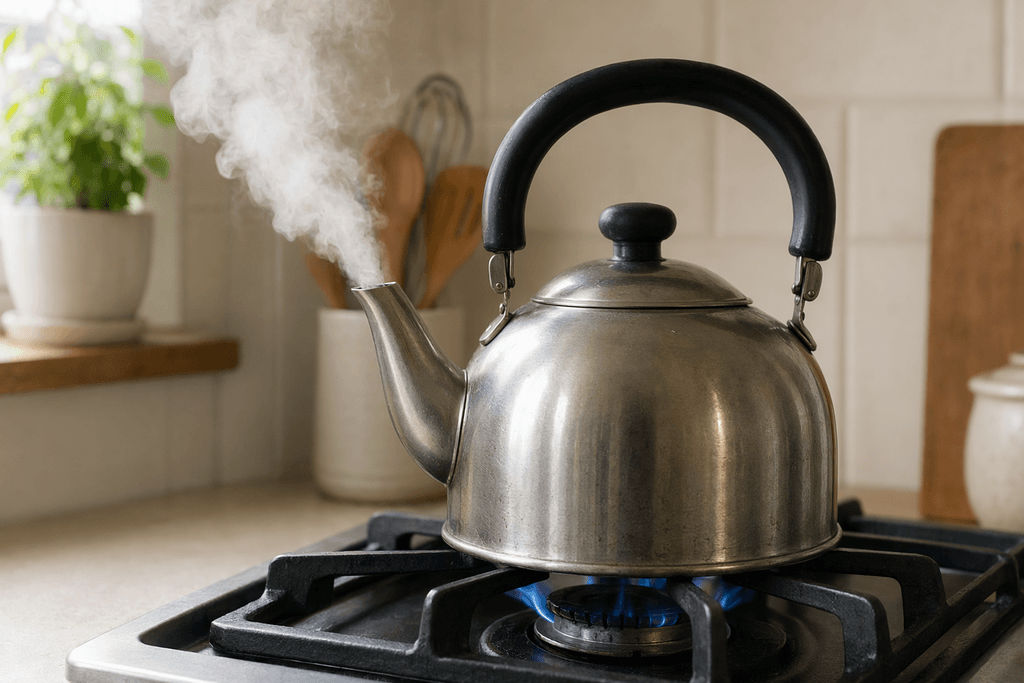
やかん
ketel
やかん
ketel
Explanation
ketel
やかん
ketel air / ceret
( Base form )
( Base form )
( romanization )
( romanization )
( romanization )
( kyūjitai )
( CJK )
( CJK )
( hiragana historical )
( hiragana )
出迎える
menjemput
出迎える
menjemput
Explanation
出迎える
menjemput
出迎える
menyambut kedatangan / menyambut tamu saat tiba / menjemput seseorang yang baru datang

Word Forms
The basic and commonly used forms of this verb.
Basic forms
| Form | Word form | Usage |
|---|---|---|
| Imperfective form (mizenkei) | Connects to endings such as nai, reru, and seru. | |
| Continuative form (renyokei) | Connects to endings such as masu, tai, and ta. | |
| Conclusive form (shushikei) | Ends a sentence and serves as the dictionary form. | |
| Attributive form (rentaikei) | Modifies a noun. | |
| Conditional form (kateikei) | Combines with ba to express a condition. | |
| Imperative form (meireikei) |
Alternative:
出迎えよ
|
Expresses a command or instruction. |
Common forms
略す
menyingkat / menghilangkan
略す
menyingkat / menghilangkan
Explanation
略す
menyingkat / menghilangkan
略す
menyingkat / melewatkan/mengabaikan (bagian) / meringkas

Word Forms
The basic and commonly used forms of this verb.
Basic forms
| Form | Word form | Usage |
|---|---|---|
| Imperfective form (mizenkei) |
Alternative:
略そ
|
Connects to endings such as nai, reru, and seru. |
| Continuative form (renyokei) | Connects to endings such as masu, tai, and ta. | |
| Conclusive form (shushikei) | Ends a sentence and serves as the dictionary form. | |
| Attributive form (rentaikei) | Modifies a noun. | |
| Conditional form (kateikei) | Combines with ba to express a condition. | |
| Imperative form (meireikei) | Expresses a command or instruction. |
Common forms
サークル
klub / lingkaran
サークル
klub / lingkaran
Explanation
klub / lingkaran
サークル
lingkaran (bentuk geometri) / kelompok/komunitas (minat atau tujuan bersama) / grup pembuat dōjin

( romanization )
すれ違う
berpapasan / berbeda pendapat
すれ違う
berpapasan / berbeda pendapat
Explanation
すれ違う
berpapasan / berbeda pendapat
すれ違う
berpapasan / luput bertemu karena selisih waktu/tempat / berselisih paham

Word Forms
The basic and commonly used forms of this verb.
Basic forms
| Form | Word form | Usage |
|---|---|---|
| Imperfective form (mizenkei) |
Alternative:
擦れ違わ
すれ違お
擦れ違お
|
Connects to endings such as nai, reru, and seru. |
| Continuative form (renyokei) |
Alternative:
擦れ違い
|
Connects to endings such as masu, tai, and ta. |
| Conclusive form (shushikei) |
Alternative:
擦れ違う
|
Ends a sentence and serves as the dictionary form. |
| Attributive form (rentaikei) |
Alternative:
擦れ違う
|
Modifies a noun. |
| Conditional form (kateikei) |
Alternative:
擦れ違え
|
Combines with ba to express a condition. |
| Imperative form (meireikei) |
Alternative:
擦れ違え
|
Expresses a command or instruction. |
Common forms
| Form | Word form | Usage |
|---|---|---|
| Te-form |
Alternative:
擦れ違って
|
Connects clauses with te. |
| Ta-form |
Alternative:
擦れ違った
|
Expresses the past with ta. |
| Nai-form |
Alternative:
擦れ違わない
|
Expresses negation with nai. |
| Masu-form |
Alternative:
擦れ違います
|
Used for polite speech. |
| Ba-form |
Alternative:
擦れ違えば
|
Expresses a condition with ba. |
| Volitional form |
Alternative:
擦れ違おう
|
Expresses intention or invitation. |
言い出す
mengutarakan / mengusulkan
言い出す
mengutarakan / mengusulkan
Explanation
言い出す
mengutarakan / mengusulkan
言い出す
mengemukakan (topik/pendapat) / mengutarakan / mengusulkan

Word Forms
The basic and commonly used forms of this verb.
Basic forms
| Form | Word form | Usage |
|---|---|---|
| Imperfective form (mizenkei) | Connects to endings such as nai, reru, and seru. | |
| Continuative form (renyokei) | Connects to endings such as masu, tai, and ta. | |
| Conclusive form (shushikei) | Ends a sentence and serves as the dictionary form. | |
| Attributive form (rentaikei) | Modifies a noun. | |
| Conditional form (kateikei) | Combines with ba to express a condition. | |
| Imperative form (meireikei) | Expresses a command or instruction. |
Common forms
Loading...

JLPT N2 多言語単語帳・1790語 / JLPT N2 Multilingual Vocabulary: 1790 Words

Jonathan Waller 氏の JLPT Resources の語彙リスト・レベル分類を出典とし、CC BY の条件に従って DiQt が学習者向けに意味を作り直した1790語の単語帳です。JLPT公式の語彙リストではありません。
This collection of 1790 words is based on the vocabulary list and level classifications in Jonathan Waller’s JLPT Resources under CC BY, with meanings rewritten by DiQt for learners. It is not an official JLPT vocabulary list.
Key Operations
Select the first quiz:
Ctrl + Enter
View Explanation:Ctrl + G
Close a feedback:Esc
When selecting a quiz
Answer:Enter
Select a choice:↓ or ↑
Reading out the question:Ctrl + K
View Hint: Ctrl + M
I don't know: Ctrl + Y



