
JLPT N2: Latihan arti kata - Unsolved

Pelajari arti 1790 kata JLPT N2 dalam bahasa Indonesia melalui soal dengan empat pilihan jawaban.
-
negeri
-
perjalanan sehari
-
individu organisme
-
menyesali / berkabung
-
bertanggung jawab atas
-
membidik tujuan
-
giliran tugas
-
masyarakat umum
-
pengiriman lewat pos
-
sepuluh hari pertama sebulan
-
pencatatan
-
kewarganegaraan
-
dengan lamban
-
dengan sendirinya
-
tanpa disadari
-
membengkokkan
-
mendekat / mendesak
-
menikmati rasa / mengalami
-
gugusan pulau memanjang
-
pembukaan jalur lalu lintas
-
industri perikanan
-
semen
-
bibir
-
aparatus
-
padat / keras kepala
-
tidak pantas
-
mencurigakan / meragukan
-
mendambakan / mengagumi
-
memerintah / mengangkat
-
menerapkan / mencocokkan
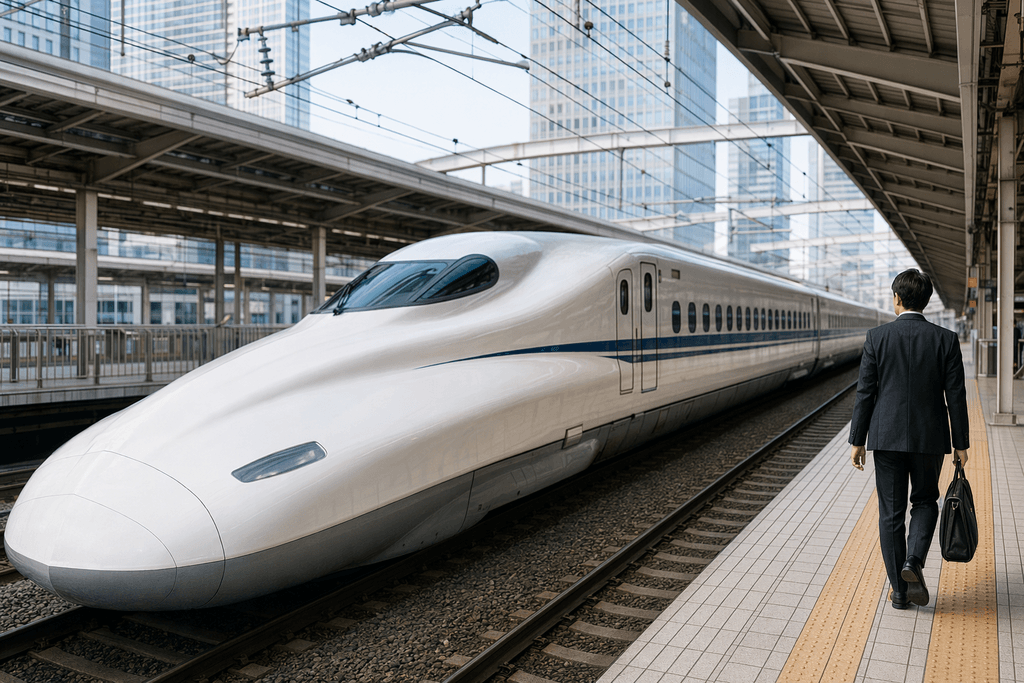
新幹線
kereta cepat Shinkansen
新幹線
kereta cepat Shinkansen
Explanation
新幹線
kereta cepat Shinkansen
新幹線
kereta cepat di Jepang / kereta peluru di Jepang / jaringan kereta api berkecepatan tinggi di Jepang
Saat bepergian untuk bisnis, naik kereta peluru daripada pesawat sering kali memungkinkan Anda menggunakan waktu perjalanan Anda dengan lebih efektif.
( Base form )
( romanization )
( hiragana )
預かる
menjaga titipan
預かる
menjaga titipan
Explanation
預かる
menjaga titipan
預かる
menjaga atau menyimpan (sementara) / dititipi; dipercayakan untuk mengurus / mengambil alih tanggung jawab atas sesuatu

Word Forms
The basic and commonly used forms of this verb.
Basic forms
| Form | Word form | Usage |
|---|---|---|
| Imperfective form (mizenkei) |
Alternative:
預かろ
|
Connects to endings such as nai, reru, and seru. |
| Continuative form (renyokei) |
Alternative:
預かっ
|
Connects to endings such as masu, tai, and ta. |
| Conclusive form (shushikei) | Ends a sentence and serves as the dictionary form. | |
| Attributive form (rentaikei) | Modifies a noun. | |
| Conditional form (kateikei) | Combines with ba to express a condition. | |
| Imperative form (meireikei) | Expresses a command or instruction. |
Common forms
百科事典
ensiklopedia
百科事典
ensiklopedia
Explanation
百科事典
ensiklopedia
百科事典
ensiklopedia / buku rujukan berisi ringkasan pengetahuan umum / karya referensi yang memuat artikel dari berbagai bidang

( romanization )
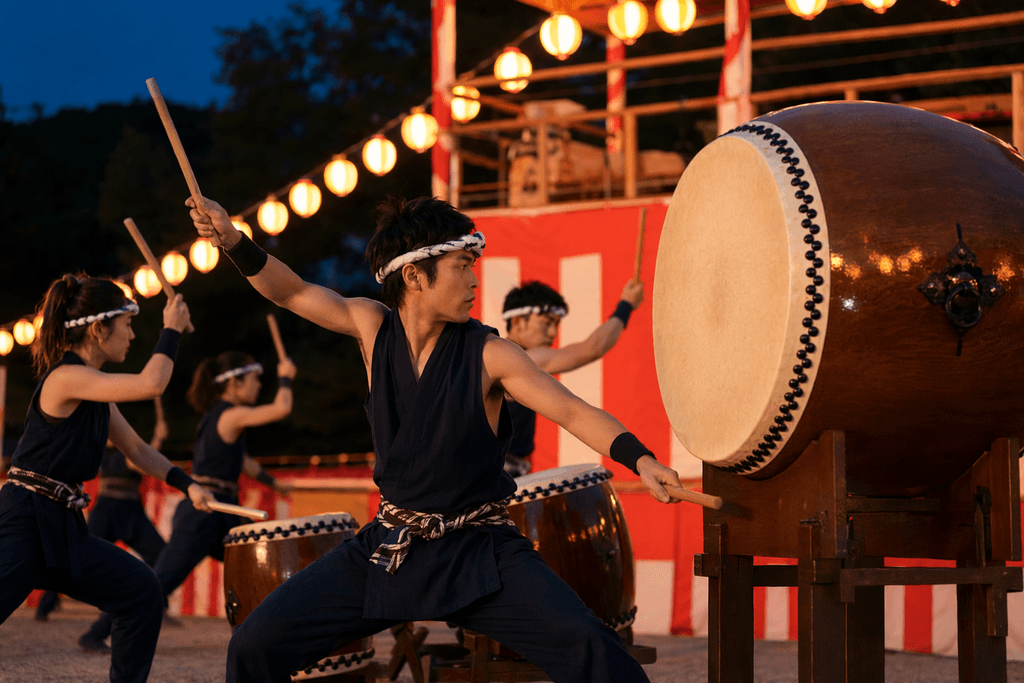
太鼓
gendang
太鼓
gendang
Explanation
太鼓
gendang
太鼓
gendang / gendang tradisional Jepang / bunyi ketukan gendang sebagai sinyal
( Base form )
( romanization )
( hiragana )
ぶつぶつ
menggerutu pelan
ぶつぶつ
menggerutu pelan
Explanation
menggerutu pelan
ぶつぶつ
menggerutu pelan / mendidih bergelembung kecil / mengiris tipis-tipis

( romanization )
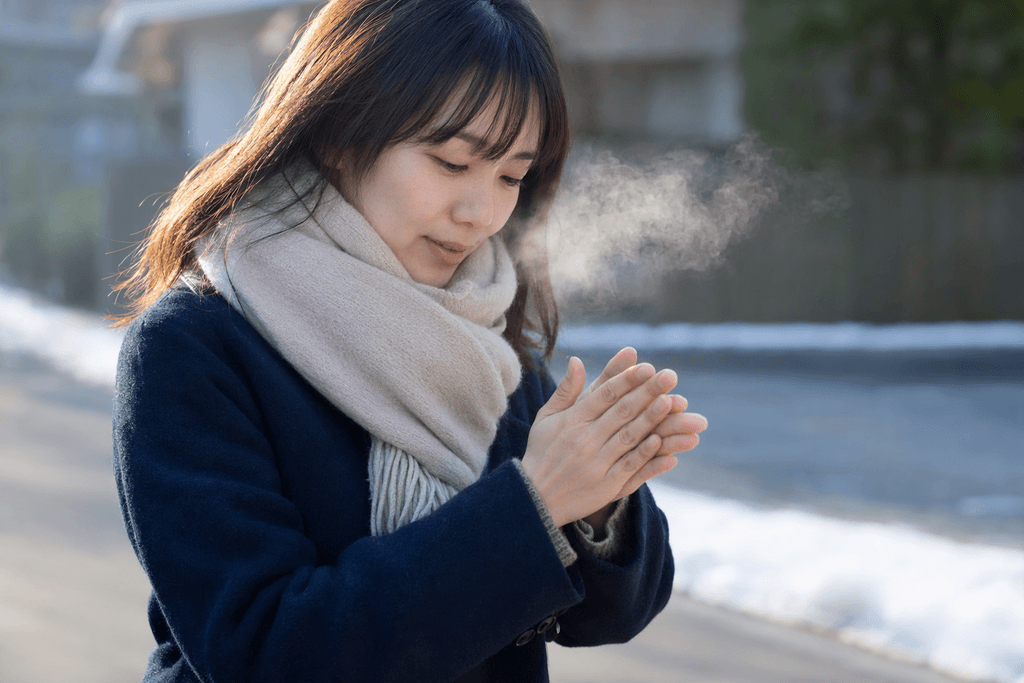
擦る
menggosok
擦る
menggosok
Explanation
擦る
menggosok
擦る
menggosok / mengikis / menggores
Word Forms
The basic and commonly used forms of this verb.
Basic forms
| Form | Word form | Usage |
|---|---|---|
| Imperfective form (mizenkei) |
Alternative:
こすら
|
Connects to endings such as nai, reru, and seru. |
| Continuative form (renyokei) |
Alternative:
こすり
|
Connects to endings such as masu, tai, and ta. |
| Conclusive form (shushikei) |
Alternative:
こする
|
Ends a sentence and serves as the dictionary form. |
| Attributive form (rentaikei) |
Alternative:
こする
|
Modifies a noun. |
| Conditional form (kateikei) |
Alternative:
こすれ
|
Combines with ba to express a condition. |
| Imperative form (meireikei) |
Alternative:
こすれ
|
Expresses a command or instruction. |
Common forms
| Form | Word form | Usage |
|---|---|---|
| Te-form |
Alternative:
こすって
|
Connects clauses with te. |
| Ta-form |
Alternative:
こすった
|
Expresses the past with ta. |
| Nai-form |
Alternative:
こすらない
|
Expresses negation with nai. |
| Masu-form |
Alternative:
こすります
|
Used for polite speech. |
| Ba-form |
Alternative:
こすれば
|
Expresses a condition with ba. |
| Volitional form |
Alternative:
こすろう
|
Expresses intention or invitation. |
来日
kunjungan ke Jepang
来日
kunjungan ke Jepang
Explanation
来日
kunjungan ke Jepang
来日
kedatangan (orang asing) ke Jepang / kunjungan ke Jepang (oleh tokoh/pendatang asing)

( Base form )
( romanization )
( kyūjitai )
( hiragana )
神様
dewa
神様
dewa
Explanation
神様
dewa
神様
sebutan hormat untuk Tuhan atau dewa / (kiasan) orang yang sangat kuat atau sangat ahli

( Base form )
( romanization )
( hiragana )
茶色い
cokelat
茶色い
cokelat
Explanation
茶色い
cokelat
茶色い
berwarna cokelat / kecokelatan

Word Forms
The basic and commonly used forms of this adjective.
Basic forms
| Form | Word form | Usage |
|---|---|---|
| Imperfective form (mizenkei) | Used in forms such as karou; mainly literary. | |
| Continuative form (renyokei) |
Alternative:
茶色かっ
|
Used in forms such as kute and kunai. |
| Conclusive form (shushikei) | Ends a sentence. | |
| Attributive form (rentaikei) | Modifies a noun. | |
| Conditional form (kateikei) | Expresses a condition with kereba. | |
| Imperative form (meireikei) | Rarely used in modern Japanese. |
Common forms
冷やす
mendinginkan
冷やす
mendinginkan
Explanation
冷やす
mendinginkan
冷やす
membuat dingin / mendinginkan (makanan/minuman) / menenangkan (pikiran/emosi)

Word Forms
The basic and commonly used forms of this verb.
Basic forms
| Form | Word form | Usage |
|---|---|---|
| Imperfective form (mizenkei) | Connects to endings such as nai, reru, and seru. | |
| Continuative form (renyokei) | Connects to endings such as masu, tai, and ta. | |
| Conclusive form (shushikei) | Ends a sentence and serves as the dictionary form. | |
| Attributive form (rentaikei) | Modifies a noun. | |
| Conditional form (kateikei) | Combines with ba to express a condition. | |
| Imperative form (meireikei) | Expresses a command or instruction. |
Common forms
Loading...

JLPT N2 多言語単語帳・1790語 / JLPT N2 Multilingual Vocabulary: 1790 Words

Jonathan Waller 氏の JLPT Resources の語彙リスト・レベル分類を出典とし、CC BY の条件に従って DiQt が学習者向けに意味を作り直した1790語の単語帳です。JLPT公式の語彙リストではありません。
This collection of 1790 words is based on the vocabulary list and level classifications in Jonathan Waller’s JLPT Resources under CC BY, with meanings rewritten by DiQt for learners. It is not an official JLPT vocabulary list.
Key Operations
Select the first quiz:
Ctrl + Enter
View Explanation:Ctrl + G
Close a feedback:Esc
When selecting a quiz
Answer:Enter
Select a choice:↓ or ↑
Reading out the question:Ctrl + K
View Hint: Ctrl + M
I don't know: Ctrl + Y



