
JLPT N2: Latihan arti kata - Unsolved

Pelajari arti 1790 kata JLPT N2 dalam bahasa Indonesia melalui soal dengan empat pilihan jawaban.
-
mesin jahit
-
ujung jalan
-
menyegarkan
-
jual beli
-
pertemuan / himpunan
-
pola
-
keponakan perempuan
-
kelas sekolah
-
sebelum dan sesudah / sekitar
-
matang direbus
-
terbiasa melihat
-
merebus
-
lensa
-
syal
-
memasak makanan
-
selesai dikerjakan
-
mengendus
-
melilitkan / menggulung
-
berlangsung lama
-
membangkitkan nostalgia
-
bulat
-
penyambutan
-
samudra
-
tempat duduk / bangku
-
penyambutan
-
paparan sinar matahari
-
pemotretan / perekaman film
-
stoking
-
daun pintu penahan hujan
-
teka-teki
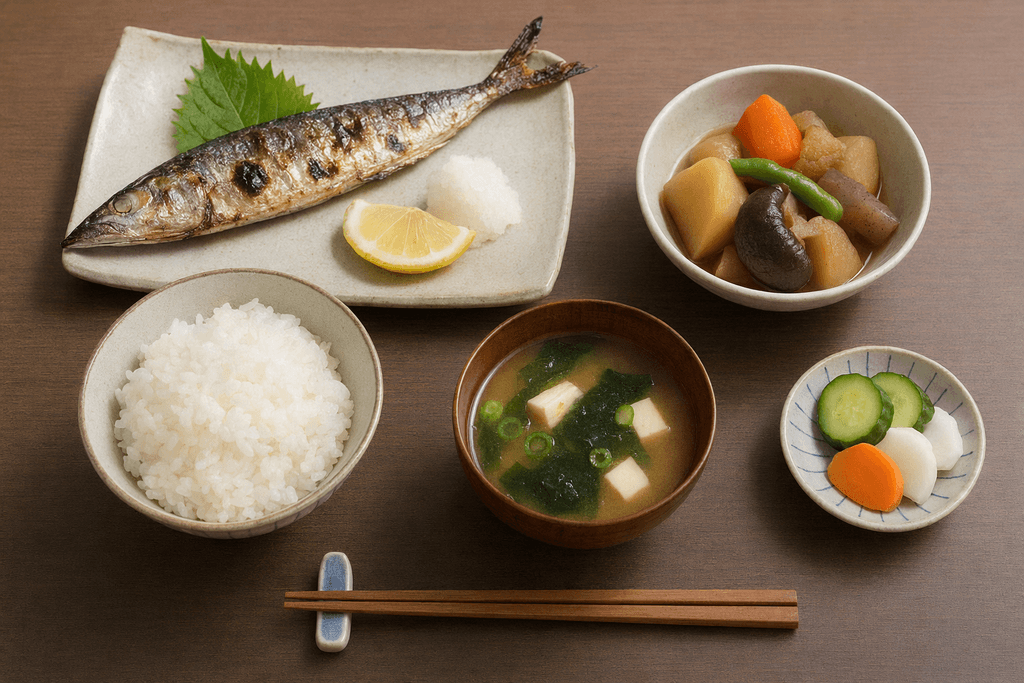
おかず
lauk
おかず
lauk
Explanation
lauk
おかず
lauk-pauk / (musik) isian drum / (slang) bahan untuk masturbasi
( romanization )
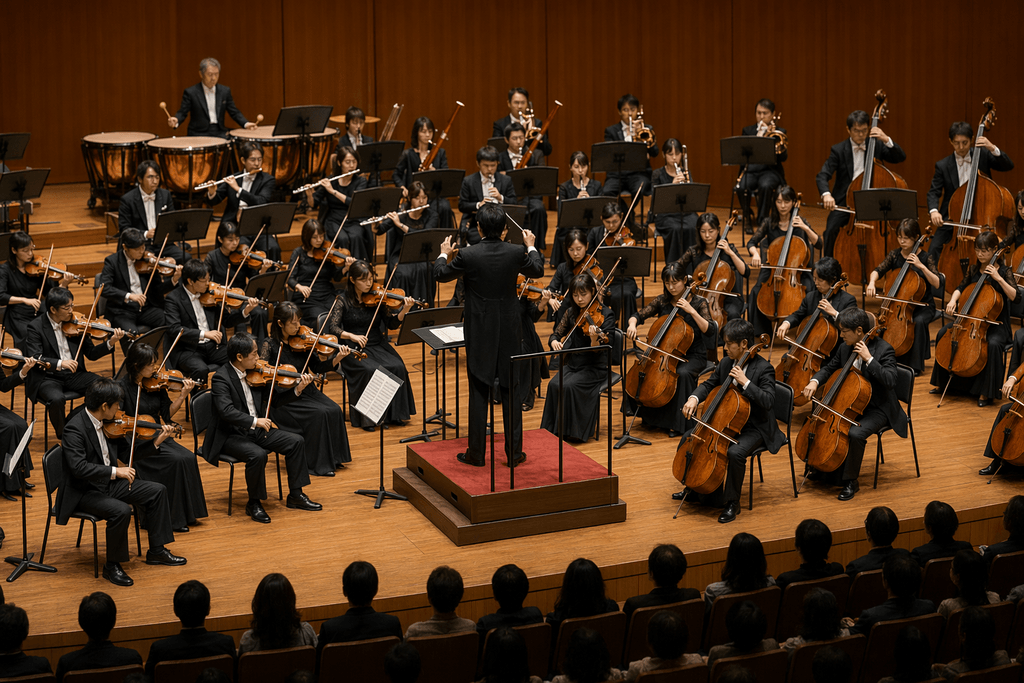
オーケストラ
orkestra
オーケストラ
orkestra
Explanation
orkestra
オーケストラ
orkestra / ansambel musik besar
( romanization )
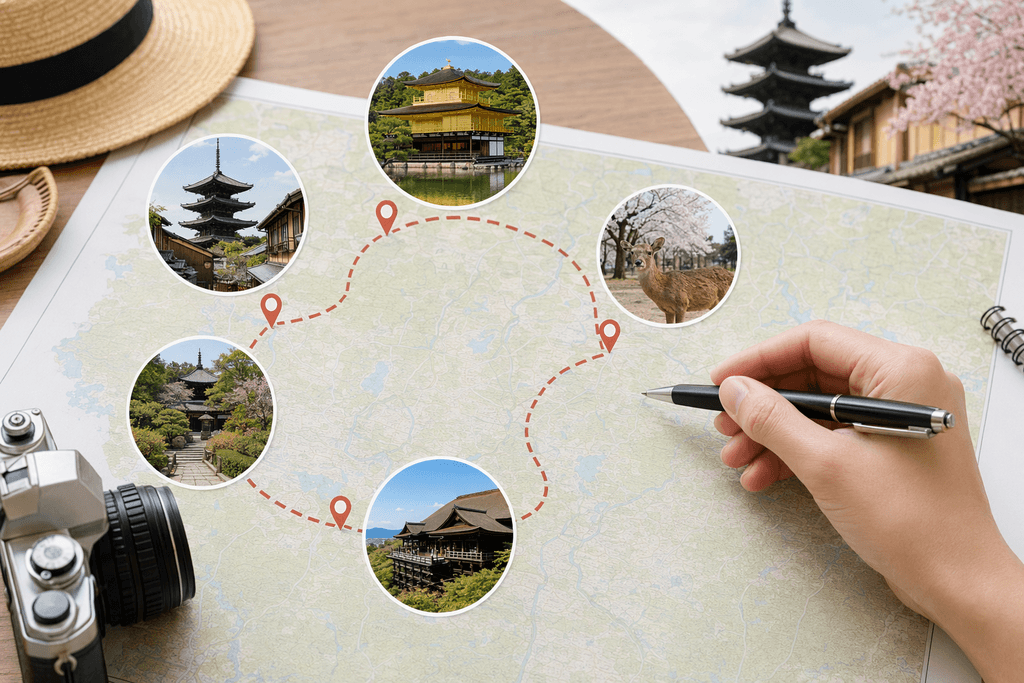
コース
kursus / rute
コース
kursus / rute
Explanation
kursus / rute
コース
rute perjalanan / tahap hidangan / lintasan balap
( romanization )
ぶら下げる
menggantungkan
ぶら下げる
menggantungkan
Explanation
ぶら下げる
menggantungkan
ぶら下げる
menggantungkan / menyangkutkan / menyampirkan

Word Forms
The basic and commonly used forms of this verb.
Basic forms
| Form | Word form | Usage |
|---|---|---|
| Imperfective form (mizenkei) |
Alternative:
ぶらさげ
|
Connects to endings such as nai, reru, and seru. |
| Continuative form (renyokei) |
Alternative:
ぶらさげ
|
Connects to endings such as masu, tai, and ta. |
| Conclusive form (shushikei) |
Alternative:
ぶらさげる
|
Ends a sentence and serves as the dictionary form. |
| Attributive form (rentaikei) |
Alternative:
ぶらさげる
|
Modifies a noun. |
| Conditional form (kateikei) |
Alternative:
ぶらさげれ
|
Combines with ba to express a condition. |
| Imperative form (meireikei) |
Alternative:
ぶら下げよ
ぶらさげろ
ぶらさげよ
|
Expresses a command or instruction. |
Common forms
| Form | Word form | Usage |
|---|---|---|
| Te-form |
Alternative:
ぶらさげて
|
Connects clauses with te. |
| Ta-form |
Alternative:
ぶらさげた
|
Expresses the past with ta. |
| Nai-form |
Alternative:
ぶらさげない
|
Expresses negation with nai. |
| Masu-form |
Alternative:
ぶらさげます
|
Used for polite speech. |
| Ba-form |
Alternative:
ぶらさげれば
|
Expresses a condition with ba. |
| Volitional form |
Alternative:
ぶらさげよう
|
Expresses intention or invitation. |
分類
klasifikasi
分類
klasifikasi
Explanation
分類
klasifikasi
分類
klasifikasi / pengelompokan / penggolongan

( Base form )
( romanization )
( hiragana )
湧く
memancar / timbul
湧く
memancar / timbul
Explanation
湧く
memancar / timbul
湧く
memancar / muncul / mendidih

Word Forms
The basic and commonly used forms of this verb.
Basic forms
| Form | Word form | Usage |
|---|---|---|
| Imperfective form (mizenkei) |
Alternative:
湧こ
|
Connects to endings such as nai, reru, and seru. |
| Continuative form (renyokei) | Connects to endings such as masu, tai, and ta. | |
| Conclusive form (shushikei) | Ends a sentence and serves as the dictionary form. | |
| Attributive form (rentaikei) | Modifies a noun. | |
| Conditional form (kateikei) | Combines with ba to express a condition. | |
| Imperative form (meireikei) | Expresses a command or instruction. |
Common forms
頼もしい
dapat diandalkan / menjanjikan
頼もしい
dapat diandalkan / menjanjikan
Explanation
頼もしい
dapat diandalkan / menjanjikan
頼もしい
dapat diandalkan / terpercaya / menguatkan hati
Ketika saya mendengar bahwa rekan senior saya yang berpengalaman akan ikut dengan saya, saya pikir tidak ada yang lebih dapat diandalkan dan meyakinkan.

Word Forms
The basic and commonly used forms of this adjective.
Basic forms
| Form | Word form | Usage |
|---|---|---|
| Imperfective form (mizenkei) | Used in forms such as karou; mainly literary. | |
| Continuative form (renyokei) |
Alternative:
頼もしかっ
|
Used in forms such as kute and kunai. |
| Conclusive form (shushikei) | Ends a sentence. | |
| Attributive form (rentaikei) | Modifies a noun. | |
| Conditional form (kateikei) | Expresses a condition with kereba. | |
| Imperative form (meireikei) | Rarely used in modern Japanese. |
Common forms
長所
kelebihan / keunggulan
長所
kelebihan / keunggulan
Explanation
長所
kelebihan / keunggulan
長所
kelebihan / keunggulan / sisi positif

( Base form )
( romanization )
( romanization )
( hiragana historical )
( hiragana )
損得
untung rugi
損得
untung rugi
Explanation
損得
untung rugi
損得
untung rugi / rugi dan laba / pertimbangan untung rugi

( Base form )
( romanization )
( hiragana )
第一
pertama / terutama
第一
pertama / terutama
Explanation
第一
pertama / terutama
第一
yang pertama / yang utama / nomor satu

( Base form )
( romanization )
( hiragana )
Loading...

JLPT N2 多言語単語帳・1790語 / JLPT N2 Multilingual Vocabulary: 1790 Words

Jonathan Waller 氏の JLPT Resources の語彙リスト・レベル分類を出典とし、CC BY の条件に従って DiQt が学習者向けに意味を作り直した1790語の単語帳です。JLPT公式の語彙リストではありません。
This collection of 1790 words is based on the vocabulary list and level classifications in Jonathan Waller’s JLPT Resources under CC BY, with meanings rewritten by DiQt for learners. It is not an official JLPT vocabulary list.
Key Operations
Select the first quiz:
Ctrl + Enter
View Explanation:Ctrl + G
Close a feedback:Esc
When selecting a quiz
Answer:Enter
Select a choice:↓ or ↑
Reading out the question:Ctrl + K
View Hint: Ctrl + M
I don't know: Ctrl + Y



