
JLPT N2: Latihan arti kata - Unsolved

Pelajari arti 1790 kata JLPT N2 dalam bahasa Indonesia melalui soal dengan empat pilihan jawaban.
-
pembebasan pajak
-
kawanan burung / kawanan ternak
-
dalih
-
bicara cepat
-
lensa
-
masing-masing orang
-
pagar tanaman
-
disinfeksi
-
pembulatan angka
-
distrik
-
pengurangan / saldo
-
zat gizi
-
menjabat
-
menerjemahkan
-
memijat / meremas
- 「止まる」「泊まる」「留まる」などの表記・語義で用いられるが、いずれもラ行五段活用。
-
menyembuhkan / memulihkan luka
-
mengikat / membelenggu
-
bersikap angkuh
- 表記は「捨てる」も一般的。
-
mual
-
humaniora
-
gulat sumo
-
meskipun begitu
-
atau
-
karena itu
-
meniru
-
berhenti berjalan
-
tumpah
- 「通じる」と同根の「〜ずる」型の動詞。現代語では「通じる」も広く用いられる。
- 未然形「通ぜ」は「通ぜず」など文語的・硬い用法に見られる。
-
merangkak
-
mengirim ke sini / menyerahkan
-
memancar / timbul
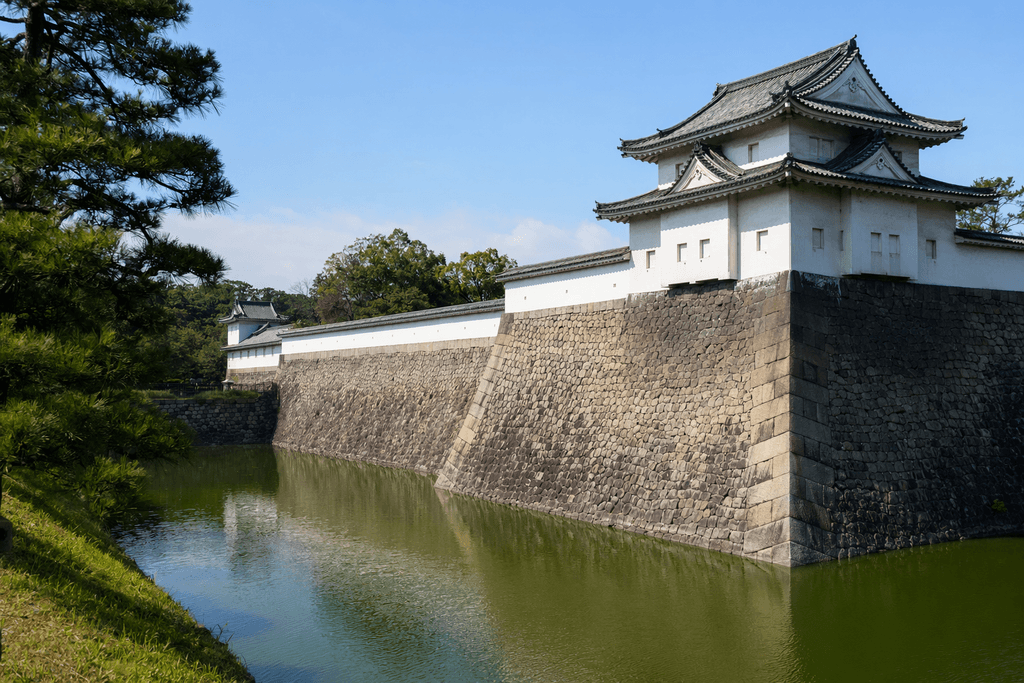
堀
parit benteng
堀
parit benteng
Explanation
堀
parit benteng
堀
parit / kanal / parit benteng
( romanization )
( hiragana )
歯車
roda gigi
歯車
roda gigi
Explanation
歯車
roda gigi
歯車
roda gigi / gir (roda bergigi)

( Base form )
( romanization )
( kyūjitai )
( hiragana )
盗難
pencurian
盗難
pencurian
Explanation
盗難
pencurian
盗難
pencurian / kecurian / kehilangan karena dicuri

( Base form )
( romanization )
( hiragana )
深夜
larut malam
深夜
larut malam
Explanation
深夜
larut malam
深夜
tengah malam / larut malam

( Base form )
( romanization )
( hiragana )
とまる
tinggal / berhenti
とまる
tinggal / berhenti
Explanation
tinggal / berhenti
とまる
berhenti / menginap

Word Forms
The basic and commonly used forms of this verb.
Basic forms
| Form | Word form | Usage |
|---|---|---|
| Imperfective form (mizenkei) |
Alternative:
とまろ
|
Connects to endings such as nai, reru, and seru. |
| Continuative form (renyokei) | Connects to endings such as masu, tai, and ta. | |
| Conclusive form (shushikei) | Ends a sentence and serves as the dictionary form. | |
| Attributive form (rentaikei) | Modifies a noun. | |
| Conditional form (kateikei) | Combines with ba to express a condition. | |
| Imperative form (meireikei) | Expresses a command or instruction. |
Common forms
| Form | Word form | Usage |
|---|---|---|
| Te-form | Connects clauses with te. | |
| Ta-form | Expresses the past with ta. | |
| Nai-form | Expresses negation with nai. | |
| Masu-form | Used for polite speech. | |
| Ba-form | Expresses a condition with ba. | |
| Volitional form | Expresses intention or invitation. |
Notes
棄てる
membuang / meninggalkan
棄てる
membuang / meninggalkan
Explanation
棄てる
membuang / meninggalkan
棄てる
membuang / meninggalkan / mengabaikan

Word Forms
The basic and commonly used forms of this verb.
Basic forms
| Form | Word form | Usage |
|---|---|---|
| Imperfective form (mizenkei) |
Alternative:
捨て
|
Connects to endings such as nai, reru, and seru. |
| Continuative form (renyokei) |
Alternative:
捨て
|
Connects to endings such as masu, tai, and ta. |
| Conclusive form (shushikei) |
Alternative:
捨てる
|
Ends a sentence and serves as the dictionary form. |
| Attributive form (rentaikei) |
Alternative:
捨てる
|
Modifies a noun. |
| Conditional form (kateikei) |
Alternative:
捨てれ
|
Combines with ba to express a condition. |
| Imperative form (meireikei) |
Alternative:
棄てよ
捨てろ
捨てよ
|
Expresses a command or instruction. |
Common forms
| Form | Word form | Usage |
|---|---|---|
| Te-form |
Alternative:
捨てて
|
Connects clauses with te. |
| Ta-form |
Alternative:
捨てた
|
Expresses the past with ta. |
| Nai-form |
Alternative:
捨てない
|
Expresses negation with nai. |
| Masu-form |
Alternative:
捨てます
|
Used for polite speech. |
| Ba-form |
Alternative:
捨てれば
|
Expresses a condition with ba. |
| Volitional form |
Alternative:
捨てよう
|
Expresses intention or invitation. |
Notes
貨物
kargo
貨物
kargo
Explanation
貨物
kargo
貨物
kargo / muatan / barang angkutan

( Base form )
( romanization )
( hiragana )
そうして
lalu / dengan cara itu
そうして
lalu / dengan cara itu
Explanation
lalu / dengan cara itu
そうして
dan / lalu / dengan demikian

( romanization )
通ずる
berkomunikasi / terhubung
通ずる
berkomunikasi / terhubung
Explanation
通ずる
berkomunikasi / terhubung
通ずる
terhubung; mengarah ke / tersambung (listrik, telepon) / dipahami atau diakui

Word Forms
The basic and commonly used forms of this verb.
Basic forms
| Form | Word form | Usage |
|---|---|---|
| Imperfective form (mizenkei) |
Alternative:
通ぜ
|
Connects to endings such as nai, reru, and seru. |
| Continuative form (renyokei) | Connects to endings such as masu, tai, and ta. | |
| Conclusive form (shushikei) | Ends a sentence and serves as the dictionary form. | |
| Attributive form (rentaikei) | Modifies a noun. | |
| Conditional form (kateikei) | Combines with ba to express a condition. | |
| Imperative form (meireikei) |
Alternative:
通じよ
通ぜよ
|
Expresses a command or instruction. |
Common forms
| Form | Word form | Usage |
|---|---|---|
| Te-form | Connects clauses with te. | |
| Ta-form | Expresses the past with ta. | |
| Nai-form | Expresses negation with nai. | |
| Masu-form | Used for polite speech. | |
| Ba-form | Expresses a condition with ba. | |
| Volitional form | Expresses intention or invitation. |
Notes
売り切れる
terjual habis
売り切れる
terjual habis
Explanation
売り切れる
terjual habis
売り切れる
habis terjual / terjual habis / kehabisan stok

Word Forms
The basic and commonly used forms of this verb.
Basic forms
| Form | Word form | Usage |
|---|---|---|
| Imperfective form (mizenkei) |
Alternative:
売切れ
売りきれ
|
Connects to endings such as nai, reru, and seru. |
| Continuative form (renyokei) |
Alternative:
売切れ
売りきれ
|
Connects to endings such as masu, tai, and ta. |
| Conclusive form (shushikei) |
Alternative:
売切れる
売りきれる
|
Ends a sentence and serves as the dictionary form. |
| Attributive form (rentaikei) |
Alternative:
売切れる
売りきれる
|
Modifies a noun. |
| Conditional form (kateikei) |
Alternative:
売切れれ
売りきれれ
|
Combines with ba to express a condition. |
| Imperative form (meireikei) |
Alternative:
売切れろ
売りきれろ
売り切れよ
売切れよ
売りきれよ
|
Expresses a command or instruction. |
Common forms
| Form | Word form | Usage |
|---|---|---|
| Te-form |
Alternative:
売切れて
売りきれて
|
Connects clauses with te. |
| Ta-form |
Alternative:
売切れた
売りきれた
|
Expresses the past with ta. |
| Nai-form |
Alternative:
売切れない
売りきれない
|
Expresses negation with nai. |
| Masu-form |
Alternative:
売切れます
売りきれます
|
Used for polite speech. |
| Ba-form |
Alternative:
売切れれば
売りきれれば
|
Expresses a condition with ba. |
| Volitional form |
Alternative:
売切れよう
売りきれよう
|
Expresses intention or invitation. |
Loading...

JLPT N2 多言語単語帳・1790語 / JLPT N2 Multilingual Vocabulary: 1790 Words

Jonathan Waller 氏の JLPT Resources の語彙リスト・レベル分類を出典とし、CC BY の条件に従って DiQt が学習者向けに意味を作り直した1790語の単語帳です。JLPT公式の語彙リストではありません。
This collection of 1790 words is based on the vocabulary list and level classifications in Jonathan Waller’s JLPT Resources under CC BY, with meanings rewritten by DiQt for learners. It is not an official JLPT vocabulary list.
Key Operations
Select the first quiz:
Ctrl + Enter
View Explanation:Ctrl + G
Close a feedback:Esc
When selecting a quiz
Answer:Enter
Select a choice:↓ or ↑
Reading out the question:Ctrl + K
View Hint: Ctrl + M
I don't know: Ctrl + Y



