
JLPT N2: Latihan arti kata - Unsolved

Pelajari arti 1790 kata JLPT N2 dalam bahasa Indonesia melalui soal dengan empat pilihan jawaban.
-
putih bersih
-
landai
-
tidak perlu / berlebihan
- 「別々」は名詞的・副詞的にも用いられ、「別々に」「別々で」「別々の」の形がよく使われます。
-
dengan cara ini
-
agak
-
kebingungan
-
daun musim gugur
-
jam alarm
-
paparan sinar matahari
-
postur / sikap
-
pembersihan
-
musim
-
sangat besar
-
biru pekat / pucat pasi
-
langsing / bergaya
- 「凸凹」は名詞的にも用いられるが、ここでは「凸凹だ/凸凹な」のナ形容詞として扱う。
- 表記は「凸凹」のほか、仮名書き「でこぼこ」も一般的。
-
tenggat waktu
-
mandi laut
-
anak laki-laki kecil
-
dadah
-
selamat malam
-
coba saya pikir
-
peningkatan
-
terusan
-
bahan referensi / data
-
nyamuk
-
putri raja
-
penghapusan
-
kedinginan sekali
-
tumbuh lebat
-
mendendam
別々
terpisah
別々
terpisah
Explanation
別々
terpisah
別々
terpisah / masing-masing / sendiri-sendiri

Word Forms
The basic and commonly used forms of this adjectival noun.
Basic forms
| Form | Word form | Usage |
|---|---|---|
| Imperfective form (mizenkei) | Used in forms such as darou. | |
| Continuative form (renyokei) |
Alternative:
別々に
|
Used with de or ni. |
| Conclusive form (shushikei) | Ends a sentence with da. | |
| Attributive form (rentaikei) |
Alternative:
別々の
|
Modifies a noun with na. |
| Conditional form (kateikei) |
Alternative:
別々であれば
|
Expresses a condition with nara. |
| Imperative form (meireikei) | Used in formal expressions such as de are. |
Common forms
| Form | Word form | Usage |
|---|---|---|
| Te-form equivalent | Connects clauses using de. | |
| Ta-form |
Alternative:
別々でした
|
Expresses the past with datta. |
| Nai-form |
Alternative:
別々じゃない
|
Expresses negation with dewa nai or ja nai. |
| Desu-form | Used for polite speech. |
Notes
あくまで
sampai akhir / semata-mata
あくまで
sampai akhir / semata-mata
Explanation
sampai akhir / semata-mata
あくまで
sampai akhir / sampai tuntas / dengan gigih

( hiragana historical )
有無
keberadaan / ketiadaan
有無
keberadaan / ketiadaan
Explanation
有無
keberadaan / ketiadaan
有無
keberadaan atau ketiadaan / ada atau tidaknya / eksistensi atau tidak

( Base form )
( romanization )
( hiragana )
ローマ字
huruf Latin / romanisasi
ローマ字
huruf Latin / romanisasi
Explanation
ローマ字
huruf Latin / romanisasi
ローマ字
alfabet Latin / romaji; penulisan bahasa Jepang dengan huruf Latin

凸凹
tidak rata
凸凹
tidak rata
Explanation
凸凹
tidak rata
凸凹
ketidakrataan (permukaan) / tonjolan dan cekungan / ketidakteraturan

Word Forms
The basic and commonly used forms of this adjectival noun.
Basic forms
| Form | Word form | Usage |
|---|---|---|
| Imperfective form (mizenkei) |
Alternative:
でこぼこだろ
|
Used in forms such as darou. |
| Continuative form (renyokei) |
Alternative:
でこぼこで
凸凹に
でこぼこに
|
Used with de or ni. |
| Conclusive form (shushikei) |
Alternative:
でこぼこだ
|
Ends a sentence with da. |
| Attributive form (rentaikei) |
Alternative:
でこぼこな
|
Modifies a noun with na. |
| Conditional form (kateikei) |
Alternative:
でこぼこなら
|
Expresses a condition with nara. |
| Imperative form (meireikei) |
Alternative:
でこぼこであれ
|
Used in formal expressions such as de are. |
Common forms
| Form | Word form | Usage |
|---|---|---|
| Te-form equivalent |
Alternative:
でこぼこで
|
Connects clauses using de. |
| Ta-form |
Alternative:
でこぼこだった
|
Expresses the past with datta. |
| Nai-form |
Alternative:
でこぼこではない
凸凹じゃない
でこぼこじゃない
|
Expresses negation with dewa nai or ja nai. |
| Desu-form |
Alternative:
でこぼこです
|
Used for polite speech. |
Notes
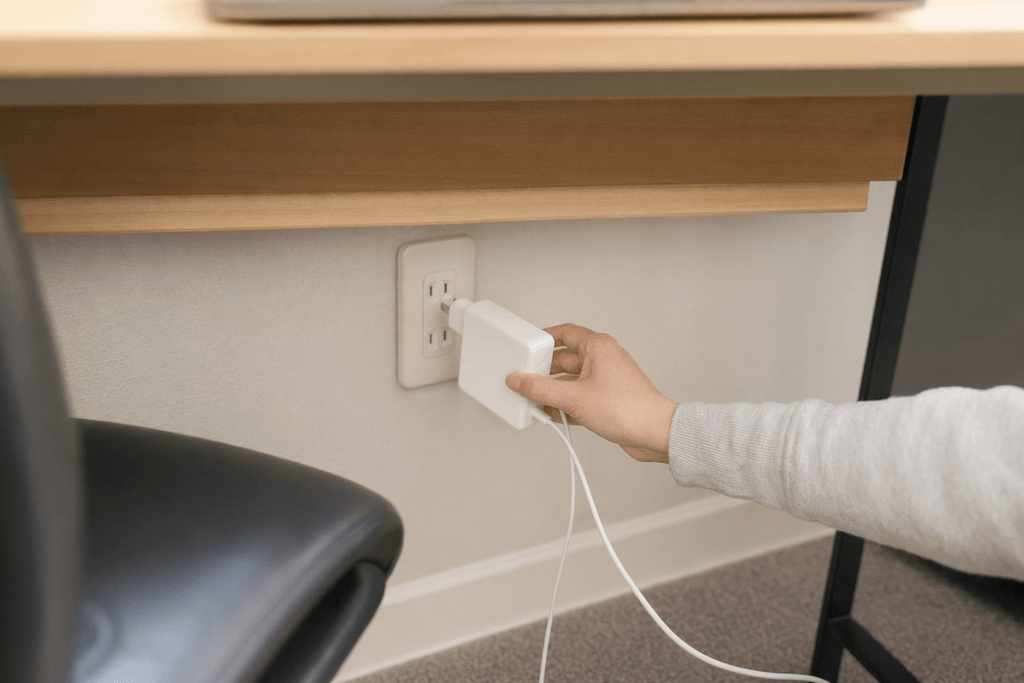
コンセント
stopkontak
コンセント
stopkontak
Explanation
stopkontak
コンセント
stopkontak / soket listrik / outlet listrik
( romanization )
行っていらっしゃい
hati-hati di jalan
行っていらっしゃい
hati-hati di jalan
Explanation
行っていらっしゃい
hati-hati di jalan
行っていらっしゃい
Selamat jalan / Hati-hati di jalan / Sapaan kepada orang yang hendak pergi (diharapkan kembali)
Saya tahu Anda gugup tentang presentasi besok, tetapi Anda telah mempersiapkan diri dengan matang, jadi pergilah dengan percaya diri dan semoga hari Anda baik.

( romanization )
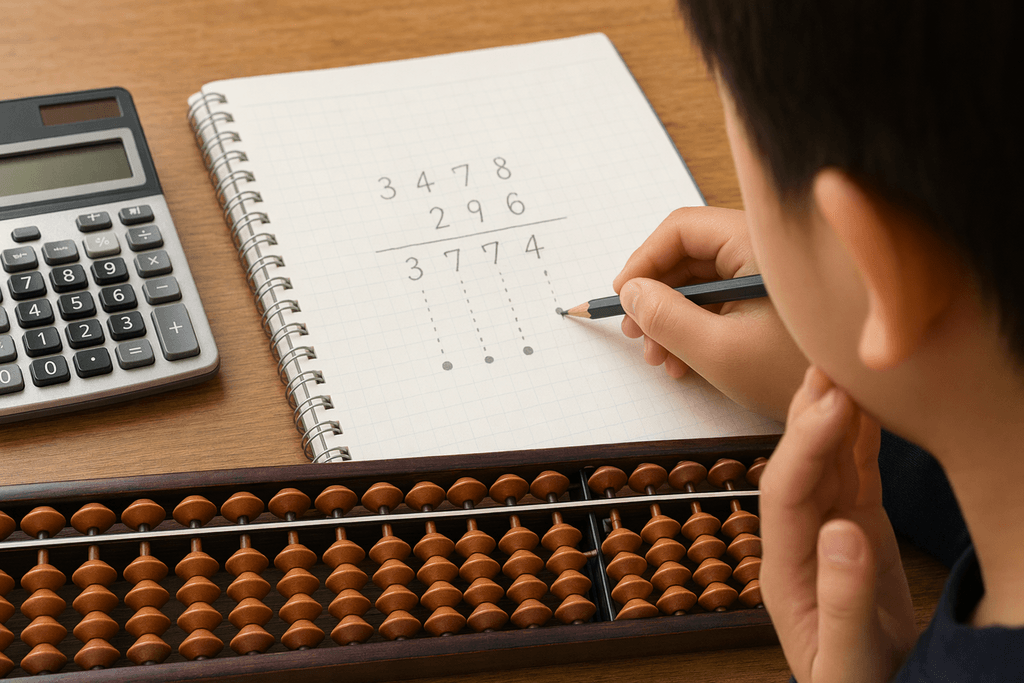
桁
digit / balok penyangga
桁
digit / balok penyangga
Explanation
桁
digit / balok penyangga
桁
digit (angka) / gelagar (balok melintang) / batang sempoa
( romanization )
( hiragana )
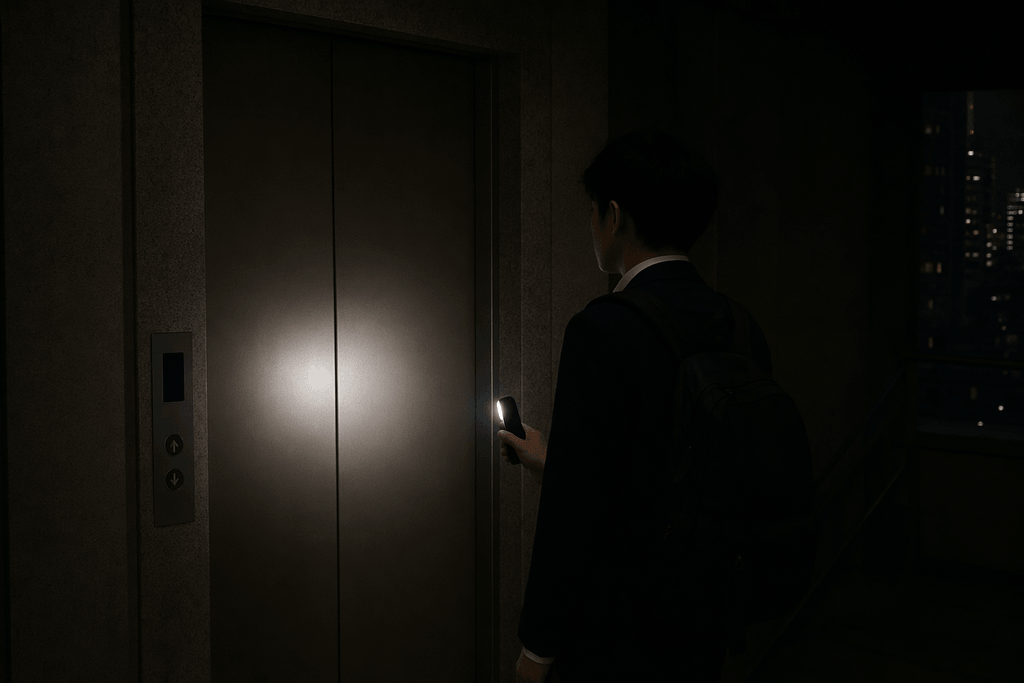
停電
pemadaman listrik
停電
pemadaman listrik
Explanation
停電
pemadaman listrik
停電
pemadaman listrik / mati listrik / gangguan listrik skala besar
( Base form )
( romanization )
( hiragana )
砕く
menghancurkan
砕く
menghancurkan
Explanation
砕く
menghancurkan
砕く
menghancurkan atau memecahkan / menggiling atau mengunyah / mematahkan harapan

Word Forms
The basic and commonly used forms of this verb.
Basic forms
| Form | Word form | Usage |
|---|---|---|
| Imperfective form (mizenkei) |
Alternative:
砕こ
|
Connects to endings such as nai, reru, and seru. |
| Continuative form (renyokei) | Connects to endings such as masu, tai, and ta. | |
| Conclusive form (shushikei) | Ends a sentence and serves as the dictionary form. | |
| Attributive form (rentaikei) | Modifies a noun. | |
| Conditional form (kateikei) | Combines with ba to express a condition. | |
| Imperative form (meireikei) | Expresses a command or instruction. |
Common forms
Loading...

JLPT N2 多言語単語帳・1790語 / JLPT N2 Multilingual Vocabulary: 1790 Words

Jonathan Waller 氏の JLPT Resources の語彙リスト・レベル分類を出典とし、CC BY の条件に従って DiQt が学習者向けに意味を作り直した1790語の単語帳です。JLPT公式の語彙リストではありません。
This collection of 1790 words is based on the vocabulary list and level classifications in Jonathan Waller’s JLPT Resources under CC BY, with meanings rewritten by DiQt for learners. It is not an official JLPT vocabulary list.
Key Operations
Select the first quiz:
Ctrl + Enter
View Explanation:Ctrl + G
Close a feedback:Esc
When selecting a quiz
Answer:Enter
Select a choice:↓ or ↑
Reading out the question:Ctrl + K
View Hint: Ctrl + M
I don't know: Ctrl + Y



