
JLPT N2: Latihan arti kata - Unsolved

Pelajari arti 1790 kata JLPT N2 dalam bahasa Indonesia melalui soal dengan empat pilihan jawaban.
-
mengeringkan
-
membidik tujuan
-
meleleh / larut
-
terekam dalam foto
-
membasahi
-
menerjemahkan
- 五段活用(マ行)の自動詞。
-
percepatan gerak
-
jejak kaki
-
peminjaman barang
-
ketidaklangsungan
-
sisir
-
pengantar umum
-
orang yang lebih senior
-
kolom tulisan / kolom isian
-
statistik
-
panas lembap
-
terus mendesak / membuat enek
-
menyilaukan
- 漢字表記に「喧しい」がある。
- 命令形「やかましかれ」は現代語では稀。
-
loket pelayanan
-
ban
-
masing-masing orang
-
keliling lingkaran
-
gedung sekolah
-
program
-
buku tiket
-
sampul
-
tingkat pemula
-
terima kasih atas hidangannya
-
baik, saya mengerti
-
senang berkenalan
揃える
menata / menyeragamkan
揃える
menata / menyeragamkan
Explanation
揃える
menata / menyeragamkan
揃える
mengumpulkan / menata

Word Forms
The basic and commonly used forms of this verb.
Basic forms
| Form | Word form | Usage |
|---|---|---|
| Imperfective form (mizenkei) | Connects to endings such as nai, reru, and seru. | |
| Continuative form (renyokei) | Connects to endings such as masu, tai, and ta. | |
| Conclusive form (shushikei) | Ends a sentence and serves as the dictionary form. | |
| Attributive form (rentaikei) | Modifies a noun. | |
| Conditional form (kateikei) | Combines with ba to express a condition. | |
| Imperative form (meireikei) |
Alternative:
揃えよ
|
Expresses a command or instruction. |
Common forms
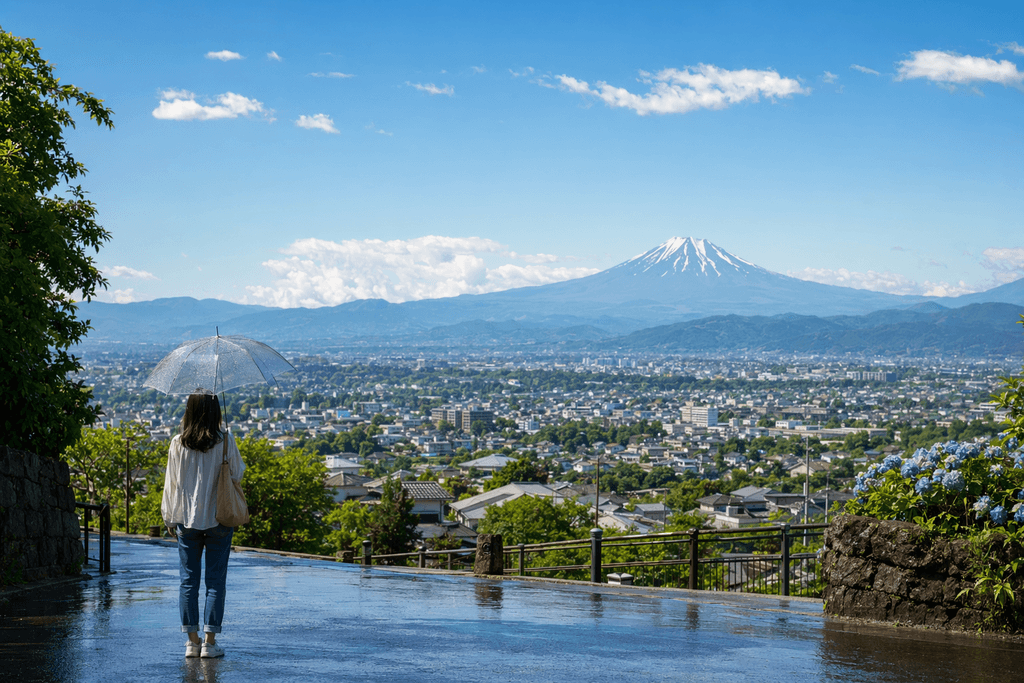
澄む
menjadi jernih
澄む
menjadi jernih
Explanation
澄む
menjadi jernih
澄む
menjadi jernih/bening; transparan / (tentang cuaca) menjadi cerah / (tentang suara/perasaan) menjadi jernih; tenang
Word Forms
The basic and commonly used forms of this verb.
Basic forms
| Form | Word form | Usage |
|---|---|---|
| Imperfective form (mizenkei) |
Alternative:
澄も
|
Connects to endings such as nai, reru, and seru. |
| Continuative form (renyokei) | Connects to endings such as masu, tai, and ta. | |
| Conclusive form (shushikei) | Ends a sentence and serves as the dictionary form. | |
| Attributive form (rentaikei) | Modifies a noun. | |
| Conditional form (kateikei) | Combines with ba to express a condition. | |
| Imperative form (meireikei) | Expresses a command or instruction. |
Common forms
| Form | Word form | Usage |
|---|---|---|
| Te-form | Connects clauses with te. | |
| Ta-form | Expresses the past with ta. | |
| Nai-form |
Alternative:
澄まぬ
|
Expresses negation with nai. |
| Masu-form | Used for polite speech. | |
| Ba-form | Expresses a condition with ba. | |
| Volitional form | Expresses intention or invitation. |
Notes
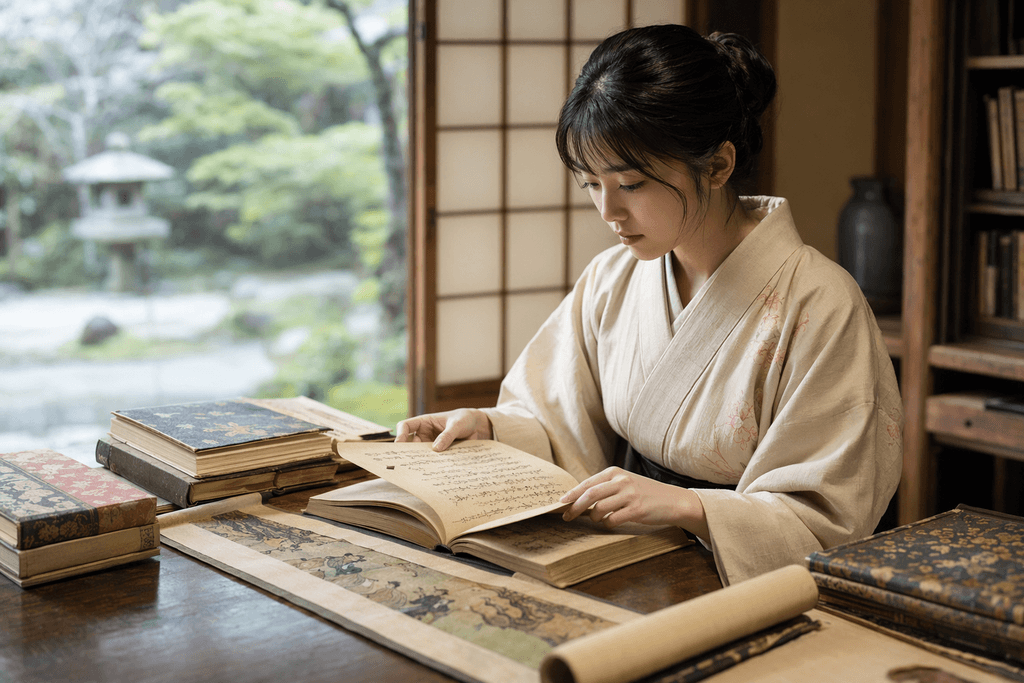
古典
karya klasik
古典
karya klasik
Explanation
古典
karya klasik
古典
karya klasik / sastra klasik / naskah klasik
( Base form )
( romanization )
( hiragana )
バック
belakang
バック
belakang
Explanation
belakang
バック
bagian belakang / gerak mundur / latar belakang

( romanization )
光線
sinar cahaya
光線
sinar cahaya
Explanation
光線
sinar cahaya
光線
sinar cahaya / berkas cahaya / spektrum (cahaya)

( Base form )
( romanization )
( hiragana )
やかましい
berisik / rewel
やかましい
berisik / rewel
Explanation
berisik / rewel
やかましい
berisik / cerewet / rewel

Word Forms
The basic and commonly used forms of this adjective.
Basic forms
| Form | Word form | Usage |
|---|---|---|
| Imperfective form (mizenkei) | Used in forms such as karou; mainly literary. | |
| Continuative form (renyokei) |
Alternative:
やかましかっ
|
Used in forms such as kute and kunai. |
| Conclusive form (shushikei) |
Alternative:
喧しい
|
Ends a sentence. |
| Attributive form (rentaikei) |
Alternative:
喧しい
|
Modifies a noun. |
| Conditional form (kateikei) | Expresses a condition with kereba. | |
| Imperative form (meireikei) | Rarely used in modern Japanese. |
Common forms
| Form | Word form | Usage |
|---|---|---|
| Te-form | Connects clauses with kute. | |
| Ta-form | Expresses the past with katta. | |
| Nai-form | Expresses negation with kunai. | |
| Ba-form |
Alternative:
やかましけりゃ
|
Expresses a condition with kereba. |
Notes
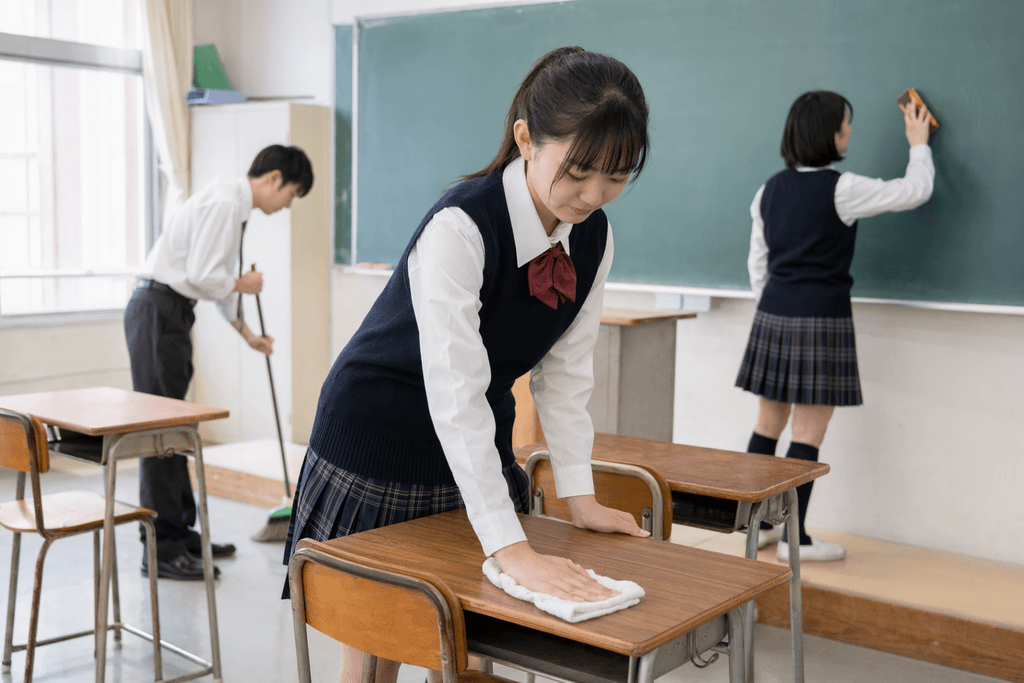
当番
giliran tugas
当番
giliran tugas
Explanation
当番
giliran tugas
当番
piket / giliran tugas / petugas piket
( Base form )
( romanization )
( hiragana )
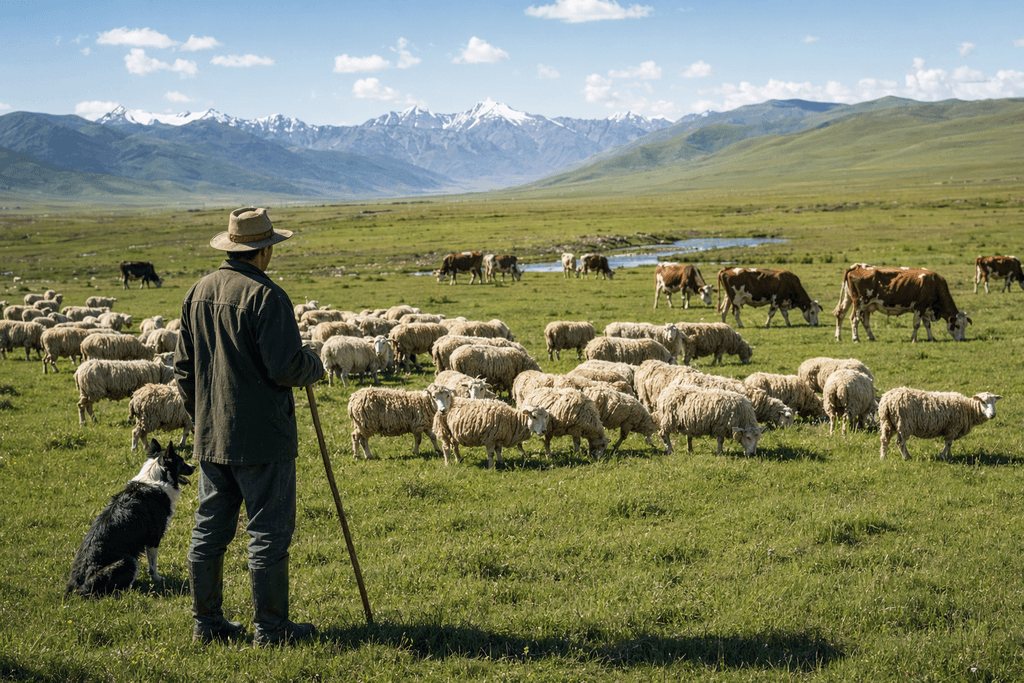
牧畜
peternakan hewan
牧畜
peternakan hewan
Explanation
牧畜
peternakan hewan
牧畜
peternakan / pemeliharaan ternak / usaha beternak
( Base form )
( romanization )
( hiragana )
チョーク
kapur tulis
チョーク
kapur tulis
Explanation
kapur tulis
チョーク
kapur tulis / kapur untuk menandai

( romanization )
おかげさまで
berkat Anda
おかげさまで
berkat Anda
Explanation
berkat Anda
おかげさまで
Berkat Anda / Terima kasih atas bantuan Anda / Syukurlah, berkat Anda

Loading...

JLPT N2 多言語単語帳・1790語 / JLPT N2 Multilingual Vocabulary: 1790 Words

Jonathan Waller 氏の JLPT Resources の語彙リスト・レベル分類を出典とし、CC BY の条件に従って DiQt が学習者向けに意味を作り直した1790語の単語帳です。JLPT公式の語彙リストではありません。
This collection of 1790 words is based on the vocabulary list and level classifications in Jonathan Waller’s JLPT Resources under CC BY, with meanings rewritten by DiQt for learners. It is not an official JLPT vocabulary list.
Key Operations
Select the first quiz:
Ctrl + Enter
View Explanation:Ctrl + G
Close a feedback:Esc
When selecting a quiz
Answer:Enter
Select a choice:↓ or ↑
Reading out the question:Ctrl + K
View Hint: Ctrl + M
I don't know: Ctrl + Y



