
JLPT N2: Latihan arti kata - Unsolved

Pelajari arti 1790 kata JLPT N2 dalam bahasa Indonesia melalui soal dengan empat pilihan jawaban.
-
tidak tahu malu
-
sayang / terlalu baik untuk diterima
-
disambut baik / bersyukur
- 「みっともない」は語末に「ない」を含むが、全体で一語のイ形容詞として活用する。
-
merasakan
-
termasuk dalam
-
tersumbat
-
perekrutan
-
lemari berlaci
-
kaum muda
-
landai
-
soal selera
-
sengsara
-
pencegahan
-
minus
-
permainan go
-
status bersekolah
-
katakana
-
rel kereta api
-
saya minta maaf
-
tidak tahu malu
-
jernih / suci
-
jadwal pelajaran
-
helikopter
-
kemerosotan
-
tidak berharga / sepele
-
tidak terduga
-
pendiam / penurut
-
bergema
-
menghamparkan / menebarkan
-
bersandar / terasa berat di perut
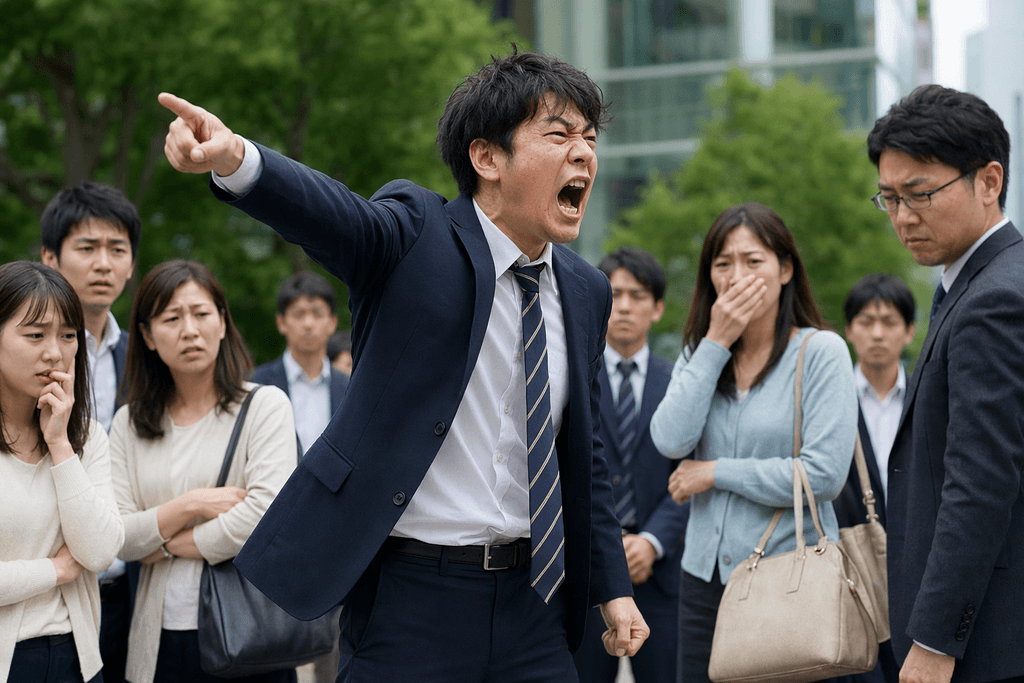
みっともない
tidak pantas
みっともない
tidak pantas
Explanation
tidak pantas
みっともない
memalukan / tidak pantas / tidak sedap dipandang
Word Forms
The basic and commonly used forms of this adjective.
Basic forms
| Form | Word form | Usage |
|---|---|---|
| Imperfective form (mizenkei) | Used in forms such as karou; mainly literary. | |
| Continuative form (renyokei) |
Alternative:
みっともなかっ
|
Used in forms such as kute and kunai. |
| Conclusive form (shushikei) |
Alternative:
見っともない
|
Ends a sentence. |
| Attributive form (rentaikei) |
Alternative:
見っともない
|
Modifies a noun. |
| Conditional form (kateikei) | Expresses a condition with kereba. | |
| Imperative form (meireikei) | Rarely used in modern Japanese. |
Common forms
| Form | Word form | Usage |
|---|---|---|
| Te-form |
Alternative:
みっともなくって
|
Connects clauses with kute. |
| Ta-form | Expresses the past with katta. | |
| Nai-form | Expresses negation with kunai. | |
| Ba-form | Expresses a condition with kereba. |
Notes
生える
tumbuh
生える
tumbuh
Explanation
生える
tumbuh
生える
tumbuh / bertunas / tumbuh gigi (pada bayi)

Word Forms
The basic and commonly used forms of this verb.
Basic forms
| Form | Word form | Usage |
|---|---|---|
| Imperfective form (mizenkei) | Connects to endings such as nai, reru, and seru. | |
| Continuative form (renyokei) | Connects to endings such as masu, tai, and ta. | |
| Conclusive form (shushikei) | Ends a sentence and serves as the dictionary form. | |
| Attributive form (rentaikei) | Modifies a noun. | |
| Conditional form (kateikei) | Combines with ba to express a condition. | |
| Imperative form (meireikei) |
Alternative:
生えよ
|
Expresses a command or instruction. |
Common forms
当たり前
wajar / biasa
当たり前
wajar / biasa
Explanation
当たり前
wajar / biasa
当たり前
hal yang biasa / umum / wajar
Bahkan jika berhasil, aku tidak menganggapnya sebagai sesuatu yang wajar dan berusaha untuk tidak melupakan rasa terima kasih kepada orang-orang di sekitarku.

( romanization )
フリー
gratis / tanpa batasan
フリー
gratis / tanpa batasan
Explanation
gratis / tanpa batasan
フリー
gratis / bebas; tidak terikat janji/kontrak atau sistem / tanpa (sesuatu)

Word Forms
The basic and commonly used forms of this adjectival noun.
Basic forms
| Form | Word form | Usage |
|---|---|---|
| Imperfective form (mizenkei) | Used in forms such as darou. | |
| Continuative form (renyokei) |
Alternative:
フリーに
フリーだっ
|
Used with de or ni. |
| Conclusive form (shushikei) |
Alternative:
フリーである
|
Ends a sentence with da. |
| Attributive form (rentaikei) |
Alternative:
フリーである
|
Modifies a noun with na. |
| Conditional form (kateikei) |
Alternative:
フリーであれば
|
Expresses a condition with nara. |
| Imperative form (meireikei) | Used in formal expressions such as de are. |
Common forms
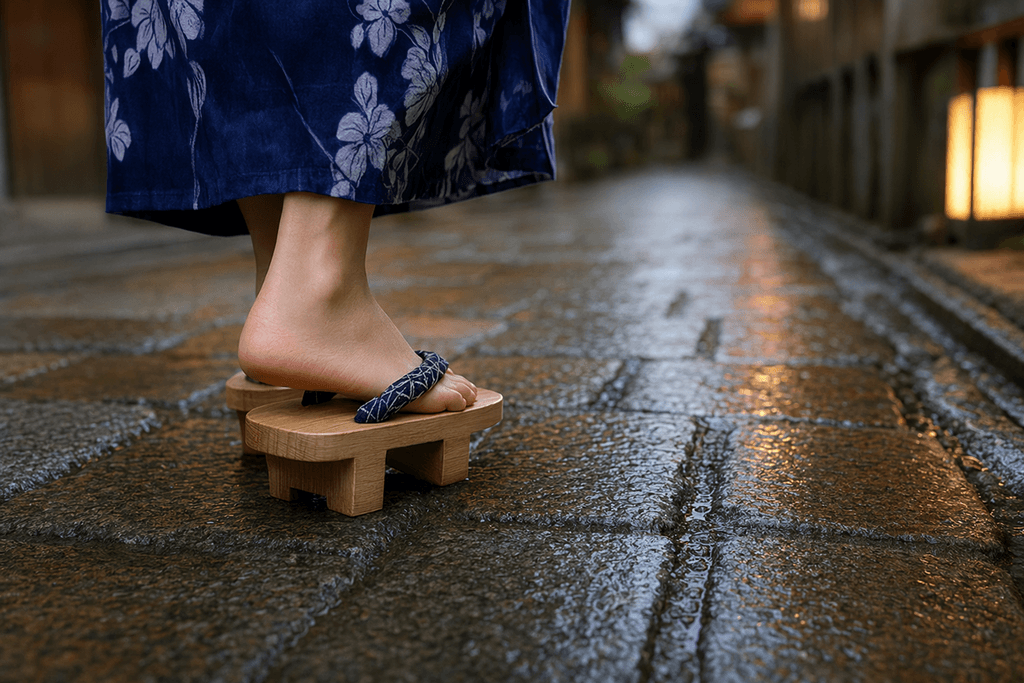
下駄
bakiak
下駄
bakiak
Explanation
下駄
bakiak
下駄
sandal kayu tradisional Jepang dengan dua balok penyangga di bawah / terompah kayu bertapak tinggi khas Jepang / alas kaki kayu Jepang dengan satu atau dua penopang di bawah
( Base form )
( romanization )
( hiragana )
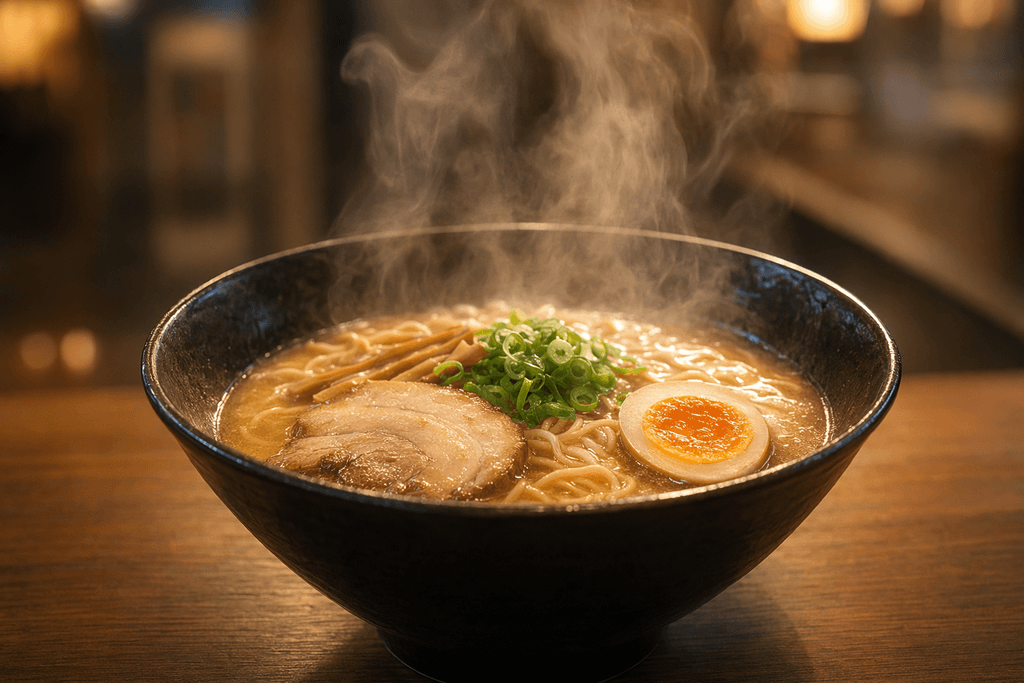
湯気
uap air
湯気
uap air
Explanation
湯気
uap air
湯気
uap / uap air / uap panas dari air/masakan
( Base form )
( romanization )
( kyūjitai )
( hiragana )
惜しい
disayangkan / berharga
惜しい
disayangkan / berharga
Explanation
惜しい
disayangkan / berharga
惜しい
disayangkan / sayang untuk dibuang / nyaris

Word Forms
The basic and commonly used forms of this adjective.
Basic forms
| Form | Word form | Usage |
|---|---|---|
| Imperfective form (mizenkei) | Used in forms such as karou; mainly literary. | |
| Continuative form (renyokei) |
Alternative:
惜しかっ
|
Used in forms such as kute and kunai. |
| Conclusive form (shushikei) | Ends a sentence. | |
| Attributive form (rentaikei) | Modifies a noun. | |
| Conditional form (kateikei) | Expresses a condition with kereba. | |
| Imperative form (meireikei) | Rarely used in modern Japanese. |
Common forms
郵送
pengiriman lewat pos
郵送
pengiriman lewat pos
Explanation
郵送
pengiriman lewat pos
郵送
pengiriman melalui pos / pengiriman surat atau paket lewat pos

( Base form )
( romanization )
( romanization )
( hiragana historical )
( hiragana )
怪しい
mencurigakan / meragukan
怪しい
mencurigakan / meragukan
Explanation
怪しい
mencurigakan / meragukan
怪しい
mencurigakan/meragukan / canggung/tidak mantap / seram/angker

Word Forms
The basic and commonly used forms of this adjective.
Basic forms
| Form | Word form | Usage |
|---|---|---|
| Imperfective form (mizenkei) | Used in forms such as karou; mainly literary. | |
| Continuative form (renyokei) |
Alternative:
怪しかっ
|
Used in forms such as kute and kunai. |
| Conclusive form (shushikei) | Ends a sentence. | |
| Attributive form (rentaikei) | Modifies a noun. | |
| Conditional form (kateikei) | Expresses a condition with kereba. | |
| Imperative form (meireikei) | Rarely used in modern Japanese. |
Common forms
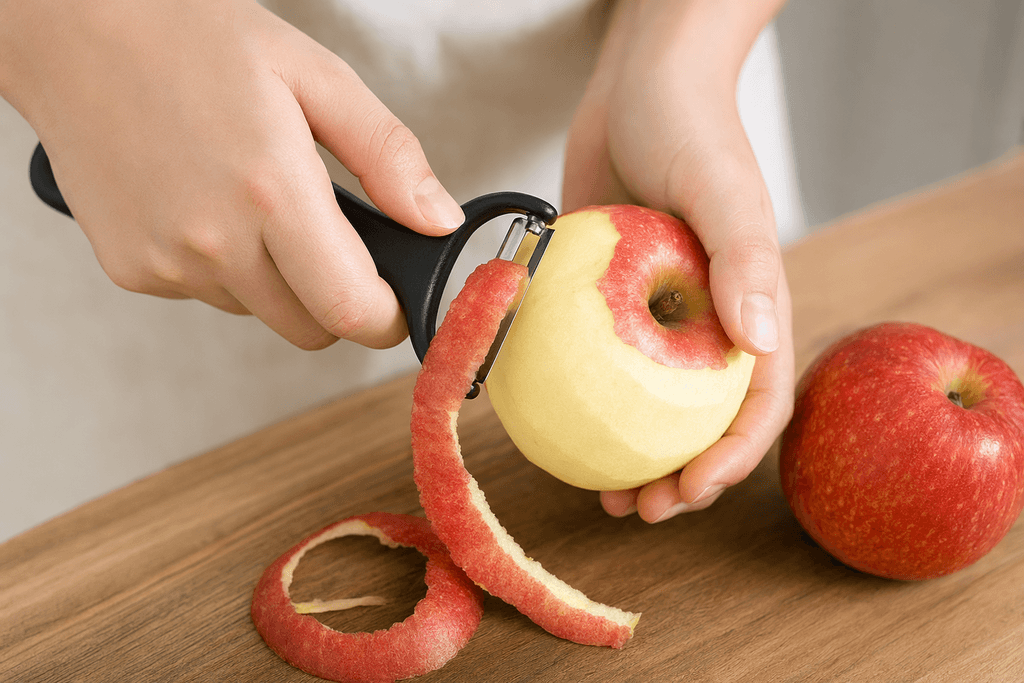
剥く
mengupas
剥く
mengupas
Explanation
剥く
mengupas
剥く
mengupas / menguliti / melepaskan kulit atau cangkang
Word Forms
The basic and commonly used forms of this verb.
Basic forms
| Form | Word form | Usage |
|---|---|---|
| Imperfective form (mizenkei) |
Alternative:
剥こ
|
Connects to endings such as nai, reru, and seru. |
| Continuative form (renyokei) | Connects to endings such as masu, tai, and ta. | |
| Conclusive form (shushikei) | Ends a sentence and serves as the dictionary form. | |
| Attributive form (rentaikei) | Modifies a noun. | |
| Conditional form (kateikei) | Combines with ba to express a condition. | |
| Imperative form (meireikei) | Expresses a command or instruction. |
Common forms
Loading...

JLPT N2 多言語単語帳・1790語 / JLPT N2 Multilingual Vocabulary: 1790 Words

Jonathan Waller 氏の JLPT Resources の語彙リスト・レベル分類を出典とし、CC BY の条件に従って DiQt が学習者向けに意味を作り直した1790語の単語帳です。JLPT公式の語彙リストではありません。
This collection of 1790 words is based on the vocabulary list and level classifications in Jonathan Waller’s JLPT Resources under CC BY, with meanings rewritten by DiQt for learners. It is not an official JLPT vocabulary list.
Key Operations
Select the first quiz:
Ctrl + Enter
View Explanation:Ctrl + G
Close a feedback:Esc
When selecting a quiz
Answer:Enter
Select a choice:↓ or ↑
Reading out the question:Ctrl + K
View Hint: Ctrl + M
I don't know: Ctrl + Y



