
JLPT N2: Latihan arti kata - Unsolved

Pelajari arti 1790 kata JLPT N2 dalam bahasa Indonesia melalui soal dengan empat pilihan jawaban.
-
helikopter
-
kawat
-
gaya tarik gravitasi
-
pergi keluar
-
menggaruk / berkeringat
-
mendapat ide
-
matahari terbit
-
tekanan udara
-
lonceng
-
terbalik
-
menyangrai
-
menggelindingkan
-
parit benteng
-
kontras
-
kurang dari
-
kantor prefektur
-
partai politik
-
kenaikan dan penurunan
-
mulai sekarang / sejak itu
-
dengan susah payah / lama dinantikan
-
akhirnya / nyaris tidak
-
baik, saya mengerti
-
pertama-tama
-
apa boleh buat
-
lari / kaus tanpa lengan
-
program
-
mi udon
-
panjang / kelebihan dan kekurangan
-
pengurangan / saldo
-
ruang berlantai tatami
濃度
konsentrasi / kepekatan warna
濃度
konsentrasi / kepekatan warna
Explanation
濃度
konsentrasi / kepekatan warna
濃度
konsentrasi (kepekatan) / kepadatan (kadar zat dalam medium) / kardinalitas (teori himpunan)

( Base form )
( romanization )
( hiragana )
言いつける
menyuruh / mengadukan
言いつける
menyuruh / mengadukan
Explanation
言いつける
menyuruh / mengadukan
言いつける
menyuruh / memerintahkan / mengadu (melaporkan kesalahan)

Word Forms
The basic and commonly used forms of this verb.
Basic forms
| Form | Word form | Usage |
|---|---|---|
| Imperfective form (mizenkei) |
Alternative:
言い付け
|
Connects to endings such as nai, reru, and seru. |
| Continuative form (renyokei) |
Alternative:
言い付け
|
Connects to endings such as masu, tai, and ta. |
| Conclusive form (shushikei) |
Alternative:
言い付ける
|
Ends a sentence and serves as the dictionary form. |
| Attributive form (rentaikei) |
Alternative:
言い付ける
|
Modifies a noun. |
| Conditional form (kateikei) |
Alternative:
言い付けれ
|
Combines with ba to express a condition. |
| Imperative form (meireikei) |
Alternative:
言い付けろ
言いつけよ
言い付けよ
|
Expresses a command or instruction. |
Common forms
| Form | Word form | Usage |
|---|---|---|
| Te-form |
Alternative:
言い付けて
|
Connects clauses with te. |
| Ta-form |
Alternative:
言い付けた
|
Expresses the past with ta. |
| Nai-form |
Alternative:
言い付けない
|
Expresses negation with nai. |
| Masu-form |
Alternative:
言い付けます
|
Used for polite speech. |
| Ba-form |
Alternative:
言い付ければ
|
Expresses a condition with ba. |
| Volitional form |
Alternative:
言い付けよう
|
Expresses intention or invitation. |
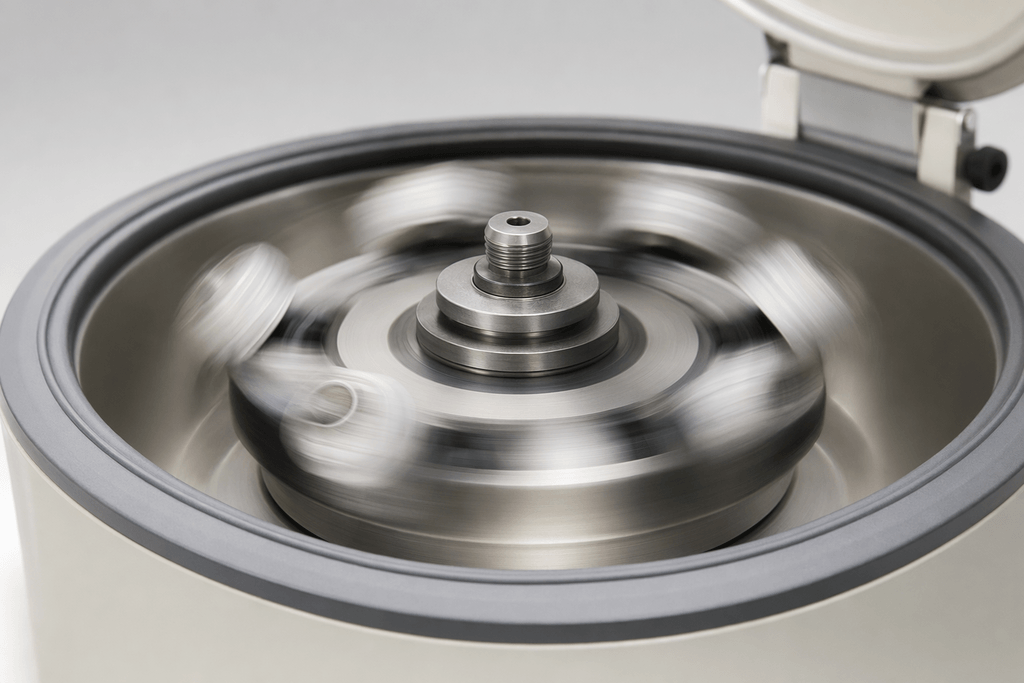
回転
rotasi
回転
rotasi
Explanation
回転
rotasi
回転
rotasi / perputaran / putaran
( Base form )
( romanization )
( kyūjitai )
( hiragana )
暖まる
menjadi hangat
暖まる
menjadi hangat
Explanation
暖まる
menjadi hangat
暖まる
menjadi hangat / menghangat / terasa hangat

Word Forms
The basic and commonly used forms of this verb.
Basic forms
| Form | Word form | Usage |
|---|---|---|
| Imperfective form (mizenkei) | Connects to endings such as nai, reru, and seru. | |
| Continuative form (renyokei) | Connects to endings such as masu, tai, and ta. | |
| Conclusive form (shushikei) | Ends a sentence and serves as the dictionary form. | |
| Attributive form (rentaikei) | Modifies a noun. | |
| Conditional form (kateikei) | Combines with ba to express a condition. | |
| Imperative form (meireikei) | Expresses a command or instruction. |
Common forms
寝間着
pakaian tidur
寝間着
pakaian tidur
Explanation
寝間着
pakaian tidur
寝間着
pakaian tidur / piyama / gaun tidur

( Base form )
( Base form )
( romanization )
感想
kesan
感想
kesan
Explanation
感想
kesan
感想
kesan / tanggapan / pendapat

( Base form )
( romanization )
( romanization )
( hiragana historical )
( hiragana )
ぴかぴか
berkilau
ぴかぴか
berkilau
Explanation
berkilau
ぴかぴか
berkilau / mengilap / kinclong

( Base form )
( Base form )
( romanization )
( adnominal )
( adverbial )
( table-tags )
( inflection-template )
( imperfective stem )
( imperfective stem )
( continuative stem )
( continuative stem )
( stem terminative )
( stem terminative )
( attributive stem )
( attributive stem )
( hypothetical stem )
( hypothetical stem )
( Imperative stem )
( Imperative stem )
( informal negative )
( informal negative )
( informal negative )
( informal negative )
( informal Past )
( informal Past )
( informal negative Past )
( informal negative Past )
( informal negative Past )
( informal negative Past )
( formal )
( formal )
( formal negative )
( formal negative )
( formal negative )
( formal negative )
( formal Past )
( formal Past )
( formal negative Past )
( formal negative Past )
( formal negative Past )
( formal negative Past )
( conjunctive )
( conjunctive )
( Conditional )
( Conditional )
( Conditional Past )
( Conditional Past )
( volitional )
( volitional )
( adverbial )
( adverbial )
( noun-from-adj )
( noun-from-adj )
お願いします
tolong
お願いします
tolong
Explanation
お願いします
tolong
お願いします
tolong / mohon / harap

( Base form )
( romanization )
( romanization )
( hiragana historical )
エプロン
celemek
エプロン
celemek
Explanation
celemek
エプロン
celemek (pakaian) / area parkir pesawat di bandara

( romanization )
日差し
sinar matahari
日差し
sinar matahari
Explanation
日差し
sinar matahari
日差し
sinar matahari / cahaya matahari / berkas sinar matahari

Loading...

JLPT N2 多言語単語帳・1790語 / JLPT N2 Multilingual Vocabulary: 1790 Words

Jonathan Waller 氏の JLPT Resources の語彙リスト・レベル分類を出典とし、CC BY の条件に従って DiQt が学習者向けに意味を作り直した1790語の単語帳です。JLPT公式の語彙リストではありません。
This collection of 1790 words is based on the vocabulary list and level classifications in Jonathan Waller’s JLPT Resources under CC BY, with meanings rewritten by DiQt for learners. It is not an official JLPT vocabulary list.
Key Operations
Select the first quiz:
Ctrl + Enter
View Explanation:Ctrl + G
Close a feedback:Esc
When selecting a quiz
Answer:Enter
Select a choice:↓ or ↑
Reading out the question:Ctrl + K
View Hint: Ctrl + M
I don't know: Ctrl + Y



