
JLPT N2: Latihan arti kata - Unsolved

Pelajari arti 1790 kata JLPT N2 dalam bahasa Indonesia melalui soal dengan empat pilihan jawaban.
-
obat-obatan / bahan kimia
-
bakti kepada orang tua
-
putra sulung
-
berguguran / berpencar
-
menebarkan / memercikkan
-
matang direbus
-
nama penerima
-
karya kreatif
-
barang kebutuhan pokok
-
mengajak bicara
-
menjadi dingin / memudar
-
mencampur
-
tepat sebelum
-
hukum ilmiah / kaidah
-
gerakan / pengoperasian
-
merevisi / memperbaiki
-
meninjau ulang / lebih menghargai
-
diberkahi
- 「超す」と「越す」は表記違い。意味・文脈により、数量・基準を上回る場合は「超す」、場所・時期・障害を通り過ぎる場合は「越す」が用いられやすい。
-
gaya bahasa tulis
-
sentimeter
-
hari itu
-
duduk
-
menarik diri / melesak
-
terbiasa melihat
-
huruf Latin / romanisasi
-
kursus / rute
-
kelopak mata
-
mengembalikan uang
-
tercampur
-
mengancam / menakuti
ミリ
milimeter / seperseribu
ミリ
milimeter / seperseribu
Explanation
milimeter / seperseribu
ミリ
milimeter / satuan panjang setara 1/1000 meter

( romanization )
暴れる
mengamuk / meronta
暴れる
mengamuk / meronta
Explanation
暴れる
mengamuk / meronta
暴れる
mengamuk / meronta-ronta / membuat onar

Word Forms
The basic and commonly used forms of this verb.
Basic forms
| Form | Word form | Usage |
|---|---|---|
| Imperfective form (mizenkei) | Connects to endings such as nai, reru, and seru. | |
| Continuative form (renyokei) | Connects to endings such as masu, tai, and ta. | |
| Conclusive form (shushikei) | Ends a sentence and serves as the dictionary form. | |
| Attributive form (rentaikei) | Modifies a noun. | |
| Conditional form (kateikei) | Combines with ba to express a condition. | |
| Imperative form (meireikei) |
Alternative:
暴れよ
|
Expresses a command or instruction. |
Common forms
公正
ketidakberpihakan
公正
ketidakberpihakan
Explanation
公正
ketidakberpihakan
公正
keadilan / kewajaran / ketidakberpihakan

( Base form )
( romanization )
( hiragana )
溜まる
menumpuk
溜まる
menumpuk
Explanation
溜まる
menumpuk
溜まる
terkumpul / menumpuk

Word Forms
The basic and commonly used forms of this verb.
Basic forms
| Form | Word form | Usage |
|---|---|---|
| Imperfective form (mizenkei) |
Alternative:
溜まろ
|
Connects to endings such as nai, reru, and seru. |
| Continuative form (renyokei) | Connects to endings such as masu, tai, and ta. | |
| Conclusive form (shushikei) | Ends a sentence and serves as the dictionary form. | |
| Attributive form (rentaikei) | Modifies a noun. | |
| Conditional form (kateikei) | Combines with ba to express a condition. | |
| Imperative form (meireikei) | Expresses a command or instruction. |
Common forms
作者
pengarang / pencipta
作者
pengarang / pencipta
Explanation
作者
pengarang / pencipta
作者
pencipta karya / pengarang / penulis

( Base form )
( romanization )
( hiragana )
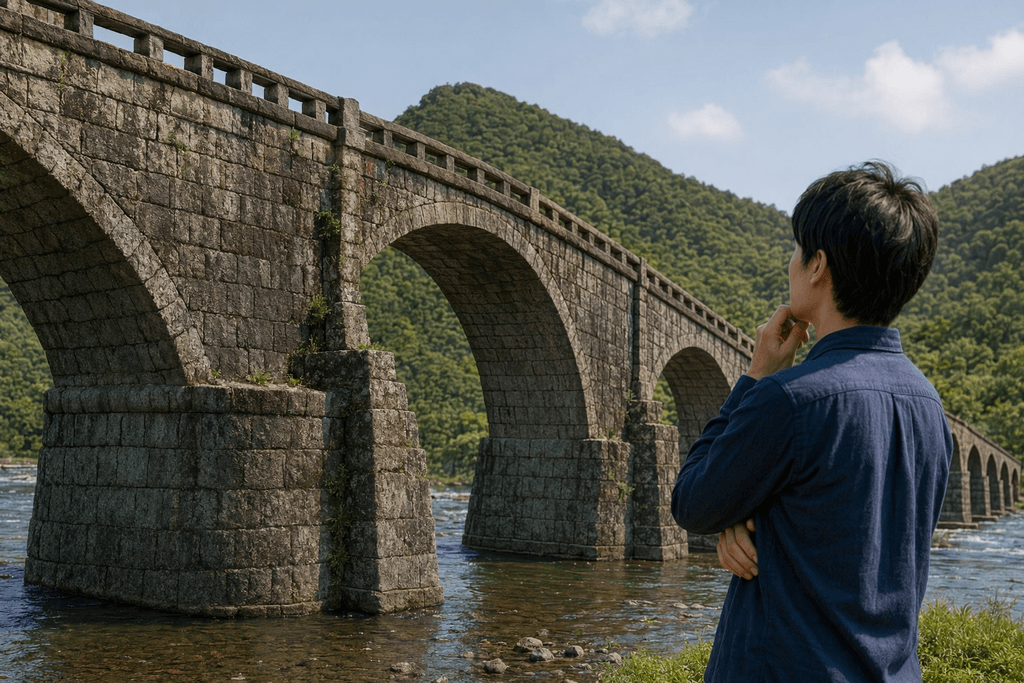
超す
melintasi / melebihi
超す
melintasi / melebihi
Explanation
超す
melintasi / melebihi
超す
melebihi / melampaui / mengungguli
Word Forms
The basic and commonly used forms of this verb.
Basic forms
| Form | Word form | Usage |
|---|---|---|
| Imperfective form (mizenkei) |
Alternative:
越さ
|
Connects to endings such as nai, reru, and seru. |
| Continuative form (renyokei) |
Alternative:
越し
|
Connects to endings such as masu, tai, and ta. |
| Conclusive form (shushikei) |
Alternative:
越す
|
Ends a sentence and serves as the dictionary form. |
| Attributive form (rentaikei) |
Alternative:
越す
|
Modifies a noun. |
| Conditional form (kateikei) |
Alternative:
越せ
|
Combines with ba to express a condition. |
| Imperative form (meireikei) |
Alternative:
越せ
|
Expresses a command or instruction. |
Common forms
| Form | Word form | Usage |
|---|---|---|
| Te-form |
Alternative:
越して
|
Connects clauses with te. |
| Ta-form |
Alternative:
越した
|
Expresses the past with ta. |
| Nai-form |
Alternative:
越さない
|
Expresses negation with nai. |
| Masu-form |
Alternative:
越します
|
Used for polite speech. |
| Ba-form |
Alternative:
越せば
|
Expresses a condition with ba. |
| Volitional form |
Alternative:
越し
|
Expresses intention or invitation. |
Notes
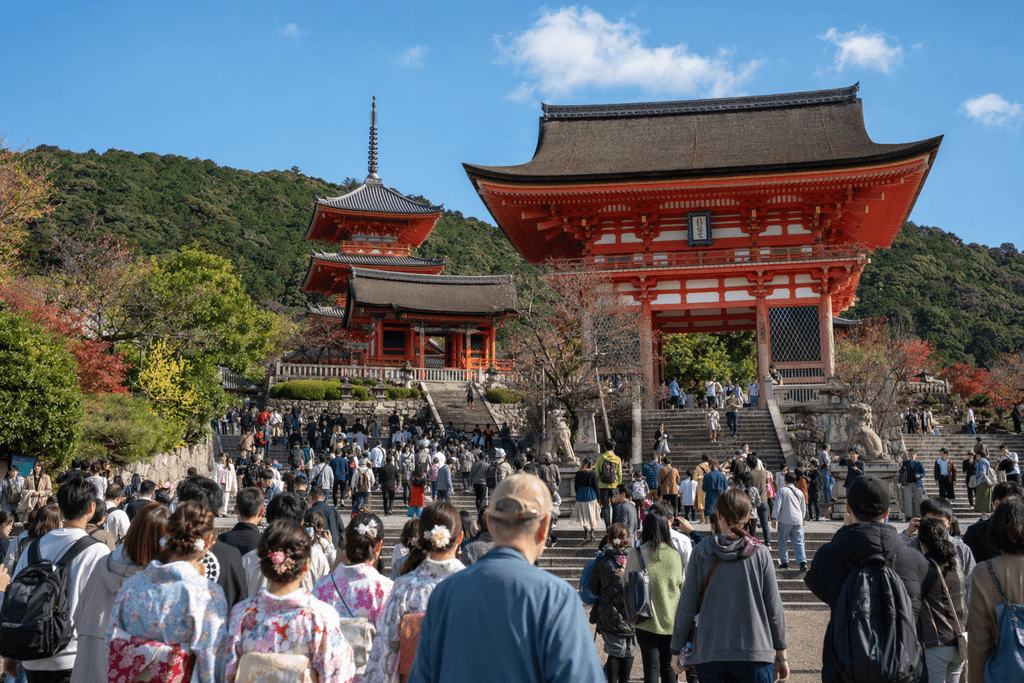
名所
tempat terkenal
名所
tempat terkenal
Explanation
名所
tempat terkenal
名所
tempat terkenal / tempat wisata terkenal / objek wisata
( Base form )
( Base form )
( romanization )
( romanization )
( hiragana )
捕る
menangkap
捕る
menangkap
Explanation
捕る
menangkap
捕る
menangkap / membekuk (menangkap penjahat) / menyergap

Word Forms
The basic and commonly used forms of this verb.
Basic forms
| Form | Word form | Usage |
|---|---|---|
| Imperfective form (mizenkei) |
Alternative:
捕ろ
|
Connects to endings such as nai, reru, and seru. |
| Continuative form (renyokei) | Connects to endings such as masu, tai, and ta. | |
| Conclusive form (shushikei) | Ends a sentence and serves as the dictionary form. | |
| Attributive form (rentaikei) | Modifies a noun. | |
| Conditional form (kateikei) | Combines with ba to express a condition. | |
| Imperative form (meireikei) | Expresses a command or instruction. |
Common forms
ショップ
toko
ショップ
toko
Explanation
toko
ショップ
toko / gerai / butik

( romanization )
ひっくり返す
membalikkan
ひっくり返す
membalikkan
Explanation
ひっくり返す
membalikkan
ひっくり返す
membalikkan (sesuatu) / menjungkirbalikkan / menggulingkan

Word Forms
The basic and commonly used forms of this verb.
Basic forms
| Form | Word form | Usage |
|---|---|---|
| Imperfective form (mizenkei) |
Alternative:
ひっくり返そ
|
Connects to endings such as nai, reru, and seru. |
| Continuative form (renyokei) | Connects to endings such as masu, tai, and ta. | |
| Conclusive form (shushikei) | Ends a sentence and serves as the dictionary form. | |
| Attributive form (rentaikei) | Modifies a noun. | |
| Conditional form (kateikei) | Combines with ba to express a condition. | |
| Imperative form (meireikei) | Expresses a command or instruction. |
Common forms
| Form | Word form | Usage |
|---|---|---|
| Te-form | Connects clauses with te. | |
| Ta-form | Expresses the past with ta. | |
| Nai-form | Expresses negation with nai. | |
| Masu-form | Used for polite speech. | |
| Ba-form | Expresses a condition with ba. | |
| Volitional form | Expresses intention or invitation. |
Loading...

JLPT N2 多言語単語帳・1790語 / JLPT N2 Multilingual Vocabulary: 1790 Words

Jonathan Waller 氏の JLPT Resources の語彙リスト・レベル分類を出典とし、CC BY の条件に従って DiQt が学習者向けに意味を作り直した1790語の単語帳です。JLPT公式の語彙リストではありません。
This collection of 1790 words is based on the vocabulary list and level classifications in Jonathan Waller’s JLPT Resources under CC BY, with meanings rewritten by DiQt for learners. It is not an official JLPT vocabulary list.
Key Operations
Select the first quiz:
Ctrl + Enter
View Explanation:Ctrl + G
Close a feedback:Esc
When selecting a quiz
Answer:Enter
Select a choice:↓ or ↑
Reading out the question:Ctrl + K
View Hint: Ctrl + M
I don't know: Ctrl + Y



