
JLPT N2: Latihan arti kata - Unsolved

Pelajari arti 1790 kata JLPT N2 dalam bahasa Indonesia melalui soal dengan empat pilihan jawaban.
-
sederhana / tidak mencolok
-
mencolok
-
pasif / tidak antusias
- 「架空の」は「架空の人物」「架空の話」などでよく用いられる連体用法。
- 「架空」は「実在しない・想像上の」のほか、「架空線」などで「空中にかけ渡した」の意味でも用いられる。
-
khusus
-
lancang
-
modern
-
menjadi hangat
-
tersumbat
-
membaur / larut ke dalam
-
acara
-
tanah dasar / basis kekuasaan
-
zaman primitif
-
kunjungan belajar
-
berapa menit
-
perusahaan dagang
-
akhirnya / nyaris tidak
-
dengan lembut / diam-diam
-
bergiliran / secara berurutan
-
membasahi
-
menyapa / mengimbau
-
melangkahi / mengangkangi
- 読みは「せおう」のほか、口語で「しょう」も用いられる。
-
senang berkenalan
-
anu / apa
-
terima kasih atas kerja kerasmu
-
merangkak
-
terlibat / memengaruhi
-
mengeringkan
- 「存ずる」はサ変系の「ずる」動詞。現代語では「存じる」も広く用いられる。
- 未然形「存ぜ」は「存ぜぬ」「存ぜず」などで用いられる文語的な形。
-
mata air panas
-
geng
-
bangunan rumah
架空
fiktif
架空
fiktif
Explanation
架空
fiktif
架空
fiktif / imajiner / terbentang di udara

Word Forms
The basic and commonly used forms of this adjectival noun.
Basic forms
| Form | Word form | Usage |
|---|---|---|
| Imperfective form (mizenkei) | Used in forms such as darou. | |
| Continuative form (renyokei) |
Alternative:
架空に
|
Used with de or ni. |
| Conclusive form (shushikei) | Ends a sentence with da. | |
| Attributive form (rentaikei) |
Alternative:
架空の
|
Modifies a noun with na. |
| Conditional form (kateikei) | Expresses a condition with nara. | |
| Imperative form (meireikei) | Used in formal expressions such as de are. |
Common forms
| Form | Word form | Usage |
|---|---|---|
| Te-form equivalent | Connects clauses using de. | |
| Ta-form |
Alternative:
架空でした
|
Expresses the past with datta. |
| Nai-form |
Alternative:
架空じゃない
|
Expresses negation with dewa nai or ja nai. |
| Desu-form | Used for polite speech. |
Notes
無数
tak terhitung
無数
tak terhitung
Explanation
無数
tak terhitung
無数
tak terhitung / tak terbilang / sangat banyak

Word Forms
The basic and commonly used forms of this adjectival noun.
Basic forms
| Form | Word form | Usage |
|---|---|---|
| Imperfective form (mizenkei) | Used in forms such as darou. | |
| Continuative form (renyokei) |
Alternative:
無数に
|
Used with de or ni. |
| Conclusive form (shushikei) | Ends a sentence with da. | |
| Attributive form (rentaikei) |
Alternative:
無数の
|
Modifies a noun with na. |
| Conditional form (kateikei) | Expresses a condition with nara. | |
| Imperative form (meireikei) | Used in formal expressions such as de are. |
Common forms
潜る
menyelam / masuk bawah tanah
潜る
menyelam / masuk bawah tanah
Explanation
潜る
menyelam / masuk bawah tanah
潜る
menyelam (ke dalam air) / menyusup (masuk) / bersembunyi

Word Forms
The basic and commonly used forms of this verb.
Basic forms
| Form | Word form | Usage |
|---|---|---|
| Imperfective form (mizenkei) |
Alternative:
潜ろ
|
Connects to endings such as nai, reru, and seru. |
| Continuative form (renyokei) | Connects to endings such as masu, tai, and ta. | |
| Conclusive form (shushikei) | Ends a sentence and serves as the dictionary form. | |
| Attributive form (rentaikei) | Modifies a noun. | |
| Conditional form (kateikei) | Combines with ba to express a condition. | |
| Imperative form (meireikei) | Expresses a command or instruction. |
Common forms
単数
bentuk tunggal
単数
bentuk tunggal
Explanation
単数
bentuk tunggal
単数
ketunggalan; keadaan hanya satu / (tatabahasa) bentuk tunggal

( Base form )
( romanization )
( kyūjitai )
( hiragana )
電池
baterai
電池
baterai
Explanation
電池
baterai
電池
baterai / sel listrik / sumber daya listrik portabel
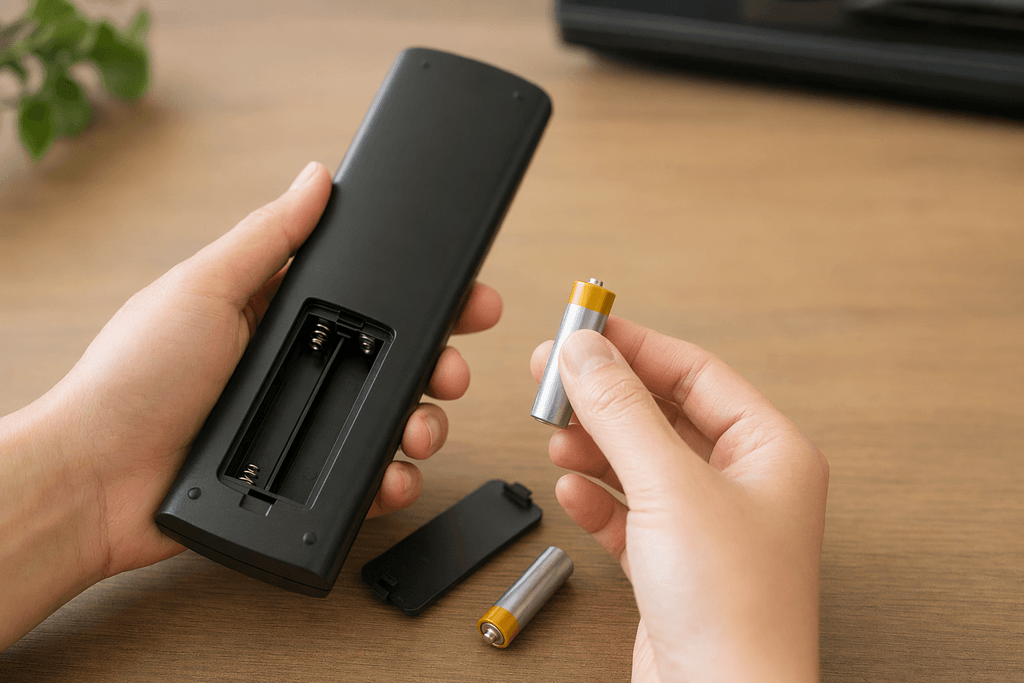
( Base form )
( romanization )
( hiragana )
以後
mulai sekarang / sejak itu
以後
mulai sekarang / sejak itu
Explanation
以後
mulai sekarang / sejak itu
以後
mulai sekarang / sejak itu / seterusnya

( Base form )
( romanization )
( hiragana )
背負う
menggendong di punggung / menanggung
背負う
menggendong di punggung / menanggung
Explanation
背負う
menggendong di punggung / menanggung
背負う
menggendong (di punggung) / memikul (di bahu) / menanggung beban

Word Forms
The basic and commonly used forms of this verb.
Basic forms
| Form | Word form | Usage |
|---|---|---|
| Imperfective form (mizenkei) |
Alternative:
背負お
|
Connects to endings such as nai, reru, and seru. |
| Continuative form (renyokei) | Connects to endings such as masu, tai, and ta. | |
| Conclusive form (shushikei) | Ends a sentence and serves as the dictionary form. | |
| Attributive form (rentaikei) | Modifies a noun. | |
| Conditional form (kateikei) | Combines with ba to express a condition. | |
| Imperative form (meireikei) | Expresses a command or instruction. |
Common forms
| Form | Word form | Usage |
|---|---|---|
| Te-form | Connects clauses with te. | |
| Ta-form | Expresses the past with ta. | |
| Nai-form | Expresses negation with nai. | |
| Masu-form | Used for polite speech. | |
| Ba-form | Expresses a condition with ba. | |
| Volitional form | Expresses intention or invitation. |
Notes
ごめんください
permisi boleh masuk?
ごめんください
permisi boleh masuk?
Explanation
permisi boleh masuk?
ごめんください
permisi / boleh masuk? / ada orang?

存ずる
tahu / berpikir
存ずる
tahu / berpikir
Explanation
存ずる
tahu / berpikir
存ずる
menganggap / berpikir / percaya

Word Forms
The basic and commonly used forms of this verb.
Basic forms
| Form | Word form | Usage |
|---|---|---|
| Imperfective form (mizenkei) |
Alternative:
存ぜ
存ず
|
Connects to endings such as nai, reru, and seru. |
| Continuative form (renyokei) | Connects to endings such as masu, tai, and ta. | |
| Conclusive form (shushikei) | Ends a sentence and serves as the dictionary form. | |
| Attributive form (rentaikei) | Modifies a noun. | |
| Conditional form (kateikei) | Combines with ba to express a condition. | |
| Imperative form (meireikei) |
Alternative:
存じよ
存ぜよ
|
Expresses a command or instruction. |
Common forms
| Form | Word form | Usage |
|---|---|---|
| Te-form | Connects clauses with te. | |
| Ta-form | Expresses the past with ta. | |
| Nai-form |
Alternative:
存ぜない
|
Expresses negation with nai. |
| Masu-form | Used for polite speech. | |
| Ba-form | Expresses a condition with ba. | |
| Volitional form | Expresses intention or invitation. |
Notes
出迎え
penyambutan
出迎え
penyambutan
Explanation
出迎え
penyambutan
出迎え
penyambutan / penjemputan (kedatangan tamu) / penyambutan kedatangan tamu

( Base form )
( romanization )
( romanization )
( hiragana historical )
Loading...

JLPT N2 多言語単語帳・1790語 / JLPT N2 Multilingual Vocabulary: 1790 Words

Jonathan Waller 氏の JLPT Resources の語彙リスト・レベル分類を出典とし、CC BY の条件に従って DiQt が学習者向けに意味を作り直した1790語の単語帳です。JLPT公式の語彙リストではありません。
This collection of 1790 words is based on the vocabulary list and level classifications in Jonathan Waller’s JLPT Resources under CC BY, with meanings rewritten by DiQt for learners. It is not an official JLPT vocabulary list.
Key Operations
Select the first quiz:
Ctrl + Enter
View Explanation:Ctrl + G
Close a feedback:Esc
When selecting a quiz
Answer:Enter
Select a choice:↓ or ↑
Reading out the question:Ctrl + K
View Hint: Ctrl + M
I don't know: Ctrl + Y



