
JLPT N2: Latihan arti kata - Unsolved

Pelajari arti 1790 kata JLPT N2 dalam bahasa Indonesia melalui soal dengan empat pilihan jawaban.
-
halaman sekolah
-
mineral
-
standar
-
isi
-
kayu bahan bangunan
-
sikap merendah
-
mohon tunggu
-
baik, saya mengerti
-
sekitar waktu itu
-
matang direbus
-
tumpah
-
selesai dikerjakan
- 「漬ける」とも表記する。
-
adik laki-laki orang tua
-
leluhur
-
kolom tulisan / kolom isian
-
dilengkapi
-
mengutarakan / mengusulkan
-
menambah
-
menghibur
-
berangkat
-
membentak
-
orkestra
-
ketinggian / tingkat lanjut
-
pembukaan jalur lalu lintas
-
segi empat
-
merepotkan
-
mengagumkan / berkedudukan tinggi
-
semoga lekas sembuh
-
hore
-
jadi teringat
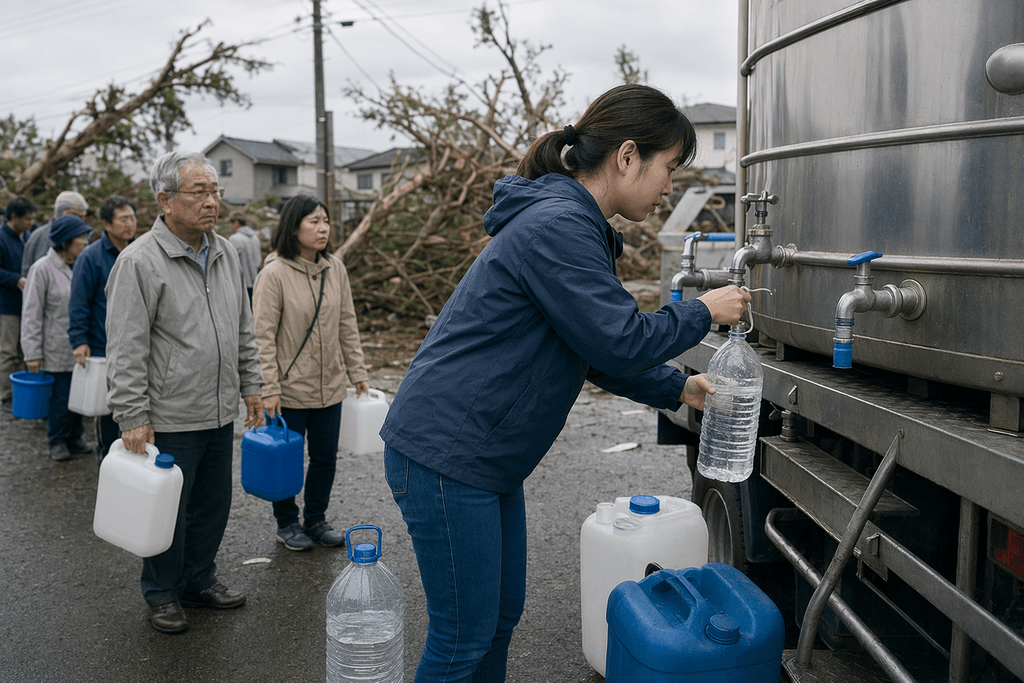
断水
pemadaman air
断水
pemadaman air
Explanation
断水
pemadaman air
断水
penghentian pasokan air / pemutusan aliran air / mati air
( Base form )
( romanization )
( stem )
( Past )
( kyūjitai )
( table-tags )
( inflection-template )
( imperfective stem )
( imperfective stem )
( imperfective )
( continuative stem )
( continuative stem )
( continuative )
( stem terminative )
( stem terminative )
( terminative )
( attributive stem )
( attributive stem )
( attributive )
( hypothetical stem )
( hypothetical stem )
( hypothetical )
( Imperative literary stem )
( colloquial Imperative stem )
( Imperative literary stem )
( colloquial Imperative stem )
( Imperative literary )
( colloquial Imperative )
( Passive voice )
( Passive voice )
( Passive voice )
( causative )
( causative )
( causative )
( causative )
( causative )
( causative )
( potential )
( potential )
( potential )
( volitional )
( volitional )
( volitional )
( negative )
( negative )
( negative )
( continuative negative )
( continuative negative )
( continuative negative )
( formal )
( formal )
( formal )
( perfective )
( perfective )
( perfective )
( conjunctive )
( conjunctive )
( conjunctive )
( Conditional hypothetical )
( Conditional hypothetical )
( Conditional hypothetical )
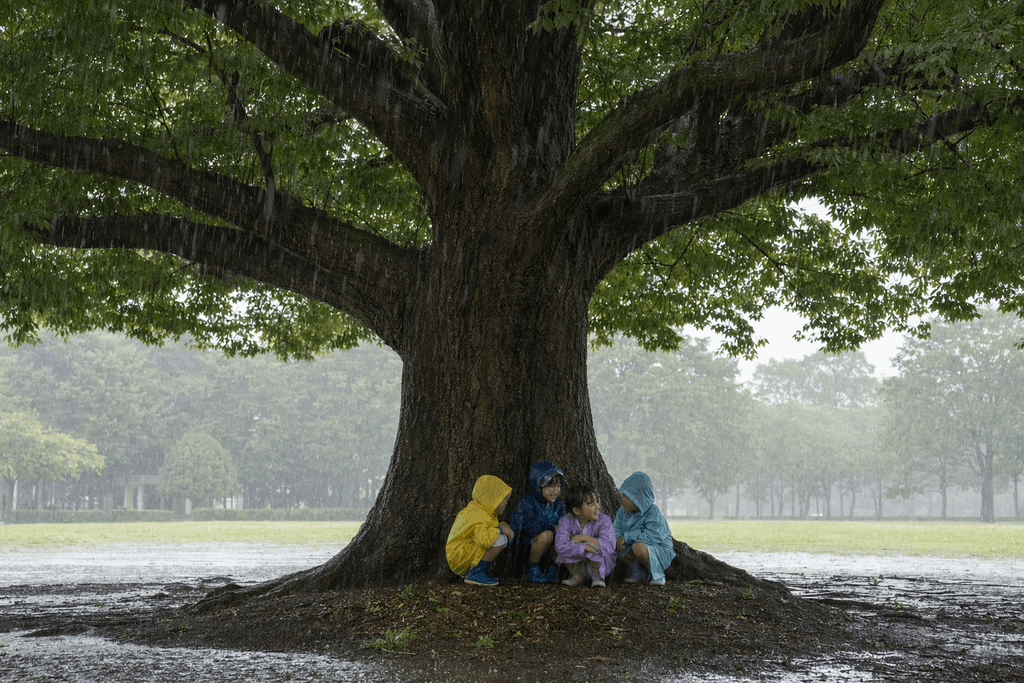
大木
pohon besar
大木
pohon besar
Explanation
大木
pohon besar
大木
pohon besar / pohon raksasa
( Base form )
( romanization )
( romanization )
( hiragana historical )
( hiragana )
始めに
pertama-tama
始めに
pertama-tama
Explanation
始めに
pertama-tama
始めに
pertama-tama / mula-mula / pertama sekali

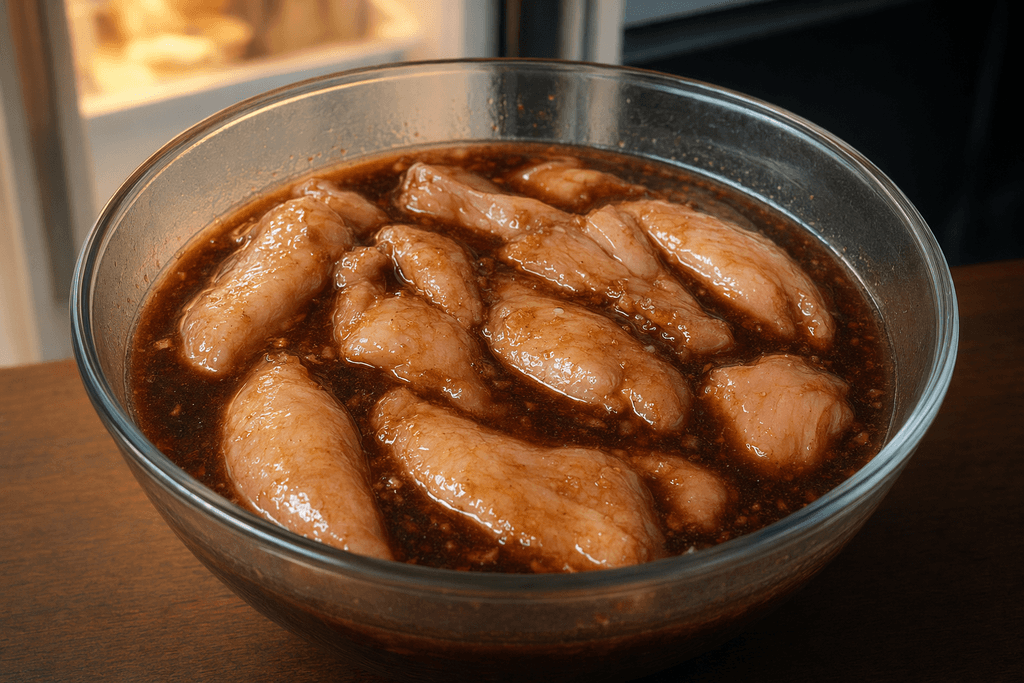
浸ける
merendam / mencelupkan
浸ける
merendam / mencelupkan
Explanation
浸ける
merendam / mencelupkan
浸ける
merendam / mencelupkan
Word Forms
The basic and commonly used forms of this verb.
Basic forms
| Form | Word form | Usage |
|---|---|---|
| Imperfective form (mizenkei) |
Alternative:
漬け
つけ
|
Connects to endings such as nai, reru, and seru. |
| Continuative form (renyokei) |
Alternative:
漬け
つけ
|
Connects to endings such as masu, tai, and ta. |
| Conclusive form (shushikei) |
Alternative:
漬ける
つける
|
Ends a sentence and serves as the dictionary form. |
| Attributive form (rentaikei) |
Alternative:
漬ける
つける
|
Modifies a noun. |
| Conditional form (kateikei) |
Alternative:
漬けれ
つけれ
|
Combines with ba to express a condition. |
| Imperative form (meireikei) |
Alternative:
浸けよ
漬けろ
漬けよ
つけろ
つけよ
|
Expresses a command or instruction. |
Common forms
| Form | Word form | Usage |
|---|---|---|
| Te-form |
Alternative:
漬けて
つけて
|
Connects clauses with te. |
| Ta-form |
Alternative:
漬けた
つけた
|
Expresses the past with ta. |
| Nai-form |
Alternative:
漬けない
つけない
|
Expresses negation with nai. |
| Masu-form |
Alternative:
漬けます
つけます
|
Used for polite speech. |
| Ba-form |
Alternative:
漬ければ
つければ
|
Expresses a condition with ba. |
| Volitional form |
Alternative:
漬けよう
つけよう
|
Expresses intention or invitation. |
Notes
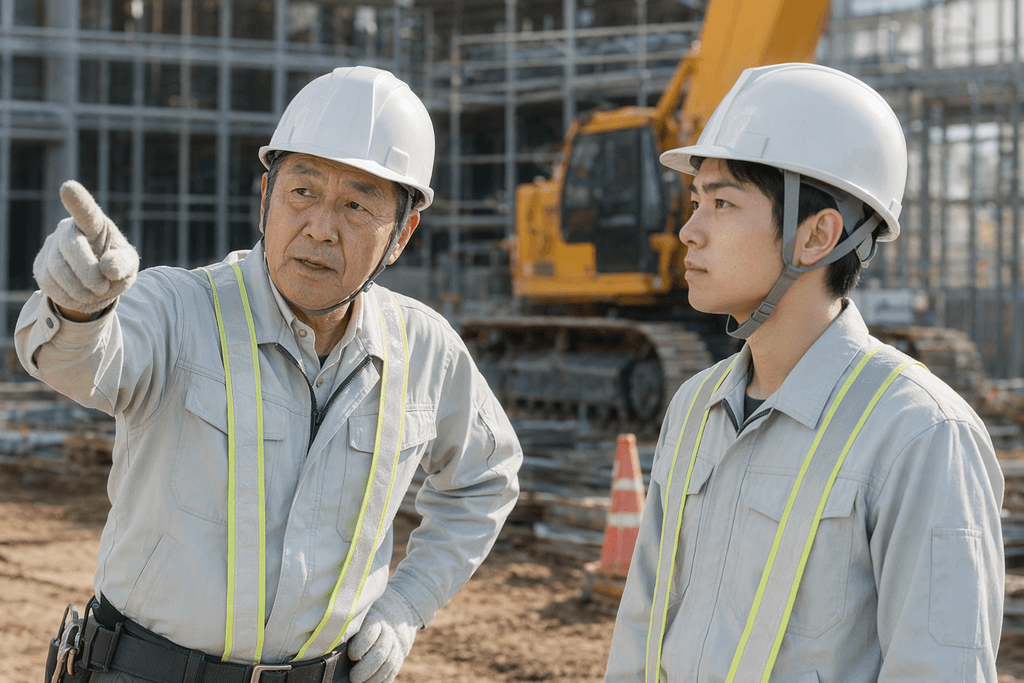
ベテラン
orang berpengalaman
ベテラン
orang berpengalaman
Explanation
orang berpengalaman
ベテラン
orang yang sangat berpengalaman / pakar senior
( romanization )
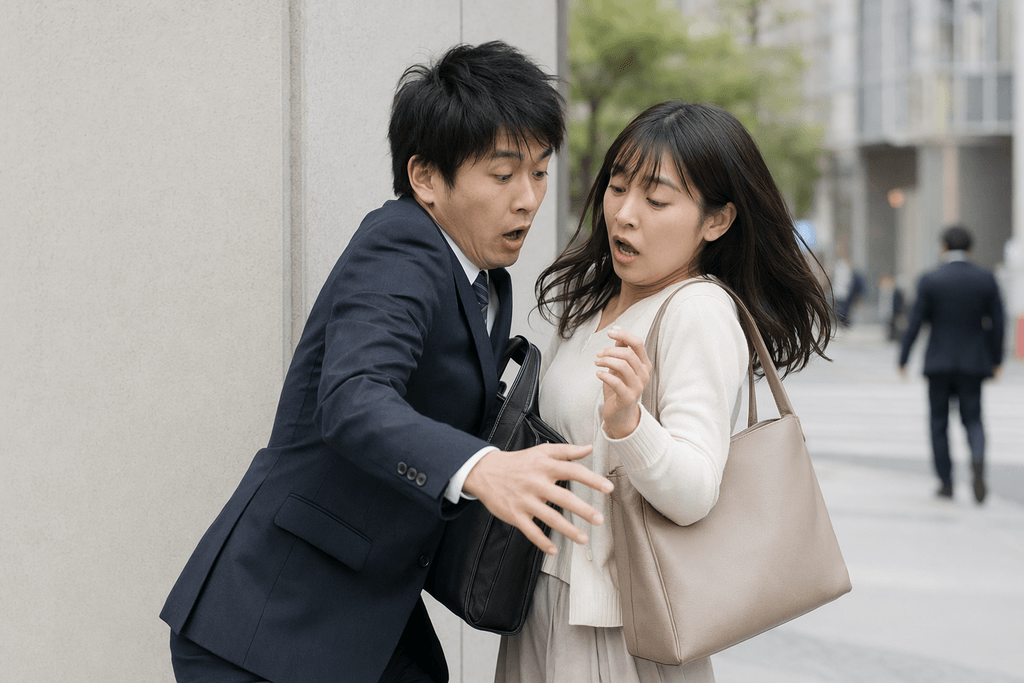
ぶつかる
bertabrakan
ぶつかる
bertabrakan
Explanation
bertabrakan
ぶつかる
menabrak / bertabrakan / membentur
Word Forms
The basic and commonly used forms of this verb.
Basic forms
| Form | Word form | Usage |
|---|---|---|
| Imperfective form (mizenkei) |
Alternative:
ぶつかろ
|
Connects to endings such as nai, reru, and seru. |
| Continuative form (renyokei) | Connects to endings such as masu, tai, and ta. | |
| Conclusive form (shushikei) | Ends a sentence and serves as the dictionary form. | |
| Attributive form (rentaikei) | Modifies a noun. | |
| Conditional form (kateikei) | Combines with ba to express a condition. | |
| Imperative form (meireikei) | Expresses a command or instruction. |
Common forms
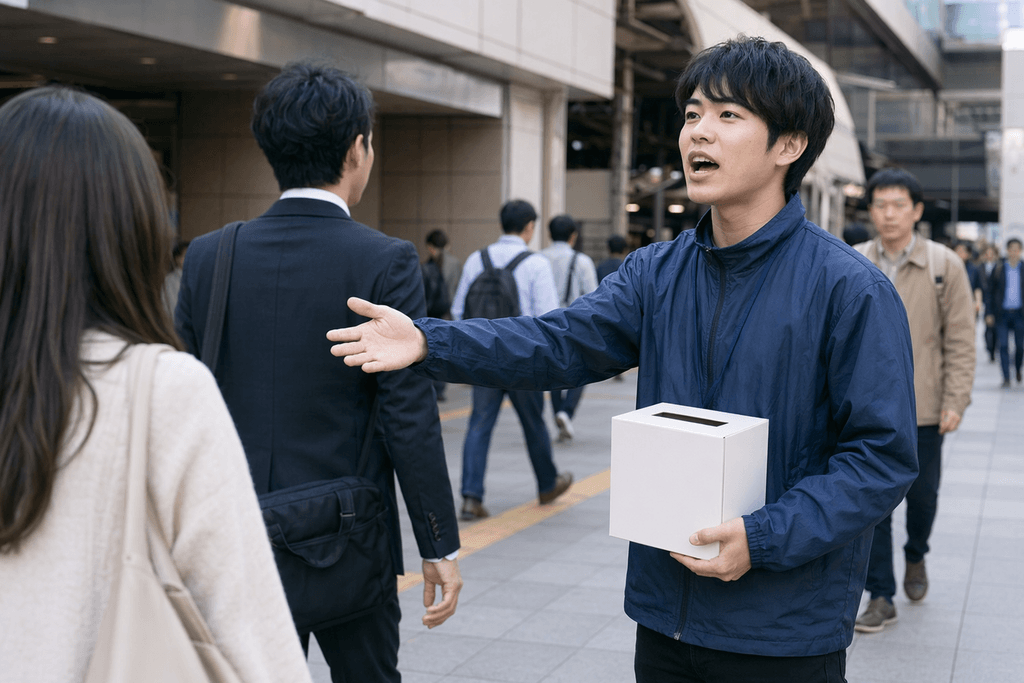
呼びかける
menyapa / mengimbau
呼びかける
menyapa / mengimbau
Explanation
呼びかける
menyapa / mengimbau
呼びかける
memanggil (berseru kepada seseorang) / mengimbau; menyerukan / memberi peringatan
Word Forms
The basic and commonly used forms of this verb.
Basic forms
| Form | Word form | Usage |
|---|---|---|
| Imperfective form (mizenkei) |
Alternative:
呼び掛け
|
Connects to endings such as nai, reru, and seru. |
| Continuative form (renyokei) |
Alternative:
呼び掛け
|
Connects to endings such as masu, tai, and ta. |
| Conclusive form (shushikei) |
Alternative:
呼び掛ける
|
Ends a sentence and serves as the dictionary form. |
| Attributive form (rentaikei) |
Alternative:
呼び掛ける
|
Modifies a noun. |
| Conditional form (kateikei) |
Alternative:
呼び掛けれ
|
Combines with ba to express a condition. |
| Imperative form (meireikei) |
Alternative:
呼び掛けろ
呼びかけよ
呼び掛けよ
|
Expresses a command or instruction. |
Common forms
| Form | Word form | Usage |
|---|---|---|
| Te-form |
Alternative:
呼び掛けて
|
Connects clauses with te. |
| Ta-form |
Alternative:
呼び掛けた
|
Expresses the past with ta. |
| Nai-form |
Alternative:
呼び掛けない
|
Expresses negation with nai. |
| Masu-form |
Alternative:
呼び掛けます
|
Used for polite speech. |
| Ba-form |
Alternative:
呼び掛ければ
|
Expresses a condition with ba. |
| Volitional form |
Alternative:
呼び掛けよう
|
Expresses intention or invitation. |
へそ
pusar
へそ
pusar
Explanation
pusar
へそ
pusar / pusat perut

( romanization )
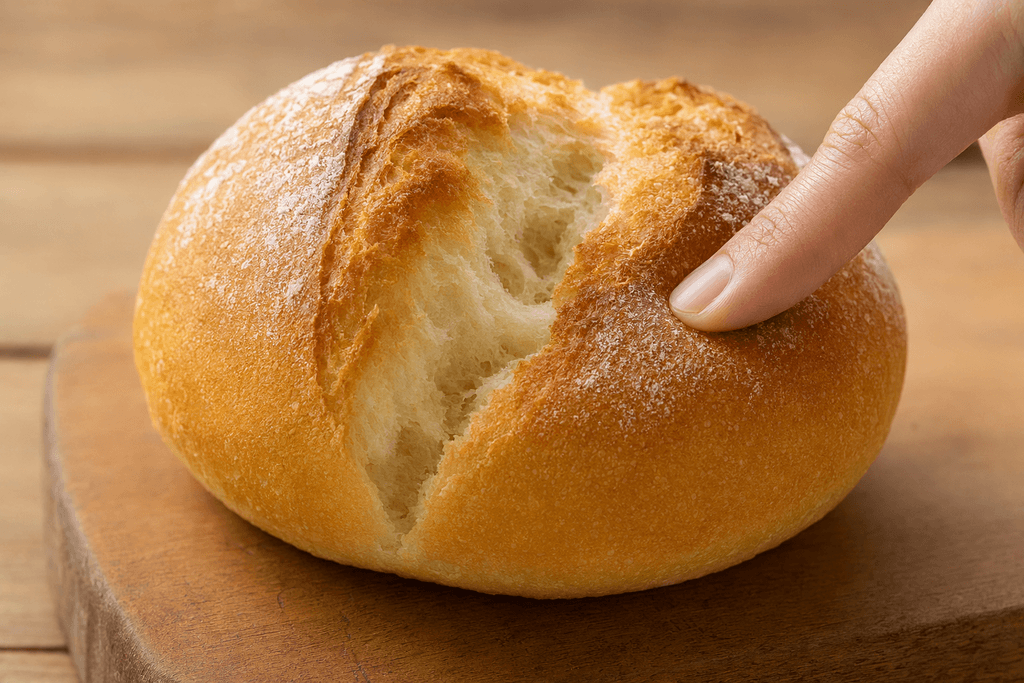
固い
padat / keras kepala
固い
padat / keras kepala
Explanation
固い
padat / keras kepala
固い
keras / erat/kencang / tegas/kaku
Word Forms
The basic and commonly used forms of this adjective.
Basic forms
| Form | Word form | Usage |
|---|---|---|
| Imperfective form (mizenkei) | Used in forms such as karou; mainly literary. | |
| Continuative form (renyokei) |
Alternative:
固かっ
|
Used in forms such as kute and kunai. |
| Conclusive form (shushikei) | Ends a sentence. | |
| Attributive form (rentaikei) | Modifies a noun. | |
| Conditional form (kateikei) | Expresses a condition with kereba. | |
| Imperative form (meireikei) | Rarely used in modern Japanese. |
Common forms
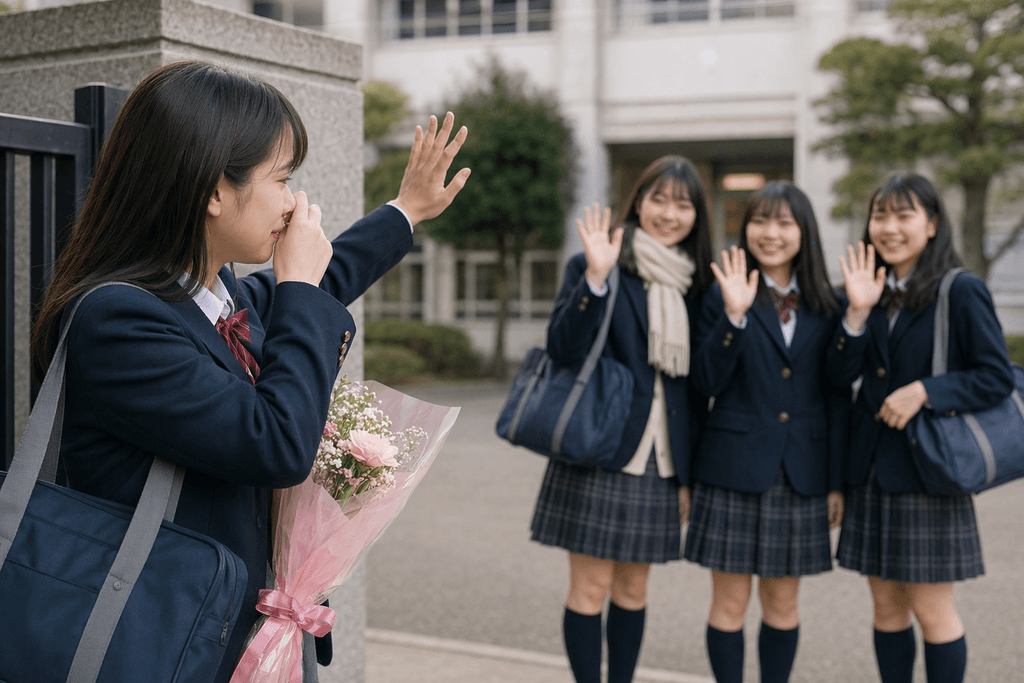
さようなら
selamat tinggal
さようなら
selamat tinggal
Explanation
selamat tinggal
さようなら
selamat tinggal / sampai jumpa / selamat berpisah
( romanization )
( romanization )
( hiragana historical )
Loading...

JLPT N2 多言語単語帳・1790語 / JLPT N2 Multilingual Vocabulary: 1790 Words

Jonathan Waller 氏の JLPT Resources の語彙リスト・レベル分類を出典とし、CC BY の条件に従って DiQt が学習者向けに意味を作り直した1790語の単語帳です。JLPT公式の語彙リストではありません。
This collection of 1790 words is based on the vocabulary list and level classifications in Jonathan Waller’s JLPT Resources under CC BY, with meanings rewritten by DiQt for learners. It is not an official JLPT vocabulary list.
Key Operations
Select the first quiz:
Ctrl + Enter
View Explanation:Ctrl + G
Close a feedback:Esc
When selecting a quiz
Answer:Enter
Select a choice:↓ or ↑
Reading out the question:Ctrl + K
View Hint: Ctrl + M
I don't know: Ctrl + Y



