
JLPT N2: Latihan arti kata - Unsolved

Pelajari arti 1790 kata JLPT N2 dalam bahasa Indonesia melalui soal dengan empat pilihan jawaban.
-
ensiklopedia bergambar
-
kertas surat
-
konsep / kesadaran
-
AC
-
partai politik
-
wanita
-
pistol
-
hasil cetak / lembar materi
-
plastik
-
merobek
-
membayar / menyerahkan
-
dilengkapi
-
saya minta maaf
-
menyesal / tak termaafkan
-
jelek
- 「ずるい」は口語で「不公平だ」の意味にも用いられる。
- 漢字表記は「狡い」だが、かな書きも一般的。
-
mengirim ke sini / menyerahkan
-
berangkat
-
menusuk / mencolek
- 「命ずる」は現代語では「命じる」としても用いられる。
- 未然形「命ぜ」は「命ぜられる」「命ぜず」などで用いられることがある。
-
tugas
-
air tawar
-
uban
-
karpet
-
luka bakar
-
gunung berapi
-
merebus
-
memijat / meremas
-
yakin sepenuhnya
-
berat
-
daerah produksi
-
sampel
電球
bola lampu
電球
bola lampu
Explanation
電球
bola lampu
電球
bohlam / bola lampu / lampu pijar

( Base form )
( romanization )
( hiragana )
休講
pembatalan kuliah
休講
pembatalan kuliah
Explanation
休講
pembatalan kuliah
休講
pembatalan kuliah / kuliah ditiadakan / kuliah libur

( Base form )
( romanization )
( hiragana )
平野
dataran
平野
dataran
Explanation
平野
dataran
平野
dataran / dataran rendah / hamparan tanah datar

( Base form )
( romanization )
( hiragana )
埋める
mengubur / mengisi
埋める
mengubur / mengisi
Explanation
埋める
mengubur / mengisi
埋める
menutupi / mengubur / menenggelamkan

Word Forms
The basic and commonly used forms of this verb.
Basic forms
| Form | Word form | Usage |
|---|---|---|
| Imperfective form (mizenkei) | Connects to endings such as nai, reru, and seru. | |
| Continuative form (renyokei) | Connects to endings such as masu, tai, and ta. | |
| Conclusive form (shushikei) | Ends a sentence and serves as the dictionary form. | |
| Attributive form (rentaikei) | Modifies a noun. | |
| Conditional form (kateikei) | Combines with ba to express a condition. | |
| Imperative form (meireikei) |
Alternative:
埋めよ
|
Expresses a command or instruction. |
Common forms
ずるい
licik / curang
ずるい
licik / curang
Explanation
licik / curang
ずるい
licik / curang / tidak adil

Word Forms
The basic and commonly used forms of this adjective.
Basic forms
| Form | Word form | Usage |
|---|---|---|
| Imperfective form (mizenkei) | Used in forms such as karou; mainly literary. | |
| Continuative form (renyokei) |
Alternative:
ずるかっ
|
Used in forms such as kute and kunai. |
| Conclusive form (shushikei) |
Alternative:
狡い
|
Ends a sentence. |
| Attributive form (rentaikei) |
Alternative:
狡い
|
Modifies a noun. |
| Conditional form (kateikei) | Expresses a condition with kereba. | |
| Imperative form (meireikei) | Rarely used in modern Japanese. |
Common forms
| Form | Word form | Usage |
|---|---|---|
| Te-form |
Alternative:
狡くて
|
Connects clauses with kute. |
| Ta-form |
Alternative:
狡かった
|
Expresses the past with katta. |
| Nai-form |
Alternative:
狡くない
|
Expresses negation with kunai. |
| Ba-form |
Alternative:
狡ければ
|
Expresses a condition with kereba. |
Notes
命ずる
memerintah / mengangkat
命ずる
memerintah / mengangkat
Explanation
命ずる
memerintah / mengangkat
命ずる
memerintahkan / mengangkat (ke jabatan) / menamai

Word Forms
The basic and commonly used forms of this verb.
Basic forms
| Form | Word form | Usage |
|---|---|---|
| Imperfective form (mizenkei) |
Alternative:
命ぜ
命ざ
|
Connects to endings such as nai, reru, and seru. |
| Continuative form (renyokei) | Connects to endings such as masu, tai, and ta. | |
| Conclusive form (shushikei) |
Alternative:
命じる
|
Ends a sentence and serves as the dictionary form. |
| Attributive form (rentaikei) |
Alternative:
命じる
|
Modifies a noun. |
| Conditional form (kateikei) |
Alternative:
命じれ
|
Combines with ba to express a condition. |
| Imperative form (meireikei) |
Alternative:
命じよ
命ぜよ
|
Expresses a command or instruction. |
Common forms
| Form | Word form | Usage |
|---|---|---|
| Te-form | Connects clauses with te. | |
| Ta-form | Expresses the past with ta. | |
| Nai-form |
Alternative:
命ぜない
|
Expresses negation with nai. |
| Masu-form | Used for polite speech. | |
| Ba-form |
Alternative:
命じれば
|
Expresses a condition with ba. |
| Volitional form | Expresses intention or invitation. |
Notes
下品
kekasaran
下品
kekasaran
Explanation
下品
kekasaran
下品
kebiadaban / kehinaan / kejorokan

( Base form )
( romanization )
( hiragana )
破片
serpihan
破片
serpihan
Explanation
破片
serpihan
破片
pecahan / serpihan / kepingan kecil

( Base form )
( romanization )
( hiragana )
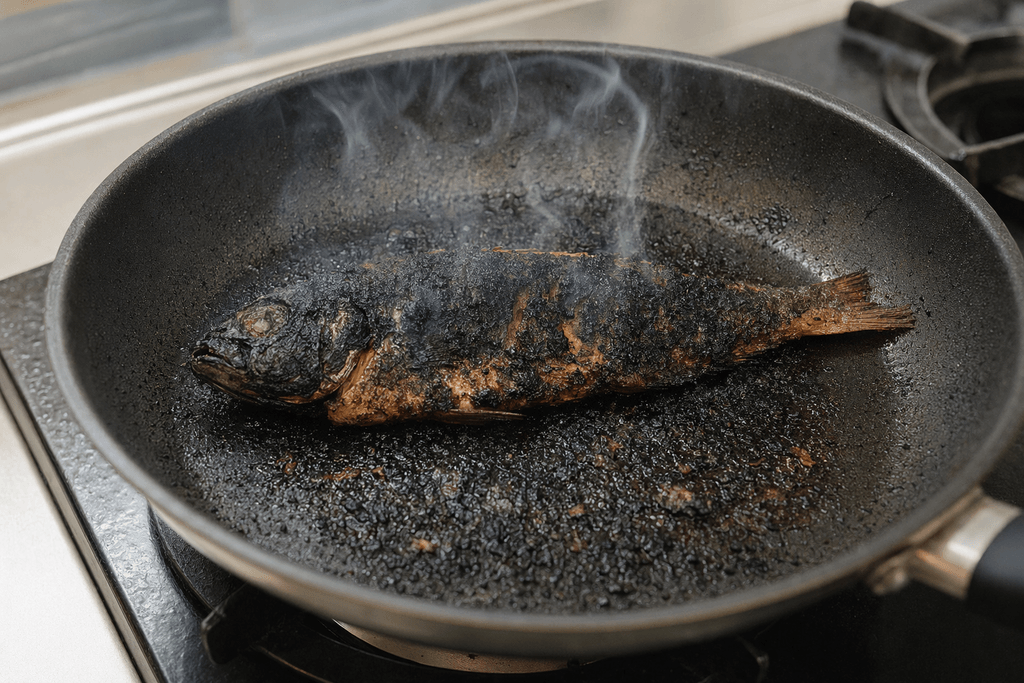
焦げる
menjadi hangus
焦げる
menjadi hangus
Explanation
焦げる
menjadi hangus
焦げる
menjadi hangus / menjadi gosong / terbakar
Word Forms
The basic and commonly used forms of this verb.
Basic forms
| Form | Word form | Usage |
|---|---|---|
| Imperfective form (mizenkei) |
Alternative:
焦げよ
|
Connects to endings such as nai, reru, and seru. |
| Continuative form (renyokei) | Connects to endings such as masu, tai, and ta. | |
| Conclusive form (shushikei) | Ends a sentence and serves as the dictionary form. | |
| Attributive form (rentaikei) | Modifies a noun. | |
| Conditional form (kateikei) | Combines with ba to express a condition. | |
| Imperative form (meireikei) |
Alternative:
焦げよ
|
Expresses a command or instruction. |
Common forms
評論
ulasan kritis
評論
ulasan kritis
Explanation
評論
ulasan kritis
評論
kritik / ulasan / telaah kritis

( Base form )
( romanization )
( stem )
( Past )
( table-tags )
( inflection-template )
( imperfective stem )
( imperfective stem )
( imperfective )
( continuative stem )
( continuative stem )
( continuative )
( stem terminative )
( stem terminative )
( terminative )
( attributive stem )
( attributive stem )
( attributive )
( hypothetical stem )
( hypothetical stem )
( hypothetical )
( Imperative literary stem )
( colloquial Imperative stem )
( Imperative literary stem )
( colloquial Imperative stem )
( Imperative literary )
( colloquial Imperative )
( Passive voice )
( Passive voice )
( Passive voice )
( causative )
( causative )
( causative )
( causative )
( causative )
( causative )
( potential )
( potential )
( potential )
( volitional )
( volitional )
( volitional )
( negative )
( negative )
( negative )
( continuative negative )
( continuative negative )
( continuative negative )
( formal )
( formal )
( formal )
( perfective )
( perfective )
( perfective )
( conjunctive )
( conjunctive )
( conjunctive )
( Conditional hypothetical )
( Conditional hypothetical )
( Conditional hypothetical )
Loading...

JLPT N2 多言語単語帳・1790語 / JLPT N2 Multilingual Vocabulary: 1790 Words

Jonathan Waller 氏の JLPT Resources の語彙リスト・レベル分類を出典とし、CC BY の条件に従って DiQt が学習者向けに意味を作り直した1790語の単語帳です。JLPT公式の語彙リストではありません。
This collection of 1790 words is based on the vocabulary list and level classifications in Jonathan Waller’s JLPT Resources under CC BY, with meanings rewritten by DiQt for learners. It is not an official JLPT vocabulary list.
Key Operations
Select the first quiz:
Ctrl + Enter
View Explanation:Ctrl + G
Close a feedback:Esc
When selecting a quiz
Answer:Enter
Select a choice:↓ or ↑
Reading out the question:Ctrl + K
View Hint: Ctrl + M
I don't know: Ctrl + Y



