
JLPT N2: Latihan arti kata - Unsolved

Pelajari arti 1790 kata JLPT N2 dalam bahasa Indonesia melalui soal dengan empat pilihan jawaban.
-
senang bertemu Anda
-
senang berkenalan
-
terima kasih atas hidangannya
-
sekrup
-
masing-masing
-
jalan utama
-
patokan perkiraan
-
lagu rakyat
-
pindahan rumah
-
taman hiburan
-
bagian bedah
-
sepuluh hari pertengahan bulan
-
menyejukkan diri
-
menyembuhkan / memulihkan luka
-
menunjukkan keengganan
-
tercampur
-
mencampur
-
menyangkal / meniadakan
-
pindahan rumah
-
jasa binatu
-
bantal
-
timbangan
-
lalu lintas pejalan kaki
-
tugas dinas
-
gedung apartemen
-
pisau dapur
-
tanjung
-
menyelam / masuk bawah tanah
-
menghancurkan / menyia-nyiakan
-
mendapat ide
行って参ります
saya berangkat dulu
行って参ります
saya berangkat dulu
Explanation
行って参ります
saya berangkat dulu
行って参ります
Saya berangkat dulu. / Saya pergi dulu (dan akan kembali). / Permisi, saya pamit berangkat.

( romanization )
箸
sumpit
箸
sumpit
Explanation
箸
sumpit
箸
sumpit / sumpit makan / sepasang sumpit

( romanization )
( hiragana )
叔父さん
adik laki-laki orang tua
叔父さん
adik laki-laki orang tua
Explanation
叔父さん
adik laki-laki orang tua
叔父さん
adik laki-laki dari ayah atau ibu / paman yang lebih muda dari orang tua

( Base form )
( romanization )
( romanization )
( hiragana historical )
自治
pemerintahan sendiri
自治
pemerintahan sendiri
Explanation
自治
pemerintahan sendiri
自治
pemerintahan sendiri / otonomi / kemandirian dalam mengatur urusan sendiri

( Base form )
( romanization )
( hiragana )
はめる
memasang / mengenakan
はめる
memasang / mengenakan
Explanation
memasang / mengenakan
はめる
mengenakan (cincin/sarung tangan) / memasang hingga pas di tempatnya / menjebak

Word Forms
The basic and commonly used forms of this verb.
Basic forms
| Form | Word form | Usage |
|---|---|---|
| Imperfective form (mizenkei) | Connects to endings such as nai, reru, and seru. | |
| Continuative form (renyokei) | Connects to endings such as masu, tai, and ta. | |
| Conclusive form (shushikei) | Ends a sentence and serves as the dictionary form. | |
| Attributive form (rentaikei) | Modifies a noun. | |
| Conditional form (kateikei) | Combines with ba to express a condition. | |
| Imperative form (meireikei) |
Alternative:
はめよ
|
Expresses a command or instruction. |
Common forms
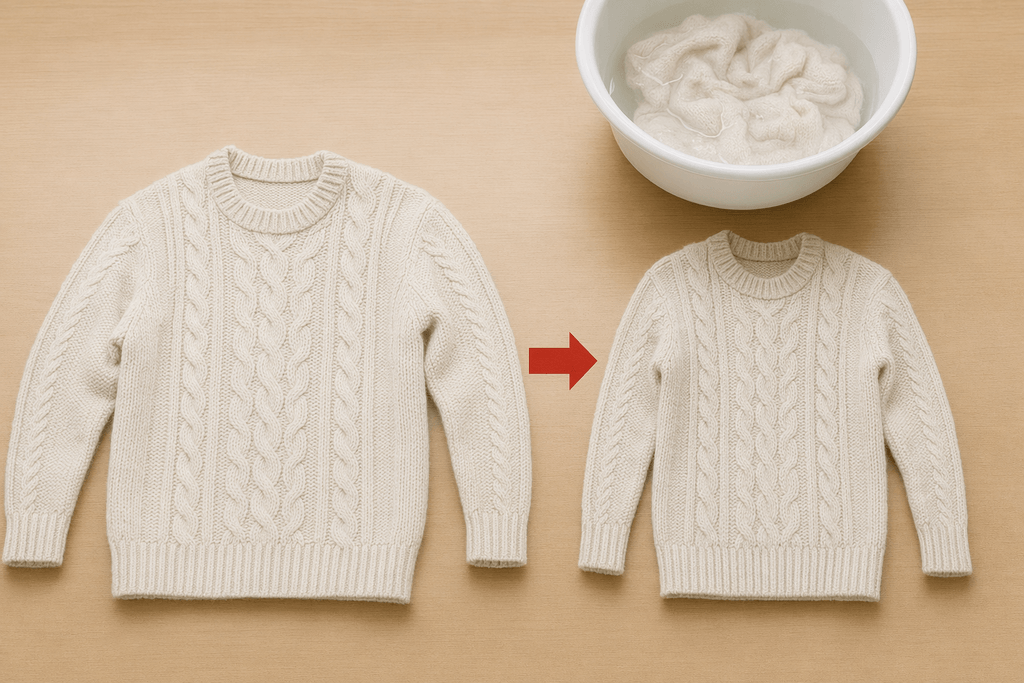
縮む
menyusut
縮む
menyusut
Explanation
縮む
menyusut
縮む
menyusut / mengecil / menciut
Word Forms
The basic and commonly used forms of this verb.
Basic forms
| Form | Word form | Usage |
|---|---|---|
| Imperfective form (mizenkei) |
Alternative:
縮も
|
Connects to endings such as nai, reru, and seru. |
| Continuative form (renyokei) | Connects to endings such as masu, tai, and ta. | |
| Conclusive form (shushikei) | Ends a sentence and serves as the dictionary form. | |
| Attributive form (rentaikei) | Modifies a noun. | |
| Conditional form (kateikei) | Combines with ba to express a condition. | |
| Imperative form (meireikei) | Expresses a command or instruction. |
Common forms
氏名
nama lengkap
氏名
nama lengkap
Explanation
氏名
nama lengkap
氏名
nama lengkap / nama seseorang (nama keluarga dan nama depan)

( Base form )
( romanization )
( hiragana )
免税
pembebasan pajak
免税
pembebasan pajak
Explanation
免税
pembebasan pajak
免税
pembebasan pajak / bebas pajak / bebas bea masuk

( Base form )
( romanization )
( hiragana )
自衛
bela diri
自衛
bela diri
Explanation
自衛
bela diri
自衛
pembelaan diri / perlindungan diri / pertahanan diri

( Base form )
( romanization )
( stem )
( Past )
( table-tags )
( inflection-template )
( imperfective stem )
( imperfective stem )
( imperfective )
( continuative stem )
( continuative stem )
( continuative )
( stem terminative )
( stem terminative )
( terminative )
( attributive stem )
( attributive stem )
( attributive )
( hypothetical stem )
( hypothetical stem )
( hypothetical )
( Imperative literary stem )
( colloquial Imperative stem )
( Imperative literary stem )
( colloquial Imperative stem )
( Imperative literary )
( colloquial Imperative )
( Passive voice )
( Passive voice )
( Passive voice )
( causative )
( causative )
( causative )
( causative )
( causative )
( causative )
( potential )
( potential )
( potential )
( volitional )
( volitional )
( volitional )
( negative )
( negative )
( negative )
( continuative negative )
( continuative negative )
( continuative negative )
( formal )
( formal )
( formal )
( perfective )
( perfective )
( perfective )
( conjunctive )
( conjunctive )
( conjunctive )
( Conditional hypothetical )
( Conditional hypothetical )
( Conditional hypothetical )
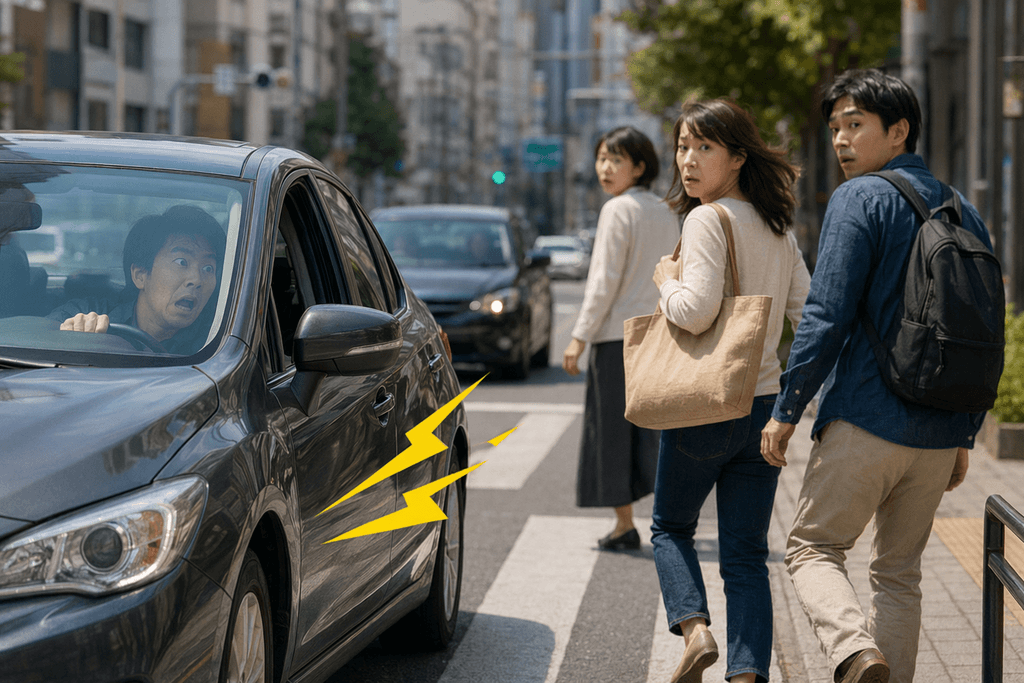
鳴らす
membunyikan / mendentangkan
鳴らす
membunyikan / mendentangkan
Explanation
鳴らす
membunyikan / mendentangkan
鳴らす
membunyikan / menderingkan / membunyikan klakson
Word Forms
The basic and commonly used forms of this verb.
Basic forms
| Form | Word form | Usage |
|---|---|---|
| Imperfective form (mizenkei) |
Alternative:
鳴らそ
|
Connects to endings such as nai, reru, and seru. |
| Continuative form (renyokei) | Connects to endings such as masu, tai, and ta. | |
| Conclusive form (shushikei) | Ends a sentence and serves as the dictionary form. | |
| Attributive form (rentaikei) | Modifies a noun. | |
| Conditional form (kateikei) | Combines with ba to express a condition. | |
| Imperative form (meireikei) | Expresses a command or instruction. |
Common forms
Loading...

JLPT N2 多言語単語帳・1790語 / JLPT N2 Multilingual Vocabulary: 1790 Words

Jonathan Waller 氏の JLPT Resources の語彙リスト・レベル分類を出典とし、CC BY の条件に従って DiQt が学習者向けに意味を作り直した1790語の単語帳です。JLPT公式の語彙リストではありません。
This collection of 1790 words is based on the vocabulary list and level classifications in Jonathan Waller’s JLPT Resources under CC BY, with meanings rewritten by DiQt for learners. It is not an official JLPT vocabulary list.
Key Operations
Select the first quiz:
Ctrl + Enter
View Explanation:Ctrl + G
Close a feedback:Esc
When selecting a quiz
Answer:Enter
Select a choice:↓ or ↑
Reading out the question:Ctrl + K
View Hint: Ctrl + M
I don't know: Ctrl + Y



