
JLPT N2: Latihan arti kata - Unsolved

Pelajari arti 1790 kata JLPT N2 dalam bahasa Indonesia melalui soal dengan empat pilihan jawaban.
-
kegunaan
-
rambu
-
perjalanan ke tempat kerja
-
garis lengkung
-
ulasan kritis
-
sekolah pascasarjana
-
irama
-
mikroskop
-
bros
-
esai sastra
-
perpanjangan
-
berbayar
-
menangkap / memahami
-
menggembung
-
mengupas
-
mengumpulkan
-
dibangun
-
menipu
- 「会う」と同じ五段活用。望ましくない出来事・災難などに遭遇する意味で用いる。
-
menimba air
-
menyajikan makanan / menumpuk
-
berbau / berbau busuk
-
gaji
-
lonceng kecil
-
buatan manusia
-
keilmuan
-
perkakas
-
lobi
-
tukang kayu
-
volume
-
arah / bidang
材木
kayu bahan bangunan
材木
kayu bahan bangunan
Explanation
材木
kayu bahan bangunan
材木
kayu bahan / kayu bangunan / kayu gergajian

( Base form )
( romanization )
( hiragana )
高度
ketinggian / tingkat lanjut
高度
ketinggian / tingkat lanjut
Explanation
高度
ketinggian / tingkat lanjut
高度
ketinggian / tingkat tinggi / kualitas tinggi

( Base form )
( romanization )
( hiragana )
月日
berlalunya waktu
月日
berlalunya waktu
Explanation
月日
berlalunya waktu
月日
waktu yang berlalu / kehidupan sehari-hari / bulan dan matahari

( Base form )
( romanization )
( hiragana )
青少年
kaum muda
青少年
kaum muda
Explanation
青少年
kaum muda
青少年
remaja / anak muda / kaum muda

( Base form )
( romanization )
( hiragana )
詰まる
tersumbat / penuh sesak
詰まる
tersumbat / penuh sesak
Explanation
詰まる
tersumbat / penuh sesak
詰まる
tersumbat / penuh sesak / buntu

Word Forms
The basic and commonly used forms of this verb.
Basic forms
| Form | Word form | Usage |
|---|---|---|
| Imperfective form (mizenkei) |
Alternative:
詰まろ
|
Connects to endings such as nai, reru, and seru. |
| Continuative form (renyokei) |
Alternative:
詰まっ
|
Connects to endings such as masu, tai, and ta. |
| Conclusive form (shushikei) | Ends a sentence and serves as the dictionary form. | |
| Attributive form (rentaikei) | Modifies a noun. | |
| Conditional form (kateikei) | Combines with ba to express a condition. | |
| Imperative form (meireikei) | Expresses a command or instruction. |
Common forms
遭う
mengalami kemalangan
遭う
mengalami kemalangan
Explanation
遭う
mengalami kemalangan
遭う
mengalami (musibah, kecelakaan, masalah) / tertimpa; terkena (hal buruk) / menemui secara tak terduga

Word Forms
The basic and commonly used forms of this verb.
Basic forms
| Form | Word form | Usage |
|---|---|---|
| Imperfective form (mizenkei) |
Alternative:
遭お
|
Connects to endings such as nai, reru, and seru. |
| Continuative form (renyokei) | Connects to endings such as masu, tai, and ta. | |
| Conclusive form (shushikei) | Ends a sentence and serves as the dictionary form. | |
| Attributive form (rentaikei) | Modifies a noun. | |
| Conditional form (kateikei) | Combines with ba to express a condition. | |
| Imperative form (meireikei) | Expresses a command or instruction. |
Common forms
| Form | Word form | Usage |
|---|---|---|
| Te-form | Connects clauses with te. | |
| Ta-form | Expresses the past with ta. | |
| Nai-form | Expresses negation with nai. | |
| Masu-form | Used for polite speech. | |
| Ba-form | Expresses a condition with ba. | |
| Volitional form | Expresses intention or invitation. |
Notes
目指す
membidik tujuan
目指す
membidik tujuan
Explanation
目指す
membidik tujuan
目指す
menargetkan / mengincar / menuju

Word Forms
The basic and commonly used forms of this verb.
Basic forms
| Form | Word form | Usage |
|---|---|---|
| Imperfective form (mizenkei) |
Alternative:
目指そ
|
Connects to endings such as nai, reru, and seru. |
| Continuative form (renyokei) | Connects to endings such as masu, tai, and ta. | |
| Conclusive form (shushikei) | Ends a sentence and serves as the dictionary form. | |
| Attributive form (rentaikei) | Modifies a noun. | |
| Conditional form (kateikei) | Combines with ba to express a condition. | |
| Imperative form (meireikei) | Expresses a command or instruction. |
Common forms
区分
pembagian / penggolongan
区分
pembagian / penggolongan
Explanation
区分
pembagian / penggolongan
区分
klasifikasi / pembagian / penggolongan

( Base form )
( romanization )
( stem )
( Past )
( kyūjitai )
( table-tags )
( inflection-template )
( imperfective stem )
( imperfective stem )
( imperfective )
( continuative stem )
( continuative stem )
( continuative )
( stem terminative )
( stem terminative )
( terminative )
( attributive stem )
( attributive stem )
( attributive )
( hypothetical stem )
( hypothetical stem )
( hypothetical )
( Imperative literary stem )
( colloquial Imperative stem )
( Imperative literary stem )
( colloquial Imperative stem )
( Imperative literary )
( colloquial Imperative )
( Passive voice )
( Passive voice )
( Passive voice )
( causative )
( causative )
( causative )
( causative )
( causative )
( causative )
( potential )
( potential )
( potential )
( volitional )
( volitional )
( volitional )
( negative )
( negative )
( negative )
( continuative negative )
( continuative negative )
( continuative negative )
( formal )
( formal )
( formal )
( perfective )
( perfective )
( perfective )
( conjunctive )
( conjunctive )
( conjunctive )
( Conditional hypothetical )
( Conditional hypothetical )
( Conditional hypothetical )
電力
daya listrik
電力
daya listrik
Explanation
電力
daya listrik
電力
daya listrik / tenaga listrik / pasokan listrik

( Base form )
( romanization )
( hiragana )
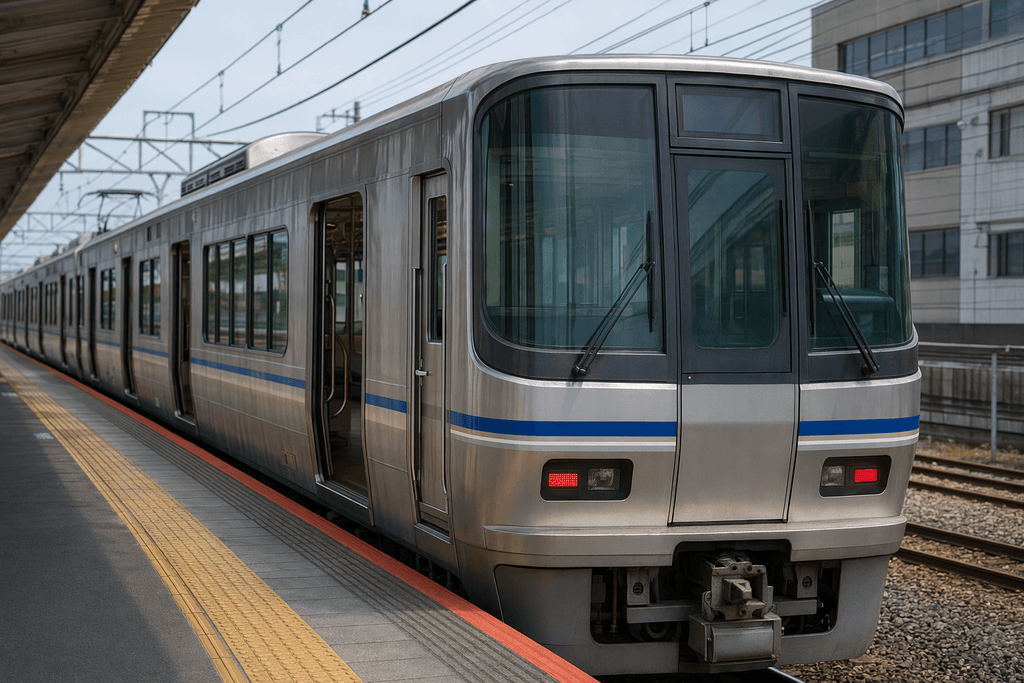
停車
berhentinya kendaraan
停車
berhentinya kendaraan
Explanation
停車
berhentinya kendaraan
停車
penghentian (kereta/kendaraan) / perhentian (kereta/kendaraan) / berhentinya kereta atau kendaraan
( Base form )
( romanization )
( romanization )
( hiragana historical )
( hiragana )
Loading...

JLPT N2 多言語単語帳・1790語 / JLPT N2 Multilingual Vocabulary: 1790 Words

Jonathan Waller 氏の JLPT Resources の語彙リスト・レベル分類を出典とし、CC BY の条件に従って DiQt が学習者向けに意味を作り直した1790語の単語帳です。JLPT公式の語彙リストではありません。
This collection of 1790 words is based on the vocabulary list and level classifications in Jonathan Waller’s JLPT Resources under CC BY, with meanings rewritten by DiQt for learners. It is not an official JLPT vocabulary list.
Key Operations
Select the first quiz:
Ctrl + Enter
View Explanation:Ctrl + G
Close a feedback:Esc
When selecting a quiz
Answer:Enter
Select a choice:↓ or ↑
Reading out the question:Ctrl + K
View Hint: Ctrl + M
I don't know: Ctrl + Y



