
JLPT N2: Latihan arti kata - Unsolved

Pelajari arti 1790 kata JLPT N2 dalam bahasa Indonesia melalui soal dengan empat pilihan jawaban.
-
ikan mas koki
-
patokan
-
fakultas universitas
-
berpapasan / berbeda pendapat
-
menghalangi / mencegah
-
menyingkir
-
pengantar umum
-
adik laki-laki orang tua
-
meteran ukur
-
tempo
-
kaus kaki belah jari
-
sindiran / ironi
-
organ musik
-
baterai kering
-
tenggat waktu
-
kantor bea cukai
-
wajar / biasa
-
mangkuk sup kayu
-
tahu / berpikir
-
berusaha
-
menggelindingkan
-
pendapatan penjualan
-
pengantin perempuan
-
perusahaan dagang
-
menyelesaikan / melakukan
-
menjadi dingin / memudar
-
menikmati rasa / mengalami
-
daun pintu penahan hujan
-
kipas lipat
-
wadah
直通
layanan langsung / sambungan langsung
直通
layanan langsung / sambungan langsung
Explanation
直通
layanan langsung / sambungan langsung
直通
hubungan langsung (tanpa perantara) / layanan langsung (kereta tanpa ganti) / jalur langsung

( Base form )
( romanization )
( stem )
( Past )
( table-tags )
( inflection-template )
( imperfective stem )
( imperfective stem )
( imperfective )
( continuative stem )
( continuative stem )
( continuative )
( stem terminative )
( stem terminative )
( terminative )
( attributive stem )
( attributive stem )
( attributive )
( hypothetical stem )
( hypothetical stem )
( hypothetical )
( Imperative literary stem )
( colloquial Imperative stem )
( Imperative literary stem )
( colloquial Imperative stem )
( Imperative literary )
( colloquial Imperative )
( Passive voice )
( Passive voice )
( Passive voice )
( causative )
( causative )
( causative )
( causative )
( causative )
( causative )
( potential )
( potential )
( potential )
( volitional )
( volitional )
( volitional )
( negative )
( negative )
( negative )
( continuative negative )
( continuative negative )
( continuative negative )
( formal )
( formal )
( formal )
( perfective )
( perfective )
( perfective )
( conjunctive )
( conjunctive )
( conjunctive )
( Conditional hypothetical )
( Conditional hypothetical )
( Conditional hypothetical )
腰掛ける
duduk
腰掛ける
duduk
Explanation
腰掛ける
duduk
腰掛ける
duduk / mengambil tempat duduk / duduk sebentar

Word Forms
The basic and commonly used forms of this verb.
Basic forms
| Form | Word form | Usage |
|---|---|---|
| Imperfective form (mizenkei) |
Alternative:
腰かけ
|
Connects to endings such as nai, reru, and seru. |
| Continuative form (renyokei) |
Alternative:
腰かけ
|
Connects to endings such as masu, tai, and ta. |
| Conclusive form (shushikei) |
Alternative:
腰かける
|
Ends a sentence and serves as the dictionary form. |
| Attributive form (rentaikei) |
Alternative:
腰かける
|
Modifies a noun. |
| Conditional form (kateikei) |
Alternative:
腰かけれ
|
Combines with ba to express a condition. |
| Imperative form (meireikei) |
Alternative:
腰掛けよ
腰かけろ
腰かけよ
|
Expresses a command or instruction. |
Common forms
| Form | Word form | Usage |
|---|---|---|
| Te-form |
Alternative:
腰かけて
|
Connects clauses with te. |
| Ta-form |
Alternative:
腰かけた
|
Expresses the past with ta. |
| Nai-form |
Alternative:
腰かけない
|
Expresses negation with nai. |
| Masu-form |
Alternative:
腰かけます
|
Used for polite speech. |
| Ba-form |
Alternative:
腰かければ
|
Expresses a condition with ba. |
| Volitional form |
Alternative:
腰かけよう
|
Expresses intention or invitation. |
学会
perkumpulan ilmiah / konferensi ilmiah
学会
perkumpulan ilmiah / konferensi ilmiah
Explanation
学会
perkumpulan ilmiah / konferensi ilmiah
学会
asosiasi ilmiah / konferensi ilmiah

( Base form )
( romanization )
( romanization )
( kyūjitai )
( hiragana historical )
( hiragana )
しっぽ
ekor hewan
しっぽ
ekor hewan
Explanation
ekor hewan
しっぽ
ekor (hewan) / bagian ujung belakang

( romanization )
日程
jadwal
日程
jadwal
Explanation
日程
jadwal
日程
jadwal / rencana kegiatan / jadwal hari itu

( Base form )
( romanization )
( hiragana )
小指
jari kelingking
小指
jari kelingking
Explanation
小指
jari kelingking
小指
jari kelingking / kelingking

( Base form )
( romanization )
( hiragana )
崩れる
runtuh
崩れる
runtuh
Explanation
崩れる
runtuh
崩れる
runtuh / ambruk / hancur

Word Forms
The basic and commonly used forms of this verb.
Basic forms
| Form | Word form | Usage |
|---|---|---|
| Imperfective form (mizenkei) | Connects to endings such as nai, reru, and seru. | |
| Continuative form (renyokei) | Connects to endings such as masu, tai, and ta. | |
| Conclusive form (shushikei) | Ends a sentence and serves as the dictionary form. | |
| Attributive form (rentaikei) | Modifies a noun. | |
| Conditional form (kateikei) | Combines with ba to express a condition. | |
| Imperative form (meireikei) |
Alternative:
崩れよ
|
Expresses a command or instruction. |
Common forms
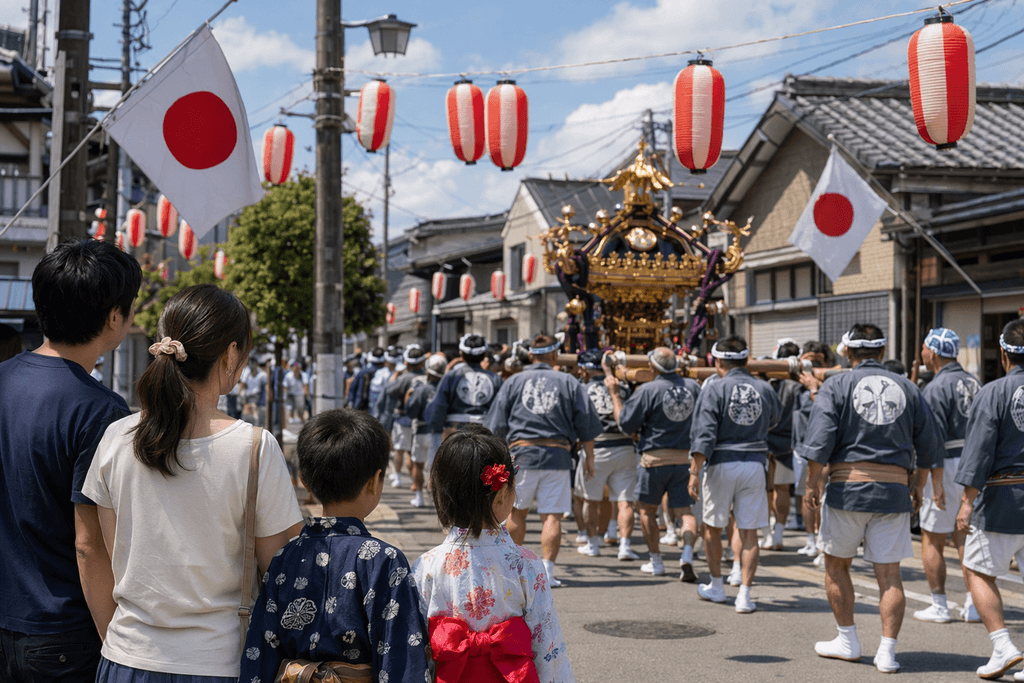
祭日
hari libur nasional / hari perayaan
祭日
hari libur nasional / hari perayaan
Explanation
祭日
hari libur nasional / hari perayaan
祭日
hari libur nasional / hari raya keagamaan / hari perayaan
( Base form )
( romanization )
( hiragana )
著す
mengarang buku
著す
mengarang buku
Explanation
著す
mengarang buku
著す
menulis / menerbitkan / mengarang

Word Forms
The basic and commonly used forms of this verb.
Basic forms
| Form | Word form | Usage |
|---|---|---|
| Imperfective form (mizenkei) |
Alternative:
著そ
|
Connects to endings such as nai, reru, and seru. |
| Continuative form (renyokei) | Connects to endings such as masu, tai, and ta. | |
| Conclusive form (shushikei) | Ends a sentence and serves as the dictionary form. | |
| Attributive form (rentaikei) | Modifies a noun. | |
| Conditional form (kateikei) | Combines with ba to express a condition. | |
| Imperative form (meireikei) | Expresses a command or instruction. |
Common forms
人通り
lalu lintas pejalan kaki
人通り
lalu lintas pejalan kaki
Explanation
人通り
lalu lintas pejalan kaki
人通り
lalu-lalang orang / arus orang / lalu lintas pejalan kaki

( Base form )
( romanization )
( romanization )
( hiragana historical )
Loading...

JLPT N2 多言語単語帳・1790語 / JLPT N2 Multilingual Vocabulary: 1790 Words

Jonathan Waller 氏の JLPT Resources の語彙リスト・レベル分類を出典とし、CC BY の条件に従って DiQt が学習者向けに意味を作り直した1790語の単語帳です。JLPT公式の語彙リストではありません。
This collection of 1790 words is based on the vocabulary list and level classifications in Jonathan Waller’s JLPT Resources under CC BY, with meanings rewritten by DiQt for learners. It is not an official JLPT vocabulary list.
Key Operations
Select the first quiz:
Ctrl + Enter
View Explanation:Ctrl + G
Close a feedback:Esc
When selecting a quiz
Answer:Enter
Select a choice:↓ or ↑
Reading out the question:Ctrl + K
View Hint: Ctrl + M
I don't know: Ctrl + Y



