
JLPT N2: Latihan arti kata - Unsolved

Pelajari arti 1790 kata JLPT N2 dalam bahasa Indonesia melalui soal dengan empat pilihan jawaban.
-
menitipkan pesan
-
melempar / membiarkan
-
meramal nasib
-
saya turut prihatin
-
terima kasih atas hidangannya
-
mohon tunggu
-
kembali / secara resmi
-
berjajar panjang
-
sebentar lagi
-
terjal / garang
-
luar biasa
-
tidak tahu malu
-
penggunaan habis / keausan
-
kekasaran
-
pegangan / setir
-
tanda terima / penerimaan
-
rapat persiapan
-
hari libur nasional / hari perayaan
-
tingkat
-
puisi haiku
-
ide
-
untung rugi
-
uap
-
mengikuti ujian
-
kayu bahan bangunan
-
kondektur kereta
-
gergaji
-
haluan / arah
-
pertanyaan
-
batas
治す
menyembuhkan / memulihkan luka
治す
menyembuhkan / memulihkan luka
Explanation
治す
menyembuhkan / memulihkan luka
治す
menyembuhkan / mengobati / memulihkan kesehatan

Word Forms
The basic and commonly used forms of this verb.
Basic forms
| Form | Word form | Usage |
|---|---|---|
| Imperfective form (mizenkei) |
Alternative:
治そ
|
Connects to endings such as nai, reru, and seru. |
| Continuative form (renyokei) | Connects to endings such as masu, tai, and ta. | |
| Conclusive form (shushikei) | Ends a sentence and serves as the dictionary form. | |
| Attributive form (rentaikei) | Modifies a noun. | |
| Conditional form (kateikei) | Combines with ba to express a condition. | |
| Imperative form (meireikei) | Expresses a command or instruction. |
Common forms
お掛けください
silakan duduk
お掛けください
silakan duduk
Explanation
お掛けください
silakan duduk
お掛けください
Silakan duduk. / Mohon duduk. / Dipersilakan duduk.

まあまあ
lumayan
まあまあ
lumayan
Explanation
lumayan
まあまあ
lumayan / biasa saja / cukup baik
( romanization )
( adnominal )
( adverbial )
( table-tags )
( inflection-template )
( imperfective stem )
( imperfective stem )
( continuative stem )
( continuative stem )
( stem terminative )
( stem terminative )
( attributive stem )
( attributive stem )
( hypothetical stem )
( hypothetical stem )
( Imperative stem )
( Imperative stem )
( informal negative )
( informal negative )
( informal negative )
( informal negative )
( informal Past )
( informal Past )
( informal negative Past )
( informal negative Past )
( informal negative Past )
( informal negative Past )
( formal )
( formal )
( formal negative )
( formal negative )
( formal negative )
( formal negative )
( formal Past )
( formal Past )
( formal negative Past )
( formal negative Past )
( formal negative Past )
( formal negative Past )
( conjunctive )
( conjunctive )
( Conditional )
( Conditional )
( Conditional Past )
( Conditional Past )
( volitional )
( volitional )
( adverbial )
( adverbial )
( noun-from-adj )
( noun-from-adj )
騒々しい
berisik
騒々しい
berisik
Explanation
騒々しい
berisik
騒々しい
berisik / ribut / gaduh

Word Forms
The basic and commonly used forms of this adjective.
Basic forms
| Form | Word form | Usage |
|---|---|---|
| Imperfective form (mizenkei) | Used in forms such as karou; mainly literary. | |
| Continuative form (renyokei) |
Alternative:
騒々しかっ
|
Used in forms such as kute and kunai. |
| Conclusive form (shushikei) | Ends a sentence. | |
| Attributive form (rentaikei) | Modifies a noun. | |
| Conditional form (kateikei) | Expresses a condition with kereba. | |
| Imperative form (meireikei) | Rarely used in modern Japanese. |
Common forms
失恋
patah hati
失恋
patah hati
Explanation
失恋
patah hati
失恋
patah hati / putus cinta / cinta tak berbalas

( Base form )
( romanization )
( stem )
( Past )
( table-tags )
( inflection-template )
( imperfective stem )
( imperfective stem )
( imperfective )
( continuative stem )
( continuative stem )
( continuative )
( stem terminative )
( stem terminative )
( terminative )
( attributive stem )
( attributive stem )
( attributive )
( hypothetical stem )
( hypothetical stem )
( hypothetical )
( Imperative literary stem )
( colloquial Imperative stem )
( Imperative literary stem )
( colloquial Imperative stem )
( Imperative literary )
( colloquial Imperative )
( Passive voice )
( Passive voice )
( Passive voice )
( causative )
( causative )
( causative )
( causative )
( causative )
( causative )
( potential )
( potential )
( potential )
( volitional )
( volitional )
( volitional )
( negative )
( negative )
( negative )
( continuative negative )
( continuative negative )
( continuative negative )
( formal )
( formal )
( formal )
( perfective )
( perfective )
( perfective )
( conjunctive )
( conjunctive )
( conjunctive )
( Conditional hypothetical )
( Conditional hypothetical )
( Conditional hypothetical )
発揮
pengerahan kemampuan
発揮
pengerahan kemampuan
Explanation
発揮
pengerahan kemampuan
発揮
peragaan (kemampuan/kekuatan) / manifestasi (kemampuan/bakat) / unjuk kemampuan
( Base form )
( romanization )
( stem )
( Past )
( table-tags )
( inflection-template )
( imperfective stem )
( imperfective stem )
( imperfective )
( continuative stem )
( continuative stem )
( continuative )
( stem terminative )
( stem terminative )
( terminative )
( attributive stem )
( attributive stem )
( attributive )
( hypothetical stem )
( hypothetical stem )
( hypothetical )
( Imperative literary stem )
( colloquial Imperative stem )
( Imperative literary stem )
( colloquial Imperative stem )
( Imperative literary )
( colloquial Imperative )
( Passive voice )
( Passive voice )
( Passive voice )
( causative )
( causative )
( causative )
( causative )
( causative )
( causative )
( potential )
( potential )
( potential )
( volitional )
( volitional )
( volitional )
( negative )
( negative )
( negative )
( continuative negative )
( continuative negative )
( continuative negative )
( formal )
( formal )
( formal )
( perfective )
( perfective )
( perfective )
( conjunctive )
( conjunctive )
( conjunctive )
( Conditional hypothetical )
( Conditional hypothetical )
( Conditional hypothetical )
正味
berat bersih / jumlah sebenarnya
正味
berat bersih / jumlah sebenarnya
Explanation
正味
berat bersih / jumlah sebenarnya
正味
berat bersih / harga bersih / isi bersih

( Base form )
( romanization )
( hiragana )
能率
efisiensi
能率
efisiensi
Explanation
能率
efisiensi
能率
efisiensi (dalam kerja/produktivitas) / momen (fisika)

( Base form )
( romanization )
( hiragana )
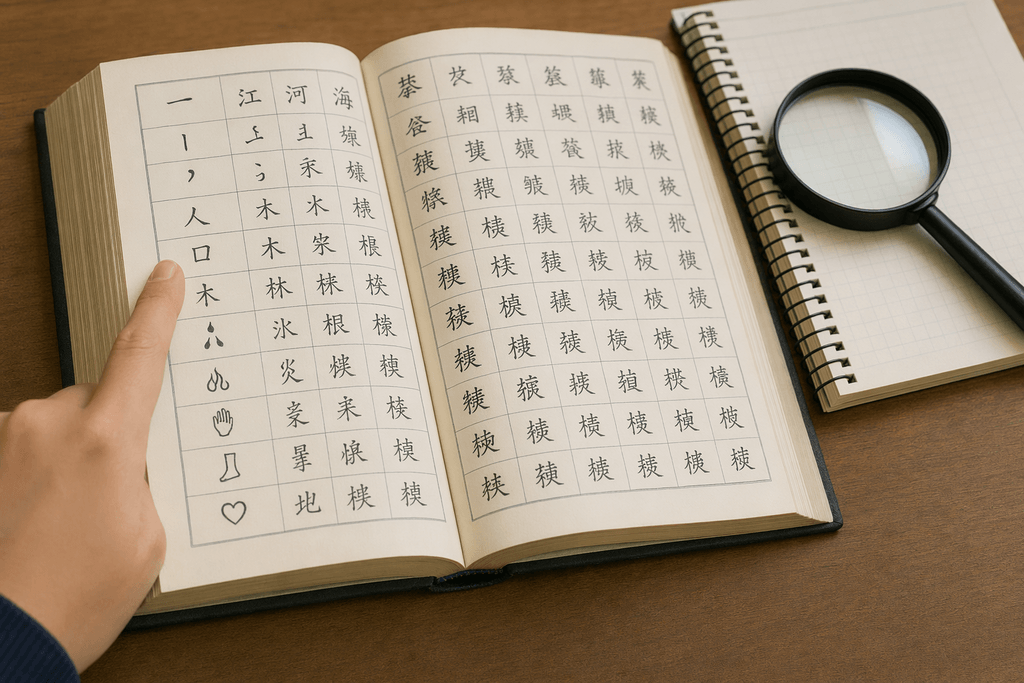
部首
radikal aksara
部首
radikal aksara
Explanation
部首
radikal aksara
部首
radikal kanji / komponen dasar huruf kanji / unsur pembentuk kanji
( Base form )
( romanization )
( hiragana )
国王
raja
国王
raja
Explanation
国王
raja
国王
raja / penguasa tertinggi di kerajaan / kepala negara monarki

( Base form )
( romanization )
( kyūjitai )
( hiragana )
Loading...

JLPT N2 多言語単語帳・1790語 / JLPT N2 Multilingual Vocabulary: 1790 Words

Jonathan Waller 氏の JLPT Resources の語彙リスト・レベル分類を出典とし、CC BY の条件に従って DiQt が学習者向けに意味を作り直した1790語の単語帳です。JLPT公式の語彙リストではありません。
This collection of 1790 words is based on the vocabulary list and level classifications in Jonathan Waller’s JLPT Resources under CC BY, with meanings rewritten by DiQt for learners. It is not an official JLPT vocabulary list.
Key Operations
Select the first quiz:
Ctrl + Enter
View Explanation:Ctrl + G
Close a feedback:Esc
When selecting a quiz
Answer:Enter
Select a choice:↓ or ↑
Reading out the question:Ctrl + K
View Hint: Ctrl + M
I don't know: Ctrl + Y



