
JLPT N2: Latihan arti kata - Belum dijawab

Pelajari arti 1790 kata JLPT N2 dalam bahasa Indonesia melalui soal dengan empat pilihan jawaban.
-
meramal nasib
-
menitipkan pesan
-
melempar / membiarkan
-
mohon tunggu
-
terima kasih atas hidangannya
-
saya turut prihatin
-
kembali / secara resmi
-
sebentar lagi
-
berjajar panjang
-
terjal / garang
-
luar biasa
-
tidak tahu malu
-
penggunaan habis / keausan
-
pegangan / setir
-
kekasaran
-
hari libur nasional / hari perayaan
-
rapat persiapan
-
tanda terima / penerimaan
-
ide
-
tingkat
-
puisi haiku
-
untung rugi
-
mengikuti ujian
-
uap
-
kayu bahan bangunan
-
kondektur kereta
-
gergaji
-
pertanyaan
-
haluan / arah
-
batas
治す
menyembuhkan / memulihkan luka
治す
menyembuhkan / memulihkan luka
Penjelasan
治す
menyembuhkan / memulihkan luka
治す
menyembuhkan / mengobati / memulihkan kesehatan

Tampilkan bentuk kata
Berikut ringkasan "bentuk dasar" dan "bentuk umum" dari kata kerja ini.
Bentuk dasar
| Bentuk | Bentuk kata | Pemakaian |
|---|---|---|
| Bentuk irealis (みぜんけい) |
Ungkapan lain:
治そ
|
Bentuk ini diikuti "ない", "れる", "せる", dan sebagainya. |
| Bentuk sambung (れんようけい) | Bentuk ini diikuti "ます", "たい", "た", dan sebagainya. | |
| Bentuk akhir kalimat (しゅうしけい) | Mengakhiri kalimat (bentuk kamus, じしょけい). | |
| Bentuk pewatas nomina (れんたいけい) | Menerangkan kata benda. | |
| Bentuk pengandaian (かていけい) | Bentuk ini menyatakan syarat dengan tambahan "ば". | |
| Bentuk perintah (めいれいけい) | Bentuk ini menyatakan perintah atau instruksi. |
Bentuk umum
| Bentuk | Bentuk kata | Pemakaian |
|---|---|---|
| Bentuk て | Menghubungkan kalimat dengan "-て". | |
| Bentuk た | Menyatakan masa lampau ("-た"). | |
| Bentuk ない | Menyatakan negasi ("-ない"). | |
| Bentuk ます | Dipakai untuk ungkapan sopan. | |
| Bentuk ば | Bentuk ini menyatakan syarat ("-ば"). | |
| Bentuk kehendak (いしけい) | Bentuk ini menyatakan niat atau ajakan ("-よう"). |
お掛けください
silakan duduk
お掛けください
silakan duduk
Penjelasan
お掛けください
silakan duduk
お掛けください
Silakan duduk. / Mohon duduk. / Dipersilakan duduk.

まあまあ
lumayan
まあまあ
lumayan
Penjelasan
lumayan
まあまあ
lumayan / biasa saja / cukup baik
( romanization )
( adnominal )
( adverbial )
( table-tags )
( inflection-template )
( imperfective stem )
( imperfective stem )
( continuative stem )
( continuative stem )
( stem terminative )
( stem terminative )
( attributive stem )
( attributive stem )
( hypothetical stem )
( hypothetical stem )
( Imperatif stem )
( Imperatif stem )
( informal negative )
( informal negative )
( informal negative )
( informal negative )
( informal Lampau )
( informal Lampau )
( informal negative Lampau )
( informal negative Lampau )
( informal negative Lampau )
( informal negative Lampau )
( formal )
( formal )
( formal negative )
( formal negative )
( formal negative )
( formal negative )
( formal Lampau )
( formal Lampau )
( formal negative Lampau )
( formal negative Lampau )
( formal negative Lampau )
( formal negative Lampau )
( conjunctive )
( conjunctive )
( Kondisional )
( Kondisional )
( Kondisional Lampau )
( Kondisional Lampau )
( volitional )
( volitional )
( adverbial )
( adverbial )
( noun-from-adj )
( noun-from-adj )
騒々しい
berisik
騒々しい
berisik
Penjelasan
騒々しい
berisik
騒々しい
berisik / ribut / gaduh

Tampilkan bentuk kata
Berikut ringkasan "bentuk dasar" dan "bentuk umum" dari kata sifat ini.
Bentuk dasar
| Bentuk | Bentuk kata | Pemakaian |
|---|---|---|
| Bentuk irealis (みぜんけい) | Bentuk ini dipakai dalam "-かろう" dan bentuk serupa (ragam sastra). | |
| Bentuk sambung (れんようけい) |
Ungkapan lain:
騒々しかっ
|
Dipakai dalam "-くて", "-くない", dan sejenisnya. |
| Bentuk akhir kalimat (しゅうしけい) | Mengakhiri kalimat. | |
| Bentuk pewatas nomina (れんたいけい) | Menerangkan kata benda. | |
| Bentuk pengandaian (かていけい) | Bentuk ini menyatakan syarat dengan "-ければ". | |
| Bentuk perintah (めいれいけい) | Jarang dipakai dalam bahasa Jepang modern. |
Bentuk umum
失恋
patah hati
失恋
patah hati
Penjelasan
失恋
patah hati
失恋
patah hati / putus cinta / cinta tak berbalas

( Bentuk dasar )
( romanization )
( stem )
( Lampau )
( table-tags )
( inflection-template )
( imperfective stem )
( imperfective stem )
( imperfective )
( continuative stem )
( continuative stem )
( continuative )
( stem terminative )
( stem terminative )
( terminative )
( attributive stem )
( attributive stem )
( attributive )
( hypothetical stem )
( hypothetical stem )
( hypothetical )
( Imperatif literary stem )
( colloquial Imperatif stem )
( Imperatif literary stem )
( colloquial Imperatif stem )
( Imperatif literary )
( colloquial Imperatif )
( Pasif )
( Pasif )
( Pasif )
( causative )
( causative )
( causative )
( causative )
( causative )
( causative )
( potential )
( potential )
( potential )
( volitional )
( volitional )
( volitional )
( negative )
( negative )
( negative )
( continuative negative )
( continuative negative )
( continuative negative )
( formal )
( formal )
( formal )
( perfective )
( perfective )
( perfective )
( conjunctive )
( conjunctive )
( conjunctive )
( Kondisional hypothetical )
( Kondisional hypothetical )
( Kondisional hypothetical )
発揮
pengerahan kemampuan
発揮
pengerahan kemampuan
Penjelasan
発揮
pengerahan kemampuan
発揮
peragaan (kemampuan/kekuatan) / manifestasi (kemampuan/bakat) / unjuk kemampuan

( Bentuk dasar )
( romanization )
( stem )
( Lampau )
( table-tags )
( inflection-template )
( imperfective stem )
( imperfective stem )
( imperfective )
( continuative stem )
( continuative stem )
( continuative )
( stem terminative )
( stem terminative )
( terminative )
( attributive stem )
( attributive stem )
( attributive )
( hypothetical stem )
( hypothetical stem )
( hypothetical )
( Imperatif literary stem )
( colloquial Imperatif stem )
( Imperatif literary stem )
( colloquial Imperatif stem )
( Imperatif literary )
( colloquial Imperatif )
( Pasif )
( Pasif )
( Pasif )
( causative )
( causative )
( causative )
( causative )
( causative )
( causative )
( potential )
( potential )
( potential )
( volitional )
( volitional )
( volitional )
( negative )
( negative )
( negative )
( continuative negative )
( continuative negative )
( continuative negative )
( formal )
( formal )
( formal )
( perfective )
( perfective )
( perfective )
( conjunctive )
( conjunctive )
( conjunctive )
( Kondisional hypothetical )
( Kondisional hypothetical )
( Kondisional hypothetical )
正味
berat bersih / jumlah sebenarnya
正味
berat bersih / jumlah sebenarnya
Penjelasan
正味
berat bersih / jumlah sebenarnya
正味
berat bersih / harga bersih / isi bersih

( Bentuk dasar )
( romanization )
( hiragana )
能率
efisiensi
能率
efisiensi
Penjelasan
能率
efisiensi
能率
efisiensi (dalam kerja/produktivitas) / momen (fisika)

( Bentuk dasar )
( romanization )
( hiragana )
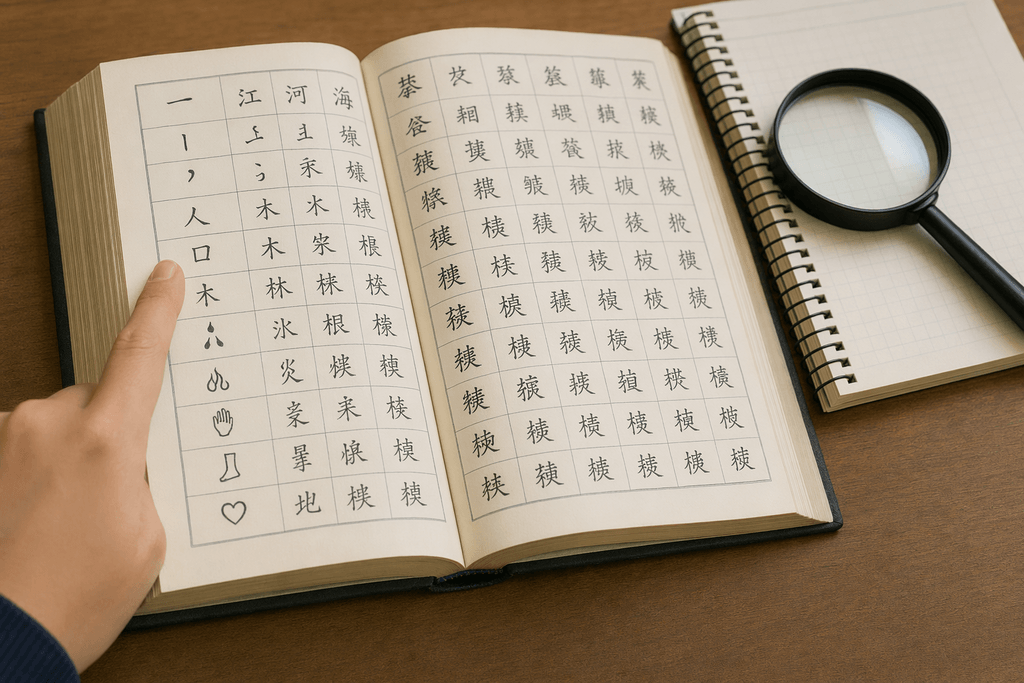
部首
radikal aksara
部首
radikal aksara
Penjelasan
部首
radikal aksara
部首
radikal kanji / komponen dasar huruf kanji / unsur pembentuk kanji
( Bentuk dasar )
( romanization )
( hiragana )
国王
raja
国王
raja
Penjelasan
国王
raja
国王
raja / penguasa tertinggi di kerajaan / kepala negara monarki

( Bentuk dasar )
( romanization )
( kyūjitai )
( hiragana )
Memuat…

JLPT N2 多言語単語帳・1790語 / JLPT N2 Multilingual Vocabulary: 1790 Words

Jonathan Waller 氏の JLPT Resources の語彙リスト・レベル分類を出典とし、CC BY の条件に従って DiQt が学習者向けに意味を作り直した1790語の単語帳です。JLPT公式の語彙リストではありません。
This collection of 1790 words is based on the vocabulary list and level classifications in Jonathan Waller’s JLPT Resources under CC BY, with meanings rewritten by DiQt for learners. It is not an official JLPT vocabulary list.
Pintasan keyboard
Pemilihan soal pertama:
Ctrl + Enter
Lihat penjelasan:Ctrl + G
Penutupan umpan balik:Esc
Saat memilih soal
Jawab:Enter
Pilihan jawaban:↓ atau ↑
Pembacaan soal dengan suara:Ctrl + K
Lihat petunjuk: Ctrl + M
Tidak tahu: Ctrl + Y



