
JLPT N2: Latihan arti kata - Unsolved

Pelajari arti 1790 kata JLPT N2 dalam bahasa Indonesia melalui soal dengan empat pilihan jawaban.
-
memasang / mengenakan
-
runtuh
-
terlibat / memengaruhi
-
relatif
-
entah mengapa
-
dengan lembut / diam-diam
-
mengirim ke sini / menyerahkan
-
menyerang
-
miring / condong ke
-
kereta cepat Shinkansen
-
deretan pohon
-
kain lap
-
menjahit
-
bertanggung jawab atas
-
menyelidiki / meraba-raba
-
gagah berani
-
berisik
-
membahagiakan / polos
- 「勿体ない」は仮名書き「もったいない」も一般的です。
- 語幹末尾が「ない」に見えますが、全体でイ形容詞として活用します。
-
kantor prefektur
-
maraton
-
panggung / pertunjukan
-
menyimpang / meleset
-
dimuat dalam terbitan
-
berjongkok
-
lintang
-
peminjaman barang
-
dialek
-
hitam pekat
-
teman akrab
-
mencolok
散らす
menyebarkan
散らす
menyebarkan
Explanation
散らす
menyebarkan
散らす
menyebarkan / menaburkan / mengalihkan perhatian

Word Forms
The basic and commonly used forms of this verb.
Basic forms
| Form | Word form | Usage |
|---|---|---|
| Imperfective form (mizenkei) |
Alternative:
散らそ
|
Connects to endings such as nai, reru, and seru. |
| Continuative form (renyokei) | Connects to endings such as masu, tai, and ta. | |
| Conclusive form (shushikei) | Ends a sentence and serves as the dictionary form. | |
| Attributive form (rentaikei) | Modifies a noun. | |
| Conditional form (kateikei) | Combines with ba to express a condition. | |
| Imperative form (meireikei) | Expresses a command or instruction. |
Common forms
にこにこ
tersenyum ceria
にこにこ
tersenyum ceria
Explanation
tersenyum ceria
にこにこ
dengan tersenyum / sambil tersenyum riang / dengan senyum ceria

( Base form )
( Base form )
( romanization )
( stem )
( Past )
( table-tags )
( inflection-template )
( imperfective stem )
( imperfective stem )
( continuative stem )
( continuative stem )
( stem terminative )
( stem terminative )
( attributive stem )
( attributive stem )
( hypothetical stem )
( hypothetical stem )
( Imperative literary stem )
( colloquial Imperative stem )
( Imperative literary stem )
( colloquial Imperative stem )
( Passive voice )
( Passive voice )
( causative )
( causative )
( causative )
( causative )
( potential )
( potential )
( volitional )
( volitional )
( negative )
( negative )
( continuative negative )
( continuative negative )
( formal )
( formal )
( perfective )
( perfective )
( conjunctive )
( conjunctive )
( Conditional hypothetical )
( Conditional hypothetical )
重ねる
menumpuk / mengulangi
重ねる
menumpuk / mengulangi
Explanation
重ねる
menumpuk / mengulangi
重ねる
menumpuk/menyusun bertumpuk / melapis/menambah lapisan / mengulangi

Word Forms
The basic and commonly used forms of this verb.
Basic forms
| Form | Word form | Usage |
|---|---|---|
| Imperfective form (mizenkei) | Connects to endings such as nai, reru, and seru. | |
| Continuative form (renyokei) | Connects to endings such as masu, tai, and ta. | |
| Conclusive form (shushikei) | Ends a sentence and serves as the dictionary form. | |
| Attributive form (rentaikei) | Modifies a noun. | |
| Conditional form (kateikei) | Combines with ba to express a condition. | |
| Imperative form (meireikei) |
Alternative:
重ねよ
|
Expresses a command or instruction. |
Common forms
日用品
kebutuhan sehari-hari
日用品
kebutuhan sehari-hari
Explanation
日用品
kebutuhan sehari-hari
日用品
kebutuhan sehari-hari / barang kebutuhan sehari-hari / barang keperluan harian

( Base form )
( romanization )
( hiragana )
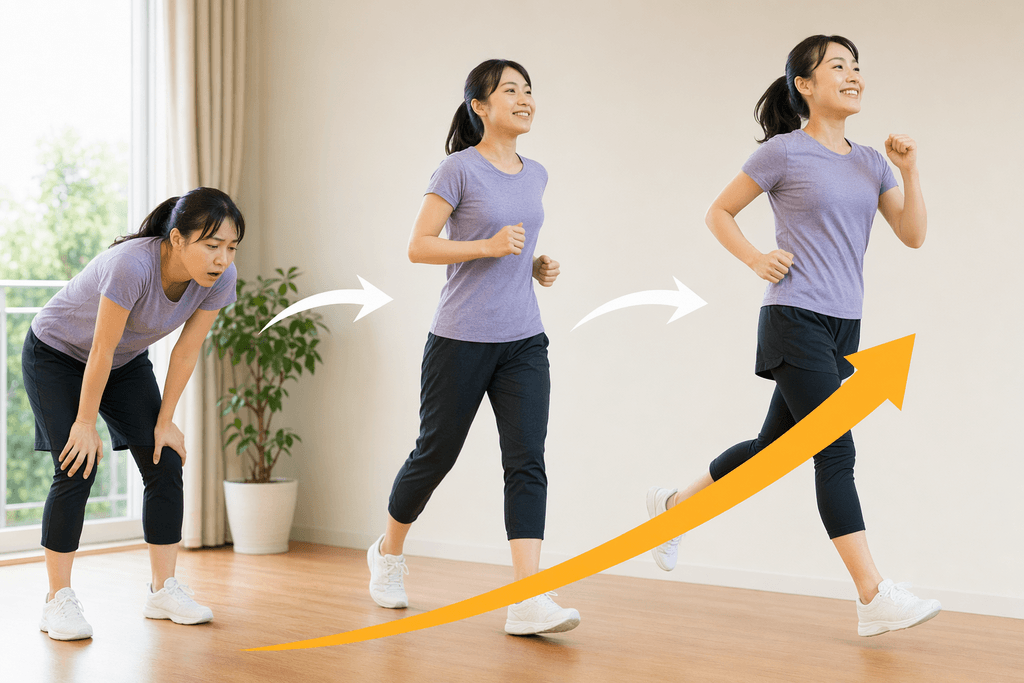
高める
menaikkan / meningkatkan
高める
menaikkan / meningkatkan
Explanation
高める
menaikkan / meningkatkan
高める
meningkatkan / menaikkan / mempertinggi
Word Forms
The basic and commonly used forms of this verb.
Basic forms
| Form | Word form | Usage |
|---|---|---|
| Imperfective form (mizenkei) | Connects to endings such as nai, reru, and seru. | |
| Continuative form (renyokei) | Connects to endings such as masu, tai, and ta. | |
| Conclusive form (shushikei) | Ends a sentence and serves as the dictionary form. | |
| Attributive form (rentaikei) | Modifies a noun. | |
| Conditional form (kateikei) | Combines with ba to express a condition. | |
| Imperative form (meireikei) |
Alternative:
高めよ
|
Expresses a command or instruction. |
Common forms
もったいない
sayang / terlalu baik untuk diterima
もったいない
sayang / terlalu baik untuk diterima
Explanation
sayang / terlalu baik untuk diterima
もったいない
mubazir / sayang untuk dibuang; terlalu berharga untuk disia-siakan / tidak layak (untuk sesuatu)

Word Forms
The basic and commonly used forms of this adjective.
Basic forms
| Form | Word form | Usage |
|---|---|---|
| Imperfective form (mizenkei) | Used in forms such as karou; mainly literary. | |
| Continuative form (renyokei) |
Alternative:
もったいなかっ
|
Used in forms such as kute and kunai. |
| Conclusive form (shushikei) |
Alternative:
勿体ない
|
Ends a sentence. |
| Attributive form (rentaikei) |
Alternative:
勿体ない
|
Modifies a noun. |
| Conditional form (kateikei) | Expresses a condition with kereba. | |
| Imperative form (meireikei) | Rarely used in modern Japanese. |
Common forms
| Form | Word form | Usage |
|---|---|---|
| Te-form | Connects clauses with kute. | |
| Ta-form | Expresses the past with katta. | |
| Nai-form | Expresses negation with kunai. | |
| Ba-form | Expresses a condition with kereba. |
Notes
四季
empat musim
四季
empat musim
Explanation
四季
empat musim
四季
empat musim / keempat musim dalam setahun / musim-musim sepanjang tahun

( Base form )
( romanization )
( hiragana )
ぶつける
membenturkan
ぶつける
membenturkan
Explanation
membenturkan
ぶつける
membenturkan atau menabrakkan; menubruk seseorang / melemparkan (sesuatu) / mengarahkan pertanyaan sulit atau melampiaskan emosi negatif kepada seseorang

Word Forms
The basic and commonly used forms of this verb.
Basic forms
| Form | Word form | Usage |
|---|---|---|
| Imperfective form (mizenkei) | Connects to endings such as nai, reru, and seru. | |
| Continuative form (renyokei) | Connects to endings such as masu, tai, and ta. | |
| Conclusive form (shushikei) | Ends a sentence and serves as the dictionary form. | |
| Attributive form (rentaikei) | Modifies a noun. | |
| Conditional form (kateikei) | Combines with ba to express a condition. | |
| Imperative form (meireikei) |
Alternative:
ぶつけよ
|
Expresses a command or instruction. |
Common forms
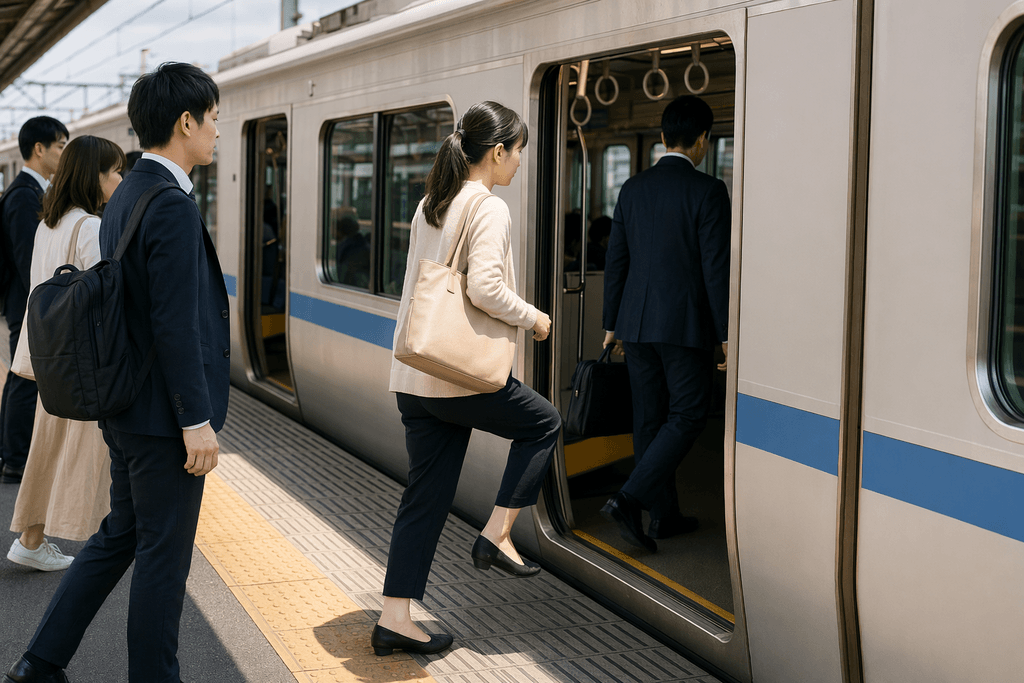
乗車
naik kendaraan
乗車
naik kendaraan
Explanation
乗車
naik kendaraan
乗車
naik kendaraan / menumpang kendaraan / aktivitas naik kendaraan
( Base form )
( romanization )
( stem )
( Past )
( table-tags )
( inflection-template )
( imperfective stem )
( imperfective stem )
( imperfective )
( continuative stem )
( continuative stem )
( continuative )
( stem terminative )
( stem terminative )
( terminative )
( attributive stem )
( attributive stem )
( attributive )
( hypothetical stem )
( hypothetical stem )
( hypothetical )
( Imperative literary stem )
( colloquial Imperative stem )
( Imperative literary stem )
( colloquial Imperative stem )
( Imperative literary )
( colloquial Imperative )
( Passive voice )
( Passive voice )
( Passive voice )
( causative )
( causative )
( causative )
( causative )
( causative )
( causative )
( potential )
( potential )
( potential )
( volitional )
( volitional )
( volitional )
( negative )
( negative )
( negative )
( continuative negative )
( continuative negative )
( continuative negative )
( formal )
( formal )
( formal )
( perfective )
( perfective )
( perfective )
( conjunctive )
( conjunctive )
( conjunctive )
( Conditional hypothetical )
( Conditional hypothetical )
( Conditional hypothetical )
透明
transparan
透明
transparan
Explanation
透明
transparan
透明
transparan / tembus pandang / tak kasatmata

Word Forms
The basic and commonly used forms of this adjectival noun.
Basic forms
| Form | Word form | Usage |
|---|---|---|
| Imperfective form (mizenkei) | Used in forms such as darou. | |
| Continuative form (renyokei) |
Alternative:
透明に
|
Used with de or ni. |
| Conclusive form (shushikei) | Ends a sentence with da. | |
| Attributive form (rentaikei) |
Alternative:
透明の
|
Modifies a noun with na. |
| Conditional form (kateikei) | Expresses a condition with nara. | |
| Imperative form (meireikei) | Used in formal expressions such as de are. |
Common forms
Loading...

JLPT N2 多言語単語帳・1790語 / JLPT N2 Multilingual Vocabulary: 1790 Words

Jonathan Waller 氏の JLPT Resources の語彙リスト・レベル分類を出典とし、CC BY の条件に従って DiQt が学習者向けに意味を作り直した1790語の単語帳です。JLPT公式の語彙リストではありません。
This collection of 1790 words is based on the vocabulary list and level classifications in Jonathan Waller’s JLPT Resources under CC BY, with meanings rewritten by DiQt for learners. It is not an official JLPT vocabulary list.
Key Operations
Select the first quiz:
Ctrl + Enter
View Explanation:Ctrl + G
Close a feedback:Esc
When selecting a quiz
Answer:Enter
Select a choice:↓ or ↑
Reading out the question:Ctrl + K
View Hint: Ctrl + M
I don't know: Ctrl + Y



