
JLPT N2: Latihan arti kata - Unsolved

Pelajari arti 1790 kata JLPT N2 dalam bahasa Indonesia melalui soal dengan empat pilihan jawaban.
-
membawa serta
-
seminar
-
ember
-
diskusi
-
vakum
-
tenggat waktu
-
butir
-
cuka
-
status sosial
-
penerapan
-
rumah sewaan
-
pengeringan / kekeringan
-
tahu / berpikir
-
terapung / menjadi longgar
-
dilengkapi
-
rana kamera / pintu gulung
-
masker
-
perpindahan kendaraan
-
kecepatan per jam
-
bentuk tunggal
-
tamasya sekolah
-
terusan
-
sumur
-
kakak laki-laki orang tua
-
penerimaan pembayaran
-
jam alarm
-
pelayanan tamu
-
sayang / terlalu baik untuk diterima
-
bising / gaduh
-
membahagiakan / polos
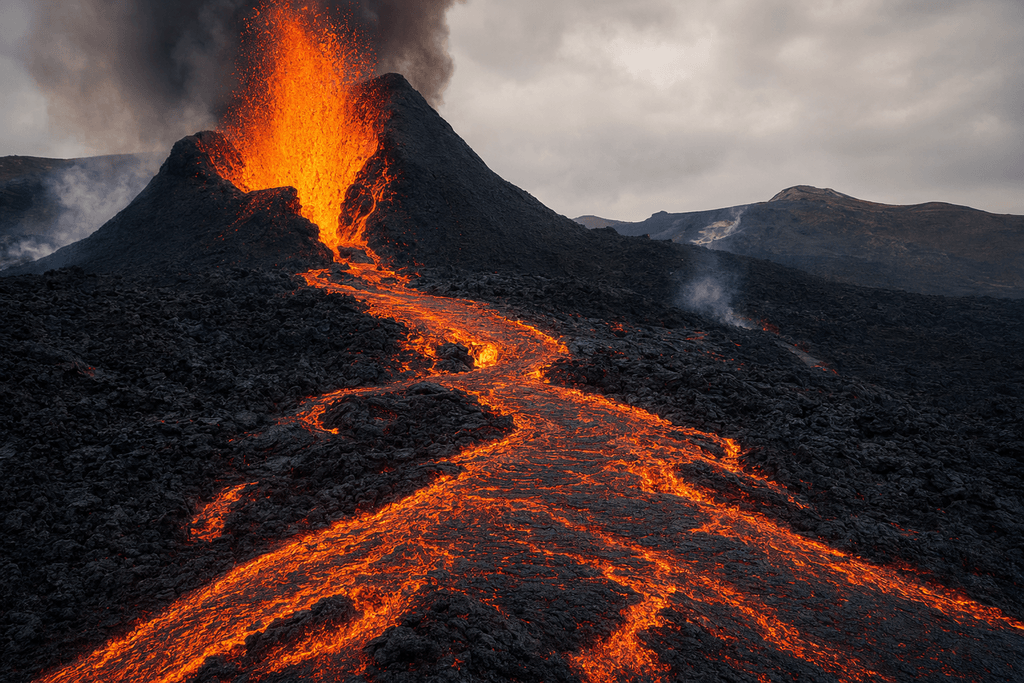
溶岩
lava
溶岩
lava
Explanation
溶岩
lava
溶岩
lava (batuan cair) / batuan cair yang keluar dari gunung berapi
Ketika gunung berapi meletus, lava bersuhu tinggi mengalir perlahan menuruni lereng dan terkadang mengubah pemandangan di sekitarnya secara drastis.
( Base form )
( romanization )
( hiragana )
飾り
hiasan
飾り
hiasan
Explanation
飾り
hiasan
飾り
hiasan / dekorasi / ornamen

( Base form )
( romanization )
部品
suku cadang
部品
suku cadang
Explanation
部品
suku cadang
部品
komponen / bagian / suku cadang

( Base form )
( romanization )
( hiragana )
縮小
pengecilan
縮小
pengecilan
Explanation
縮小
pengecilan
縮小
pengecilan / pengurangan / penyempitan

( Base form )
( romanization )
( stem )
( Past )
( table-tags )
( inflection-template )
( imperfective stem )
( imperfective stem )
( imperfective )
( continuative stem )
( continuative stem )
( continuative )
( stem terminative )
( stem terminative )
( terminative )
( attributive stem )
( attributive stem )
( attributive )
( hypothetical stem )
( hypothetical stem )
( hypothetical )
( Imperative literary stem )
( colloquial Imperative stem )
( Imperative literary stem )
( colloquial Imperative stem )
( Imperative literary )
( colloquial Imperative )
( Passive voice )
( Passive voice )
( Passive voice )
( causative )
( causative )
( causative )
( causative )
( causative )
( causative )
( potential )
( potential )
( potential )
( volitional )
( volitional )
( volitional )
( negative )
( negative )
( negative )
( continuative negative )
( continuative negative )
( continuative negative )
( formal )
( formal )
( formal )
( perfective )
( perfective )
( perfective )
( conjunctive )
( conjunctive )
( conjunctive )
( Conditional hypothetical )
( Conditional hypothetical )
( Conditional hypothetical )
目立つ
menonjol
目立つ
menonjol
Explanation
目立つ
menonjol
目立つ
menonjol / mencolok / mudah terlihat
Word Forms
The basic and commonly used forms of this verb.
Basic forms
| Form | Word form | Usage |
|---|---|---|
| Imperfective form (mizenkei) |
Alternative:
目立と
|
Connects to endings such as nai, reru, and seru. |
| Continuative form (renyokei) |
Alternative:
目立っ
|
Connects to endings such as masu, tai, and ta. |
| Conclusive form (shushikei) | Ends a sentence and serves as the dictionary form. | |
| Attributive form (rentaikei) | Modifies a noun. | |
| Conditional form (kateikei) | Combines with ba to express a condition. | |
| Imperative form (meireikei) | Expresses a command or instruction. |
Common forms
入れ物
wadah
入れ物
wadah
Explanation
入れ物
wadah
入れ物
wadah / tempat / bekas

( Base form )
( romanization )
( counter )
( hiragana )
国立
negeri
国立
negeri
Explanation
国立
negeri
国立
nasional (milik negara) / milik negara / dikelola oleh pemerintah pusat

( Base form )
( romanization )
( kyūjitai )
( hiragana )
レクリエーション
kegiatan rekreasi
レクリエーション
kegiatan rekreasi
Explanation
kegiatan rekreasi
レクリエーション
rekreasi / hiburan / kegiatan waktu luang

( romanization )
道順
petunjuk rute
道順
petunjuk rute
Explanation
道順
petunjuk rute
道順
rute / jalur perjalanan / rencana perjalanan

( Base form )
( romanization )
( hiragana )
物凄い
luar biasa
物凄い
luar biasa
Explanation
物凄い
luar biasa
物凄い
luar biasa / mengerikan / sangat (derajat tinggi)
Word Forms
The basic and commonly used forms of this adjective.
Basic forms
| Form | Word form | Usage |
|---|---|---|
| Imperfective form (mizenkei) |
Alternative:
もの凄かろ
ものすごかろ
|
Used in forms such as karou; mainly literary. |
| Continuative form (renyokei) |
Alternative:
物凄かっ
もの凄く
もの凄かっ
ものすごく
ものすごかっ
|
Used in forms such as kute and kunai. |
| Conclusive form (shushikei) |
Alternative:
もの凄い
ものすごい
|
Ends a sentence. |
| Attributive form (rentaikei) |
Alternative:
もの凄い
ものすごい
|
Modifies a noun. |
| Conditional form (kateikei) |
Alternative:
もの凄けれ
ものすごけれ
|
Expresses a condition with kereba. |
| Imperative form (meireikei) |
Alternative:
もの凄かれ
ものすごかれ
|
Rarely used in modern Japanese. |
Common forms
| Form | Word form | Usage |
|---|---|---|
| Te-form |
Alternative:
もの凄くて
ものすごくて
|
Connects clauses with kute. |
| Ta-form |
Alternative:
もの凄かった
ものすごかった
|
Expresses the past with katta. |
| Nai-form |
Alternative:
もの凄くない
ものすごくない
|
Expresses negation with kunai. |
| Ba-form |
Alternative:
もの凄ければ
ものすごければ
|
Expresses a condition with kereba. |
Loading...

JLPT N2 多言語単語帳・1790語 / JLPT N2 Multilingual Vocabulary: 1790 Words

Jonathan Waller 氏の JLPT Resources の語彙リスト・レベル分類を出典とし、CC BY の条件に従って DiQt が学習者向けに意味を作り直した1790語の単語帳です。JLPT公式の語彙リストではありません。
This collection of 1790 words is based on the vocabulary list and level classifications in Jonathan Waller’s JLPT Resources under CC BY, with meanings rewritten by DiQt for learners. It is not an official JLPT vocabulary list.
Key Operations
Select the first quiz:
Ctrl + Enter
View Explanation:Ctrl + G
Close a feedback:Esc
When selecting a quiz
Answer:Enter
Select a choice:↓ or ↑
Reading out the question:Ctrl + K
View Hint: Ctrl + M
I don't know: Ctrl + Y



