
JLPT N2: Latihan arti kata - Unsolved

Pelajari arti 1790 kata JLPT N2 dalam bahasa Indonesia melalui soal dengan empat pilihan jawaban.
-
bagian bedah
-
penanaman padi
-
terjangkau / praktis
-
penyakit dalam
-
karya lengkap
-
karya pendek
-
putri sulung
-
pemadaman air
-
kebijakan
-
mengajak bicara
-
diberkahi
-
menumpuk
-
menipu
-
terpantul / terproyeksi
-
tertancap
-
hiragana
-
pendapatan penjualan
-
kemampuan nyata / kekuatan paksa
-
kilap
-
pengecilan
-
masker
-
mendapat ide
-
memijat / meremas
-
mencincang / mengukir
- 「請う」は「乞う」とも表記する。
- 「請うて」「請うた」は「問う」などと同じく、現代語では特殊なウ音便形として扱われる。
-
dirindukan
-
membawa keberuntungan / membahagiakan
-
kuat / menenteramkan
-
sampul
-
kalung
-
cerobong asap
発射
penembakan / peluncuran
発射
penembakan / peluncuran
Explanation
発射
penembakan / peluncuran
発射
peluncuran (roket/misil) / penembakan (senjata/peluru)

( Base form )
( romanization )
( hiragana )
花嫁
pengantin perempuan
花嫁
pengantin perempuan
Explanation
花嫁
pengantin perempuan
花嫁
pengantin wanita / mempelai perempuan

( romanization )
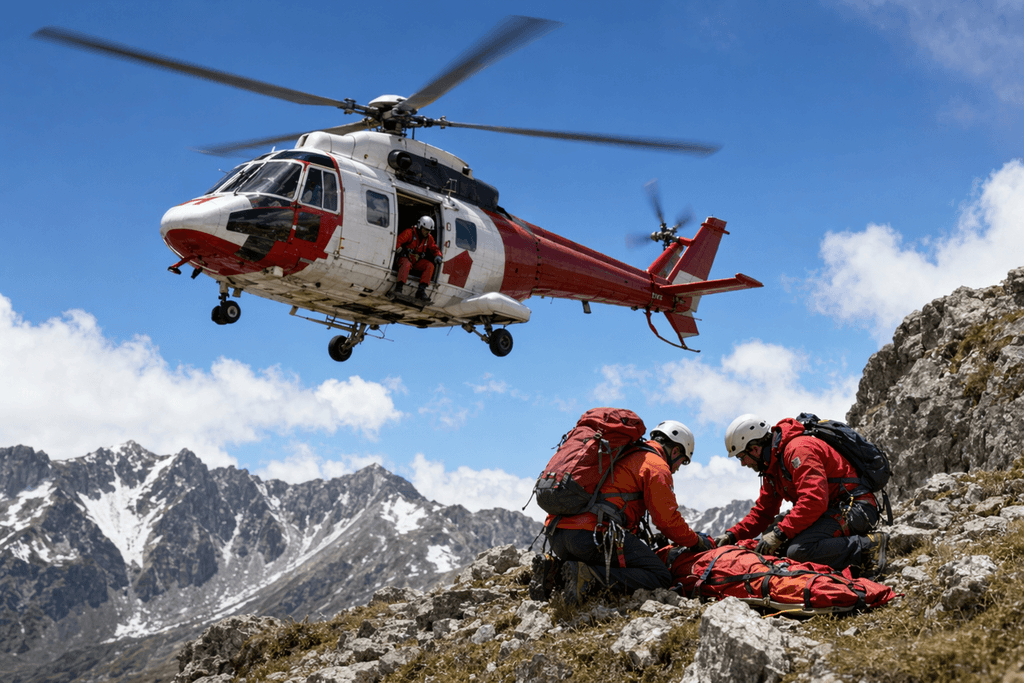
ヘリコプター
helikopter
ヘリコプター
helikopter
Explanation
helikopter
ヘリコプター
pesawat udara dengan baling-baling di atas yang dapat lepas landas dan mendarat vertikal / kendaraan udara yang dapat melayang di tempat
( romanization )
( counter )
涼む
menyejukkan diri
涼む
menyejukkan diri
Explanation
涼む
menyejukkan diri
涼む
mendinginkan diri / menyejukkan diri / berteduh mencari kesejukan

Word Forms
The basic and commonly used forms of this verb.
Basic forms
| Form | Word form | Usage |
|---|---|---|
| Imperfective form (mizenkei) | Connects to endings such as nai, reru, and seru. | |
| Continuative form (renyokei) | Connects to endings such as masu, tai, and ta. | |
| Conclusive form (shushikei) | Ends a sentence and serves as the dictionary form. | |
| Attributive form (rentaikei) | Modifies a noun. | |
| Conditional form (kateikei) | Combines with ba to express a condition. | |
| Imperative form (meireikei) | Expresses a command or instruction. |
Common forms
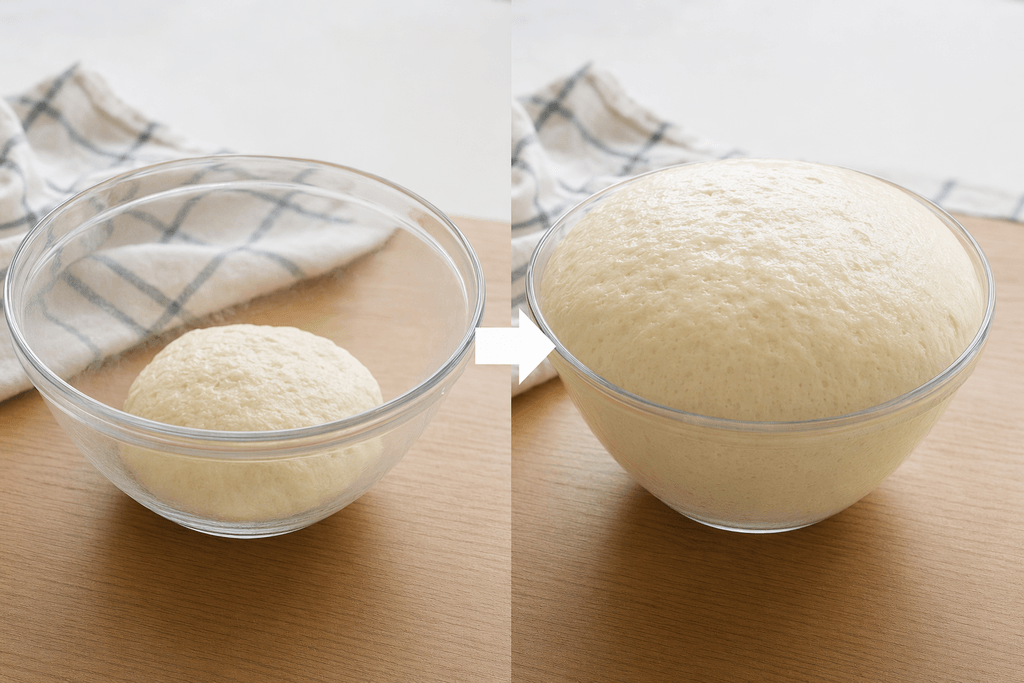
膨らむ
menggembung
膨らむ
menggembung
Explanation
膨らむ
menggembung
膨らむ
mengembang / membengkak / membesar
Word Forms
The basic and commonly used forms of this verb.
Basic forms
| Form | Word form | Usage |
|---|---|---|
| Imperfective form (mizenkei) | Connects to endings such as nai, reru, and seru. | |
| Continuative form (renyokei) | Connects to endings such as masu, tai, and ta. | |
| Conclusive form (shushikei) | Ends a sentence and serves as the dictionary form. | |
| Attributive form (rentaikei) | Modifies a noun. | |
| Conditional form (kateikei) | Combines with ba to express a condition. | |
| Imperative form (meireikei) | Expresses a command or instruction. |
Common forms
漢和
kanji-Jepang
漢和
kanji-Jepang
Explanation
漢和
kanji-Jepang
漢和
Tiongkok dan Jepang; Sino‑Jepang / (bahasa) bahasa Tionghoa dan Jepang / bentuk singkat dari kamus kanji–Jepang (漢和辞典)

( Base form )
( romanization )
( hiragana )
人文科学
humaniora
人文科学
humaniora
Explanation
人文科学
humaniora
人文科学
humaniora / ilmu humaniora / ilmu-ilmu kemanusiaan

請う
meminta / memohon
請う
meminta / memohon
Explanation
請う
meminta / memohon
請う
meminta / memohon / memohon dengan sangat

Word Forms
The basic and commonly used forms of this verb.
Basic forms
| Form | Word form | Usage |
|---|---|---|
| Imperfective form (mizenkei) |
Alternative:
{"form"=>"乞わ", "reading"=>"こわ"}
{"form"=>"請お", "reading"=>"こお"}
{"form"=>"乞お", "reading"=>"こお"}
|
Connects to endings such as nai, reru, and seru. |
| Continuative form (renyokei) |
Alternative:
{"form"=>"乞い", "reading"=>"こい"}
{"form"=>"請う", "reading"=>"こう"}
{"form"=>"乞う", "reading"=>"こう"}
|
Connects to endings such as masu, tai, and ta. |
| Conclusive form (shushikei) |
Alternative:
{"form"=>"乞う", "reading"=>"こう"}
|
Ends a sentence and serves as the dictionary form. |
| Attributive form (rentaikei) |
Alternative:
{"form"=>"乞う", "reading"=>"こう"}
|
Modifies a noun. |
| Conditional form (kateikei) |
Alternative:
{"form"=>"乞えば", "reading"=>"こえば"}
|
Combines with ba to express a condition. |
| Imperative form (meireikei) |
Alternative:
{"form"=>"乞え", "reading"=>"こえ"}
|
Expresses a command or instruction. |
Common forms
| Form | Word form | Usage |
|---|---|---|
| Te-form |
Alternative:
{"form"=>"乞うて", "reading"=>"こうて"}
{"form"=>"請いて", "reading"=>"こいて"}
{"form"=>"乞いて", "reading"=>"こいて"}
|
Connects clauses with te. |
| Ta-form |
Alternative:
{"form"=>"乞うた", "reading"=>"こうた"}
{"form"=>"請いた", "reading"=>"こいた"}
{"form"=>"乞いた", "reading"=>"こいた"}
|
Expresses the past with ta. |
| Nai-form |
Alternative:
{"form"=>"乞わない", "reading"=>"こわない"}
|
Expresses negation with nai. |
| Masu-form |
Alternative:
{"form"=>"乞います", "reading"=>"こいます"}
|
Used for polite speech. |
| Ba-form |
Alternative:
{"form"=>"乞えば", "reading"=>"こえば"}
|
Expresses a condition with ba. |
| Volitional form |
Alternative:
{"form"=>"乞おう", "reading"=>"こおう"}
|
Expresses intention or invitation. |
Notes
憎らしい
dibenci
憎らしい
dibenci
Explanation
憎らしい
dibenci
憎らしい
memuakkan / menjijikkan / patut dibenci

Word Forms
The basic and commonly used forms of this adjective.
Basic forms
| Form | Word form | Usage |
|---|---|---|
| Imperfective form (mizenkei) | Used in forms such as karou; mainly literary. | |
| Continuative form (renyokei) |
Alternative:
憎らしかっ
|
Used in forms such as kute and kunai. |
| Conclusive form (shushikei) | Ends a sentence. | |
| Attributive form (rentaikei) | Modifies a noun. | |
| Conditional form (kateikei) | Expresses a condition with kereba. | |
| Imperative form (meireikei) | Rarely used in modern Japanese. |
Common forms
直前
tepat sebelum
直前
tepat sebelum
Explanation
直前
tepat sebelum
直前
tepat sebelum / sesaat sebelum / menjelang

( Base form )
( romanization )
( stem )
( Past )
( table-tags )
( inflection-template )
( imperfective stem )
( imperfective stem )
( imperfective )
( continuative stem )
( continuative stem )
( continuative )
( stem terminative )
( stem terminative )
( terminative )
( attributive stem )
( attributive stem )
( attributive )
( hypothetical stem )
( hypothetical stem )
( hypothetical )
( Imperative literary stem )
( colloquial Imperative stem )
( Imperative literary stem )
( colloquial Imperative stem )
( Imperative literary )
( colloquial Imperative )
( Passive voice )
( Passive voice )
( Passive voice )
( causative )
( causative )
( causative )
( causative )
( causative )
( causative )
( potential )
( potential )
( potential )
( volitional )
( volitional )
( volitional )
( negative )
( negative )
( negative )
( continuative negative )
( continuative negative )
( continuative negative )
( formal )
( formal )
( formal )
( perfective )
( perfective )
( perfective )
( conjunctive )
( conjunctive )
( conjunctive )
( Conditional hypothetical )
( Conditional hypothetical )
( Conditional hypothetical )
Loading...

JLPT N2 多言語単語帳・1790語 / JLPT N2 Multilingual Vocabulary: 1790 Words

Jonathan Waller 氏の JLPT Resources の語彙リスト・レベル分類を出典とし、CC BY の条件に従って DiQt が学習者向けに意味を作り直した1790語の単語帳です。JLPT公式の語彙リストではありません。
This collection of 1790 words is based on the vocabulary list and level classifications in Jonathan Waller’s JLPT Resources under CC BY, with meanings rewritten by DiQt for learners. It is not an official JLPT vocabulary list.
Key Operations
Select the first quiz:
Ctrl + Enter
View Explanation:Ctrl + G
Close a feedback:Esc
When selecting a quiz
Answer:Enter
Select a choice:↓ or ↑
Reading out the question:Ctrl + K
View Hint: Ctrl + M
I don't know: Ctrl + Y



