
JLPT N2: Latihan arti kata - Unsolved

Pelajari arti 1790 kata JLPT N2 dalam bahasa Indonesia melalui soal dengan empat pilihan jawaban.
-
selamat tidur / istirahat
-
hasil menang kalah
-
rapat persiapan
-
mangkuk besar / nasi dengan lauk di atas
-
sambungan / koneksi transportasi
-
kaset pita
-
membalik sisi dalam / membalikkan
-
menyelam / masuk bawah tanah
-
terhubung
- 「深ける」は異表記。
-
tanpa tujuan
-
dengan cara ini
-
memang hebat
-
pertumbuhan makhluk hidup
-
proses
-
nilai nol
-
menumpuk
-
dibangun
-
menggeser / menunda
-
menjenguk orang sakit
-
berjongkok
-
menggelindingkan
-
asam
-
dirindukan
-
pucat
-
menjadi tenang / mereda
-
tersandung
-
mengipasi
-
pengantin perempuan
-
balon
-
ruang berlantai tatami
小遣い
uang saku
小遣い
uang saku
Explanation
小遣い
uang saku
小遣い
uang saku / uang jajan / uang belanja pribadi
Bulan ini aku terlalu banyak menghabiskan uang saku, jadi mulai bulan depan aku memutuskan untuk mencatat setiap hari berapa banyak yang aku gunakan.

( Base form )
( romanization )
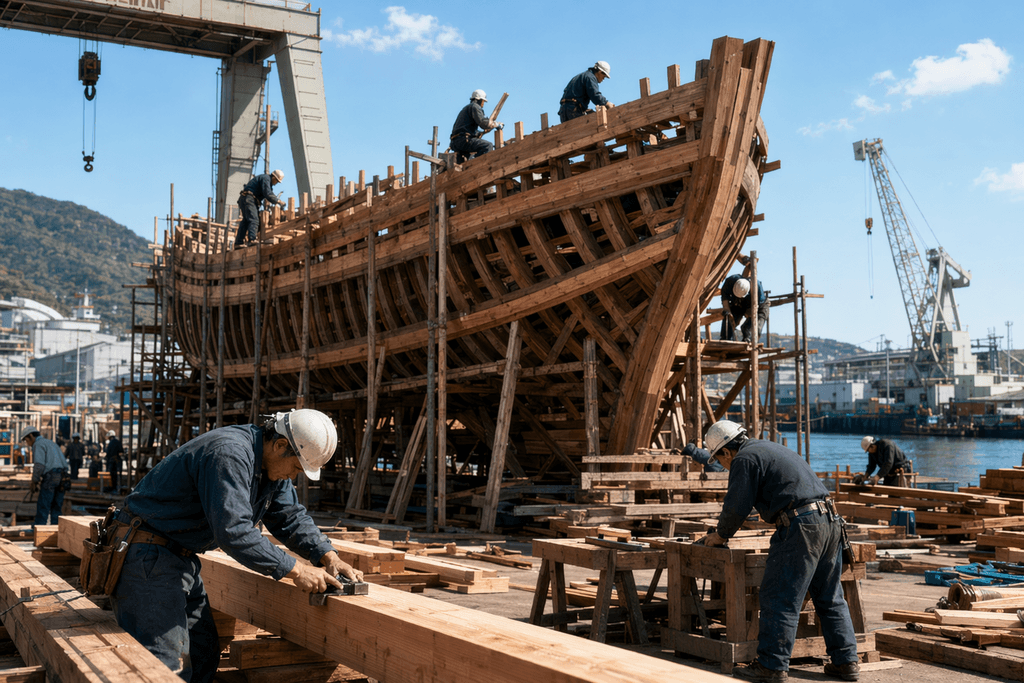
造船
pembuatan kapal
造船
pembuatan kapal
Explanation
造船
pembuatan kapal
造船
pembuatan kapal / konstruksi kapal / industri pembuatan kapal
( Base form )
( romanization )
( romanization )
( stem )
( Past )
( hiragana historical )
( table-tags )
( inflection-template )
( imperfective stem )
( imperfective stem )
( imperfective )
( continuative stem )
( continuative stem )
( continuative )
( stem terminative )
( stem terminative )
( terminative )
( attributive stem )
( attributive stem )
( attributive )
( hypothetical stem )
( hypothetical stem )
( hypothetical )
( Imperative literary stem )
( colloquial Imperative stem )
( Imperative literary stem )
( colloquial Imperative stem )
( Imperative literary )
( colloquial Imperative )
( Passive voice )
( Passive voice )
( Passive voice )
( causative )
( causative )
( causative )
( causative )
( causative )
( causative )
( potential )
( potential )
( potential )
( volitional )
( volitional )
( volitional )
( negative )
( negative )
( negative )
( continuative negative )
( continuative negative )
( continuative negative )
( formal )
( formal )
( formal )
( perfective )
( perfective )
( perfective )
( conjunctive )
( conjunctive )
( conjunctive )
( Conditional hypothetical )
( Conditional hypothetical )
( Conditional hypothetical )
更ける
malam makin larut
更ける
malam makin larut
Explanation
更ける
malam makin larut
更ける
menjadi larut (malam) / semakin mendalam (tentang musim)

Word Forms
The basic and commonly used forms of this verb.
Basic forms
| Form | Word form | Usage |
|---|---|---|
| Imperfective form (mizenkei) |
Alternative:
深け
|
Connects to endings such as nai, reru, and seru. |
| Continuative form (renyokei) |
Alternative:
深け
|
Connects to endings such as masu, tai, and ta. |
| Conclusive form (shushikei) |
Alternative:
深ける
|
Ends a sentence and serves as the dictionary form. |
| Attributive form (rentaikei) |
Alternative:
深ける
|
Modifies a noun. |
| Conditional form (kateikei) |
Alternative:
深けれ
|
Combines with ba to express a condition. |
| Imperative form (meireikei) |
Alternative:
更けよ
深けろ
深けよ
|
Expresses a command or instruction. |
Common forms
| Form | Word form | Usage |
|---|---|---|
| Te-form |
Alternative:
深けて
|
Connects clauses with te. |
| Ta-form |
Alternative:
深けた
|
Expresses the past with ta. |
| Nai-form |
Alternative:
深けない
|
Expresses negation with nai. |
| Masu-form |
Alternative:
深けます
|
Used for polite speech. |
| Ba-form |
Alternative:
深ければ
|
Expresses a condition with ba. |
| Volitional form |
Alternative:
深けよう
|
Expresses intention or invitation. |
Notes
現に
kenyataannya
現に
kenyataannya
Explanation
現に
kenyataannya
現に
nyatanya / memang / sungguh

( Base form )
( romanization )
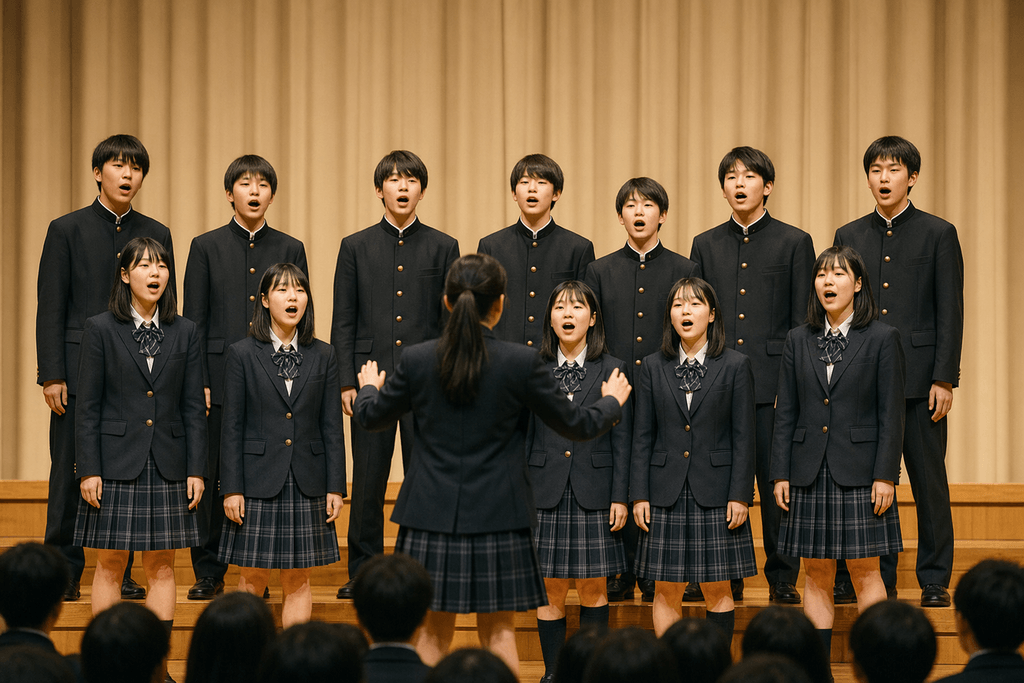
コーラス
paduan suara
コーラス
paduan suara
Explanation
paduan suara
コーラス
paduan suara / vokal latar / bagian lagu yang berulang (refrain)
( romanization )
浮かぶ
mengapung / terlintas
浮かぶ
mengapung / terlintas
Explanation
浮かぶ
mengapung / terlintas
浮かぶ
mengapung / (ide) terlintas dalam pikiran / muncul ke permukaan

Word Forms
The basic and commonly used forms of this verb.
Basic forms
| Form | Word form | Usage |
|---|---|---|
| Imperfective form (mizenkei) |
Alternative:
浮かぼ
|
Connects to endings such as nai, reru, and seru. |
| Continuative form (renyokei) | Connects to endings such as masu, tai, and ta. | |
| Conclusive form (shushikei) | Ends a sentence and serves as the dictionary form. | |
| Attributive form (rentaikei) | Modifies a noun. | |
| Conditional form (kateikei) | Combines with ba to express a condition. | |
| Imperative form (meireikei) | Expresses a command or instruction. |
Common forms
吊る
menggantung
吊る
menggantung
Explanation
吊る
menggantung
吊る
menggantungkan / menggantung / menyangkutkan

Word Forms
The basic and commonly used forms of this verb.
Basic forms
| Form | Word form | Usage |
|---|---|---|
| Imperfective form (mizenkei) |
Alternative:
吊ろ
|
Connects to endings such as nai, reru, and seru. |
| Continuative form (renyokei) |
Alternative:
吊っ
|
Connects to endings such as masu, tai, and ta. |
| Conclusive form (shushikei) | Ends a sentence and serves as the dictionary form. | |
| Attributive form (rentaikei) | Modifies a noun. | |
| Conditional form (kateikei) | Combines with ba to express a condition. | |
| Imperative form (meireikei) | Expresses a command or instruction. |
Common forms
しつこい
terus mendesak / membuat enek
しつこい
terus mendesak / membuat enek
Explanation
terus mendesak / membuat enek
しつこい
ngotot / tak kenal menyerah / menjengkelkan

Word Forms
The basic and commonly used forms of this adjective.
Basic forms
| Form | Word form | Usage |
|---|---|---|
| Imperfective form (mizenkei) | Used in forms such as karou; mainly literary. | |
| Continuative form (renyokei) |
Alternative:
しつこかっ
|
Used in forms such as kute and kunai. |
| Conclusive form (shushikei) | Ends a sentence. | |
| Attributive form (rentaikei) | Modifies a noun. | |
| Conditional form (kateikei) | Expresses a condition with kereba. | |
| Imperative form (meireikei) | Rarely used in modern Japanese. |
Common forms
儲かる
menguntungkan
儲かる
menguntungkan
Explanation
儲かる
menguntungkan
儲かる
menghasilkan keuntungan / mendatangkan laba / menguntungkan

Word Forms
The basic and commonly used forms of this verb.
Basic forms
| Form | Word form | Usage |
|---|---|---|
| Imperfective form (mizenkei) |
Alternative:
儲かろ
|
Connects to endings such as nai, reru, and seru. |
| Continuative form (renyokei) | Connects to endings such as masu, tai, and ta. | |
| Conclusive form (shushikei) | Ends a sentence and serves as the dictionary form. | |
| Attributive form (rentaikei) | Modifies a noun. | |
| Conditional form (kateikei) | Combines with ba to express a condition. | |
| Imperative form (meireikei) | Expresses a command or instruction. |
Common forms
長男
putra sulung
長男
putra sulung
Explanation
長男
putra sulung
長男
anak laki-laki sulung / putra sulung / anak laki-laki tertua

( Base form )
( romanization )
( hiragana )
Loading...

JLPT N2 多言語単語帳・1790語 / JLPT N2 Multilingual Vocabulary: 1790 Words

Jonathan Waller 氏の JLPT Resources の語彙リスト・レベル分類を出典とし、CC BY の条件に従って DiQt が学習者向けに意味を作り直した1790語の単語帳です。JLPT公式の語彙リストではありません。
This collection of 1790 words is based on the vocabulary list and level classifications in Jonathan Waller’s JLPT Resources under CC BY, with meanings rewritten by DiQt for learners. It is not an official JLPT vocabulary list.
Key Operations
Select the first quiz:
Ctrl + Enter
View Explanation:Ctrl + G
Close a feedback:Esc
When selecting a quiz
Answer:Enter
Select a choice:↓ or ↑
Reading out the question:Ctrl + K
View Hint: Ctrl + M
I don't know: Ctrl + Y



