
JLPT N2: Latihan arti kata - Unsolved

Pelajari arti 1790 kata JLPT N2 dalam bahasa Indonesia melalui soal dengan empat pilihan jawaban.
-
membahas / berdebat
-
menjadi kebas
-
menyerang
-
dalih
-
makanan kaleng / pengalengan
-
petunjuk / dugaan
-
patung / ukiran
-
celana dalam
-
arus listrik
-
selesai
-
dimuat dalam terbitan
-
tersangkut / tertipu
-
luar biasa
-
menyesal / tak termaafkan
-
dapat diandalkan / menjanjikan
-
pencerminan / pengaruh
-
lilin
-
ekor hewan
-
makan siang
-
peran utama / pemeran utama
-
dataran
-
berada setelah
-
siap / tertata
-
mengeras / menjadi pasti
-
penerjemahan lisan / juru bahasa
-
lahan pertanian
-
pertentangan
-
celah / rekahan
-
merawat orang sakit
-
peron
冷める
menjadi dingin / memudar
冷める
menjadi dingin / memudar
Explanation
冷める
menjadi dingin / memudar
冷める
menjadi dingin (tentang suhu/makanan) / perasaan/antusiasme mereda / kehilangan ketertarikan romantis

Word Forms
The basic and commonly used forms of this verb.
Basic forms
| Form | Word form | Usage |
|---|---|---|
| Imperfective form (mizenkei) | Connects to endings such as nai, reru, and seru. | |
| Continuative form (renyokei) | Connects to endings such as masu, tai, and ta. | |
| Conclusive form (shushikei) | Ends a sentence and serves as the dictionary form. | |
| Attributive form (rentaikei) | Modifies a noun. | |
| Conditional form (kateikei) | Combines with ba to express a condition. | |
| Imperative form (meireikei) |
Alternative:
冷めよ
|
Expresses a command or instruction. |
Common forms
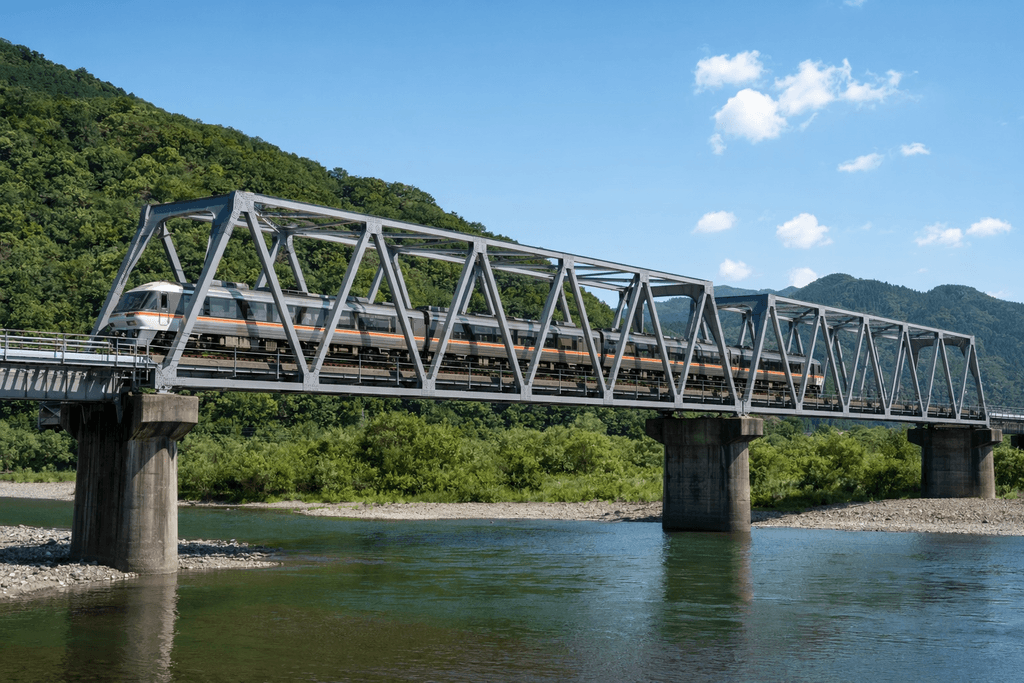
鉄橋
jembatan besi
鉄橋
jembatan besi
Explanation
鉄橋
jembatan besi
鉄橋
jembatan baja / jembatan kereta api / jembatan rel
( Base form )
( romanization )
( kyūjitai )
( hiragana )
長女
putri sulung
長女
putri sulung
Explanation
長女
putri sulung
長女
anak perempuan tertua / anak sulung perempuan / putri sulung
Sebagai anak perempuan sulung, aku pikir wajar untuk mengurus adik-adik perempuanku, tetapi sekarang aku juga ingin menghargai waktu untuk diriku sendiri.

( Base form )
( romanization )
( hiragana )
着せる
memakaikan pakaian
着せる
memakaikan pakaian
Explanation
着せる
memakaikan pakaian
着せる
memakaikan pakaian (kepada orang lain) / melapisi; menyepuh (permukaan) / membebankan atau menimpakan (kewajiban/tanggung jawab/kesalahan)

Word Forms
The basic and commonly used forms of this verb.
Basic forms
| Form | Word form | Usage |
|---|---|---|
| Imperfective form (mizenkei) | Connects to endings such as nai, reru, and seru. | |
| Continuative form (renyokei) | Connects to endings such as masu, tai, and ta. | |
| Conclusive form (shushikei) | Ends a sentence and serves as the dictionary form. | |
| Attributive form (rentaikei) | Modifies a noun. | |
| Conditional form (kateikei) | Combines with ba to express a condition. | |
| Imperative form (meireikei) |
Alternative:
着せよ
|
Expresses a command or instruction. |
Common forms
緩い
longgar / lunak
緩い
longgar / lunak
Explanation
緩い
longgar / lunak
緩い
longgar; kebesaran (untuk pakaian/sepatu/aksesori) / santai; lambat / tidak ketat; lunak (tentang aturan/penegakan)

Word Forms
The basic and commonly used forms of this adjective.
Basic forms
| Form | Word form | Usage |
|---|---|---|
| Imperfective form (mizenkei) | Used in forms such as karou; mainly literary. | |
| Continuative form (renyokei) |
Alternative:
緩かっ
|
Used in forms such as kute and kunai. |
| Conclusive form (shushikei) | Ends a sentence. | |
| Attributive form (rentaikei) | Modifies a noun. | |
| Conditional form (kateikei) | Expresses a condition with kereba. | |
| Imperative form (meireikei) | Rarely used in modern Japanese. |
Common forms
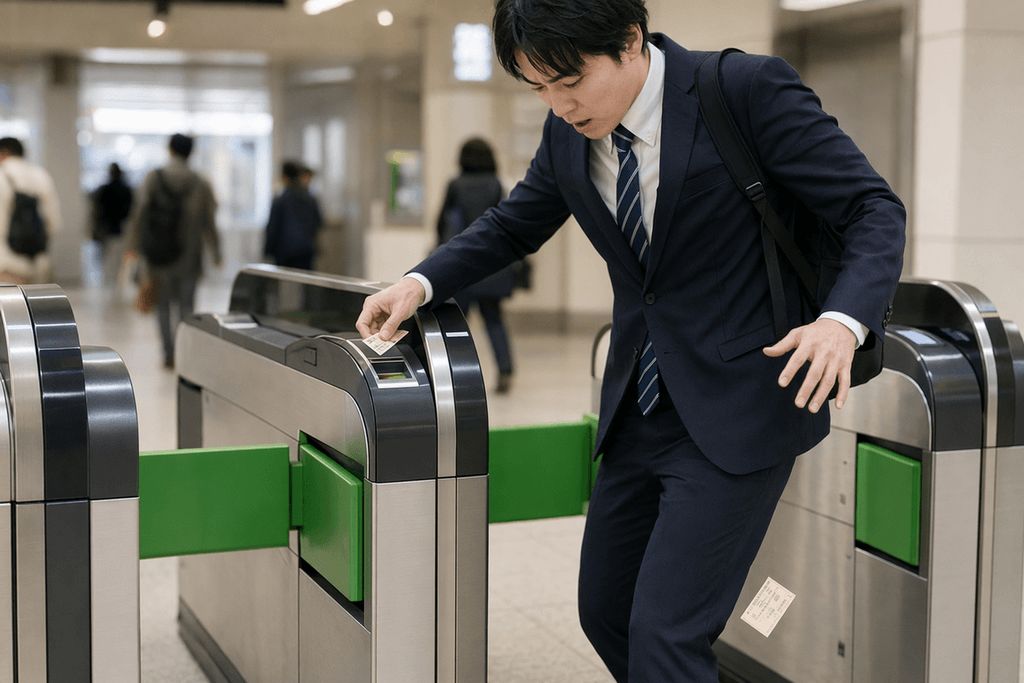
改札
pemeriksaan tiket / gerbang tiket
改札
pemeriksaan tiket / gerbang tiket
Explanation
改札
pemeriksaan tiket / gerbang tiket
改札
pemeriksaan tiket / gerbang tiket (di stasiun) / pos pemeriksaan tiket
( Base form )
( romanization )
( hiragana )
ため息
helaan napas
ため息
helaan napas
Explanation
ため息
helaan napas
ため息
desahan / helaan napas / tarikan napas panjang

( Base form )
( romanization )
( hiragana )
破く
merobek
破く
merobek
Explanation
破く
merobek
破く
merobek / mengoyak / mencabik

Word Forms
The basic and commonly used forms of this verb.
Basic forms
| Form | Word form | Usage |
|---|---|---|
| Imperfective form (mizenkei) |
Alternative:
破こ
|
Connects to endings such as nai, reru, and seru. |
| Continuative form (renyokei) | Connects to endings such as masu, tai, and ta. | |
| Conclusive form (shushikei) | Ends a sentence and serves as the dictionary form. | |
| Attributive form (rentaikei) | Modifies a noun. | |
| Conditional form (kateikei) | Combines with ba to express a condition. | |
| Imperative form (meireikei) | Expresses a command or instruction. |
Common forms
役人
pejabat pemerintah
役人
pejabat pemerintah
Explanation
役人
pejabat pemerintah
役人
pejabat / pegawai negeri / aparat pemerintah

( Base form )
( romanization )
( hiragana )
レンガ
batu bata
レンガ
batu bata
Explanation
batu bata
レンガ
batu bata / bata (bahan bangunan)

( Base form )
( romanization )
( romanization )
( hiragana historical )
( hiragana )
Loading...

JLPT N2 多言語単語帳・1790語 / JLPT N2 Multilingual Vocabulary: 1790 Words

Jonathan Waller 氏の JLPT Resources の語彙リスト・レベル分類を出典とし、CC BY の条件に従って DiQt が学習者向けに意味を作り直した1790語の単語帳です。JLPT公式の語彙リストではありません。
This collection of 1790 words is based on the vocabulary list and level classifications in Jonathan Waller’s JLPT Resources under CC BY, with meanings rewritten by DiQt for learners. It is not an official JLPT vocabulary list.
Key Operations
Select the first quiz:
Ctrl + Enter
View Explanation:Ctrl + G
Close a feedback:Esc
When selecting a quiz
Answer:Enter
Select a choice:↓ or ↑
Reading out the question:Ctrl + K
View Hint: Ctrl + M
I don't know: Ctrl + Y



