
JLPT N2: Latihan arti kata - Unsolved

Pelajari arti 1790 kata JLPT N2 dalam bahasa Indonesia melalui soal dengan empat pilihan jawaban.
-
merebus
-
mendambakan / mengagumi
-
menjepit / menyisipkan
-
mantel panjang
-
raja
-
gema
-
Jepang-Inggris
-
roda gigi
-
luas bidang
-
amatir / pemula
-
raja
-
kelemahan / kerugian
-
kereta cepat Shinkansen
-
periuk
-
bambu / kelas menengah
-
tembaga
-
sumbat / katup
-
spesimen
-
penembakan / peluncuran
-
hati tulus / kepolosan
-
tanda kurung
-
karya pendek
-
berbagai daerah
-
melihat
-
menyesali / berkabung
-
menyelidiki / meraba-raba
-
bertanggung jawab atas
- 「蹴る」はエ段音+るで終わるが、一段活用ではなく五段活用・ラ行。
-
uang hadiah
-
standar
-
tanda terima / penerimaan
傾く
miring / condong ke
傾く
miring / condong ke
Explanation
傾く
miring / condong ke
傾く
miring/condong / memihak/cenderung / merosot/menurun

Word Forms
The basic and commonly used forms of this verb.
Basic forms
| Form | Word form | Usage |
|---|---|---|
| Imperfective form (mizenkei) | Connects to endings such as nai, reru, and seru. | |
| Continuative form (renyokei) |
Alternative:
傾い
|
Connects to endings such as masu, tai, and ta. |
| Conclusive form (shushikei) | Ends a sentence and serves as the dictionary form. | |
| Attributive form (rentaikei) | Modifies a noun. | |
| Conditional form (kateikei) | Combines with ba to express a condition. | |
| Imperative form (meireikei) | Expresses a command or instruction. |
Common forms
子孫
keturunan
子孫
keturunan
Explanation
子孫
keturunan
子孫
keturunan / anak cucu / generasi penerus

( Base form )
( romanization )
( hiragana )
公共
publik
公共
publik
Explanation
公共
publik
公共
publik; masyarakat umum / kepentingan umum

( Base form )
( romanization )
( hiragana )
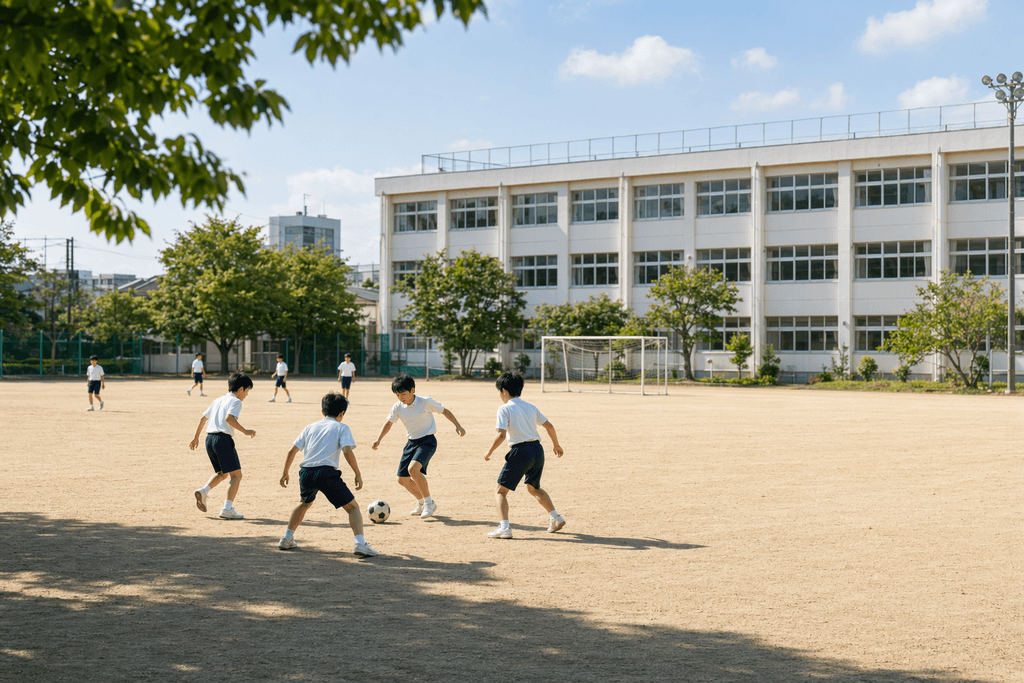
校庭
halaman sekolah
校庭
halaman sekolah
Explanation
校庭
halaman sekolah
校庭
halaman sekolah / lapangan sekolah / pekarangan sekolah
( Base form )
( romanization )
( hiragana )
日課
rutinitas harian
日課
rutinitas harian
Explanation
日課
rutinitas harian
日課
rutinitas harian / tugas harian / kegiatan sehari-hari

( Base form )
( romanization )
( hiragana )
税関
kantor bea cukai
税関
kantor bea cukai
Explanation
税関
kantor bea cukai
税関
kantor bea cukai / bea cukai (instansi pemerintah)

( Base form )
( romanization )
( romanization )
( hiragana historical )
( hiragana )
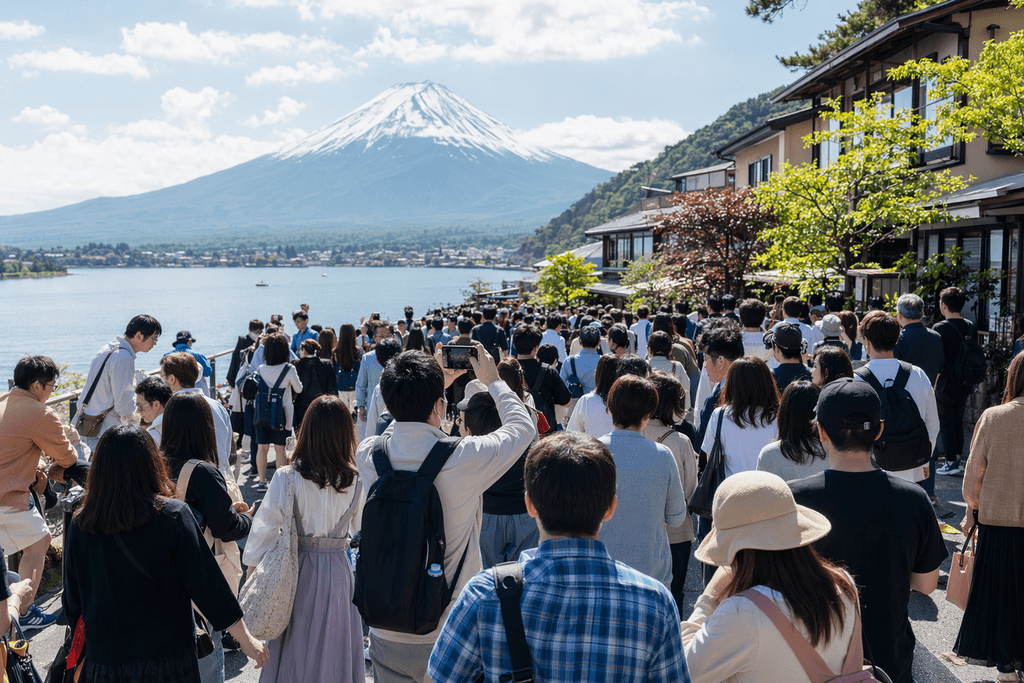
激増
peningkatan tajam
激増
peningkatan tajam
Explanation
激増
peningkatan tajam
激増
kenaikan mendadak / peningkatan tajam / lonjakan drastis
( Base form )
( romanization )
( hiragana )
教養
pengetahuan umum / kehalusan budi
教養
pengetahuan umum / kehalusan budi
Explanation
教養
pengetahuan umum / kehalusan budi
教養
pengetahuan umum dan wawasan / kehalusan budi / keadaban

( Base form )
( romanization )
( stem )
( Past )
( table-tags )
( inflection-template )
( imperfective stem )
( imperfective stem )
( imperfective )
( continuative stem )
( continuative stem )
( continuative )
( stem terminative )
( stem terminative )
( terminative )
( attributive stem )
( attributive stem )
( attributive )
( hypothetical stem )
( hypothetical stem )
( hypothetical )
( Imperative literary stem )
( colloquial Imperative stem )
( Imperative literary stem )
( colloquial Imperative stem )
( Imperative literary )
( colloquial Imperative )
( Passive voice )
( Passive voice )
( Passive voice )
( causative )
( causative )
( causative )
( causative )
( causative )
( causative )
( potential )
( potential )
( potential )
( volitional )
( volitional )
( volitional )
( negative )
( negative )
( negative )
( continuative negative )
( continuative negative )
( continuative negative )
( formal )
( formal )
( formal )
( perfective )
( perfective )
( perfective )
( conjunctive )
( conjunctive )
( conjunctive )
( Conditional hypothetical )
( Conditional hypothetical )
( Conditional hypothetical )
蹴る
menendang
蹴る
menendang
Explanation
蹴る
menendang
蹴る
menendang / meninggalkan tempat dengan marah / menolak

Word Forms
The basic and commonly used forms of this verb.
Basic forms
| Form | Word form | Usage |
|---|---|---|
| Imperfective form (mizenkei) |
Alternative:
蹴ろ
|
Connects to endings such as nai, reru, and seru. |
| Continuative form (renyokei) | Connects to endings such as masu, tai, and ta. | |
| Conclusive form (shushikei) | Ends a sentence and serves as the dictionary form. | |
| Attributive form (rentaikei) | Modifies a noun. | |
| Conditional form (kateikei) | Combines with ba to express a condition. | |
| Imperative form (meireikei) | Expresses a command or instruction. |
Common forms
| Form | Word form | Usage |
|---|---|---|
| Te-form | Connects clauses with te. | |
| Ta-form | Expresses the past with ta. | |
| Nai-form | Expresses negation with nai. | |
| Masu-form | Used for polite speech. | |
| Ba-form | Expresses a condition with ba. | |
| Volitional form | Expresses intention or invitation. |
Notes
停止
penghentian / penangguhan
停止
penghentian / penangguhan
Explanation
停止
penghentian / penangguhan
停止
penghentian / penangguhan / berhentinya

( Base form )
( romanization )
( stem )
( Past )
( table-tags )
( inflection-template )
( imperfective stem )
( imperfective stem )
( imperfective )
( continuative stem )
( continuative stem )
( continuative )
( stem terminative )
( stem terminative )
( terminative )
( attributive stem )
( attributive stem )
( attributive )
( hypothetical stem )
( hypothetical stem )
( hypothetical )
( Imperative literary stem )
( colloquial Imperative stem )
( Imperative literary stem )
( colloquial Imperative stem )
( Imperative literary )
( colloquial Imperative )
( Passive voice )
( Passive voice )
( Passive voice )
( causative )
( causative )
( causative )
( causative )
( causative )
( causative )
( potential )
( potential )
( potential )
( volitional )
( volitional )
( volitional )
( negative )
( negative )
( negative )
( continuative negative )
( continuative negative )
( continuative negative )
( formal )
( formal )
( formal )
( perfective )
( perfective )
( perfective )
( conjunctive )
( conjunctive )
( conjunctive )
( Conditional hypothetical )
( Conditional hypothetical )
( Conditional hypothetical )
Loading...

JLPT N2 多言語単語帳・1790語 / JLPT N2 Multilingual Vocabulary: 1790 Words

Jonathan Waller 氏の JLPT Resources の語彙リスト・レベル分類を出典とし、CC BY の条件に従って DiQt が学習者向けに意味を作り直した1790語の単語帳です。JLPT公式の語彙リストではありません。
This collection of 1790 words is based on the vocabulary list and level classifications in Jonathan Waller’s JLPT Resources under CC BY, with meanings rewritten by DiQt for learners. It is not an official JLPT vocabulary list.
Key Operations
Select the first quiz:
Ctrl + Enter
View Explanation:Ctrl + G
Close a feedback:Esc
When selecting a quiz
Answer:Enter
Select a choice:↓ or ↑
Reading out the question:Ctrl + K
View Hint: Ctrl + M
I don't know: Ctrl + Y



