
JLPT N2: Latihan arti kata - Unsolved

Pelajari arti 1790 kata JLPT N2 dalam bahasa Indonesia melalui soal dengan empat pilihan jawaban.
-
leluhur
-
pertandingan / menang dan kalah
-
tertentu / identifikasi
-
memelototi / mengawasi
-
membidik
-
memanggil / menelepon
-
diajar
-
melompat masuk
-
berbisik
-
mengejar
-
menusuk / mencolek
-
meleleh / larut
-
adjektiva
-
pencurian
-
bilangan genap
-
pengecualian
-
bros
-
keluar masuk / arus kas
-
penembakan / peluncuran
-
persegi
-
permohonan resmi
-
merakit
-
mendapat ide
-
tercampur
- 表記ゆれとして「引っかかる」「ひっかかる」がある。
-
genteng
-
kenalan
-
status bersekolah
-
menyusut
-
mengumpulkan
-
menyembah / memohon
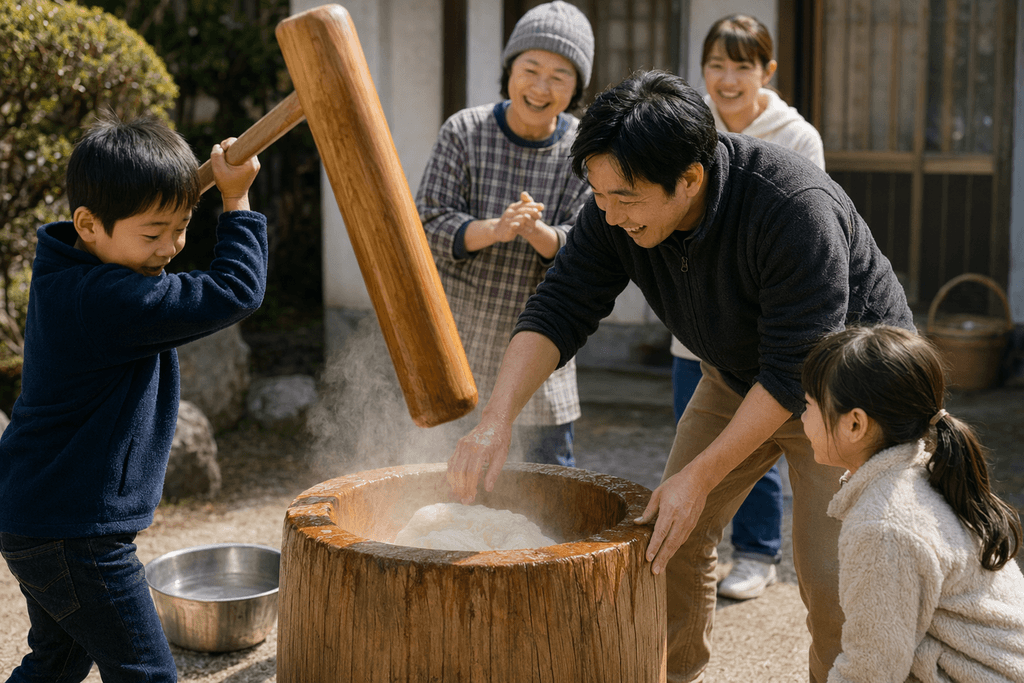
餅
kue beras ketan
餅
kue beras ketan
Explanation
餅
kue beras ketan
餅
mochi; kue beras ketan Jepang / penganan dari beras ketan yang ditumbuk dan dibentuk, sering dicampur bahan lain
( romanization )
( kyūjitai )
( hiragana )
巻く
melilitkan / menggulung
巻く
melilitkan / menggulung
Explanation
巻く
melilitkan / menggulung
巻く
menggulung / melilit atau membungkus / mengencangkan atau memutar

Word Forms
The basic and commonly used forms of this verb.
Basic forms
| Form | Word form | Usage |
|---|---|---|
| Imperfective form (mizenkei) |
Alternative:
巻こ
|
Connects to endings such as nai, reru, and seru. |
| Continuative form (renyokei) | Connects to endings such as masu, tai, and ta. | |
| Conclusive form (shushikei) | Ends a sentence and serves as the dictionary form. | |
| Attributive form (rentaikei) | Modifies a noun. | |
| Conditional form (kateikei) | Combines with ba to express a condition. | |
| Imperative form (meireikei) | Expresses a command or instruction. |
Common forms
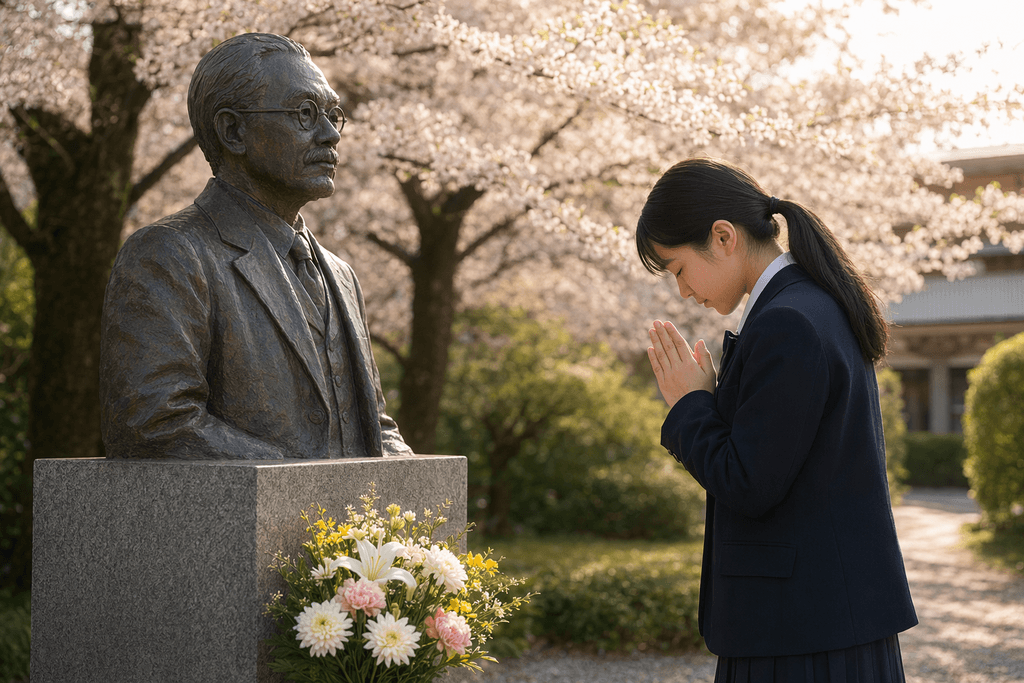
敬う
menghormati
敬う
menghormati
Explanation
敬う
menghormati
敬う
menghormati / memuliakan / mengagungkan
Word Forms
The basic and commonly used forms of this verb.
Basic forms
| Form | Word form | Usage |
|---|---|---|
| Imperfective form (mizenkei) | Connects to endings such as nai, reru, and seru. | |
| Continuative form (renyokei) | Connects to endings such as masu, tai, and ta. | |
| Conclusive form (shushikei) | Ends a sentence and serves as the dictionary form. | |
| Attributive form (rentaikei) | Modifies a noun. | |
| Conditional form (kateikei) | Combines with ba to express a condition. | |
| Imperative form (meireikei) | Expresses a command or instruction. |
Common forms
誓う
bersumpah
誓う
bersumpah
Explanation
誓う
bersumpah
誓う
bersumpah / berikrar / mengucap sumpah

Word Forms
The basic and commonly used forms of this verb.
Basic forms
| Form | Word form | Usage |
|---|---|---|
| Imperfective form (mizenkei) |
Alternative:
誓お
|
Connects to endings such as nai, reru, and seru. |
| Continuative form (renyokei) | Connects to endings such as masu, tai, and ta. | |
| Conclusive form (shushikei) | Ends a sentence and serves as the dictionary form. | |
| Attributive form (rentaikei) | Modifies a noun. | |
| Conditional form (kateikei) | Combines with ba to express a condition. | |
| Imperative form (meireikei) | Expresses a command or instruction. |
Common forms
起床
bangun tidur
起床
bangun tidur
Explanation
起床
bangun tidur
起床
bangun tidur / bangkit dari tempat tidur / waktu bangun

( Base form )
( romanization )
( hiragana )
何分
berapa menit
何分
berapa menit
Explanation
何分
berapa menit
何分
berapa menit / berapa lama (dalam menit)

煙突
cerobong asap
煙突
cerobong asap
Explanation
煙突
cerobong asap
煙突
cerobong asap / cerobong asap pabrik

( Base form )
( romanization )
( hiragana )
引っ掛かる
tersangkut / tertipu
引っ掛かる
tersangkut / tertipu
Explanation
引っ掛かる
tersangkut / tertipu
引っ掛かる
tersangkut / tertipu

Word Forms
The basic and commonly used forms of this verb.
Basic forms
| Form | Word form | Usage |
|---|---|---|
| Imperfective form (mizenkei) |
Alternative:
引っかから
ひっかから
|
Connects to endings such as nai, reru, and seru. |
| Continuative form (renyokei) |
Alternative:
引っかかり
ひっかかり
|
Connects to endings such as masu, tai, and ta. |
| Conclusive form (shushikei) |
Alternative:
引っかかる
ひっかかる
|
Ends a sentence and serves as the dictionary form. |
| Attributive form (rentaikei) |
Alternative:
引っかかる
ひっかかる
|
Modifies a noun. |
| Conditional form (kateikei) |
Alternative:
引っかかれ
ひっかかれ
|
Combines with ba to express a condition. |
| Imperative form (meireikei) |
Alternative:
引っかかれ
ひっかかれ
|
Expresses a command or instruction. |
Common forms
| Form | Word form | Usage |
|---|---|---|
| Te-form |
Alternative:
引っかかって
ひっかかって
|
Connects clauses with te. |
| Ta-form |
Alternative:
引っかかった
ひっかかった
|
Expresses the past with ta. |
| Nai-form |
Alternative:
引っかからない
ひっかからない
|
Expresses negation with nai. |
| Masu-form |
Alternative:
引っかかります
ひっかかります
|
Used for polite speech. |
| Ba-form |
Alternative:
引っかかれば
ひっかかれば
|
Expresses a condition with ba. |
| Volitional form |
Alternative:
引っかかろう
ひっかかろう
|
Expresses intention or invitation. |
Notes
編み物
rajutan
編み物
rajutan
Explanation
編み物
rajutan
編み物
rajutan / kegiatan merajut / pakaian rajut

( Base form )
( romanization )
( hiragana )
繋がる
terhubung
繋がる
terhubung
Explanation
繋がる
terhubung
繋がる
terhubung / berhubungan darah / terkait atau terlibat dengan

Word Forms
The basic and commonly used forms of this verb.
Basic forms
| Form | Word form | Usage |
|---|---|---|
| Imperfective form (mizenkei) | Connects to endings such as nai, reru, and seru. | |
| Continuative form (renyokei) | Connects to endings such as masu, tai, and ta. | |
| Conclusive form (shushikei) | Ends a sentence and serves as the dictionary form. | |
| Attributive form (rentaikei) | Modifies a noun. | |
| Conditional form (kateikei) | Combines with ba to express a condition. | |
| Imperative form (meireikei) | Expresses a command or instruction. |
Common forms
Loading...

JLPT N2 多言語単語帳・1790語 / JLPT N2 Multilingual Vocabulary: 1790 Words

Jonathan Waller 氏の JLPT Resources の語彙リスト・レベル分類を出典とし、CC BY の条件に従って DiQt が学習者向けに意味を作り直した1790語の単語帳です。JLPT公式の語彙リストではありません。
This collection of 1790 words is based on the vocabulary list and level classifications in Jonathan Waller’s JLPT Resources under CC BY, with meanings rewritten by DiQt for learners. It is not an official JLPT vocabulary list.
Key Operations
Select the first quiz:
Ctrl + Enter
View Explanation:Ctrl + G
Close a feedback:Esc
When selecting a quiz
Answer:Enter
Select a choice:↓ or ↑
Reading out the question:Ctrl + K
View Hint: Ctrl + M
I don't know: Ctrl + Y



