
JLPT N2: Latihan arti kata - Unsolved

Pelajari arti 1790 kata JLPT N2 dalam bahasa Indonesia melalui soal dengan empat pilihan jawaban.
-
ceria
-
ketat / saksama
-
vertikal / tegak lurus
-
melengkung
-
menyingkir
-
mengapungkan / memperlihatkan raut
-
karet / penghapus
-
masker
-
kedai minuman keras
-
buku tiket
-
penggaris / tolok ukur
-
lensa
-
memanggang di api
-
dimuat dalam terbitan
-
berkeliling / berkaitan dengan
-
sampai akhir / semata-mata
-
secara mendalam / dengan sungguh-sungguh
-
relatif
-
langka
-
gratis / tanpa batasan
-
istimewa
-
terjal / garang
-
pucat
-
jelek
-
pembuatan benda
-
nama penerima
-
sempoa
-
lapang
-
terus-menerus
-
cepat-cepat
斜め
miring
斜め
miring
Explanation
斜め
miring
斜め
diagonal, serong / posisi miring, condong / (kiasan) tidak wajar, menyimpang

Word Forms
The basic and commonly used forms of this adjectival noun.
Basic forms
| Form | Word form | Usage |
|---|---|---|
| Imperfective form (mizenkei) | Used in forms such as darou. | |
| Continuative form (renyokei) |
Alternative:
斜めに
|
Used with de or ni. |
| Conclusive form (shushikei) | Ends a sentence with da. | |
| Attributive form (rentaikei) | Modifies a noun with na. | |
| Conditional form (kateikei) | Expresses a condition with nara. | |
| Imperative form (meireikei) | Used in formal expressions such as de are. |
Common forms
まとまる
terkumpul / terselesaikan
まとまる
terkumpul / terselesaikan
Explanation
terkumpul / terselesaikan
まとまる
terkumpul / tersusun rapi / disepakati

Word Forms
The basic and commonly used forms of this verb.
Basic forms
| Form | Word form | Usage |
|---|---|---|
| Imperfective form (mizenkei) |
Alternative:
まとまろ
|
Connects to endings such as nai, reru, and seru. |
| Continuative form (renyokei) |
Alternative:
まとまっ
|
Connects to endings such as masu, tai, and ta. |
| Conclusive form (shushikei) | Ends a sentence and serves as the dictionary form. | |
| Attributive form (rentaikei) | Modifies a noun. | |
| Conditional form (kateikei) | Combines with ba to express a condition. | |
| Imperative form (meireikei) | Expresses a command or instruction. |
Common forms
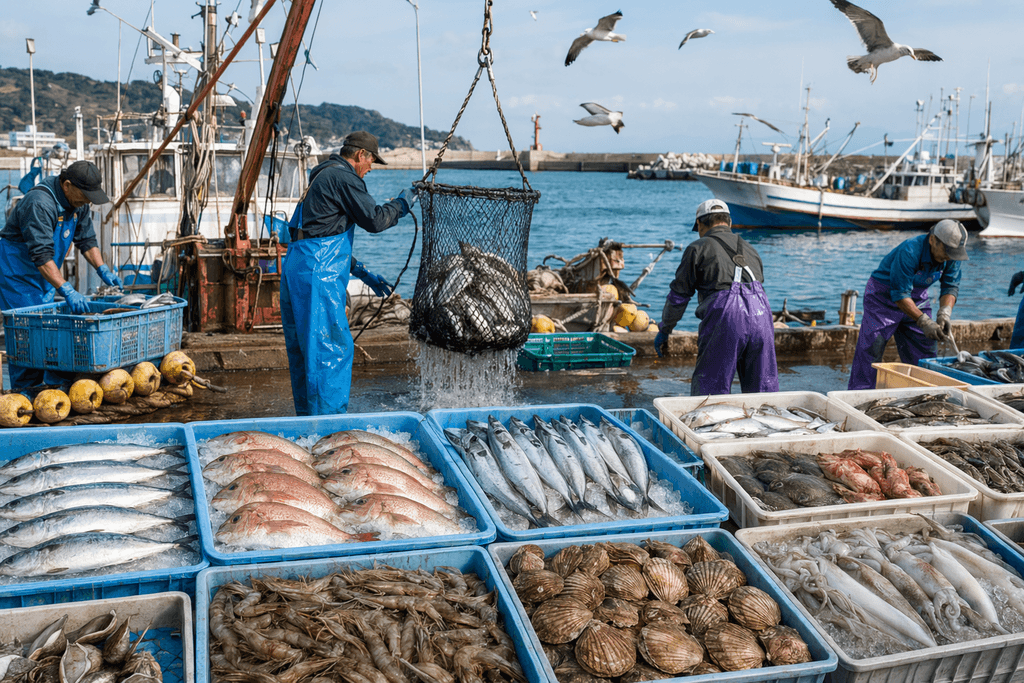
水産
perikanan / hasil perairan
水産
perikanan / hasil perairan
Explanation
水産
perikanan / hasil perairan
水産
hasil laut / hasil perikanan / perikanan
( Base form )
( romanization )
( hiragana )
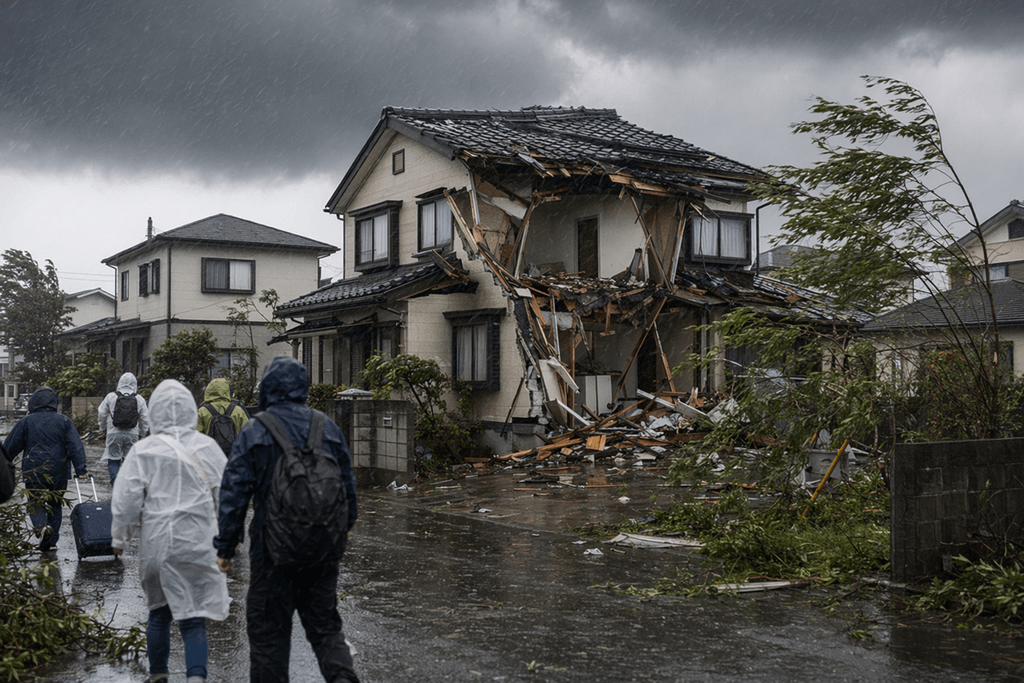
家屋
bangunan rumah
家屋
bangunan rumah
Explanation
家屋
bangunan rumah
家屋
rumah / bangunan tempat tinggal / kediaman
( romanization )
( hiragana )
縫う
menjahit
縫う
menjahit
Explanation
縫う
menjahit
縫う
menjahit / menjahit luka

Word Forms
The basic and commonly used forms of this verb.
Basic forms
| Form | Word form | Usage |
|---|---|---|
| Imperfective form (mizenkei) |
Alternative:
縫お
|
Connects to endings such as nai, reru, and seru. |
| Continuative form (renyokei) | Connects to endings such as masu, tai, and ta. | |
| Conclusive form (shushikei) | Ends a sentence and serves as the dictionary form. | |
| Attributive form (rentaikei) | Modifies a noun. | |
| Conditional form (kateikei) | Combines with ba to express a condition. | |
| Imperative form (meireikei) | Expresses a command or instruction. |
Common forms
転々
berpindah-pindah tempat
転々
berpindah-pindah tempat
Explanation
転々
berpindah-pindah tempat
転々
berpindah-pindah dari satu ke yang lain (tempat/pekerjaan) / berguling-guling; menggelinding

( Base form )
( romanization )
( hiragana )
消極的
pasif / tidak antusias
消極的
pasif / tidak antusias
Explanation
消極的
pasif / tidak antusias
消極的
pasif / tidak aktif / kurang berani

Word Forms
The basic and commonly used forms of this adjectival noun.
Basic forms
| Form | Word form | Usage |
|---|---|---|
| Imperfective form (mizenkei) |
Alternative:
消極的でしょ
|
Used in forms such as darou. |
| Continuative form (renyokei) |
Alternative:
消極的に
消極的だっ
|
Used with de or ni. |
| Conclusive form (shushikei) | Ends a sentence with da. | |
| Attributive form (rentaikei) | Modifies a noun with na. | |
| Conditional form (kateikei) |
Alternative:
消極的であれば
|
Expresses a condition with nara. |
| Imperative form (meireikei) | Used in formal expressions such as de are. |
Common forms
厚かましい
tidak tahu malu
厚かましい
tidak tahu malu
Explanation
厚かましい
tidak tahu malu
厚かましい
tidak tahu malu / bermuka tebal / lancang

Word Forms
The basic and commonly used forms of this adjective.
Basic forms
| Form | Word form | Usage |
|---|---|---|
| Imperfective form (mizenkei) | Used in forms such as karou; mainly literary. | |
| Continuative form (renyokei) |
Alternative:
厚かましかっ
|
Used in forms such as kute and kunai. |
| Conclusive form (shushikei) | Ends a sentence. | |
| Attributive form (rentaikei) | Modifies a noun. | |
| Conditional form (kateikei) | Expresses a condition with kereba. | |
| Imperative form (meireikei) | Rarely used in modern Japanese. |
Common forms
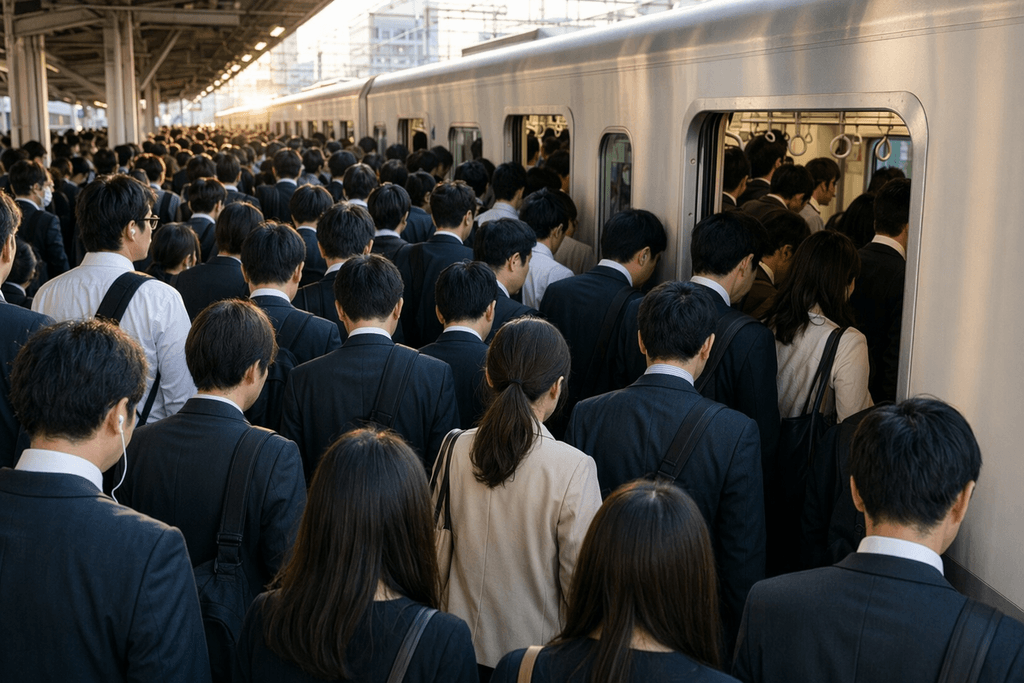
ラッシュアワー
jam sibuk
ラッシュアワー
jam sibuk
Explanation
jam sibuk
ラッシュアワー
jam sibuk / jam padat (lalu lintas) / jam macet
そのほか
selain itu / sisanya
そのほか
selain itu / sisanya
Explanation
selain itu / sisanya
そのほか
yang lain / selain (itu) / kecuali

( romanization )
Loading...

JLPT N2 多言語単語帳・1790語 / JLPT N2 Multilingual Vocabulary: 1790 Words

Jonathan Waller 氏の JLPT Resources の語彙リスト・レベル分類を出典とし、CC BY の条件に従って DiQt が学習者向けに意味を作り直した1790語の単語帳です。JLPT公式の語彙リストではありません。
This collection of 1790 words is based on the vocabulary list and level classifications in Jonathan Waller’s JLPT Resources under CC BY, with meanings rewritten by DiQt for learners. It is not an official JLPT vocabulary list.
Key Operations
Select the first quiz:
Ctrl + Enter
View Explanation:Ctrl + G
Close a feedback:Esc
When selecting a quiz
Answer:Enter
Select a choice:↓ or ↑
Reading out the question:Ctrl + K
View Hint: Ctrl + M
I don't know: Ctrl + Y



