
JLPT N2: Latihan arti kata - Unsolved

Pelajari arti 1790 kata JLPT N2 dalam bahasa Indonesia melalui soal dengan empat pilihan jawaban.
-
surat pembaca
-
kartu nama
-
minus
-
sinar cahaya
-
sasaran
-
karet / penghapus
-
menurun
-
terkumpul / terselesaikan
-
menyusuri ke hulu / menelusuri masa lalu
- 五段活用(ラ行)の動詞。
-
tersenyum ceria
-
tempo hari
-
empuk ringan / melayang ringan
-
menghormati
-
mengeriting
-
mengalahkan / menyelesaikan
-
catur Jepang
-
perpisahan
-
masuk kerja
-
menggantungkan
-
berantakan
-
melalaikan
- 自動詞。下一段活用。
- 「増える」と同語で、「殖える」は生物・資産などがふえる意で用いられることがある。
-
apa boleh buat
-
saya duluan
-
terima kasih atas hidangannya
-
untuk sementara / untuk berjaga-jaga
-
berulang kali
-
seperti dugaan / tetap saja
-
kayu bahan bangunan
-
gagang telepon
-
sudut siku-siku
水素
hidrogen
水素
hidrogen
Explanation
水素
hidrogen
水素
hidrogen (unsur kimia) / gas hidrogen (H2)

( Base form )
( romanization )
( hiragana )
引き分け
hasil seri
引き分け
hasil seri
Explanation
引き分け
hasil seri
引き分け
seri / hasil imbang / kedudukan imbang

( romanization )
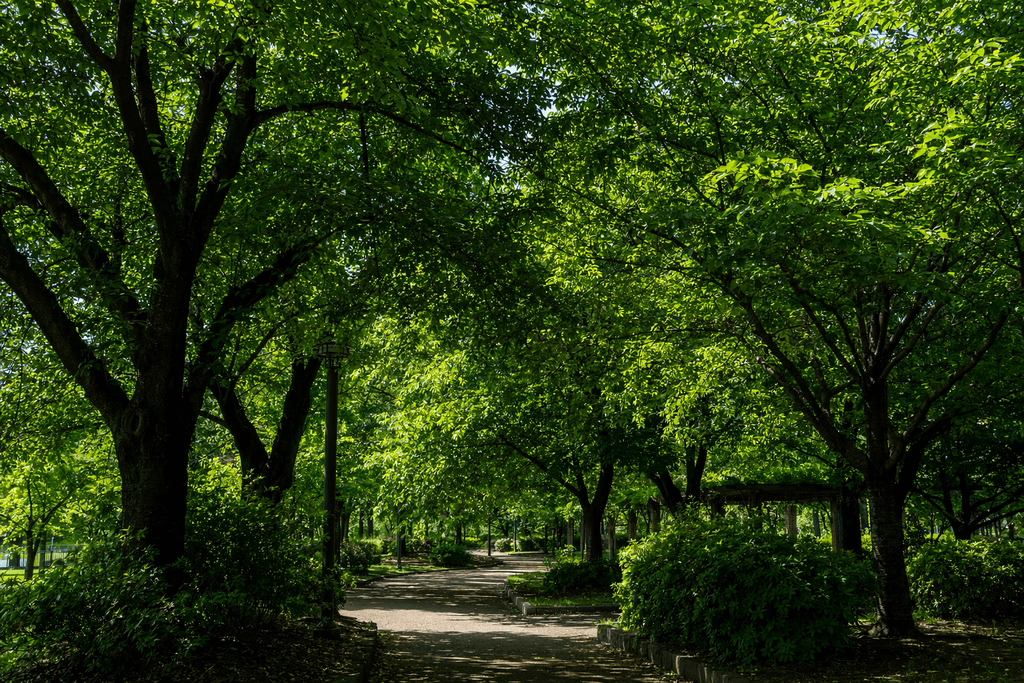
茂る
tumbuh lebat
茂る
tumbuh lebat
Explanation
茂る
tumbuh lebat
茂る
tumbuh lebat / menjadi rimbun / berkembang subur
Word Forms
The basic and commonly used forms of this verb.
Basic forms
| Form | Word form | Usage |
|---|---|---|
| Imperfective form (mizenkei) |
Alternative:
茂ろ
|
Connects to endings such as nai, reru, and seru. |
| Continuative form (renyokei) | Connects to endings such as masu, tai, and ta. | |
| Conclusive form (shushikei) | Ends a sentence and serves as the dictionary form. | |
| Attributive form (rentaikei) | Modifies a noun. | |
| Conditional form (kateikei) | Combines with ba to express a condition. | |
| Imperative form (meireikei) | Expresses a command or instruction. |
Common forms
| Form | Word form | Usage |
|---|---|---|
| Te-form | Connects clauses with te. | |
| Ta-form | Expresses the past with ta. | |
| Nai-form | Expresses negation with nai. | |
| Masu-form | Used for polite speech. | |
| Ba-form | Expresses a condition with ba. | |
| Volitional form | Expresses intention or invitation. |
Notes
早速
segera
早速
segera
Explanation
早速
segera
早速
segera / langsung / seketika

( Base form )
( romanization )
( romanization )
( hiragana historical )
( hiragana )
反る
melengkung
反る
melengkung
Explanation
反る
melengkung
反る
melengkung / membengkok / melengkung ke belakang

Word Forms
The basic and commonly used forms of this verb.
Basic forms
| Form | Word form | Usage |
|---|---|---|
| Imperfective form (mizenkei) |
Alternative:
反ろ
|
Connects to endings such as nai, reru, and seru. |
| Continuative form (renyokei) |
Alternative:
反っ
|
Connects to endings such as masu, tai, and ta. |
| Conclusive form (shushikei) | Ends a sentence and serves as the dictionary form. | |
| Attributive form (rentaikei) | Modifies a noun. | |
| Conditional form (kateikei) | Combines with ba to express a condition. | |
| Imperative form (meireikei) | Expresses a command or instruction. |
Common forms
レベル
tingkat
レベル
tingkat
Explanation
tingkat
レベル
tingkat / standar / tahap dalam gim

( romanization )
殖える
berkembang biak
殖える
berkembang biak
Explanation
殖える
berkembang biak
殖える
bertambah banyak / meningkat / berkembang biak
Word Forms
The basic and commonly used forms of this verb.
Basic forms
| Form | Word form | Usage |
|---|---|---|
| Imperfective form (mizenkei) | Connects to endings such as nai, reru, and seru. | |
| Continuative form (renyokei) | Connects to endings such as masu, tai, and ta. | |
| Conclusive form (shushikei) | Ends a sentence and serves as the dictionary form. | |
| Attributive form (rentaikei) | Modifies a noun. | |
| Conditional form (kateikei) | Combines with ba to express a condition. | |
| Imperative form (meireikei) |
Alternative:
殖えよ
|
Expresses a command or instruction. |
Common forms
| Form | Word form | Usage |
|---|---|---|
| Te-form | Connects clauses with te. | |
| Ta-form | Expresses the past with ta. | |
| Nai-form | Expresses negation with nai. | |
| Masu-form | Used for polite speech. | |
| Ba-form | Expresses a condition with ba. | |
| Volitional form | Expresses intention or invitation. |
Notes
かしこまりました
baik, saya mengerti
かしこまりました
baik, saya mengerti
Explanation
baik, saya mengerti
かしこまりました
baik, saya mengerti / siap / akan saya laksanakan

( romanization )
かえって
justru
かえって
justru
Explanation
justru
かえって
justru / sebaliknya / semakin

( Base form )
( romanization )
血圧
tekanan darah
血圧
tekanan darah
Explanation
血圧
tekanan darah
血圧
tekanan darah / tingkat tekanan darah dalam arteri / ukuran kekuatan darah menekan dinding arteri

( Base form )
( romanization )
( kyūjitai )
( hiragana )
Loading...

JLPT N2 多言語単語帳・1790語 / JLPT N2 Multilingual Vocabulary: 1790 Words

Jonathan Waller 氏の JLPT Resources の語彙リスト・レベル分類を出典とし、CC BY の条件に従って DiQt が学習者向けに意味を作り直した1790語の単語帳です。JLPT公式の語彙リストではありません。
This collection of 1790 words is based on the vocabulary list and level classifications in Jonathan Waller’s JLPT Resources under CC BY, with meanings rewritten by DiQt for learners. It is not an official JLPT vocabulary list.
Key Operations
Select the first quiz:
Ctrl + Enter
View Explanation:Ctrl + G
Close a feedback:Esc
When selecting a quiz
Answer:Enter
Select a choice:↓ or ↑
Reading out the question:Ctrl + K
View Hint: Ctrl + M
I don't know: Ctrl + Y



