
JLPT N2: Latihan arti kata - Unsolved

Pelajari arti 1790 kata JLPT N2 dalam bahasa Indonesia melalui soal dengan empat pilihan jawaban.
-
merasakan
-
menyelam / masuk bawah tanah
-
membentak
-
senapan
-
bakti kepada orang tua
-
penurunan
-
seluruh tubuh / seluruh badan dalam foto
-
keserentakan
-
barang hilang
-
kain lap
-
kelanjutan
-
sisa potongan
-
jangka pendek
-
keilmuan
-
penyatuan / keseragaman
-
menyalip
-
menyangrai
-
tersandung
-
menyangrai
-
menyalakan lampu / menyalakan api
-
menunjukkan keengganan
- ワア行五段活用。未然形「占お」は意志形「占おう」などで用いる。
-
celah / rekahan
-
perluasan kapasitas
-
gerak berdampingan / pelaksanaan bersamaan
-
sandang, pangan, papan
-
grup musik / ikat pinggang
-
sementara / khusus
-
layu / mengempis
-
menutup pendaftaran / menutup rapat
-
menjadi rapi / terselesaikan
当てはまる
berlaku / sesuai
当てはまる
berlaku / sesuai
Explanation
当てはまる
berlaku / sesuai
当てはまる
berlaku / cocok / sesuai

Word Forms
The basic and commonly used forms of this verb.
Basic forms
| Form | Word form | Usage |
|---|---|---|
| Imperfective form (mizenkei) | Connects to endings such as nai, reru, and seru. | |
| Continuative form (renyokei) | Connects to endings such as masu, tai, and ta. | |
| Conclusive form (shushikei) | Ends a sentence and serves as the dictionary form. | |
| Attributive form (rentaikei) | Modifies a noun. | |
| Conditional form (kateikei) | Combines with ba to express a condition. | |
| Imperative form (meireikei) | Expresses a command or instruction. |
Common forms
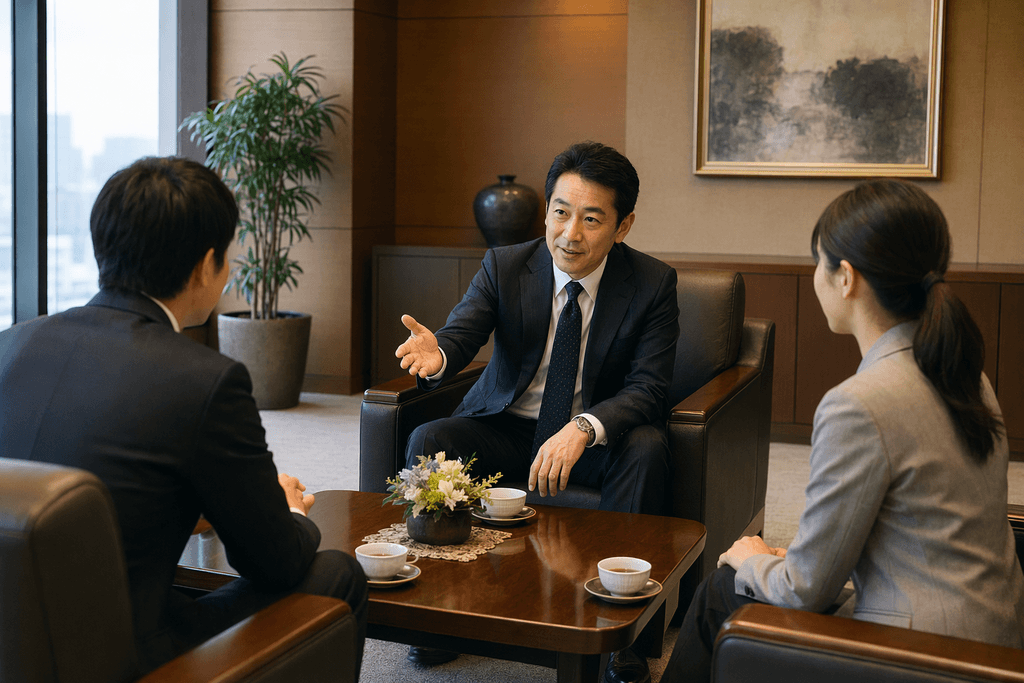
応接
penerimaan tamu
応接
penerimaan tamu
Explanation
応接
penerimaan tamu
応接
penerimaan tamu / pelayanan tamu
( Base form )
( romanization )
( hiragana )
チップ
uang tip / cip
チップ
uang tip / cip
Explanation
uang tip / cip
チップ
uang tip / uang jasa atas layanan

( romanization )
主語
subjek kalimat
主語
subjek kalimat
Explanation
主語
subjek kalimat
主語
subjek (dalam tata bahasa) / pokok kalimat
Dalam kalimat bahasa Jepang, subjek sering kali dihilangkan, tetapi demi menghindari kesalahpahaman, ada kalanya subjek sengaja dicantumkan.

( Base form )
( romanization )
( hiragana )
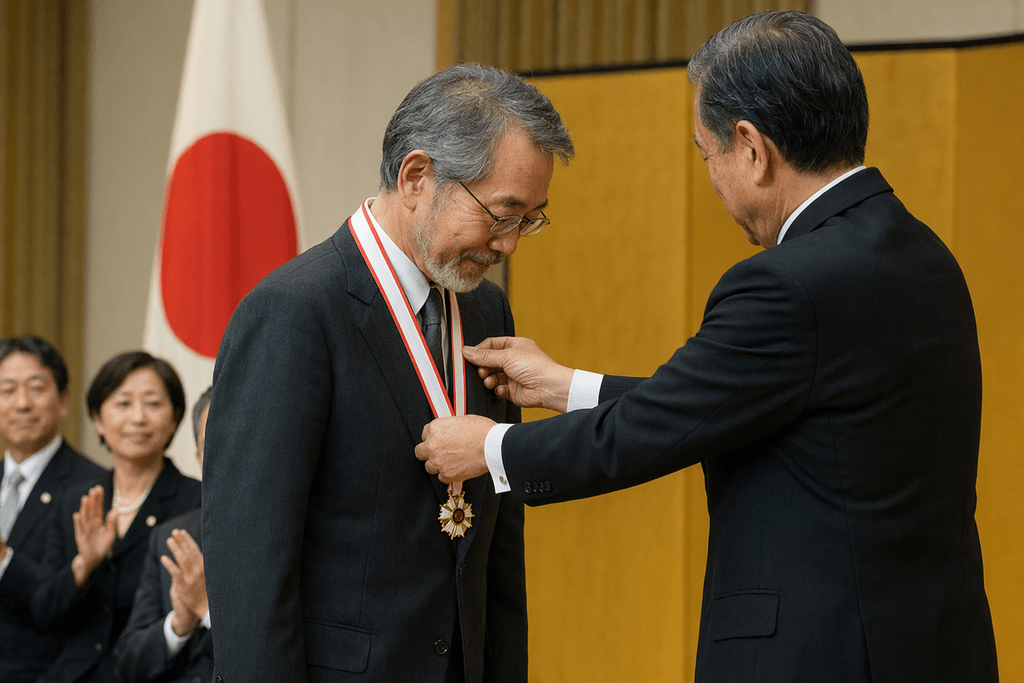
功績
prestasi / jasa
功績
prestasi / jasa
Explanation
功績
prestasi / jasa
功績
pencapaian / prestasi / jasa
( Base form )
( romanization )
( romanization )
( hiragana historical )
( hiragana )
撫でる
mengelus
撫でる
mengelus
Explanation
撫でる
mengelus
撫でる
membelai / mengelus / mengusap lembut

Word Forms
The basic and commonly used forms of this verb.
Basic forms
| Form | Word form | Usage |
|---|---|---|
| Imperfective form (mizenkei) | Connects to endings such as nai, reru, and seru. | |
| Continuative form (renyokei) | Connects to endings such as masu, tai, and ta. | |
| Conclusive form (shushikei) | Ends a sentence and serves as the dictionary form. | |
| Attributive form (rentaikei) | Modifies a noun. | |
| Conditional form (kateikei) | Combines with ba to express a condition. | |
| Imperative form (meireikei) |
Alternative:
撫でよ
|
Expresses a command or instruction. |
Common forms
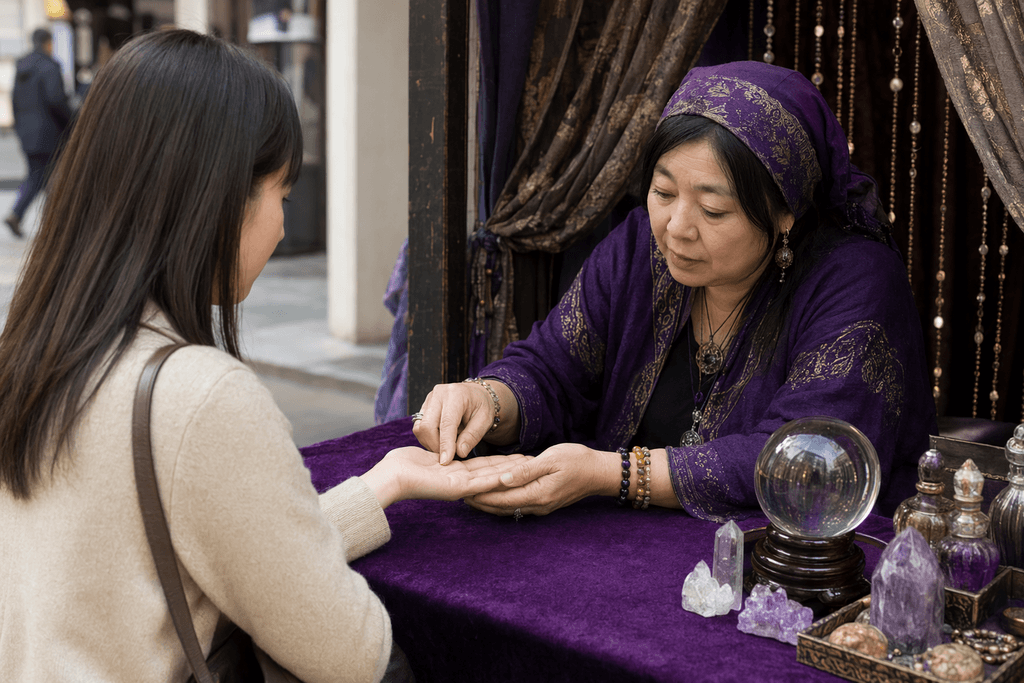
占う
meramal nasib
占う
meramal nasib
Explanation
占う
meramal nasib
占う
meramal / meramal nasib / menilik nasib
Word Forms
The basic and commonly used forms of this verb.
Basic forms
| Form | Word form | Usage |
|---|---|---|
| Imperfective form (mizenkei) |
Alternative:
占お
|
Connects to endings such as nai, reru, and seru. |
| Continuative form (renyokei) | Connects to endings such as masu, tai, and ta. | |
| Conclusive form (shushikei) | Ends a sentence and serves as the dictionary form. | |
| Attributive form (rentaikei) | Modifies a noun. | |
| Conditional form (kateikei) | Combines with ba to express a condition. | |
| Imperative form (meireikei) | Expresses a command or instruction. |
Common forms
| Form | Word form | Usage |
|---|---|---|
| Te-form | Connects clauses with te. | |
| Ta-form | Expresses the past with ta. | |
| Nai-form | Expresses negation with nai. | |
| Masu-form | Used for polite speech. | |
| Ba-form | Expresses a condition with ba. | |
| Volitional form | Expresses intention or invitation. |
Notes
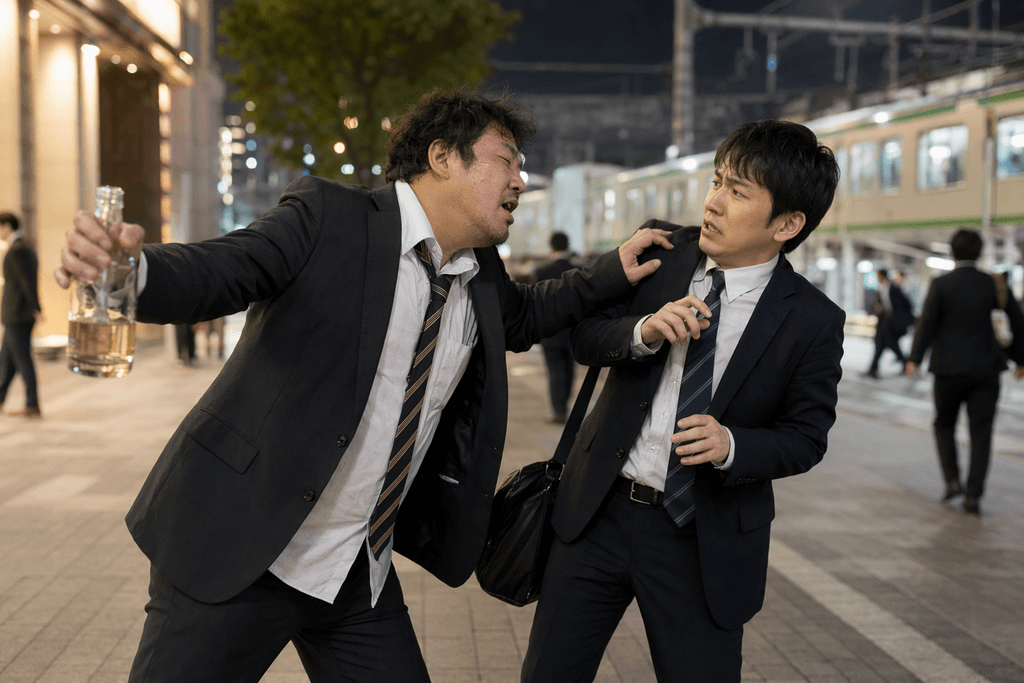
酔っ払い
orang mabuk
酔っ払い
orang mabuk
Explanation
酔っ払い
orang mabuk
酔っ払い
pemabuk / orang mabuk
( Base form )
( romanization )
規準
standar
規準
standar
Explanation
規準
standar
規準
standar / kriteria / patokan

( Base form )
( romanization )
( hiragana )
広める
menyebarluaskan
広める
menyebarluaskan
Explanation
広める
menyebarluaskan
広める
memperluas / melebarkan / menyebarkan

Word Forms
The basic and commonly used forms of this verb.
Basic forms
| Form | Word form | Usage |
|---|---|---|
| Imperfective form (mizenkei) | Connects to endings such as nai, reru, and seru. | |
| Continuative form (renyokei) | Connects to endings such as masu, tai, and ta. | |
| Conclusive form (shushikei) | Ends a sentence and serves as the dictionary form. | |
| Attributive form (rentaikei) | Modifies a noun. | |
| Conditional form (kateikei) | Combines with ba to express a condition. | |
| Imperative form (meireikei) |
Alternative:
広めよ
|
Expresses a command or instruction. |
Common forms
Loading...

JLPT N2 多言語単語帳・1790語 / JLPT N2 Multilingual Vocabulary: 1790 Words

Jonathan Waller 氏の JLPT Resources の語彙リスト・レベル分類を出典とし、CC BY の条件に従って DiQt が学習者向けに意味を作り直した1790語の単語帳です。JLPT公式の語彙リストではありません。
This collection of 1790 words is based on the vocabulary list and level classifications in Jonathan Waller’s JLPT Resources under CC BY, with meanings rewritten by DiQt for learners. It is not an official JLPT vocabulary list.
Key Operations
Select the first quiz:
Ctrl + Enter
View Explanation:Ctrl + G
Close a feedback:Esc
When selecting a quiz
Answer:Enter
Select a choice:↓ or ↑
Reading out the question:Ctrl + K
View Hint: Ctrl + M
I don't know: Ctrl + Y



