
JLPT N2: Latihan arti kata - Unsolved

Pelajari arti 1790 kata JLPT N2 dalam bahasa Indonesia melalui soal dengan empat pilihan jawaban.
-
wajan
-
peningkatan
-
kalung
-
menjadi lembap
-
menggali
-
menyimpang / meleset
- 他動詞
-
satu per satu
-
justru
-
secepatnya
-
sirene
-
peran utama / pemeran utama
-
peluncuran produk
-
latihan menulis indah
-
Inggris-Jepang
-
bakti kepada orang tua
-
rumah sewaan
-
ukuran
-
matahari terbenam
-
wawancara
-
orang yang lebih senior
-
hari tutup tetap
-
prosedur
-
pengukuran
-
huruf Latin / romanisasi
-
mengupas
-
memasang / mengenakan
-
menjadi jernih
- 五段活用(マ行)。未然形には否定に接続する「凹ま」と、意志・推量に用いる「凹も」があります。
-
periuk
-
teleskop
-
gas
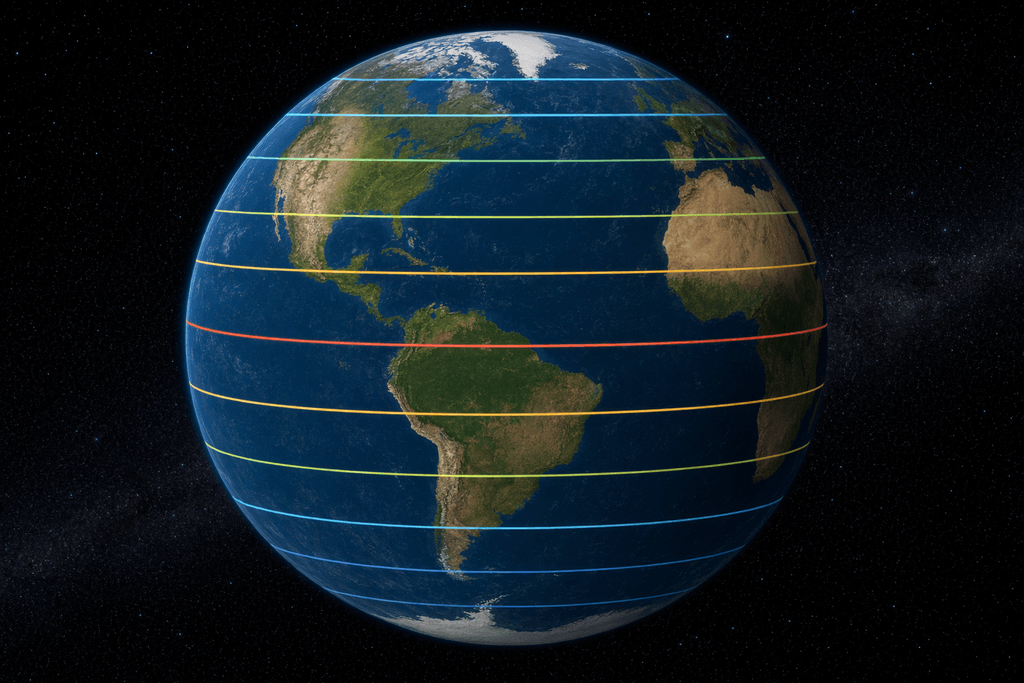
緯度
lintang
緯度
lintang
Explanation
緯度
lintang
緯度
lintang (geografi) / jarak sudut suatu titik dari khatulistiwa, diukur ke utara atau selatan
( Base form )
( romanization )
( romanization )
( hiragana historical )
( hiragana )
裏返す
membalik sisi dalam / membalikkan
裏返す
membalik sisi dalam / membalikkan
Explanation
裏返す
membalik sisi dalam / membalikkan
裏返す
Membalikkan atau membalik sesuatu; memutar posisinya / Membalik bagian dalam ke luar (misalnya baju) / Memandang atau mempertimbangkan dari sudut pandang yang sepenuhnya berbeda

Word Forms
The basic and commonly used forms of this verb.
Basic forms
| Form | Word form | Usage |
|---|---|---|
| Imperfective form (mizenkei) |
Alternative:
裏返そ
|
Connects to endings such as nai, reru, and seru. |
| Continuative form (renyokei) | Connects to endings such as masu, tai, and ta. | |
| Conclusive form (shushikei) | Ends a sentence and serves as the dictionary form. | |
| Attributive form (rentaikei) | Modifies a noun. | |
| Conditional form (kateikei) | Combines with ba to express a condition. | |
| Imperative form (meireikei) | Expresses a command or instruction. |
Common forms
| Form | Word form | Usage |
|---|---|---|
| Te-form | Connects clauses with te. | |
| Ta-form | Expresses the past with ta. | |
| Nai-form | Expresses negation with nai. | |
| Masu-form | Used for polite speech. | |
| Ba-form | Expresses a condition with ba. | |
| Volitional form | Expresses intention or invitation. |
Notes
幾分
agak
幾分
agak
Explanation
幾分
agak
幾分
agak / sedikit / sebagian

( Base form )
( romanization )
( hiragana )
応対
pelayanan tamu
応対
pelayanan tamu
Explanation
応対
pelayanan tamu
応対
pelayanan terhadap tamu/pelanggan / penanganan atau penjawaban / penerimaan tamu

( Base form )
( romanization )
( stem )
( Past )
( kyūjitai )
( table-tags )
( inflection-template )
( imperfective stem )
( imperfective stem )
( imperfective )
( continuative stem )
( continuative stem )
( continuative )
( stem terminative )
( stem terminative )
( terminative )
( attributive stem )
( attributive stem )
( attributive )
( hypothetical stem )
( hypothetical stem )
( hypothetical )
( Imperative literary stem )
( colloquial Imperative stem )
( Imperative literary stem )
( colloquial Imperative stem )
( Imperative literary )
( colloquial Imperative )
( Passive voice )
( Passive voice )
( Passive voice )
( causative )
( causative )
( causative )
( causative )
( causative )
( causative )
( potential )
( potential )
( potential )
( volitional )
( volitional )
( volitional )
( negative )
( negative )
( negative )
( continuative negative )
( continuative negative )
( continuative negative )
( formal )
( formal )
( formal )
( perfective )
( perfective )
( perfective )
( conjunctive )
( conjunctive )
( conjunctive )
( Conditional hypothetical )
( Conditional hypothetical )
( Conditional hypothetical )
調味料
bumbu
調味料
bumbu
Explanation
調味料
bumbu
調味料
bumbu / penyedap rasa / bahan perasa

( Base form )
( romanization )
( romanization )
( hiragana historical )
( hiragana )
蒸発
penguapan / menghilang tanpa jejak
蒸発
penguapan / menghilang tanpa jejak
Explanation
蒸発
penguapan / menghilang tanpa jejak
蒸発
penguapan / proses berubah menjadi uap

( Base form )
( romanization )
( stem )
( Past )
( kyūjitai )
( table-tags )
( inflection-template )
( imperfective stem )
( imperfective stem )
( imperfective )
( continuative stem )
( continuative stem )
( continuative )
( stem terminative )
( stem terminative )
( terminative )
( attributive stem )
( attributive stem )
( attributive )
( hypothetical stem )
( hypothetical stem )
( hypothetical )
( Imperative literary stem )
( colloquial Imperative stem )
( Imperative literary stem )
( colloquial Imperative stem )
( Imperative literary )
( colloquial Imperative )
( Passive voice )
( Passive voice )
( Passive voice )
( causative )
( causative )
( causative )
( causative )
( causative )
( causative )
( potential )
( potential )
( potential )
( volitional )
( volitional )
( volitional )
( negative )
( negative )
( negative )
( continuative negative )
( continuative negative )
( continuative negative )
( formal )
( formal )
( formal )
( perfective )
( perfective )
( perfective )
( conjunctive )
( conjunctive )
( conjunctive )
( Conditional hypothetical )
( Conditional hypothetical )
( Conditional hypothetical )
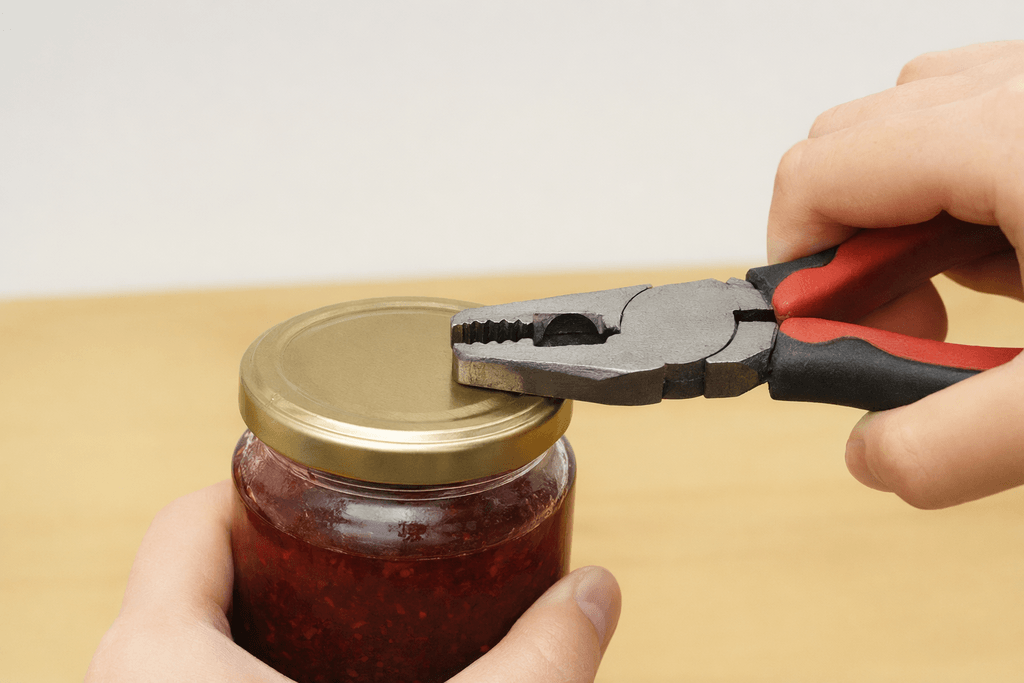
ペンチ
tang
ペンチ
tang
Explanation
tang
ペンチ
tang / alat untuk menjepit atau memotong
( romanization )
先々月
dua bulan lalu
先々月
dua bulan lalu
Explanation
先々月
dua bulan lalu
先々月
bulan sebelum bulan lalu / dua bulan lalu

( Base form )
( romanization )
( hiragana )
凹む
penyok / merasa terpuruk
凹む
penyok / merasa terpuruk
Explanation
凹む
penyok / merasa terpuruk
凹む
menjadi cekung / melesak ke dalam / menjadi penyok

Word Forms
The basic and commonly used forms of this verb.
Basic forms
| Form | Word form | Usage |
|---|---|---|
| Imperfective form (mizenkei) |
Alternative:
へこま
凹も
へこも
|
Connects to endings such as nai, reru, and seru. |
| Continuative form (renyokei) |
Alternative:
へこみ
|
Connects to endings such as masu, tai, and ta. |
| Conclusive form (shushikei) |
Alternative:
へこむ
|
Ends a sentence and serves as the dictionary form. |
| Attributive form (rentaikei) |
Alternative:
へこむ
|
Modifies a noun. |
| Conditional form (kateikei) |
Alternative:
へこめ
|
Combines with ba to express a condition. |
| Imperative form (meireikei) |
Alternative:
へこめ
|
Expresses a command or instruction. |
Common forms
| Form | Word form | Usage |
|---|---|---|
| Te-form |
Alternative:
へこんで
|
Connects clauses with te. |
| Ta-form |
Alternative:
へこんだ
|
Expresses the past with ta. |
| Nai-form |
Alternative:
へこまない
|
Expresses negation with nai. |
| Masu-form |
Alternative:
へこみます
|
Used for polite speech. |
| Ba-form |
Alternative:
へこめば
|
Expresses a condition with ba. |
| Volitional form |
Alternative:
へこもう
|
Expresses intention or invitation. |
Notes
物置
gudang penyimpanan
物置
gudang penyimpanan
Explanation
物置
gudang penyimpanan
物置
ruang penyimpanan / gudang kecil / tempat menyimpan barang

( Base form )
( romanization )
( hiragana )
Loading...

JLPT N2 多言語単語帳・1790語 / JLPT N2 Multilingual Vocabulary: 1790 Words

Jonathan Waller 氏の JLPT Resources の語彙リスト・レベル分類を出典とし、CC BY の条件に従って DiQt が学習者向けに意味を作り直した1790語の単語帳です。JLPT公式の語彙リストではありません。
This collection of 1790 words is based on the vocabulary list and level classifications in Jonathan Waller’s JLPT Resources under CC BY, with meanings rewritten by DiQt for learners. It is not an official JLPT vocabulary list.
Key Operations
Select the first quiz:
Ctrl + Enter
View Explanation:Ctrl + G
Close a feedback:Esc
When selecting a quiz
Answer:Enter
Select a choice:↓ or ↑
Reading out the question:Ctrl + K
View Hint: Ctrl + M
I don't know: Ctrl + Y



