
JLPT N2: Latihan arti kata - Unsolved

Pelajari arti 1790 kata JLPT N2 dalam bahasa Indonesia melalui soal dengan empat pilihan jawaban.
-
catur Jepang
-
sepuluh hari pertama sebulan
-
diskon
-
sengsara
-
landai
-
tak terhitung
-
polos
-
bela diri
-
kegembiraan / ucapan selamat
-
kepada instansi
-
daya listrik
-
pemeliharaan kesehatan
-
kalori
-
pemadaman air
-
penyatuan / keseragaman
-
perpindahan kendaraan
-
pengantin perempuan
-
putra sulung
-
sepanjang waktu / jauh lebih
-
relatif
-
semakin
-
terjepit di antara
-
bersikap angkuh
-
diajar
-
menebas dengan pedang
-
memantul / meloncat
-
menyobek / memetik
- 自動詞。五段活用(ラ行)。
- 未然形は打消接続では「固まら」、意志・推量接続では「固まろ」を用いる。
- コンピューターなどが反応しなくなる意味でも同じ活用。
-
kecepatan per jam
-
kerang / cangkang kerang
-
rezim / struktur
的確
ketepatan
的確
ketepatan
Explanation
的確
ketepatan
的確
ketepatan / akurasi / ketelitian

( Base form )
( romanization )
( hiragana )
真っ暗
gelap gulita
真っ暗
gelap gulita
Explanation
真っ暗
gelap gulita
真っ暗
sangat gelap / gelap gulita / gelap pekat

Word Forms
The basic and commonly used forms of this adjectival noun.
Basic forms
| Form | Word form | Usage |
|---|---|---|
| Imperfective form (mizenkei) | Used in forms such as darou. | |
| Continuative form (renyokei) |
Alternative:
真っ暗に
真っ暗だっ
|
Used with de or ni. |
| Conclusive form (shushikei) | Ends a sentence with da. | |
| Attributive form (rentaikei) | Modifies a noun with na. | |
| Conditional form (kateikei) | Expresses a condition with nara. | |
| Imperative form (meireikei) | Used in formal expressions such as de are. |
Common forms
ごみ
sampah
ごみ
sampah
Explanation
sampah
ごみ
sampah / limbah / barang buangan

( Base form )
( romanization )
( hiragana )
ねじ
sekrup
ねじ
sekrup
Explanation
sekrup
ねじ
sekrup / baut / ulir

( romanization )
鉢
mangkuk / pot bunga
鉢
mangkuk / pot bunga
Explanation
鉢
mangkuk / pot bunga
鉢
mangkuk / pot bunga / baskom

( romanization )
( hiragana )
寺院
kuil Buddha
寺院
kuil Buddha
Explanation
寺院
kuil Buddha
寺院
kuil Buddha / vihara / tempat ibadah Buddha
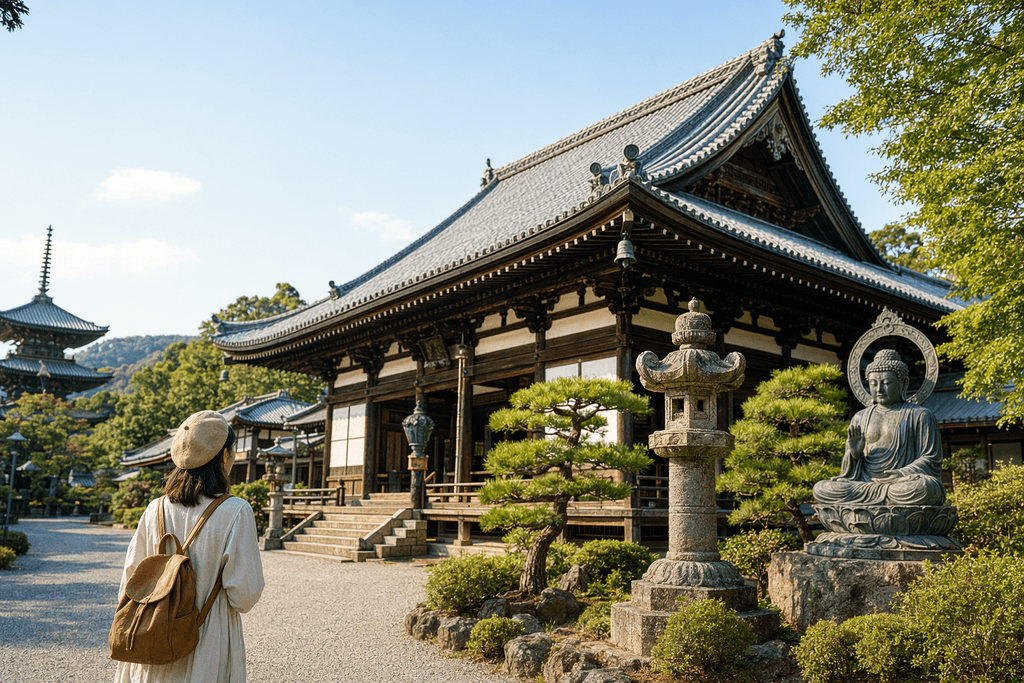
( Base form )
( romanization )
( romanization )
( hiragana historical )
( hiragana )
ずらり
berjajar panjang
ずらり
berjajar panjang
Explanation
berjajar panjang
ずらり
berderet-deret / berjajar / berjejer

羨む
merasa iri pada
羨む
merasa iri pada
Explanation
羨む
merasa iri pada
羨む
merasa iri (terhadap orang lain) / cemburu / mendengki

Word Forms
The basic and commonly used forms of this verb.
Basic forms
| Form | Word form | Usage |
|---|---|---|
| Imperfective form (mizenkei) | Connects to endings such as nai, reru, and seru. | |
| Continuative form (renyokei) | Connects to endings such as masu, tai, and ta. | |
| Conclusive form (shushikei) | Ends a sentence and serves as the dictionary form. | |
| Attributive form (rentaikei) | Modifies a noun. | |
| Conditional form (kateikei) | Combines with ba to express a condition. | |
| Imperative form (meireikei) | Expresses a command or instruction. |
Common forms
固まる
mengeras / menjadi pasti
固まる
mengeras / menjadi pasti
Explanation
固まる
mengeras / menjadi pasti
固まる
mengeras; menjadi padat/keras / (komputer) macet/hang; menjadi tidak responsif

Word Forms
The basic and commonly used forms of this verb.
Basic forms
| Form | Word form | Usage |
|---|---|---|
| Imperfective form (mizenkei) |
Alternative:
固まろ
|
Connects to endings such as nai, reru, and seru. |
| Continuative form (renyokei) | Connects to endings such as masu, tai, and ta. | |
| Conclusive form (shushikei) | Ends a sentence and serves as the dictionary form. | |
| Attributive form (rentaikei) | Modifies a noun. | |
| Conditional form (kateikei) | Combines with ba to express a condition. | |
| Imperative form (meireikei) | Expresses a command or instruction. |
Common forms
| Form | Word form | Usage |
|---|---|---|
| Te-form | Connects clauses with te. | |
| Ta-form | Expresses the past with ta. | |
| Nai-form | Expresses negation with nai. | |
| Masu-form | Used for polite speech. | |
| Ba-form | Expresses a condition with ba. | |
| Volitional form | Expresses intention or invitation. |
Notes
卑怯
kepengecutan / kecurangan
卑怯
kepengecutan / kecurangan
Explanation
卑怯
kepengecutan / kecurangan
卑怯
kepengecutan / kelicikan / tindakan curang/kotor

( Base form )
( romanization )
( hiragana )
Loading...

JLPT N2 多言語単語帳・1790語 / JLPT N2 Multilingual Vocabulary: 1790 Words

Jonathan Waller 氏の JLPT Resources の語彙リスト・レベル分類を出典とし、CC BY の条件に従って DiQt が学習者向けに意味を作り直した1790語の単語帳です。JLPT公式の語彙リストではありません。
This collection of 1790 words is based on the vocabulary list and level classifications in Jonathan Waller’s JLPT Resources under CC BY, with meanings rewritten by DiQt for learners. It is not an official JLPT vocabulary list.
Key Operations
Select the first quiz:
Ctrl + Enter
View Explanation:Ctrl + G
Close a feedback:Esc
When selecting a quiz
Answer:Enter
Select a choice:↓ or ↑
Reading out the question:Ctrl + K
View Hint: Ctrl + M
I don't know: Ctrl + Y



