
JLPT N2: Latihan arti kata - Unsolved

Pelajari arti 1790 kata JLPT N2 dalam bahasa Indonesia melalui soal dengan empat pilihan jawaban.
-
semakin
-
kebingungan
-
tanpa tujuan
-
patung / ukiran
-
berat bersih / jumlah sebenarnya
-
paku
-
berbisik
-
merobohkan / menukar uang kecil
-
pergi keluar
-
lapisan atas / gedung bertingkat tinggi
-
sirene
-
huruf cetak
-
pengangkutan
-
nama penerima
-
etiket
-
dua bulan lalu
-
istirahat sejenak
-
nampan / perayaan Obon
-
berlangsung lama
-
luar biasa
-
bertekstur kasar
- 「ない」で終わるが、一語のイ形容詞として活用する。
-
penerimaan pembayaran
-
percepatan gerak
-
pembuatan benda
-
roda
-
pembebasan pajak
-
kilap
-
periuk
-
tempat lain
-
zona beriklim sedang
いきいき
dengan penuh semangat
いきいき
dengan penuh semangat
Explanation
dengan penuh semangat
いきいき
tampak segar / penuh kehidupan / penuh semangat

( Base form )
( romanization )
( romanization )
( stem )
( Past )
( hiragana historical )
( table-tags )
( inflection-template )
( imperfective stem )
( imperfective )
( continuative stem )
( continuative )
( stem terminative )
( terminative )
( attributive stem )
( attributive )
( hypothetical stem )
( hypothetical )
( Imperative literary stem )
( colloquial Imperative stem )
( Imperative literary )
( colloquial Imperative )
( Passive voice )
( Passive voice )
( causative )
( causative )
( causative )
( causative )
( potential )
( potential )
( volitional )
( volitional )
( negative )
( negative )
( continuative negative )
( continuative negative )
( formal )
( formal )
( perfective )
( perfective )
( conjunctive )
( conjunctive )
( Conditional hypothetical )
( Conditional hypothetical )
ステージ
panggung / pertunjukan
ステージ
panggung / pertunjukan
Explanation
panggung / pertunjukan
ステージ
panggung (tempat pertunjukan) / penampilan di panggung / level dalam gim

( romanization )
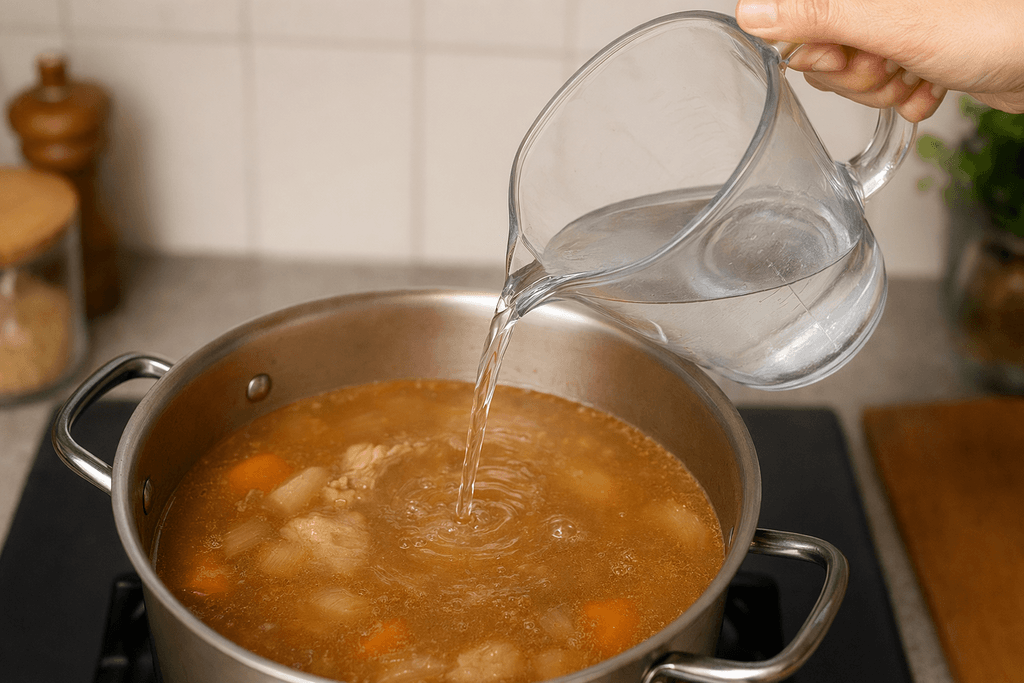
薄める
mengencerkan
薄める
mengencerkan
Explanation
薄める
mengencerkan
薄める
mengencerkan / mengurangi konsentrasi / melemahkan rasa/warna
Word Forms
The basic and commonly used forms of this verb.
Basic forms
| Form | Word form | Usage |
|---|---|---|
| Imperfective form (mizenkei) | Connects to endings such as nai, reru, and seru. | |
| Continuative form (renyokei) | Connects to endings such as masu, tai, and ta. | |
| Conclusive form (shushikei) | Ends a sentence and serves as the dictionary form. | |
| Attributive form (rentaikei) | Modifies a noun. | |
| Conditional form (kateikei) | Combines with ba to express a condition. | |
| Imperative form (meireikei) |
Alternative:
薄めよ
|
Expresses a command or instruction. |
Common forms
梯子
tangga portabel
梯子
tangga portabel
Explanation
梯子
tangga portabel
梯子
tangga (alat untuk memanjat) / kegiatan berpindah-pindah tempat secara berurutan (mis. dari satu bar ke bar lain)

( Base form )
( romanization )
( hiragana )
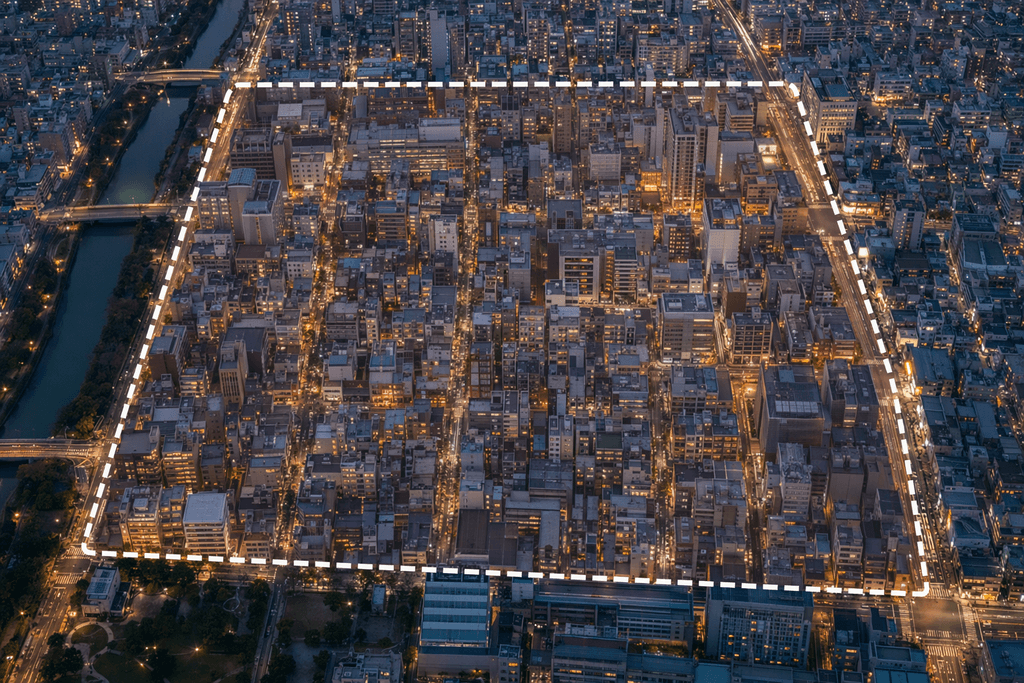
区域
kawasan
区域
kawasan
Explanation
区域
kawasan
区域
wilayah / kawasan / zona
( Base form )
( romanization )
( kyūjitai )
( hiragana )
釘
paku
釘
paku
Explanation
釘
paku
釘
paku; batang logam atau bahan keras berujung tajam untuk menancapkan sesuatu / pasak dari logam atau bahan keras untuk menahan atau mengikat benda

( romanization )
( hiragana )
だらしない
tidak rapi
だらしない
tidak rapi
Explanation
tidak rapi
だらしない
tidak rapi / jorok / tidak disiplin

Word Forms
The basic and commonly used forms of this adjective.
Basic forms
| Form | Word form | Usage |
|---|---|---|
| Imperfective form (mizenkei) | Used in forms such as karou; mainly literary. | |
| Continuative form (renyokei) |
Alternative:
だらしなかっ
|
Used in forms such as kute and kunai. |
| Conclusive form (shushikei) | Ends a sentence. | |
| Attributive form (rentaikei) | Modifies a noun. | |
| Conditional form (kateikei) | Expresses a condition with kereba. | |
| Imperative form (meireikei) | Rarely used in modern Japanese. |
Common forms
| Form | Word form | Usage |
|---|---|---|
| Te-form | Connects clauses with kute. | |
| Ta-form | Expresses the past with katta. | |
| Nai-form | Expresses negation with kunai. | |
| Ba-form | Expresses a condition with kereba. |
Notes
リポート
laporan / makalah
リポート
laporan / makalah
Explanation
laporan / makalah
リポート
laporan / liputan (berita) / makalah

( romanization )
プログラム
program
プログラム
program
Explanation
program
プログラム
serangkaian instruksi untuk komputer / susunan acara

( Base form )
( romanization )
( stem )
( Past )
( table-tags )
( inflection-template )
( imperfective stem )
( imperfective stem )
( continuative stem )
( continuative stem )
( stem terminative )
( stem terminative )
( attributive stem )
( attributive stem )
( hypothetical stem )
( hypothetical stem )
( Imperative literary stem )
( colloquial Imperative stem )
( Imperative literary stem )
( colloquial Imperative stem )
( Passive voice )
( Passive voice )
( causative )
( causative )
( causative )
( causative )
( potential )
( potential )
( volitional )
( volitional )
( negative )
( negative )
( continuative negative )
( continuative negative )
( formal )
( formal )
( perfective )
( perfective )
( conjunctive )
( conjunctive )
( Conditional hypothetical )
( Conditional hypothetical )
過失
kelalaian / kesalahan
過失
kelalaian / kesalahan
Explanation
過失
kelalaian / kesalahan
過失
kesalahan / kekhilafan / (hukum) kelalaian

( Base form )
( romanization )
( hiragana )
Loading...

JLPT N2 多言語単語帳・1790語 / JLPT N2 Multilingual Vocabulary: 1790 Words

Jonathan Waller 氏の JLPT Resources の語彙リスト・レベル分類を出典とし、CC BY の条件に従って DiQt が学習者向けに意味を作り直した1790語の単語帳です。JLPT公式の語彙リストではありません。
This collection of 1790 words is based on the vocabulary list and level classifications in Jonathan Waller’s JLPT Resources under CC BY, with meanings rewritten by DiQt for learners. It is not an official JLPT vocabulary list.
Key Operations
Select the first quiz:
Ctrl + Enter
View Explanation:Ctrl + G
Close a feedback:Esc
When selecting a quiz
Answer:Enter
Select a choice:↓ or ↑
Reading out the question:Ctrl + K
View Hint: Ctrl + M
I don't know: Ctrl + Y



