
JLPT N2: Latihan arti kata - Unsolved

Pelajari arti 1790 kata JLPT N2 dalam bahasa Indonesia melalui soal dengan empat pilihan jawaban.
-
luas / kelapangan
-
jalan memutar
-
gaya bahasa tulis
-
sindiran / ironi
-
keseimbangan
-
tertentu / identifikasi
-
peminjaman barang
-
hortikultura
-
kartu nama
-
menyingkat / menghilangkan
-
menjadi keruh
-
menenangkan diri / menetap
-
giliran tugas
-
tanda baca
-
seni pertunjukan
-
kembali / secara resmi
-
secara mendalam / dengan sungguh-sungguh
-
di luar dugaan
-
ganas / kasar
-
saya minta maaf
-
segi empat
-
menyangrai
-
menyimpan / menabung
-
memakaikan pakaian
-
Kutub Utara
-
berganti pakaian / pakaian ganti
-
toko
-
bertanggung jawab atas
-
mengejar
-
hidup kembali
吹雪
badai salju
吹雪
badai salju
Explanation
吹雪
badai salju
吹雪
badai salju; hujan salju lebat disertai angin kencang / banyak benda tipis yang beterbangan tertiup angin (seperti kepingan salju)

( romanization )
( hiragana )
換気
ventilasi
換気
ventilasi
Explanation
換気
ventilasi
換気
ventilasi / pertukaran udara / sirkulasi udara

( Base form )
( romanization )
( kyūjitai )
( hiragana )
解答
jawaban soal
解答
jawaban soal
Explanation
解答
jawaban soal
解答
jawaban / solusi / pemecahan

( Base form )
( romanization )
( hiragana )
削る
mengikis / mengurangi
削る
mengikis / mengurangi
Explanation
削る
mengikis / mengurangi
削る
menyerut / menghapus / mengurangi

Word Forms
The basic and commonly used forms of this verb.
Basic forms
| Form | Word form | Usage |
|---|---|---|
| Imperfective form (mizenkei) |
Alternative:
削ろ
|
Connects to endings such as nai, reru, and seru. |
| Continuative form (renyokei) | Connects to endings such as masu, tai, and ta. | |
| Conclusive form (shushikei) | Ends a sentence and serves as the dictionary form. | |
| Attributive form (rentaikei) | Modifies a noun. | |
| Conditional form (kateikei) | Combines with ba to express a condition. | |
| Imperative form (meireikei) | Expresses a command or instruction. |
Common forms
交差
persilangan
交差
persilangan
Explanation
交差
persilangan
交差
perpotongan / persilangan / pindah silang (genetika)

( Base form )
( romanization )
( romanization )
( hiragana historical )
( hiragana )
続々
berturut-turut
続々
berturut-turut
Explanation
続々
berturut-turut
続々
berturut-turut / satu demi satu / secara beruntun

( Base form )
( romanization )
( hiragana )
堅い
keras / teguh
堅い
keras / teguh
Explanation
堅い
keras / teguh
堅い
kokoh / jujur / tegas

Word Forms
The basic and commonly used forms of this adjective.
Basic forms
| Form | Word form | Usage |
|---|---|---|
| Imperfective form (mizenkei) | Used in forms such as karou; mainly literary. | |
| Continuative form (renyokei) |
Alternative:
堅かっ
|
Used in forms such as kute and kunai. |
| Conclusive form (shushikei) | Ends a sentence. | |
| Attributive form (rentaikei) | Modifies a noun. | |
| Conditional form (kateikei) | Expresses a condition with kereba. | |
| Imperative form (meireikei) | Rarely used in modern Japanese. |
Common forms
塞ぐ
menyumbat
塞ぐ
menyumbat
Explanation
塞ぐ
menyumbat
塞ぐ
menutup/menyumbat/menghalangi / mengisi/menempati / memenuhi (syarat/kebutuhan)

Word Forms
The basic and commonly used forms of this verb.
Basic forms
| Form | Word form | Usage |
|---|---|---|
| Imperfective form (mizenkei) |
Alternative:
塞ご
|
Connects to endings such as nai, reru, and seru. |
| Continuative form (renyokei) | Connects to endings such as masu, tai, and ta. | |
| Conclusive form (shushikei) | Ends a sentence and serves as the dictionary form. | |
| Attributive form (rentaikei) | Modifies a noun. | |
| Conditional form (kateikei) | Combines with ba to express a condition. | |
| Imperative form (meireikei) | Expresses a command or instruction. |
Common forms
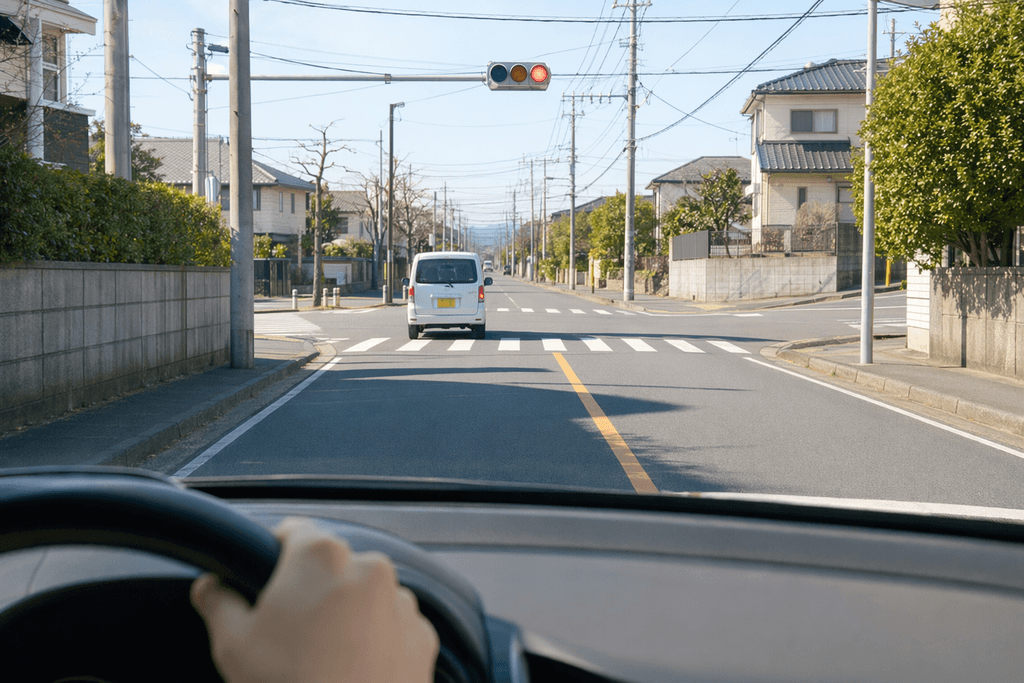
手前
sebelah sini / tepat sebelum
手前
sebelah sini / tepat sebelum
Explanation
手前
sebelah sini / tepat sebelum
手前
tepat di depan / bagian yang lebih dekat / sisi dekat (sebelah sini)
( romanization )
茹でる
merebus
茹でる
merebus
Explanation
茹でる
merebus
茹でる
merebus / blansir (merebus sebentar)

Word Forms
The basic and commonly used forms of this verb.
Basic forms
| Form | Word form | Usage |
|---|---|---|
| Imperfective form (mizenkei) | Connects to endings such as nai, reru, and seru. | |
| Continuative form (renyokei) | Connects to endings such as masu, tai, and ta. | |
| Conclusive form (shushikei) | Ends a sentence and serves as the dictionary form. | |
| Attributive form (rentaikei) | Modifies a noun. | |
| Conditional form (kateikei) | Combines with ba to express a condition. | |
| Imperative form (meireikei) |
Alternative:
茹でよ
|
Expresses a command or instruction. |
Common forms
Loading...

JLPT N2 多言語単語帳・1790語 / JLPT N2 Multilingual Vocabulary: 1790 Words

Jonathan Waller 氏の JLPT Resources の語彙リスト・レベル分類を出典とし、CC BY の条件に従って DiQt が学習者向けに意味を作り直した1790語の単語帳です。JLPT公式の語彙リストではありません。
This collection of 1790 words is based on the vocabulary list and level classifications in Jonathan Waller’s JLPT Resources under CC BY, with meanings rewritten by DiQt for learners. It is not an official JLPT vocabulary list.
Key Operations
Select the first quiz:
Ctrl + Enter
View Explanation:Ctrl + G
Close a feedback:Esc
When selecting a quiz
Answer:Enter
Select a choice:↓ or ↑
Reading out the question:Ctrl + K
View Hint: Ctrl + M
I don't know: Ctrl + Y



