
JLPT N2: Latihan arti kata - Unsolved

Pelajari arti 1790 kata JLPT N2 dalam bahasa Indonesia melalui soal dengan empat pilihan jawaban.
-
runtuh
-
menyingkat / menghilangkan
-
menghancurkan / menyia-nyiakan
-
tampak muda
-
membangkitkan nostalgia
-
membawa keberuntungan / membahagiakan
- 「柔らかい」とも書く。
- 命令形「軟らかかれ」は現代語では稀。
-
kartu nama
-
uang hadiah
-
batu bata
-
mengolah tanah
-
terpantul / terproyeksi
-
terbagi / bercabang
-
mengukus / terasa pengap
-
merasakan
-
mengejar
-
distrik
-
pusat kota
-
penegasan
-
segera setelah
-
paduan suara
-
nama keluarga
-
jawaban soal
-
laju penjualan
-
penggabungan / aksi bersama
-
tumbuh
-
menyangrai
-
menempatkan di kuil / memuja
- 漢字表記は「包む」。
-
hubungan persahabatan
-
kesetaraan / tanda sama dengan
-
perawatan
釣り合う
seimbang / serasi
釣り合う
seimbang / serasi
Explanation
釣り合う
seimbang / serasi
釣り合う
seimbang / selaras / serasi

Word Forms
The basic and commonly used forms of this verb.
Basic forms
| Form | Word form | Usage |
|---|---|---|
| Imperfective form (mizenkei) |
Alternative:
釣り合お
|
Connects to endings such as nai, reru, and seru. |
| Continuative form (renyokei) | Connects to endings such as masu, tai, and ta. | |
| Conclusive form (shushikei) | Ends a sentence and serves as the dictionary form. | |
| Attributive form (rentaikei) | Modifies a noun. | |
| Conditional form (kateikei) | Combines with ba to express a condition. | |
| Imperative form (meireikei) | Expresses a command or instruction. |
Common forms
軟らかい
lunak
軟らかい
lunak
Explanation
軟らかい
lunak
軟らかい
lunak / lembut / lentur

Word Forms
The basic and commonly used forms of this adjective.
Basic forms
| Form | Word form | Usage |
|---|---|---|
| Imperfective form (mizenkei) |
Alternative:
やわらかかろ
|
Used in forms such as karou; mainly literary. |
| Continuative form (renyokei) |
Alternative:
やわらかく
軟らかかっ
やわらかかっ
|
Used in forms such as kute and kunai. |
| Conclusive form (shushikei) |
Alternative:
やわらかい
|
Ends a sentence. |
| Attributive form (rentaikei) |
Alternative:
やわらかい
|
Modifies a noun. |
| Conditional form (kateikei) |
Alternative:
やわらかけれ
|
Expresses a condition with kereba. |
| Imperative form (meireikei) |
Alternative:
やわらかかれ
|
Rarely used in modern Japanese. |
Common forms
| Form | Word form | Usage |
|---|---|---|
| Te-form |
Alternative:
やわらかくて
|
Connects clauses with kute. |
| Ta-form |
Alternative:
やわらかかった
|
Expresses the past with katta. |
| Nai-form |
Alternative:
やわらかくない
|
Expresses negation with kunai. |
| Ba-form |
Alternative:
やわらかければ
|
Expresses a condition with kereba. |
Notes
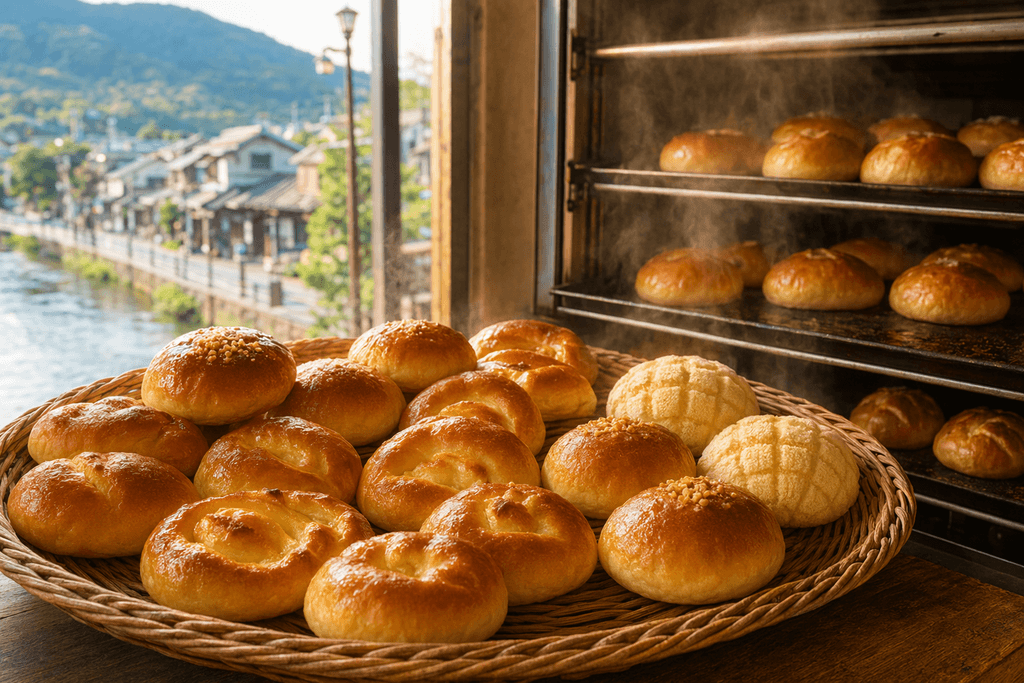
名物
produk khas daerah
名物
produk khas daerah
Explanation
名物
produk khas daerah
名物
produk terkenal / keistimewaan daerah / makanan khas
( Base form )
( romanization )
( hiragana )
物語る
mengisahkan / menunjukkan
物語る
mengisahkan / menunjukkan
Explanation
物語る
mengisahkan / menunjukkan
物語る
menceritakan / mengisahkan / menuturkan
Word Forms
The basic and commonly used forms of this verb.
Basic forms
| Form | Word form | Usage |
|---|---|---|
| Imperfective form (mizenkei) |
Alternative:
物語ろ
|
Connects to endings such as nai, reru, and seru. |
| Continuative form (renyokei) |
Alternative:
物語っ
|
Connects to endings such as masu, tai, and ta. |
| Conclusive form (shushikei) | Ends a sentence and serves as the dictionary form. | |
| Attributive form (rentaikei) | Modifies a noun. | |
| Conditional form (kateikei) | Combines with ba to express a condition. | |
| Imperative form (meireikei) | Expresses a command or instruction. |
Common forms
刻む
mencincang / mengukir
刻む
mencincang / mengukir
Explanation
刻む
mencincang / mengukir
刻む
mencincang; memotong halus / mengukir; menggores / (jam/waktu) berdetak; menandai waktu

Word Forms
The basic and commonly used forms of this verb.
Basic forms
| Form | Word form | Usage |
|---|---|---|
| Imperfective form (mizenkei) | Connects to endings such as nai, reru, and seru. | |
| Continuative form (renyokei) | Connects to endings such as masu, tai, and ta. | |
| Conclusive form (shushikei) | Ends a sentence and serves as the dictionary form. | |
| Attributive form (rentaikei) | Modifies a noun. | |
| Conditional form (kateikei) | Combines with ba to express a condition. | |
| Imperative form (meireikei) | Expresses a command or instruction. |
Common forms
父母
ayah dan ibu
父母
ayah dan ibu
Explanation
父母
ayah dan ibu
父母
orang tua / ayah dan ibu / kedua orang tua

( Base form )
( romanization )
( hiragana )
未満
kurang dari
未満
kurang dari
Explanation
未満
kurang dari
未満
kurang dari; di bawah batas/angka tertentu / belum mencapai ambang/syarat yang ditetapkan / tidak memenuhi persyaratan untuk menjadi sesuatu
( Base form )
( romanization )
( kyūjitai )
( hiragana )
缶詰
makanan kaleng / pengalengan
缶詰
makanan kaleng / pengalengan
Explanation
缶詰
makanan kaleng / pengalengan
缶詰
makanan kaleng / makanan dalam kaleng / pangan kaleng

( Base form )
( romanization )
( hiragana )
くるむ
membungkus
くるむ
membungkus
Explanation
membungkus
くるむ
membungkus / menyelimuti / melapisi

Word Forms
The basic and commonly used forms of this verb.
Basic forms
| Form | Word form | Usage |
|---|---|---|
| Imperfective form (mizenkei) |
Alternative:
くるも
|
Connects to endings such as nai, reru, and seru. |
| Continuative form (renyokei) | Connects to endings such as masu, tai, and ta. | |
| Conclusive form (shushikei) | Ends a sentence and serves as the dictionary form. | |
| Attributive form (rentaikei) | Modifies a noun. | |
| Conditional form (kateikei) | Combines with ba to express a condition. | |
| Imperative form (meireikei) | Expresses a command or instruction. |
Common forms
| Form | Word form | Usage |
|---|---|---|
| Te-form | Connects clauses with te. | |
| Ta-form | Expresses the past with ta. | |
| Nai-form | Expresses negation with nai. | |
| Masu-form | Used for polite speech. | |
| Ba-form | Expresses a condition with ba. | |
| Volitional form | Expresses intention or invitation. |
Notes
実習
praktik lapangan
実習
praktik lapangan
Explanation
実習
praktik lapangan
実習
praktik / praktikum / pelatihan

( Base form )
( romanization )
( hiragana )
Loading...

JLPT N2 多言語単語帳・1790語 / JLPT N2 Multilingual Vocabulary: 1790 Words

Jonathan Waller 氏の JLPT Resources の語彙リスト・レベル分類を出典とし、CC BY の条件に従って DiQt が学習者向けに意味を作り直した1790語の単語帳です。JLPT公式の語彙リストではありません。
This collection of 1790 words is based on the vocabulary list and level classifications in Jonathan Waller’s JLPT Resources under CC BY, with meanings rewritten by DiQt for learners. It is not an official JLPT vocabulary list.
Key Operations
Select the first quiz:
Ctrl + Enter
View Explanation:Ctrl + G
Close a feedback:Esc
When selecting a quiz
Answer:Enter
Select a choice:↓ or ↑
Reading out the question:Ctrl + K
View Hint: Ctrl + M
I don't know: Ctrl + Y



