
JLPT N2: Latihan arti kata - Unsolved

Pelajari arti 1790 kata JLPT N2 dalam bahasa Indonesia melalui soal dengan empat pilihan jawaban.
-
nomor rumah
-
gedung pertemuan
-
percepatan gerak
-
mengapungkan / memperlihatkan raut
-
tercampur
-
melengkung
-
pergelangan tangan
-
kerang / cangkang kerang
-
survei tanah
-
anak usia dini
-
afiliasi / kelengkapan
-
mata air panas
-
mikroskop
-
subjek kalimat
-
ritsleting
-
terselamatkan / terbantu
-
bertabrakan
-
merevisi / memperbaiki
-
kedai minuman keras
-
kargo
-
kain lap
-
tambang batu bara
-
penutupan sementara
-
koran sore
-
memasang / mengenakan
-
meramal nasib
-
kebetulan lewat
- 一段活用の動詞。漢字表記「草臥れる」は一般にかな書きされることも多い。
-
menjadi haus
-
tersampaikan / diwariskan
-
membunyikan / mendentangkan
顕微鏡
mikroskop
顕微鏡
mikroskop
Explanation
顕微鏡
mikroskop
顕微鏡
mikroskop / alat optik untuk memperbesar dan mengamati objek sangat kecil / instrumen laboratorium untuk melihat struktur mikroskopis

( Base form )
( romanization )
( romanization )
( kyūjitai )
( hiragana historical )
( hiragana )
務める
menjabat
務める
menjabat
Explanation
務める
menjabat
務める
menjabat sebagai / bertugas sebagai / mengemban peran

Word Forms
The basic and commonly used forms of this verb.
Basic forms
| Form | Word form | Usage |
|---|---|---|
| Imperfective form (mizenkei) | Connects to endings such as nai, reru, and seru. | |
| Continuative form (renyokei) | Connects to endings such as masu, tai, and ta. | |
| Conclusive form (shushikei) | Ends a sentence and serves as the dictionary form. | |
| Attributive form (rentaikei) | Modifies a noun. | |
| Conditional form (kateikei) | Combines with ba to express a condition. | |
| Imperative form (meireikei) |
Alternative:
務めよ
|
Expresses a command or instruction. |
Common forms
ビルディング
gedung
ビルディング
gedung
Explanation
gedung
ビルディング
gedung; bangunan besar bertingkat / bangunan tinggi nonhunian dari beton / gedung perkantoran/komersial

( romanization )
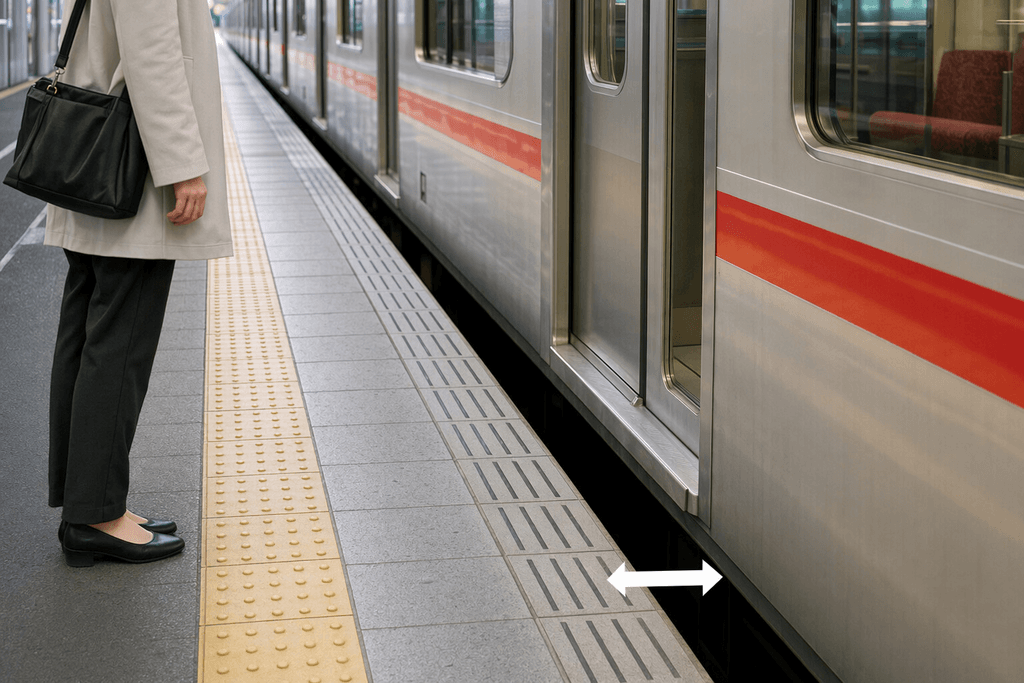
間隔
selang waktu / jarak
間隔
selang waktu / jarak
Explanation
間隔
selang waktu / jarak
間隔
jarak (ruang atau waktu) / selang waktu / spasi (tipografi)
( Base form )
( romanization )
( hiragana )
時間割
jadwal pelajaran
時間割
jadwal pelajaran
Explanation
時間割
jadwal pelajaran
時間割
jadwal pelajaran / jadwal waktu

( Base form )
( romanization )
( hiragana )
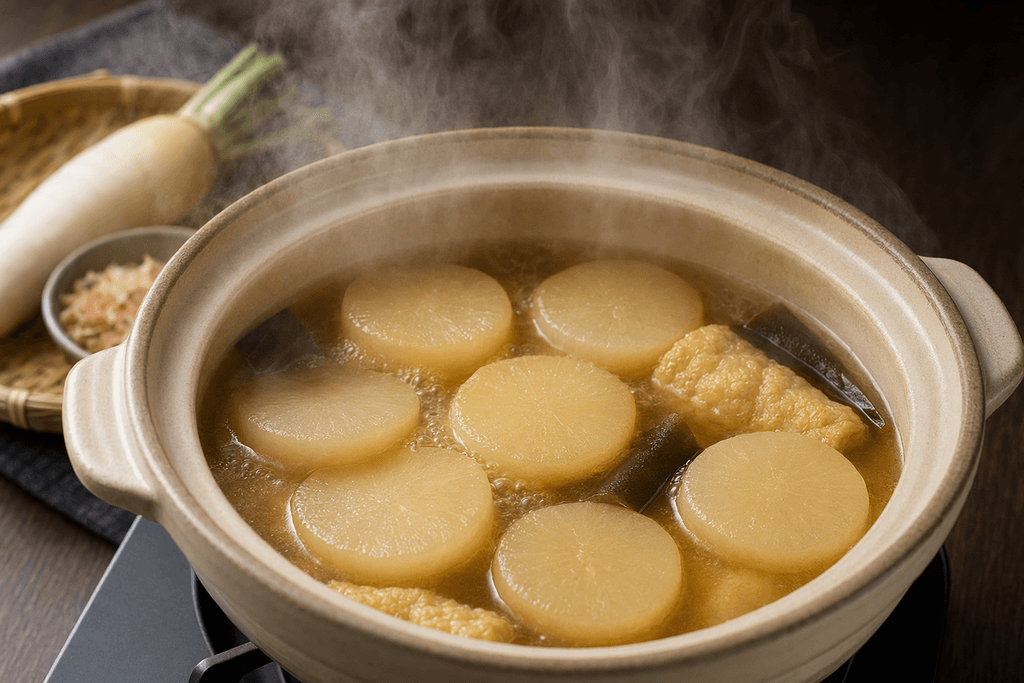
煮る
merebus
煮る
merebus
Explanation
煮る
merebus
煮る
merebus / menggodok / merebus perlahan
Word Forms
The basic and commonly used forms of this verb.
Basic forms
| Form | Word form | Usage |
|---|---|---|
| Imperfective form (mizenkei) | Connects to endings such as nai, reru, and seru. | |
| Continuative form (renyokei) | Connects to endings such as masu, tai, and ta. | |
| Conclusive form (shushikei) | Ends a sentence and serves as the dictionary form. | |
| Attributive form (rentaikei) | Modifies a noun. | |
| Conditional form (kateikei) | Combines with ba to express a condition. | |
| Imperative form (meireikei) |
Alternative:
煮よ
|
Expresses a command or instruction. |
Common forms
孝行
bakti kepada orang tua
孝行
bakti kepada orang tua
Explanation
孝行
bakti kepada orang tua
孝行
bakti kepada orang tua / ketaatan anak kepada orang tua / pengabdian anak kepada orang tua

( Base form )
( romanization )
( romanization )
( hiragana historical )
( hiragana )
目安
patokan perkiraan
目安
patokan perkiraan
Explanation
目安
patokan perkiraan
目安
tolok ukur / acuan / perkiraan kasar

( Base form )
( romanization )
( hiragana )
くたびれる
kelelahan / menjadi usang
くたびれる
kelelahan / menjadi usang
Explanation
kelelahan / menjadi usang
くたびれる
sangat lelah; kelelahan / bosan/jenuh (terutama karena menunggu)

Word Forms
The basic and commonly used forms of this verb.
Basic forms
| Form | Word form | Usage |
|---|---|---|
| Imperfective form (mizenkei) |
Alternative:
草臥れ
|
Connects to endings such as nai, reru, and seru. |
| Continuative form (renyokei) |
Alternative:
草臥れ
|
Connects to endings such as masu, tai, and ta. |
| Conclusive form (shushikei) |
Alternative:
草臥れる
|
Ends a sentence and serves as the dictionary form. |
| Attributive form (rentaikei) |
Alternative:
草臥れる
|
Modifies a noun. |
| Conditional form (kateikei) |
Alternative:
草臥れれ
|
Combines with ba to express a condition. |
| Imperative form (meireikei) |
Alternative:
くたびれよ
草臥れろ
草臥れよ
|
Expresses a command or instruction. |
Common forms
| Form | Word form | Usage |
|---|---|---|
| Te-form |
Alternative:
草臥れて
|
Connects clauses with te. |
| Ta-form |
Alternative:
草臥れた
|
Expresses the past with ta. |
| Nai-form |
Alternative:
草臥れない
|
Expresses negation with nai. |
| Masu-form |
Alternative:
草臥れます
|
Used for polite speech. |
| Ba-form |
Alternative:
草臥れれば
|
Expresses a condition with ba. |
| Volitional form |
Alternative:
草臥れよう
|
Expresses intention or invitation. |
Notes
引き受ける
menyanggupi
引き受ける
menyanggupi
Explanation
引き受ける
menyanggupi
引き受ける
menerima tanggung jawab / menangani atau mengerjakan tugas / mengambil alih pekerjaan

Word Forms
The basic and commonly used forms of this verb.
Basic forms
| Form | Word form | Usage |
|---|---|---|
| Imperfective form (mizenkei) | Connects to endings such as nai, reru, and seru. | |
| Continuative form (renyokei) | Connects to endings such as masu, tai, and ta. | |
| Conclusive form (shushikei) | Ends a sentence and serves as the dictionary form. | |
| Attributive form (rentaikei) | Modifies a noun. | |
| Conditional form (kateikei) | Combines with ba to express a condition. | |
| Imperative form (meireikei) |
Alternative:
引き受けよ
|
Expresses a command or instruction. |
Common forms
Loading...

JLPT N2 多言語単語帳・1790語 / JLPT N2 Multilingual Vocabulary: 1790 Words

Jonathan Waller 氏の JLPT Resources の語彙リスト・レベル分類を出典とし、CC BY の条件に従って DiQt が学習者向けに意味を作り直した1790語の単語帳です。JLPT公式の語彙リストではありません。
This collection of 1790 words is based on the vocabulary list and level classifications in Jonathan Waller’s JLPT Resources under CC BY, with meanings rewritten by DiQt for learners. It is not an official JLPT vocabulary list.
Key Operations
Select the first quiz:
Ctrl + Enter
View Explanation:Ctrl + G
Close a feedback:Esc
When selecting a quiz
Answer:Enter
Select a choice:↓ or ↑
Reading out the question:Ctrl + K
View Hint: Ctrl + M
I don't know: Ctrl + Y



